US employers added more jobs than expected for a second month, strengthening the case for resilient hiring. But the broader picture is uneven: Germany’s industrial output fell again, while Australia’s central bank raised interest rates for a third straight meeting. Together, the updates underscore how global growth is diverging by country even as markets watch a unified trend.
Foreign portfolio investors reduced their exposure to Indian equities, pulling out Rs 14,231 crore so far in May. The selling pressure is attributed to lingering global macroeconomic uncertainties that are keeping investors cautious. With risk sentiment remaining fragile, the pace and direction of FPI flows could stay in focus for Indian markets in the near term.
Your news, in seconds
Get the Beige app — every story in 60 words, updated hourly. Free on iOS & Android.
The IMF projects about $2.5 billion in net income for 2026, rising to $2.6 billion in 2027 and 2028. It expects precautionary balances to reach $35.9 billion by 2026, giving the fund added financial cushioning. The IMF will keep its lending rate margin at 60 basis points for member countries.
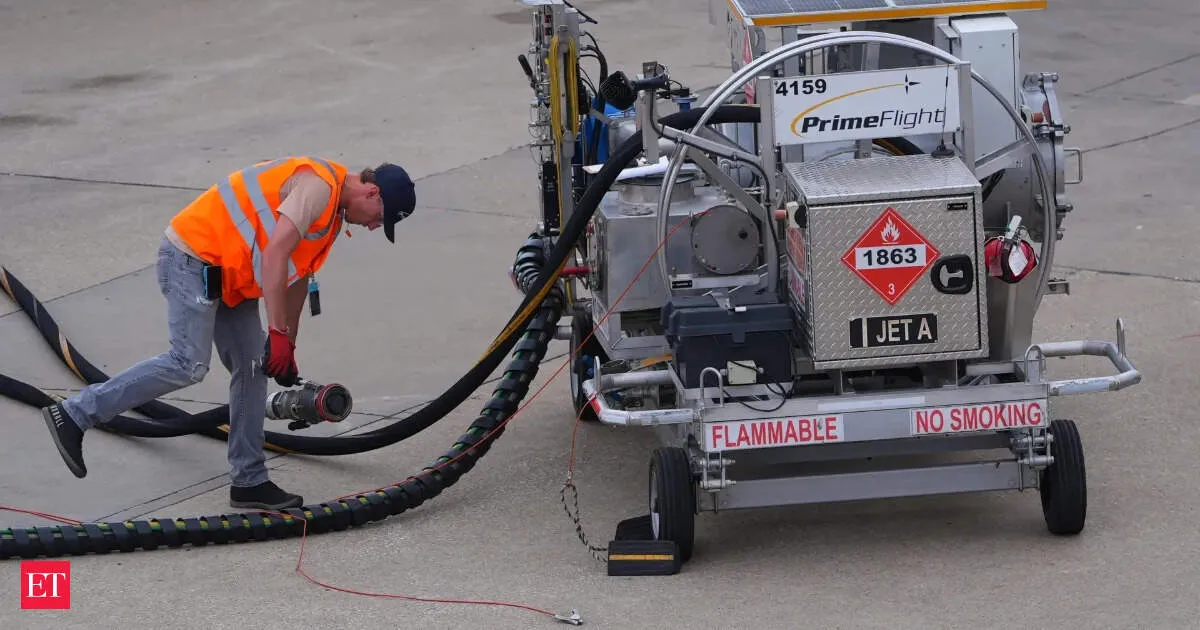
Air travel looks set to cost more this summer as airlines grapple with rising jet fuel prices and ongoing supply disruptions. To offset higher costs, many carriers are reducing flight schedules and lifting ticket prices, especially during peak travel demand. Experts warn the global fuel crisis could keep passenger fares under pressure throughout the busy season.
Microsoft’s latest report says generative AI is now used by 17.8% of the world’s working-age population, but the adoption gap keeps growing. In Q1 2026, 27.5% of people aged 15–64 in developed countries used generative AI, versus 15.4% in the developing world. The divide widened by 1.5 percentage points from late 2025.
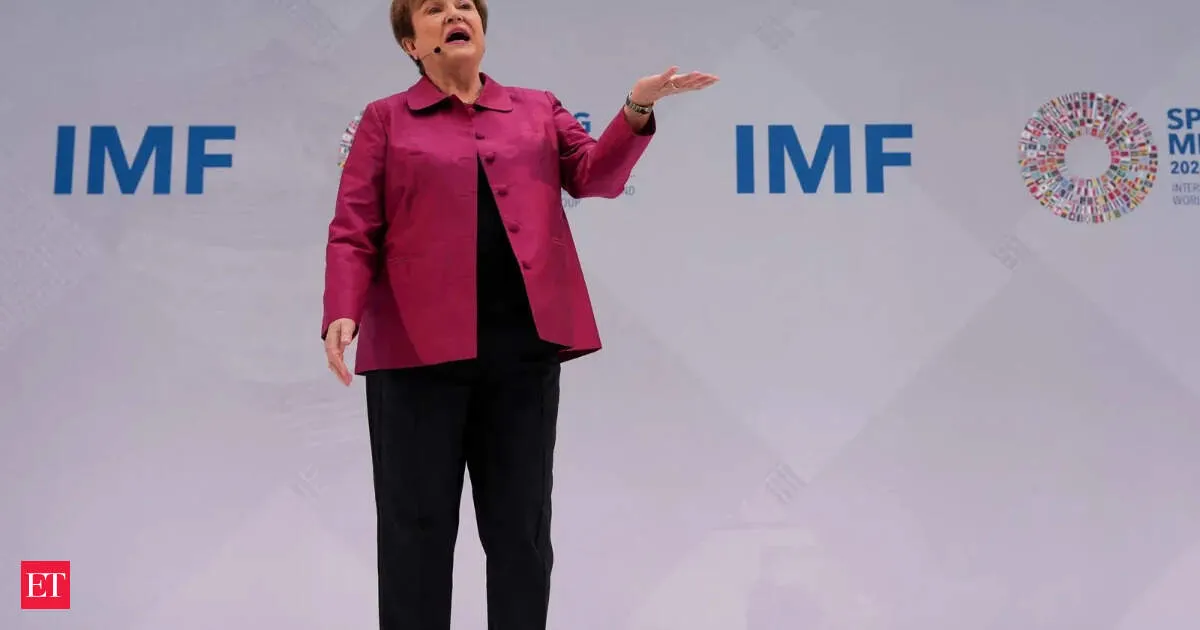
IMF chief Kristalina Georgieva warns the global economy could face a much worse outcome if the Middle East conflict drags into 2027. She cautioned that oil prices may climb to $125 per barrel, weighing on growth and de-anchoring inflation expectations. The IMF also flags risks from physical oil shortages.
Never miss a story
Set alerts for the topics and sources you care about. Download Beige for free.
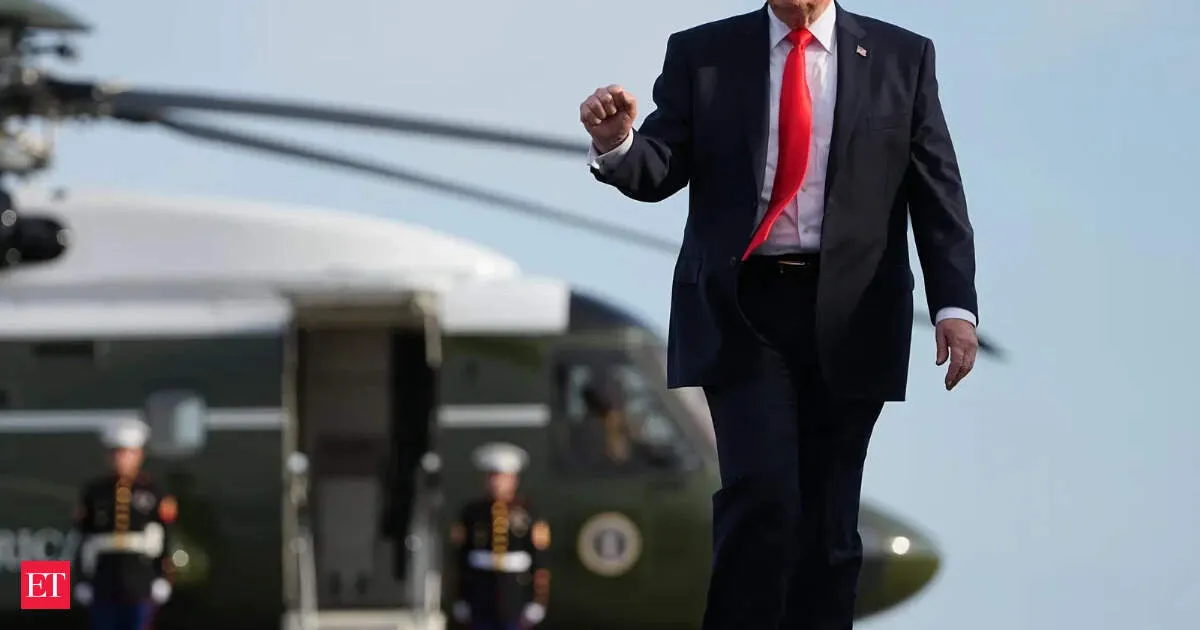
After a tanker was hit by projectiles amid heightened US-Iran tensions, Donald Trump says the US will help guide ships through the Strait of Hormuz. The chokepoint has reportedly been blocked for over two months, leaving hundreds of vessels and thousands of sailors stranded. The US military support is aimed at restoring freedom of navigation for commercial shipping and protecting global economic flows.
JP Morgan says the recent drop in global oil demand is being driven more by rising supply disruptions than by sub-$100 oil prices. The bank describes this as a “forced demand loss,” meaning demand is slipping because markets can’t reliably get supply, rather than because consumers are cutting usage due to high costs.
Euro area business activity fell as the services sector weakened, with analysts pointing to spillovers from the Middle East conflict. At the same time, US retail sales rose, suggesting consumers in the US are still spending despite global pressures. The contrast highlights how regional shocks are hitting demand unevenly across major economies.
President Donald Trump says the US Navy is clearing Iranian mines in the Strait of Hormuz, a key passage for global oil shipments. With disruption growing more threatening to the world economy, the operation could still take months due to the complexity of hunting underwater explosives, even as diplomatic and military tensions remain high.
Reading on mobile?
Open Beige in the app for a smoother experience — free on iOS and Android.
The ILO says work related stress drives about 0.84 million deaths each year globally, fueled by long working hours, job insecurity, and workplace harassment. The organization estimates the economic cost of these psychosocial pressures reaches 1.37% of global GDP annually, urging stronger protections and safer work environments.
Factory input costs are rising across regions as Iran war-linked disruption feeds into delivery delays and price hikes. The pattern complicates readouts of economic health: some growth appears in parts of Europe, but Asian manufacturing is under pressure from higher fuel costs and ongoing uncertainty, threatening recovery momentum.
Surging fuel costs linked to the Iran war are pushing global inflation higher at a rapid pace, while consumer confidence is sliding sharply. As energy prices ripple through everyday spending, households appear increasingly pessimistic, weakening sentiment across major economies and raising pressure on policymakers to manage growth and prices.
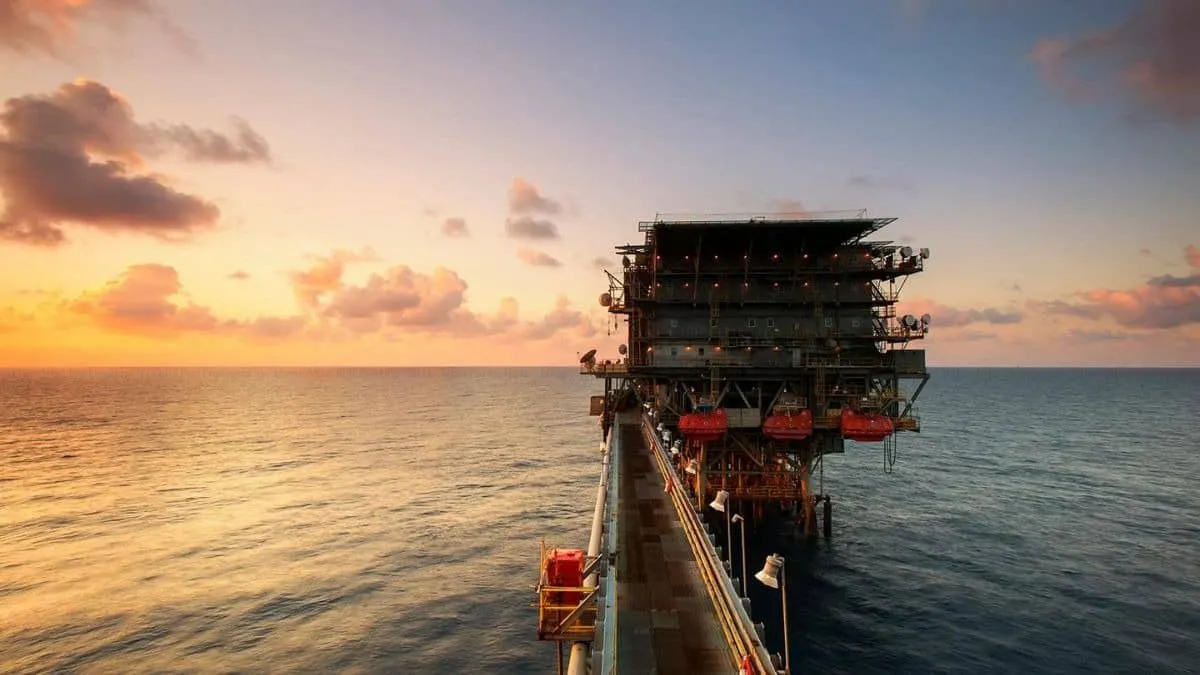
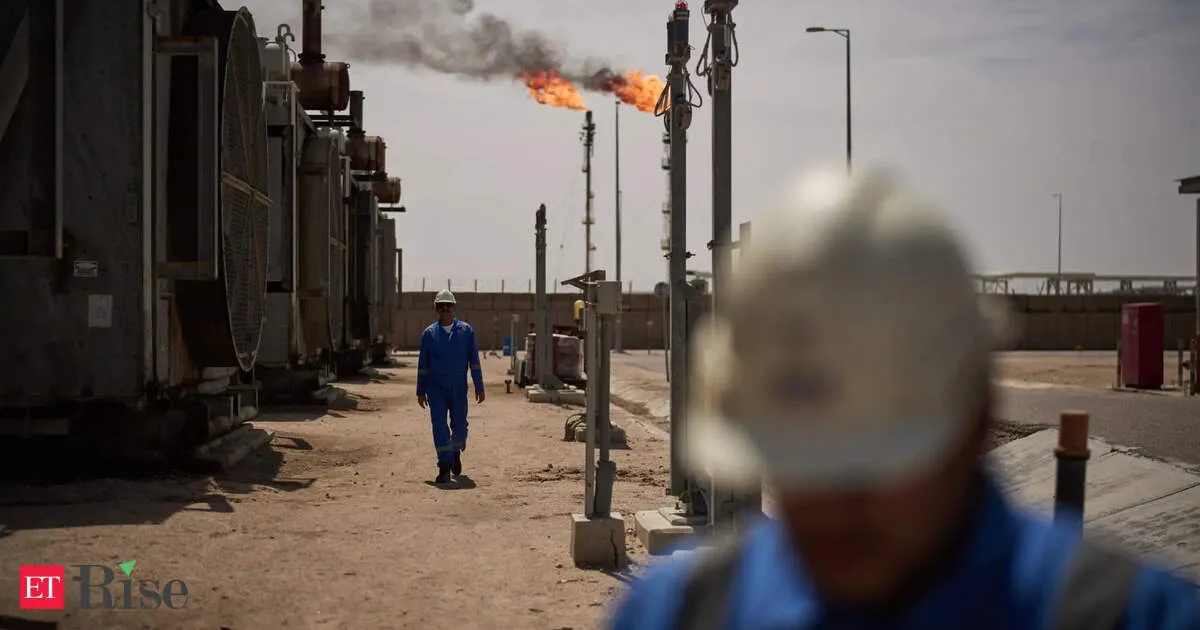
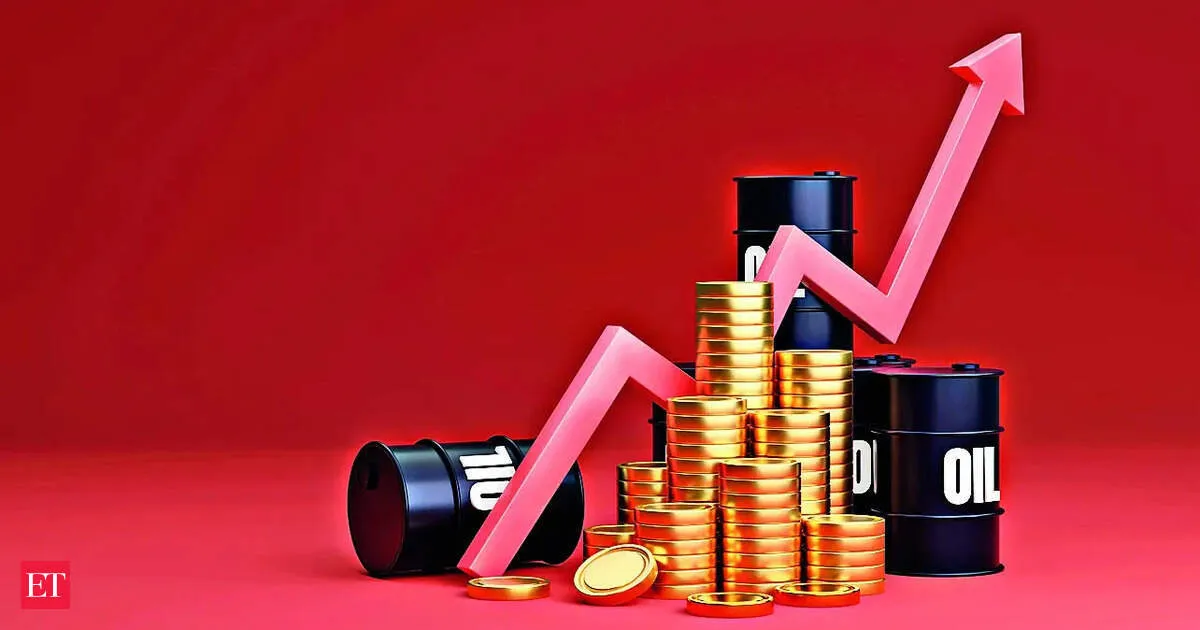
Iran’s escalating strikes on Gulf energy infrastructure have pushed oil above $110 a barrel, including hits tied to Kuwait oil facilities and Abu Dhabi gas processing. The higher energy bill is quickly rippling into global markets, with Europe posting its sharpest inflation rise since 2022 while China’s factories face climbing input costs.
Follow your favourite sources
Track sources, tags and categories — all in the Beige app.
Fresh business surveys spanning Australia to the US point to worsening sentiment on economic growth, with pessimism increasing alongside sharply accelerating price signals. The surveys suggest the Iran war’s ripple effects may be amplifying uncertainty and costs, leaving businesses cautious on near term demand even as inflation-like pressures build. The widening gap between expectations and reality is raising concern.
Global business surveys due this week are expected to show worsening growth and rising inflation after seven weeks of Middle East conflict, with Europe seen as particularly vulnerable. Analysts warn the mix could trigger stagflation—weak economies with stubborn prices—forcing policymakers to reassess interest rate plans based on the latest data from Australia to the US.
With the US Federal Reserve signaling just one interest-rate cut this year and the Bank of Canada keeping rates unchanged, policymakers are confronting a tough tradeoff. While growth risks are in focus, officials must decide whether to ease borrowing costs or hold firm—underlining how tightly linked global policy decisions now are.
RBI Governor Shaktikanta Das says the global economy is entering a fresh storm, with financial markets across countries thrown into turmoil. He notes stress is showing up across equity, bond and currency segments. Despite the global volatility, Das adds that economic activity in India remains stable, offering some cushion for the domestic outlook.
Stay informed on the go
Bite-sized news from 100+ trusted sources, right in your pocket.
Swipe through stories, personalise your feed, and save articles for later — all on the app.