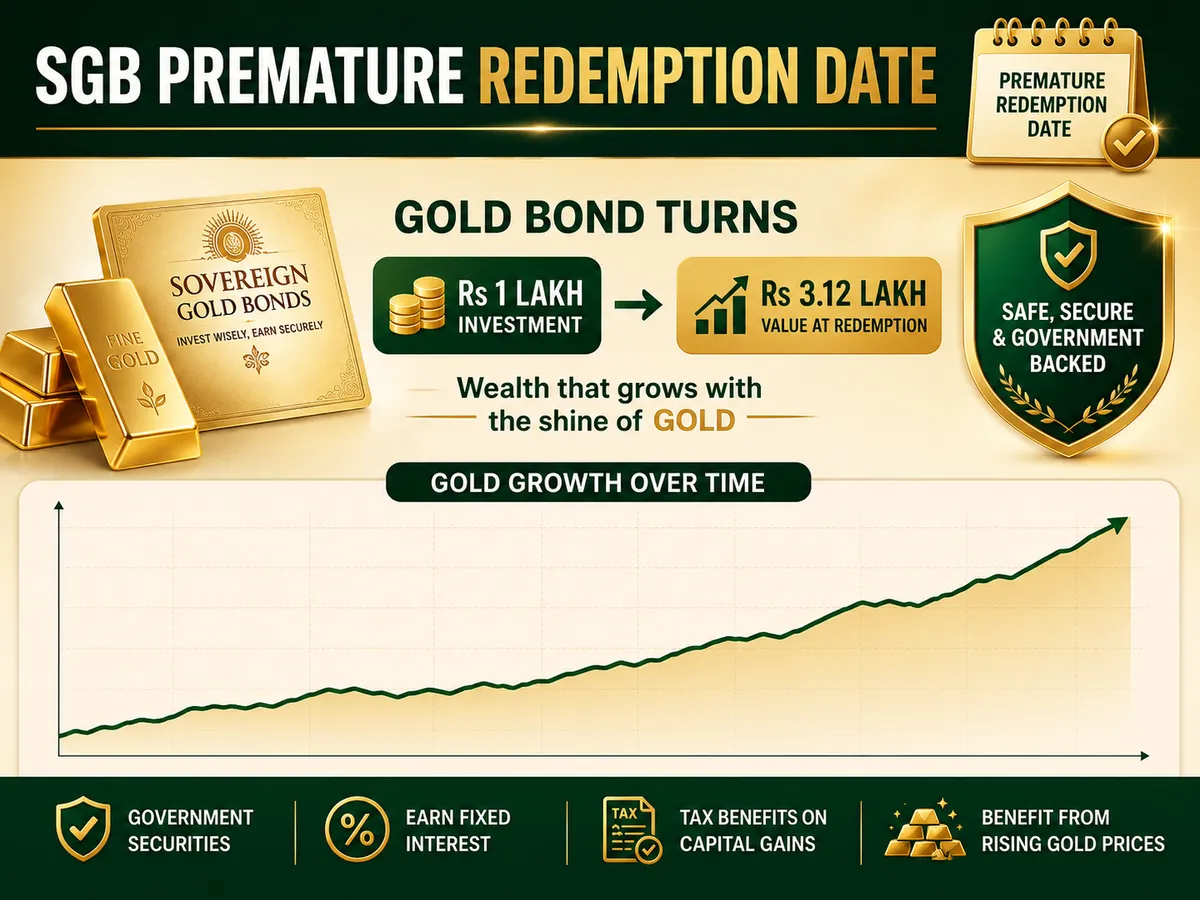
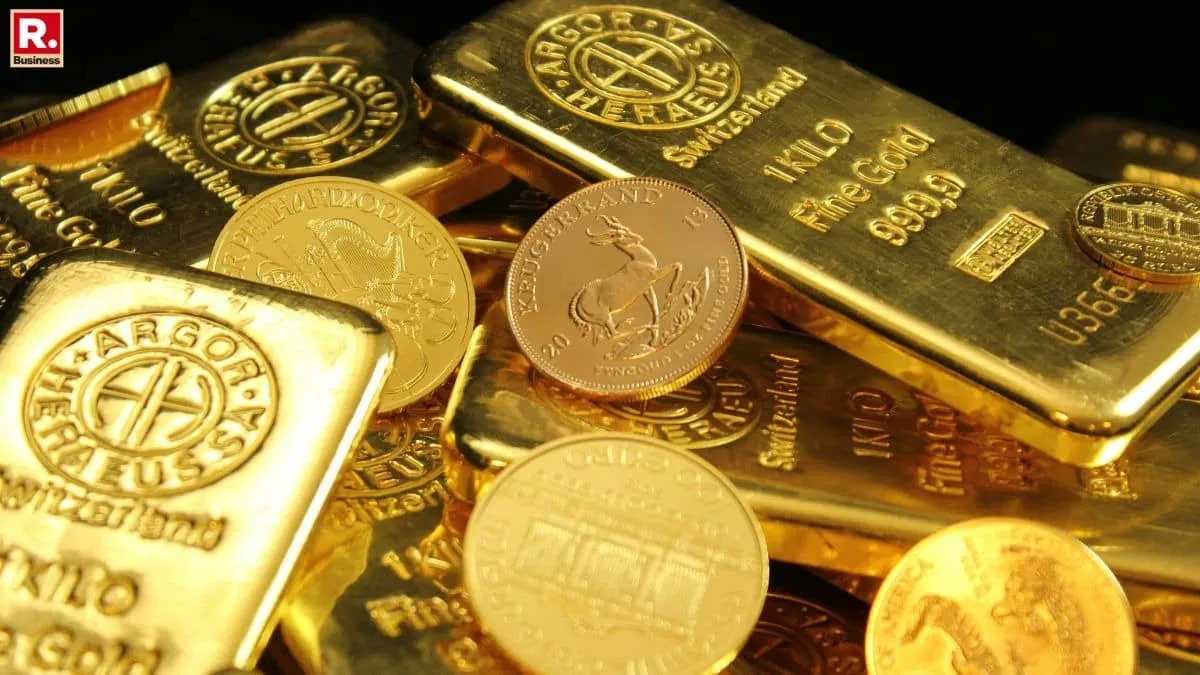
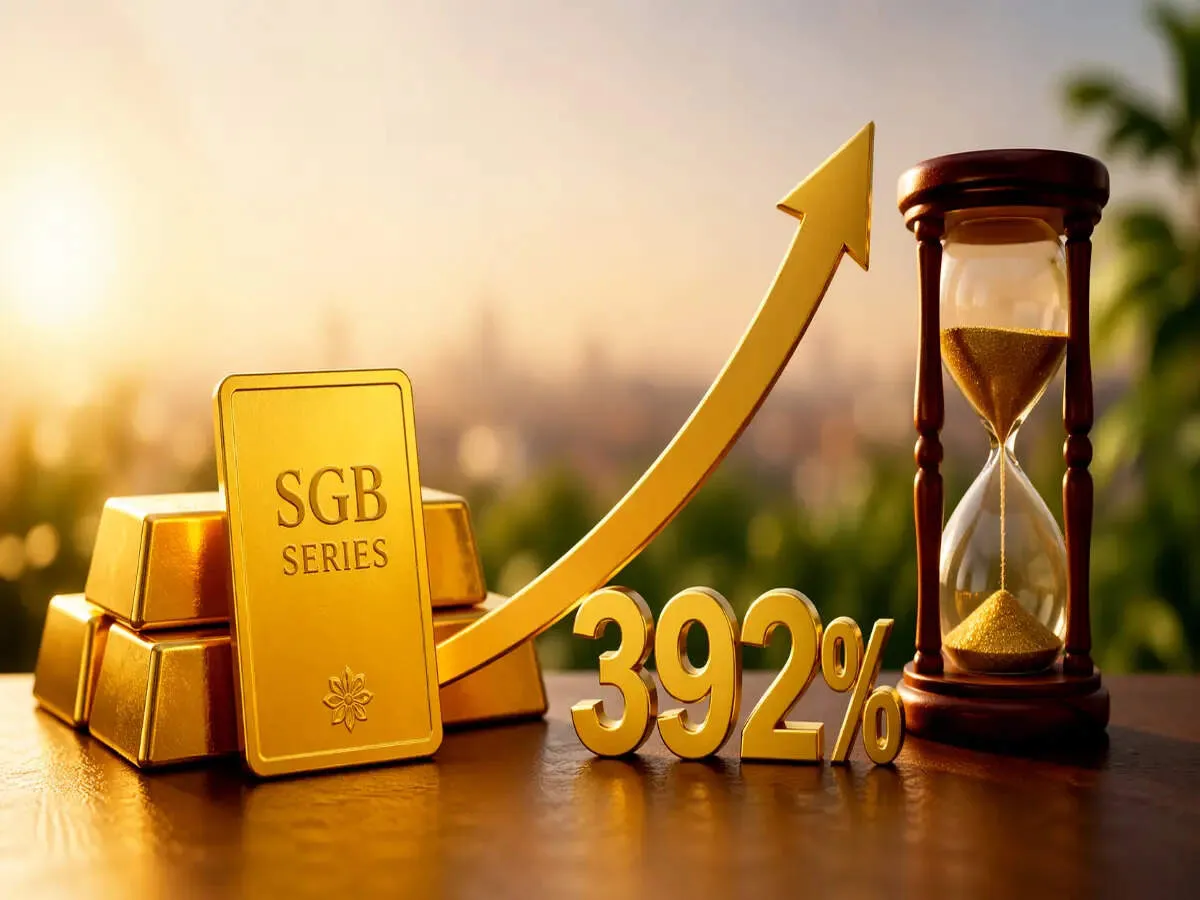
The RBI has announced the premature redemption price for Sovereign Gold Bond (SGB) 2020-21 Series-VIII, enabling investors to exit from May 18, 2026. The redemption is permitted after five years, on an interest-payment date. The RBI calculates the price using a simple average of 999-purity gold’s closing rates from the prior three working days (May 13 to May 15, 2026). The fixed rate comes to Rs 16,012 per unit, against an issue price of Rs 5,127 per gram for online buyers.
Indian gems and jewellery exports fell 9.07% in April 2026 to US$ 2,448.53 million (Rs. 20,952.26 crore), as geopolitical tensions in West Asia pushed buyers toward caution. Cut and polished diamond exports dropped 19.65%, even as cut diamond imports rose sharply on replenished stocks and hopes of global demand recovery. Plain gold jewellery exports fell 47.06% amid high gold prices, while studded gold, silver, and platinum segments posted strong growth.
Your news, in seconds
Get the Beige app — every story in 60 words, updated hourly. Free on iOS & Android.
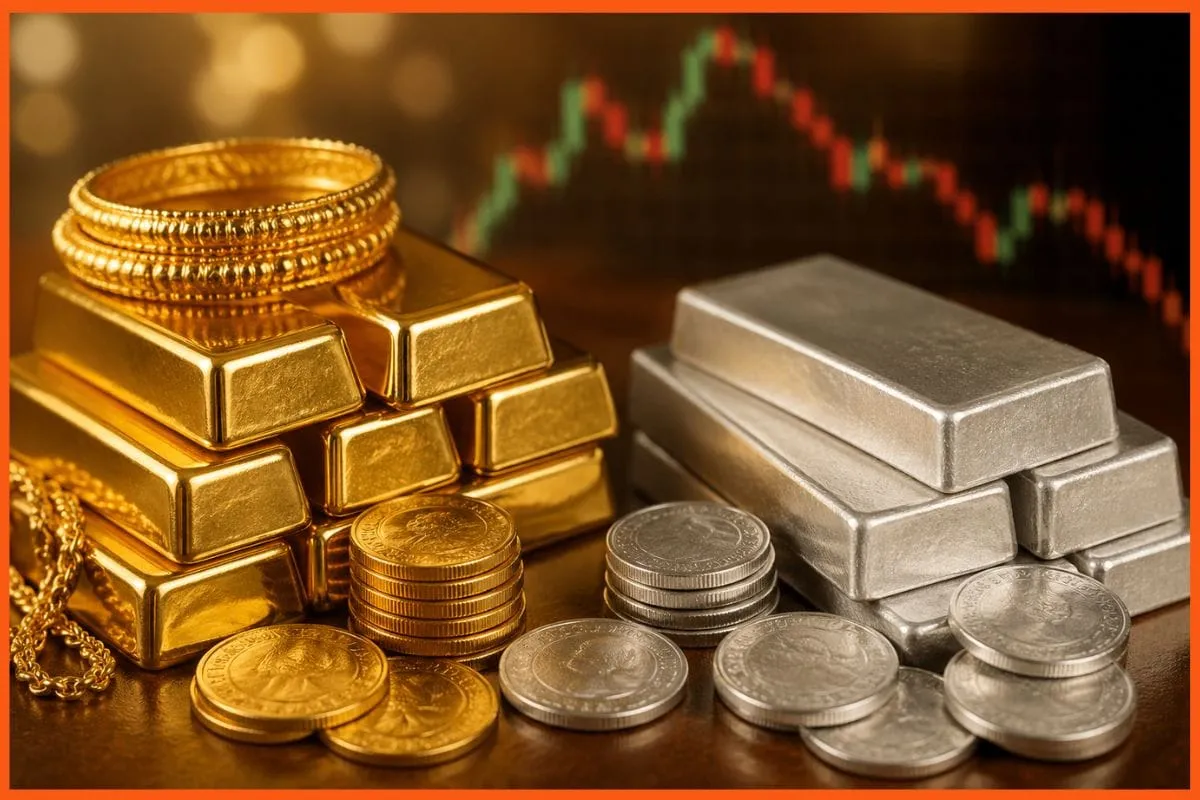
Gold prices are tumbling sharply, falling over 13% since the U.S.-Iran conflict escalated on February 28. Spot gold dropped 2% to around $4,557 per ounce, the lowest in weeks, with losses extending for a fourth straight session. The move is being blamed on rising oil prices fueling renewed inflation fears, higher U.S. Treasury yields, and a stronger dollar. Markets have also grown more skeptical about near-term rate cuts, weighing on the non-yielding metal.
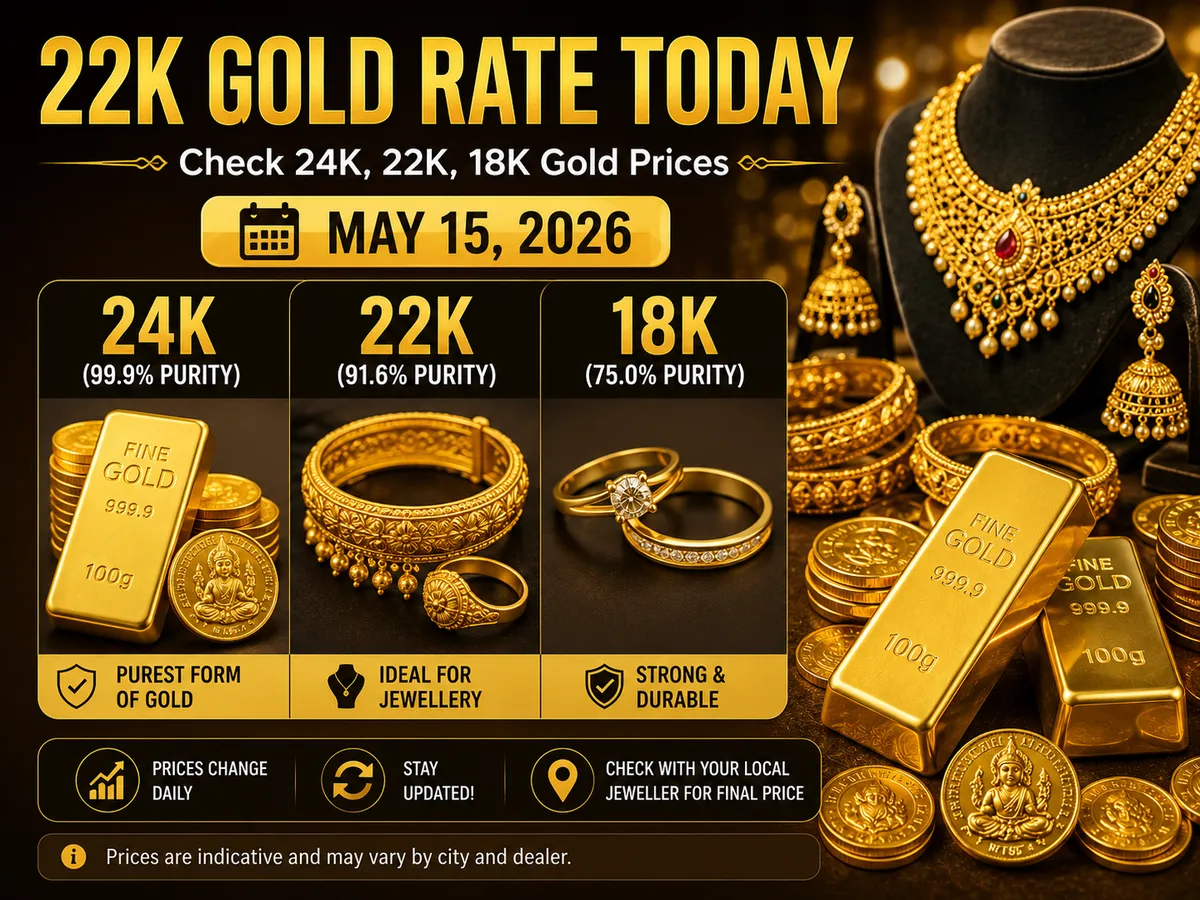
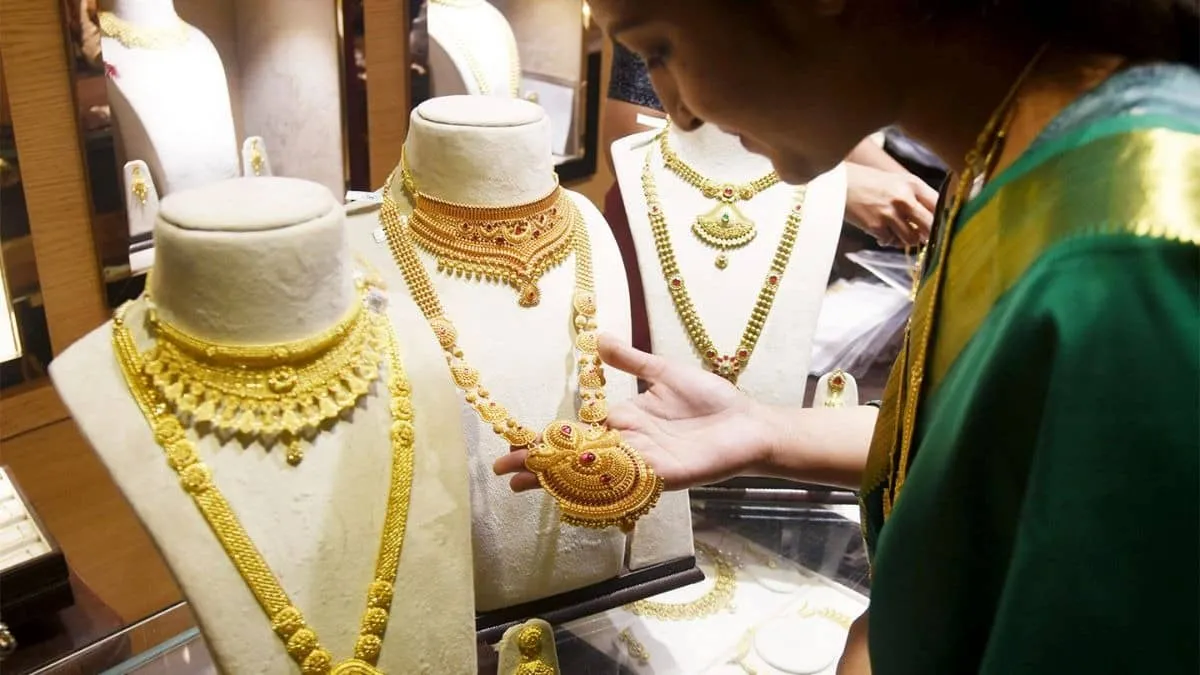
Gold prices stayed volatile on Friday, May 15, 2026, easing after a sharp rise earlier in the week. Major jewellery brands including Tanishq, Malabar Gold & Diamonds, Kalyan Jewellers and Joyalukkas reported lower 22k rates versus May 14. The India Bullion and Jewellers Association (IBJA) also cut its indicative retail selling rates for both gold and silver from the previous session. Rates are reported from brand websites around 1:21 pm and can vary by city taxes and making charges.
Muthoot Finance’s gold loan business is holding up strongly, with growth still near 50% year-on-year as rising gold prices lift collateral values. The firm notes a structural slowdown in volumes: gold tonnage is down and active loan accounts have fallen for the second straight quarter. Management says the decline is driven by shorter loan tenures and churn, not weaker demand. Smaller-ticket loans are shrinking while larger loans gain. Tighter unsecured lending also funnels borrowers toward gold-backed credit.
Gold edged higher as a weaker US dollar boosted demand, while markets tracked potential outcomes from Trump Xi meetings. Investors also kept an eye on signals tied to the Iran war, seeking clues on risk and policy shifts. Spot gold inched up to about $4,706.70 per ounce, reflecting cautious optimism alongside geopolitical uncertainty.
Never miss a story
Set alerts for the topics and sources you care about. Download Beige for free.
Gold jumped nearly 6% to around ₹1,63,000 for 24K and silver climbed about 6.2% to roughly ₹2,96,910/kg in India on 13 May 2026. The main trigger: the government more than doubled import duty to 15% from 6%, adding a 10% customs duty and 5% Agriculture Infrastructure and Development Cess. Markets also watched global safe-haven cues and US dollar moves.
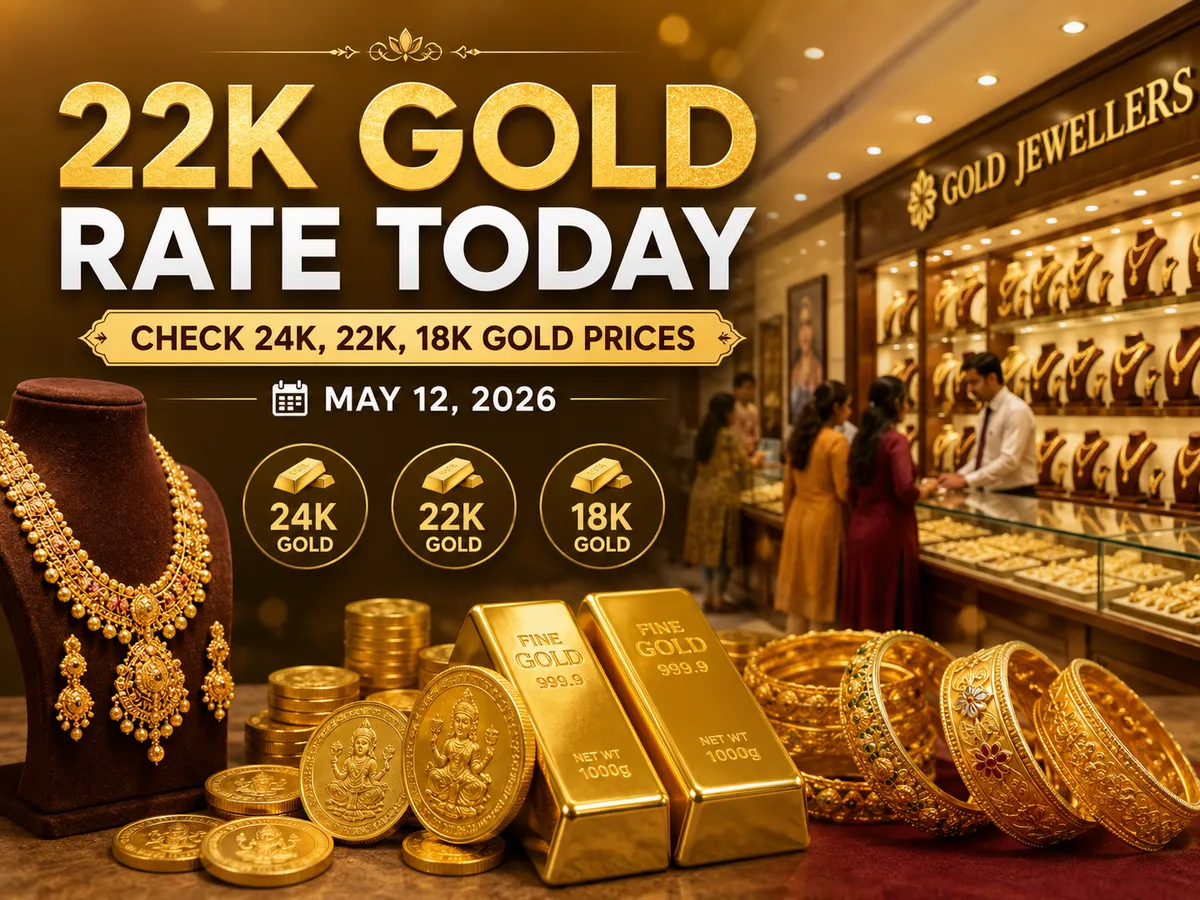
Gold prices are rising on May 12, 2026, with major jewelers listing higher 22k rates. The move comes after a push to reduce gold purchases for a year to support India’s foreign exchange reserves. Now IBJA is urging policy changes to better use household gold, including allowing gold lending and borrowing to keep demand in check while unlocking value.
Shares of Titan and Kalyan Jewellers tumbled after Prime Minister Narendra Modi urged Indians to temporarily reduce non-essential gold consumption to protect foreign exchange reserves. Speaking in Hyderabad, he linked gold conservation to national strength as global oil prices rise. Traders said the comments, though not a formal ban, hit sentiment hard and could cool volumes during the wedding season.
Titan Company posted a modest 5.4% year-on-year rise in Q4 consolidated net profit to ₹771 crore as revenue jumped 22% to ₹11,472 crore. The jewellery business faced margin pressure from record-high gold prices and a consumer shift toward gold coins, while watches and eyewear delivered a brighter performance.
Reading on mobile?
Open Beige in the app for a smoother experience — free on iOS and Android.
Gold and silver prices stayed largely unchanged on May 8, 2026, after a recent rise linked to easing inflation concerns and hopes of US Iran peace talks. Analysts suggest gold may climb toward $4,800 to $4,850, while silver could target $85. Traders are now waiting on key economic data to set the next move.
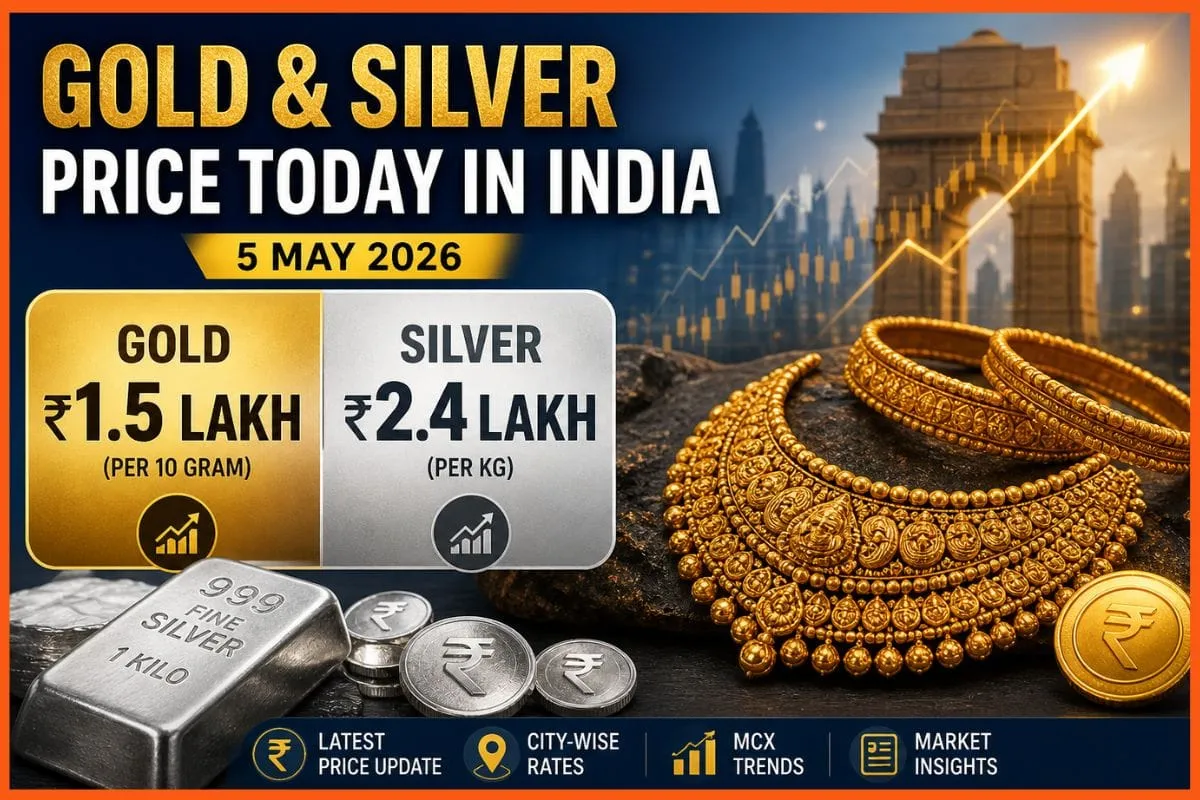
Gold prices in India are holding steady around Rs 1.49 lakh per 10 grams, while silver is in a more unstable mood near Rs 2.4 lakh per kg on MCX. Mixed global cues, inflation and oil concerns, and geopolitical tensions are shaping both metals, with silver attempting recovery after recent sharp drops.
Gold prices in India rebounded sharply on Tuesday, with 24-carat bullion hitting around ₹1.53 lakh per 10 grams in major metros like Delhi and Mumbai. The rally is being driven by safe-haven demand as West Asia tensions continue. Silver, however, is lagging—slipping toward about ₹2.60 lakh per kg, showing a rare split in investor preferences.
Gold and silver prices slipped in India on 27 April 2026. MCX gold for June 2026 hovered around ₹1.52 lakh per 10g, while MCX silver for May 2026 eased to about ₹2.44 lakh per kg. A stronger US dollar plus US Iran geopolitical tensions kept demand cautious, even as Indian buying on dips and wedding season support limited deeper losses.
Follow your favourite sources
Track sources, tags and categories — all in the Beige app.
Gold and silver prices in India fell for a third consecutive session on Thursday, April 23. The dip mirrors global markets where a stronger U.S. dollar and higher bond yields have reduced bullion’s appeal. Shifting expectations around interest rates are prompting investors to stay cautious, dragging prices in major cities including Mumbai.
Global natural diamond prices have dropped sharply, with Alrosa’s shares down 77% and Anglo American booking a fresh $2.3 billion impairment on De Beers. Yet India’s wedding traditions—and rising gold prices—appear to be buffering demand, keeping diamonds marketed as “forever” even as the global shine fades.
The RBI has fixed the premature redemption price for Sovereign Gold Bond SGB 2018-19 Series-II at Rs 15,219 per unit. The amount is calculated using the average gold price over the three preceding working days. Premature redemption will be available from April 23, 2026, after investors complete the fifth year from issuance.
ICRA Analytics says gold ETFs are drawing sharply more investor money as geopolitical worries mount and gold prices keep rallying. Assets under management have grown to about Rs 1.71 lakh crore, with nearly 65% CAGR over five years. In March 2026 alone, inflows jumped to ₹2,266 crore, signaling a stronger shift toward safe-haven portfolios.
Stay informed on the go
Bite-sized news from 100+ trusted sources, right in your pocket.
BlueStone’s store-addition targets in FY26 were derailed by a sharp jump in gold prices. In its Q4 earnings call, management said it adopted a cautious, demand-led approach after gold spiked to about ₹1.42 lakh per 10g. While 17 stores were added in Q4, the FY26 total hit only 65 versus a projected 290. Inventory turnover and ROIC also took a hit via revaluation.
Gold rates across major Indian jewellery brands fell on Thursday, April 23, 2026. The decline follows the US extending its ceasefire with Iran, which eased some geopolitical risk premium in bullion. However, persistent worries about a potential Strait of Hormuz disruption kept energy risks and inflation concerns elevated, limiting how far prices could drop.
Swipe through stories, personalise your feed, and save articles for later — all on the app.