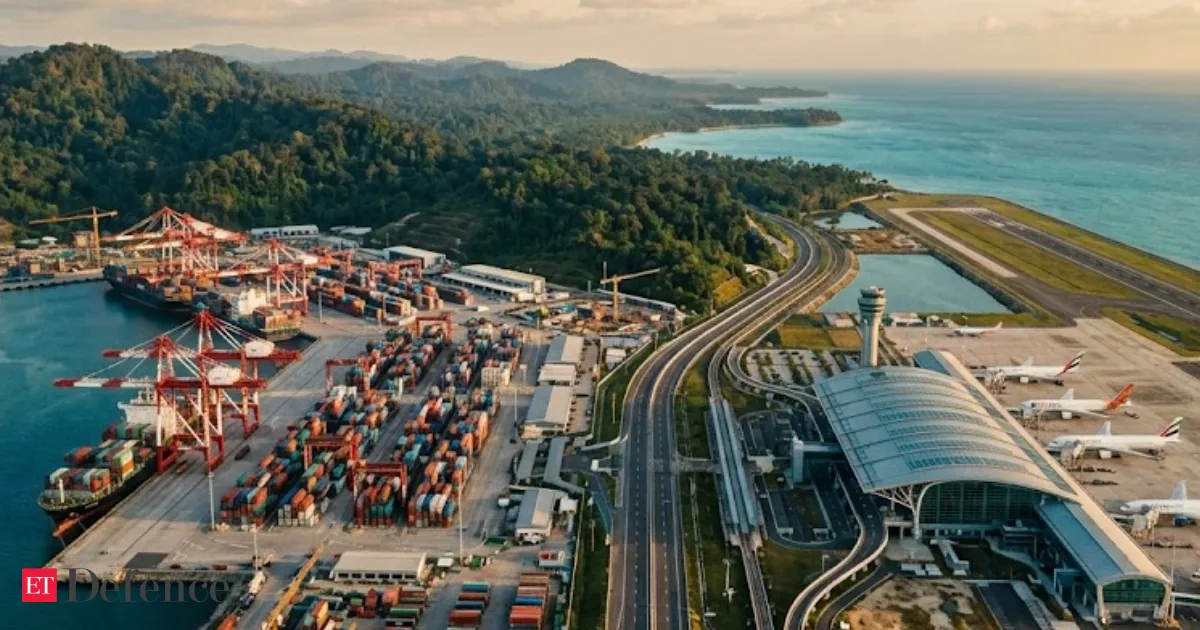
India is moving ahead with a ₹90,000 crore Great Nicobar project spanning 166 sq km, featuring a transshipment port and an international airport near the Malacca Strait. Backed as both strategic and economic, the port aims for 16 million containers annually, with the first phase targeting commissioning by 2028 at ₹18,000 crore and over 4 million containers per year. Defence figures cite Malacca’s role as Asia’s primary oil chokepoint, warning delays could advantage China.
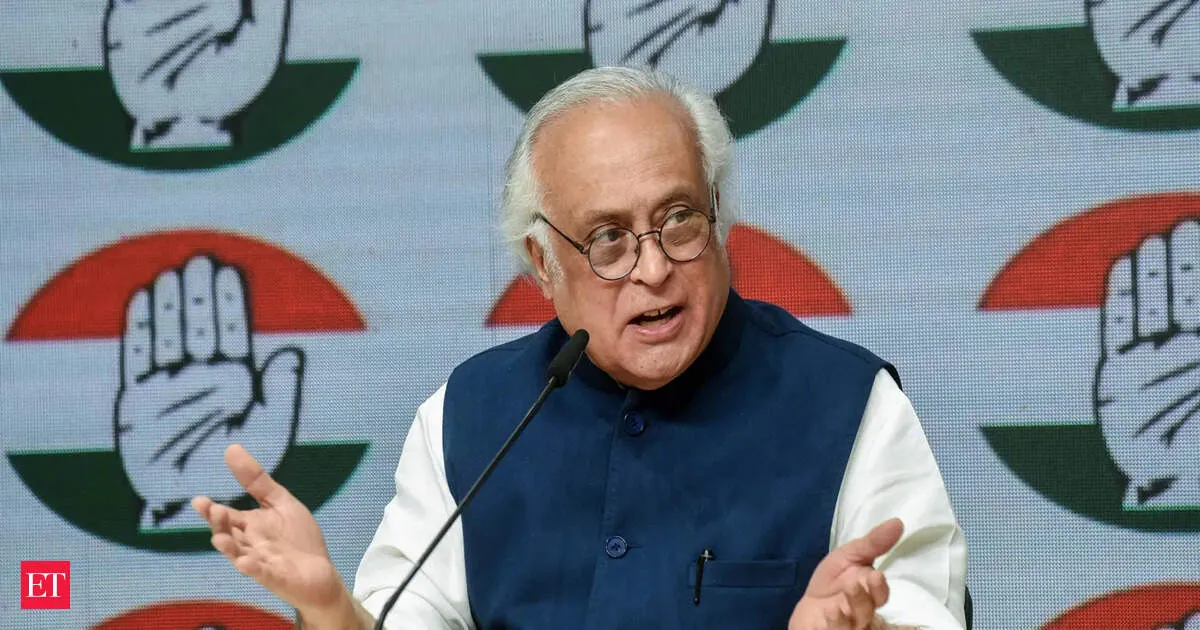
Senior Congress leader Jairam Ramesh has written to Union Environment Minister Bhupinder Yadav, intensifying his attack on the Great Nicobar Island Development Project. Ramesh claims environmental clearances relied on “grossly inadequate” studies and says crucial reports were withheld from public scrutiny, questioning the credibility of the EIA process amid the project’s momentum.
Your news, in seconds
Get the Beige app — every story in 60 words, updated hourly. Free on iOS & Android.
Congress says serious issues surrounding the Great Nicobar project must be debated in Parliament, citing alleged ecological damage, violations of tribal rights, lack of transparency, and security concerns. The party claims the government’s recent press note is damage control after Rahul Gandhi’s visit, intensifying pressure on officials to address the allegations publicly.
Retired military officials have defended the Great Nicobar Project, dismissing Rahul Gandhi’s allegations of land grabbing and corruption. They argue the plan is vital for India’s maritime security and economic growth, promising stronger surveillance and less dependence on foreign ports. The officials also claim environmental and tribal concerns are being handled through sustainability measures and government policy.
Senior Congress leader Rahul Gandhi sharply attacked the Great Nicobar project, calling it a major scam and a grave crime against India’s natural and tribal heritage. He claims the plan will require cutting down millions of trees and displacing communities, framing the project as a direct threat to both environment and indigenous livelihoods.
Swipe through stories, personalise your feed, and save articles for later — all on the app.