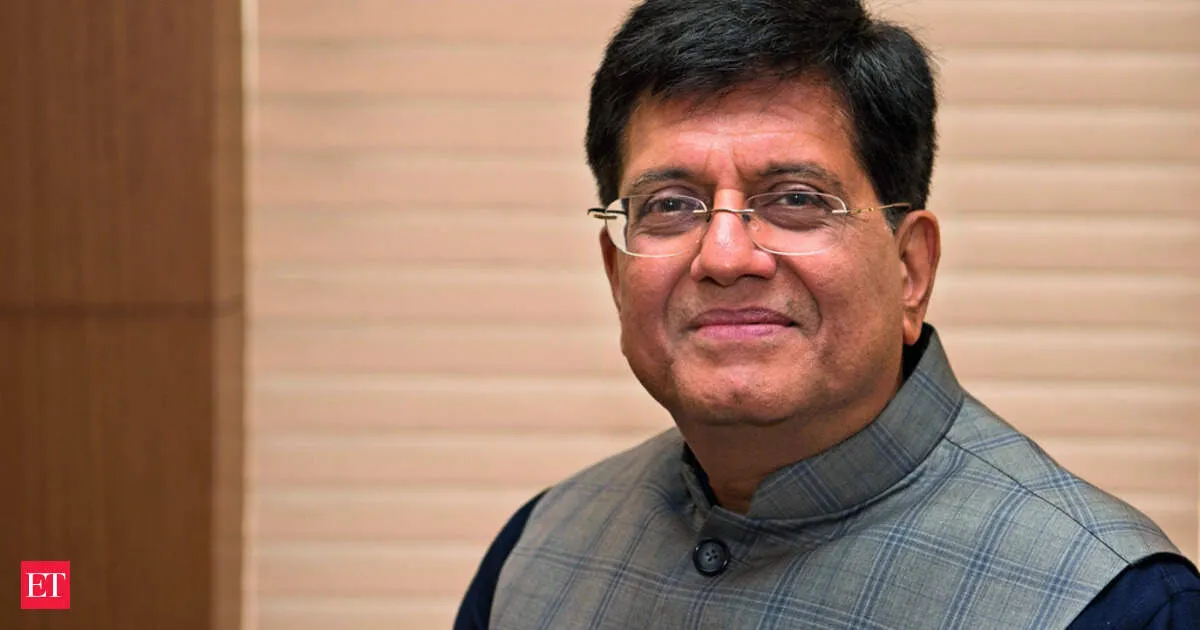
Commerce Minister Piyush Goyal called for aligning standards and customs procedures between India and Africa to unlock faster, smarter growth for businesses. Speaking ahead of the India-Africa Business Dialogue and Exhibition, he pointed to the AfCFTA’s nearly $3.4 trillion value and India’s expanding $4 trillion economy as a chance to diversify supply chains and move beyond raw-material trade toward integrated manufacturing. The minister highlighted cooperation in renewable energy, green hydrogen, green ammonia, electric mobility, and digitalization. Bilateral trade is projected at $93.69 billion in 2025-26.
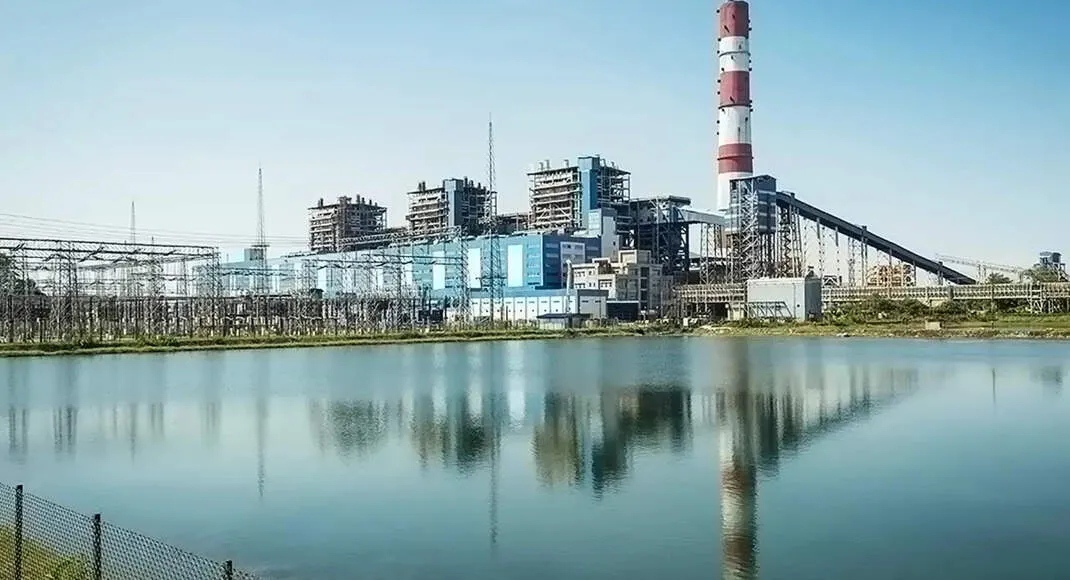
NTPC is drawing up an ambitious green hydrogen roadmap to diversify into clean energy, but early movers face sharp headwinds. Technology uncertainty, high pricing, limited local electrolyser manufacturing and still-maturing regulations could slow scale-up and raise costs. The bet hinges on how quickly costs fall and standards solidify enough for projects to move beyond pilots.
Your news, in seconds
Get the Beige app — every story in 60 words, updated hourly. Free on iOS & Android.
With India’s steel sector responsible for around 35% of industrial CO2 emissions, Tata Steel and JSW Energy are pursuing green hydrogen to produce low-carbon steel. The move could reshape one of the hardest industries to abate, but it comes with massive infrastructure and financing requirements. The question: can their roadmap scale across the sector?
Ankur Scientific says it has strong growth momentum and is laying out aggressive expansion plans. The bioenergy firm is increasing investment in green hydrogen, advanced biofuels, and carbon capture, while growing its global project pipeline. It is also exploring fresh revenue models, including owning assets, to capture more upside from its energy and decarbonization projects.
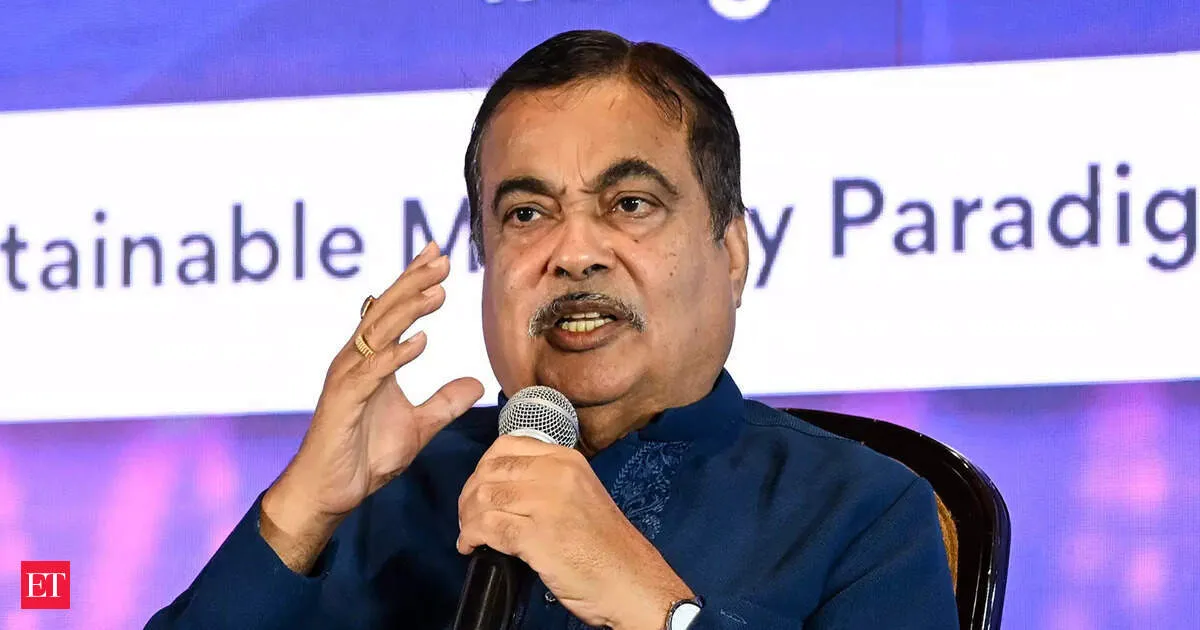
Nitin Gadkari says India should target 100 percent ethanol blending soon to improve energy self-reliance as global oil markets stay uncertain. With India currently importing about 87 percent of its oil, the push will accelerate alternative and biofuel production. Green hydrogen is also flagged as a future fuel option.
India’s Viksit Bharat push by 2047 is at risk if the country continues leaning on imported fossil fuels. The argument: clean energy is essential not just for climate goals, but for economic stability and global influence. Progress in non-fossil power and green hydrogen must be accelerated, with stronger storage and “firm” clean power to secure energy sovereignty and developed-country status.
Never miss a story
Set alerts for the topics and sources you care about. Download Beige for free.
China and India are throwing billions into green hydrogen, building large production capacity as demand and policy support lag in parts of the West. China is pushing for scale to protect industrial dominance, while India leans on subsidies and domestic demand aggregation for energy security. Together, their political resolve and financing are shaping a faster-growing hydrogen market.
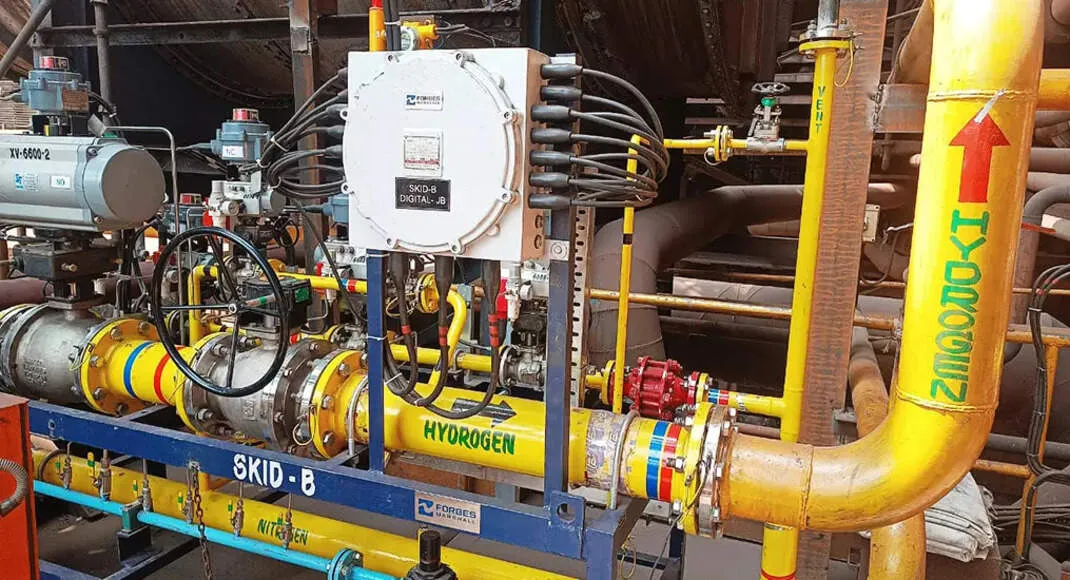
Green hydrogen’s high cost remains the biggest obstacle to mainstream adoption, pushing Indian startups to build indigenous, cost-efficient technology. Even with unorthodox collaborations and deals, scaling is the real test—access to capital, value-chain bottlenecks, and finding and retaining skilled talent could determine whether these solutions can move beyond pilots.
MNRE has issued new guidelines for a scheme under the National Green Hydrogen Mission to fund testing facilities, infrastructure, and institutional support. The initiative, backed by a total budget of Rs 200 crore, targets the creation of new labs and the upgrading of existing ones to ensure safe, secure, and efficient green hydrogen operations.
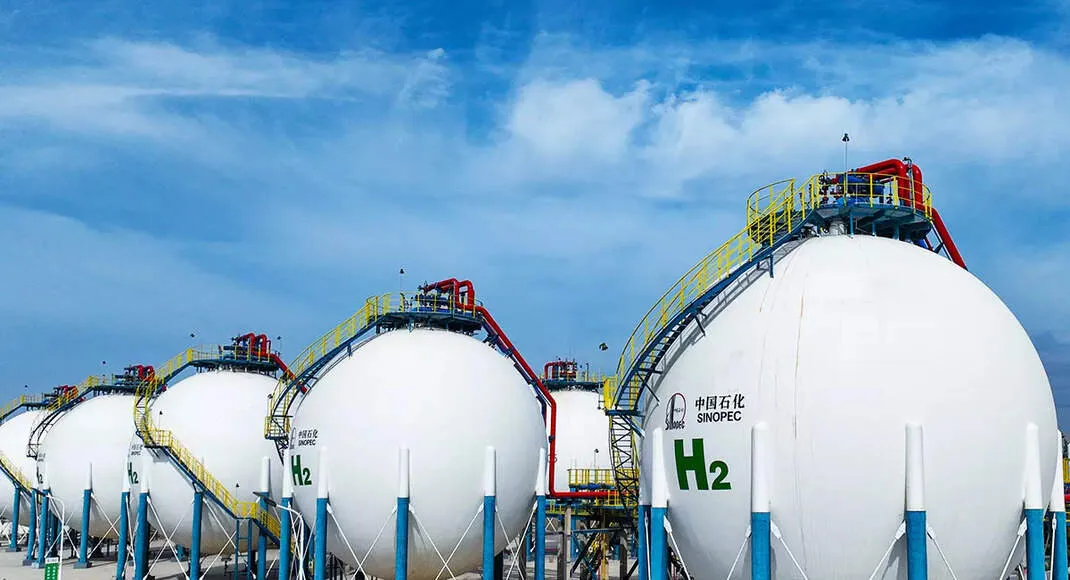
China has begun operations at its mega Kuqa solar-to-hydrogen plant, projected to produce about 20,000 tons of green hydrogen each year. The rollout stands out because it marks the first large-scale use by a Chinese company of solar power specifically for hydrogen production, signaling acceleration in the country’s clean energy and industrial decarbonization push.
Reading on mobile?
Open Beige in the app for a smoother experience — free on iOS and Android.
Swipe through stories, personalise your feed, and save articles for later — all on the app.