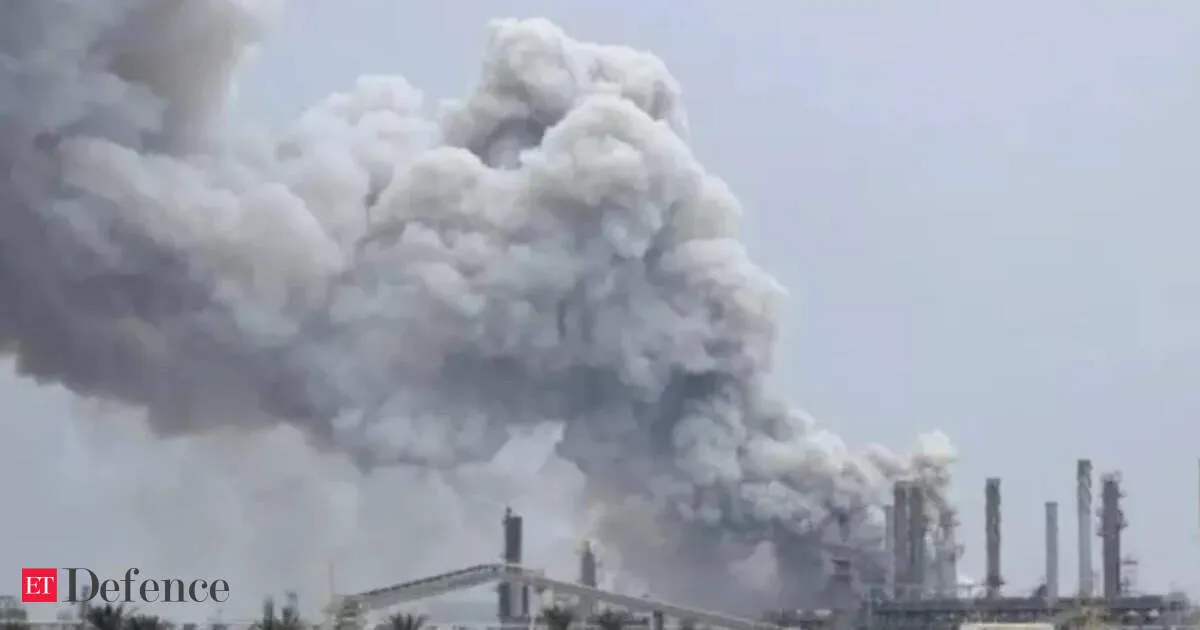
Despite a proposed path to end the war, US and Iran remain locked in rising Gulf tensions after renewed clashes tested a fragile ceasefire. US officials say their intelligence points to Iran’s ability to withstand a naval blockade for months. The UAE has also been targeted, and Washington is still waiting for Iran’s response to the latest offer.
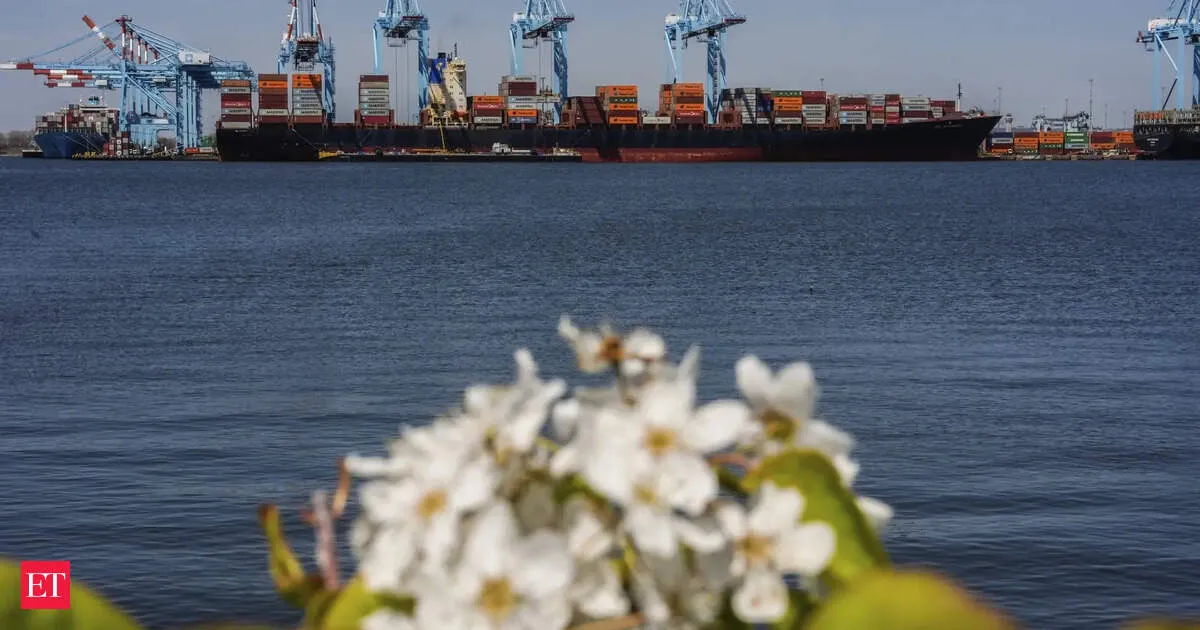
The International Maritime Organization says around 1,500 ships carrying about 20,000 crew are trapped in the Gulf after an Iranian blockade in the Strait of Hormuz. The IMO chief described the situation as dire for “innocent sailors” and urged shipping to avoid the region, warning that continued disruptions could worsen casualties and economic losses.
Your news, in seconds
Get the Beige app — every story in 60 words, updated hourly. Free on iOS & Android.
India’s government is set to strengthen its export tax refund scheme by extending it for another five years and boosting funding. The move targets exporters hit by geopolitical strain linked to the Middle East crisis and rising shipping costs, aiming to keep trade flows resilient and help Indian companies compete globally despite higher logistical pressures.
Iran claims the Strait of Hormuz remains open for all, yet tanker traffic has sharply collapsed. Hundreds of vessels are reportedly idling near the Gulf as insurers and shipowners retreat from the conflict zone, driving shipping costs higher. For India, the statement may sound reassuring, but the economic impact is already showing up in logistics and energy supply risks.
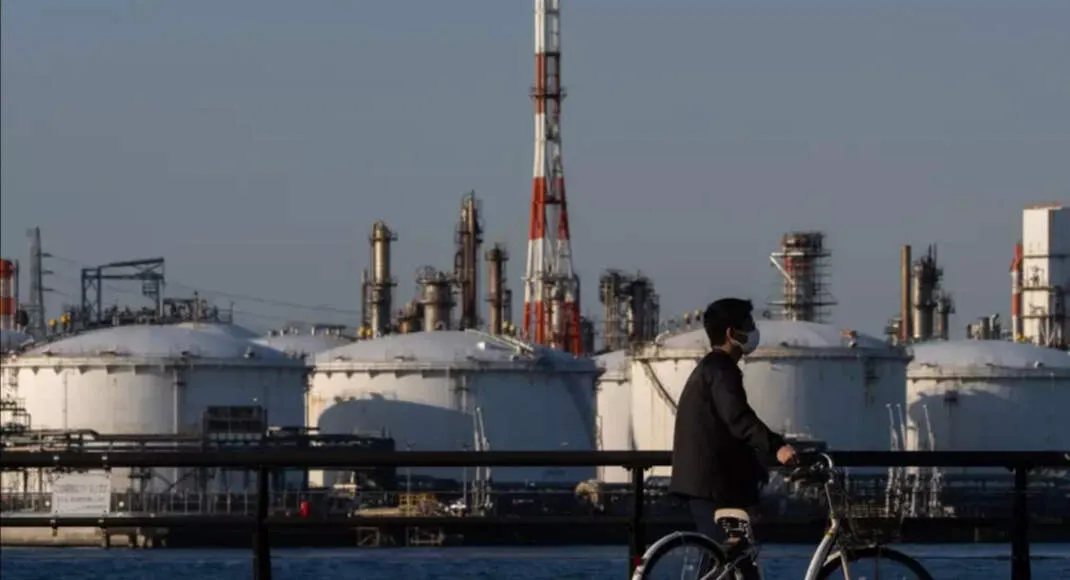
The World Bank projects India’s GDP growth at 6.6% for FY27 and sees an average 7.1% from FY28 to FY29, despite risks from the Gulf conflict. It warns global energy prices could rise, but argues India’s macro strength—bolstered by reserves and low inflation—gives room to absorb shocks. It also stresses private sector growth for jobs and Viksit Bharat goals.
Rising West Asia turmoil is unsettling millions of Indians working abroad, raising fears that remittance inflows to India could fall sharply. Analysts warn a slowdown in money transfers may strain the current account and add pressure to currency health, especially if job security and banking channels remain disrupted amid escalating tensions involving Iran and the US and Israel.
Never miss a story
Set alerts for the topics and sources you care about. Download Beige for free.
Swipe through stories, personalise your feed, and save articles for later — all on the app.