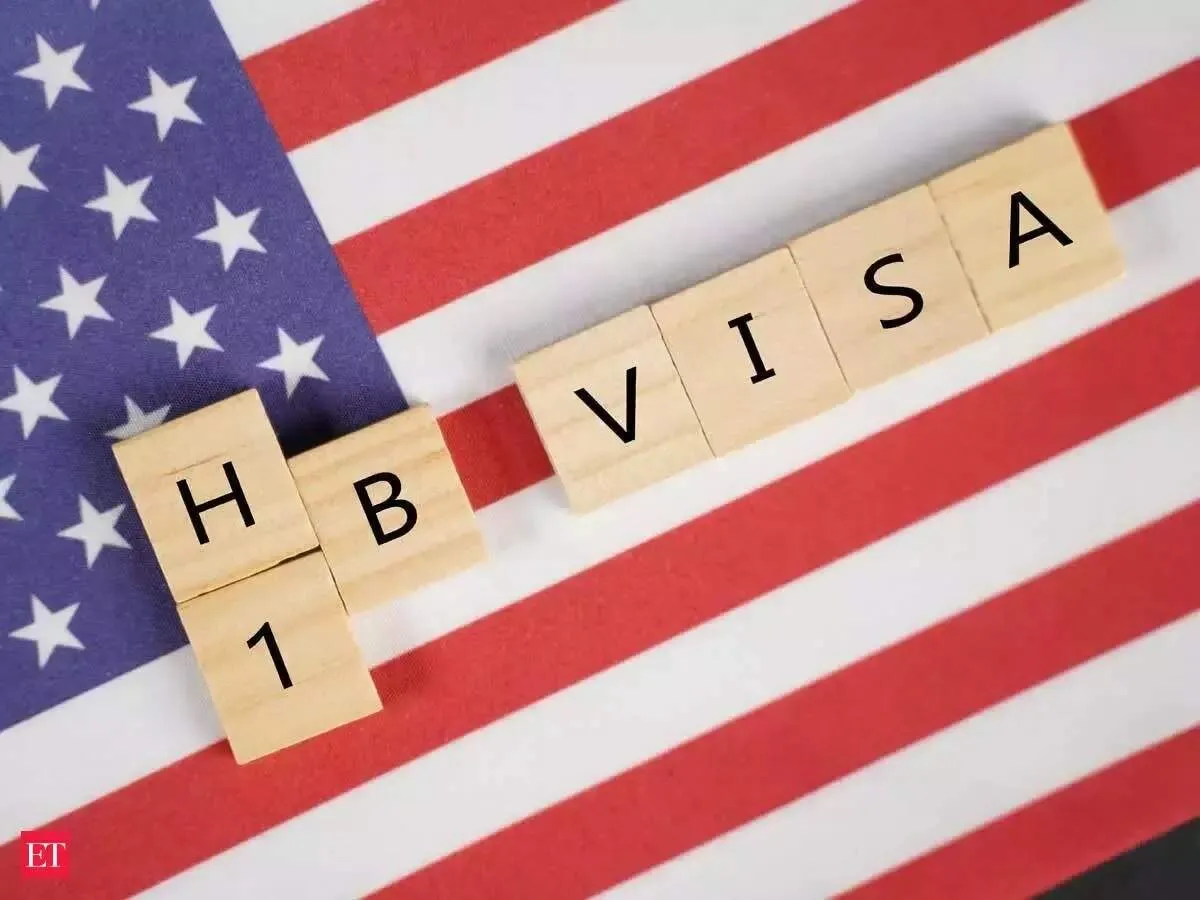
US Senator Eric Schmitt is taking aim at the H-1B and other employment-based visa programs, calling them harmful to American workers and alleging a “Visa Cartel.” He says large tech firms are cutting US roles while relying on foreign hiring through these visas, driving wage pressure and displacement. The controversy is now drawing fresh attention to Hyderabad’s “visa temples” that support applicants.
A Trump administration proposal seeks to sharply raise H-1B visa minimum salaries, including setting an entry level software engineer wage in San Francisco at $162,000. Supporters say it will stop foreign workers from undercutting American pay, but critics warn it could increase employer costs by billions and reduce job opportunities for younger US talent.
Your news, in seconds
Get the Beige app — every story in 60 words, updated hourly. Free on iOS & Android.
As standard US visa and work authorization processing gets slower, many applicants say they have no practical choice but to pay for premium processing. The once optional service is increasingly viewed as a necessity to prevent job loss or status disruption, with people in multiple visa and employment categories facing escalating waits and added costs.
An H-1B tech professional in the US says visa stamping delays kept him from traveling to India for his mother’s final days. Torn between family and finances, he chose to remain in America to protect his children’s future. His account spotlights the hidden, emotional costs of global work—where paperwork can decide who gets a last goodbye.
Texas Attorney General Ken Paxton says nearly 30 North Texas businesses may be misusing the H-1B visa program by operating “ghost offices.” He alleges some companies fake a real operational presence to qualify for sponsorship of foreign workers, and is demanding extensive records to prove compliance. The crackdown is framed as a bid to stop fraud and prevent abuse of the visa system.
Zoho co founder Sridhar Vembu has urged Indians living in the US to “come back home” in an open message that ties growing anti-Indian hostility and a new H1B fee spike to India’s need for tech leadership. He argues individual success abroad cannot replace national R and D investment and says India must be ready to welcome returning talent at scale.
Never miss a story
Set alerts for the topics and sources you care about. Download Beige for free.
US Republican lawmakers have introduced the End H-1B Visa Abuse Act of 2026, proposing a three-year pause on the H-1B visa program. The bill would lower the annual visa cap, raise minimum wages, restrict dependents, replace the lottery with a wage-based selection system, and bar third-party staffing agencies from using the program.
A sudden H-1B visa fee shake-up triggered panic among prospective workers, but a quick clarification exempted existing H-1B holders. With new talent costs rising, today’s workers may gain leverage in an employers market. While some IT firms say dependence on H-1B hiring is easing, experts caution offshore delivery models could still face turbulence.
Trump’s administration has softened the blow from higher H1-B visa fees for India’s IT industry, reducing immediate fallout. Still, firms face a tougher challenge: clients are starting to lock spending budgets for next year amid unpredictable decision-making. The short-term shock may be over, but uncertainty is likely to linger in contracts, hiring plans, and project timelines.
Iowa’s legislature is pushing a bill to restrict public universities and colleges from hiring foreign workers on H-1B visas from countries labeled “foreign adversaries.” The measure passed the House and awaits a full Senate vote, with the stated goal of strengthening national security and prioritizing American workers. Current employees would largely remain unaffected.
Reading on mobile?
Open Beige in the app for a smoother experience — free on iOS and Android.
The U.S. Department of Labor is warning about “body shopping” in the H-1B program, where staffing firms place foreign workers at client sites. Officials say it lets wages be compared against the outsourcing firm’s lower pay levels, potentially widening gaps with U.S. workers. A proposed rule would push prevailing wages higher to close the loophole and tighten compliance.
From April 1, 2026, USCIS will roll out major H-1B updates, including stricter form requirements, higher costs, and greater scrutiny. Most notably, the selection process will shift toward a wage-based system that prioritizes higher salaries and specific skills. Officials say the goal is to better match allocations to labor market needs and spur domestic hiring.
Oracle’s fresh layoffs, paired with investment in AI infrastructure, are putting H-1B workers in a high-stakes situation. After termination, many rely on a short 60-day grace period to find new employment, change immigration status, or leave the US lawfully. Experts stress quick decisions and careful filings to protect legal status during the transition window.
USCIS has wrapped up H-1B selection for FY2027, fully filling the 85,000 annual quota. Employers have been informed and petition filings will open April 1, 2026. The biggest shift: a weighted lottery that favors higher wage offers, replacing the older random selection approach—meaning pay could now decide who gets in.
Follow your favourite sources
Track sources, tags and categories — all in the Beige app.
The US Department of Labor has proposed major H-1B wage rule changes designed to narrow pay gaps by lifting foreign worker compensation by roughly $14,000 a year. The plan revises a four-tier wage benchmark system, which would affect new H-1B applications and reduce concerns that employers use cheaper labor, especially in tech roles.
A proposed US Department of Labor rule has cleared OMB review, putting new H-1B and PERM wage protections on track for Federal Register publication. The economically significant proposal could revise the prevailing wage system, potentially raising minimum salaries for H-1B workers and PERM cases and increasing costs for hiring businesses if adopted.
Indian students are increasingly reconsidering US plans as H-1B approvals face a high-demand bottleneck against fixed annual caps. With long-term residency now hinging on administrative timelines and statistical odds, graduates say uncertainty is reshaping career decisions, pushing more to explore alternative pathways or delay immigration timelines.
While H-1B visa fraud allegations are being amplified, government data doesn’t fully support claims of widespread wrongdoing. Meanwhile, newer US measures have frozen work authorisations and slowed visa processing for nationals of many countries, worsening physician shortages—especially in rural areas. With millions of Americans dependent on these foreign-trained doctors, the policy shift threatens patient well-being.
Stay informed on the go
Bite-sized news from 100+ trusted sources, right in your pocket.
India’s IT sector is facing fresh uncertainty as new US H-1B visa fees threaten to raise costs. Yet leading firms say they’re buffered by strong profits and cash reserves. Meanwhile, the US continues to confront a tech talent shortage, keeping demand high for Indian professionals and reinforcing growth backed by India’s large STEM graduate base.
Since the September introduction of Trump’s 100000 H-1B hiring fee, just 70 employers have reportedly paid it, according to a US lawyer in court. Plaintiffs say the cost blocks small businesses from hiring foreign workers, while the government argues the low uptake shows it is not meant to raise revenue. Judges are now reviewing the policy’s legality.
Swipe through stories, personalise your feed, and save articles for later — all on the app.