Entrepreneur Mahima Jalan says a billionaire client rewired her hiring philosophy: don’t hire “for salary,” hire for “sleep.” The advice reflects how a bad employee creates invisible stress for founders, especially in relationship-driven businesses where trust is slow to earn and easy to erode. Years later, Jalan learned the same lesson when an inexperienced, low-paid hire indirectly cost her a client worth nearly Rs 2 lakh per month. The damage was gradual, showing up as judgment gaps, inconsistent communication, and tone issues.
An IIT Kharagpur graduate claims two job offers were revoked after campus placements, leaving him and other engineering recruits jobless months before graduation. The reason cited: organizational restructuring and changing hiring priorities. The case has reignited fears about job security and is driving students to rethink how much they can rely on candidate loyalty during placement season.
Your news, in seconds
Get the Beige app — every story in 60 words, updated hourly. Free on iOS & Android.
An Indian woman turned down a work-from-home offer after the hiring company demanded all-day webcam access and frequent screenshots every 10 minutes. Her viral question, “Hiring humans or robots?”, has sparked a wider debate on workplace surveillance, trust, and whether remote work is becoming as invasive and stressful as office monitoring—or worse.
Fidelity Investments plans to eliminate about 1,000 roles worldwide, affecting roughly 1% of its 80,000 global workforce. The company frames the move as part of a product and technology reorganization ahead of a new delivery model, while simultaneously hiring software engineers and product talent. Engineering and product teams shift to the new operating structure by June 1.
As AI changes hiring and workplace expectations, institutions are moving from vague intent to verifiable capability. AI certifications are emerging as a benchmark, and structured programs like ET AI-Ready help colleges and universities assess curriculum, faculty strength, and supporting infrastructure—so graduates meet the demands of an AI-driven job market.
Adobe has inaugurated its seventh India office in Noida, adding a new campus for more than 700 employees across engineering and customer-facing roles. The expansion underscores how central India has become to Adobe’s AI-led roadmap and innovation. With over 8,000 employees, India is now Adobe’s largest workforce outside the United States.
Never miss a story
Set alerts for the topics and sources you care about. Download Beige for free.
India’s IT hiring is undergoing a structural shift toward value-led recruitment, not mass hiring. A foundit IT Trends report says AI/ML, cloud, and cybersecurity now drive about 65% of tech demand. Skill-based hiring is set to exceed 70% adoption, with Tier II cities nearing 40% of incremental roles. GCCs will add around 132,000 jobs in 2026.
US jobless claims increased slightly less than analysts expected, pointing to a resilient labor market. Despite pockets of tech-related cuts, overall layoffs remain low and job openings continue to outnumber unemployed workers. With hiring still steady and no clear spillover from oil price shocks, the data suggests stability rather than strain.
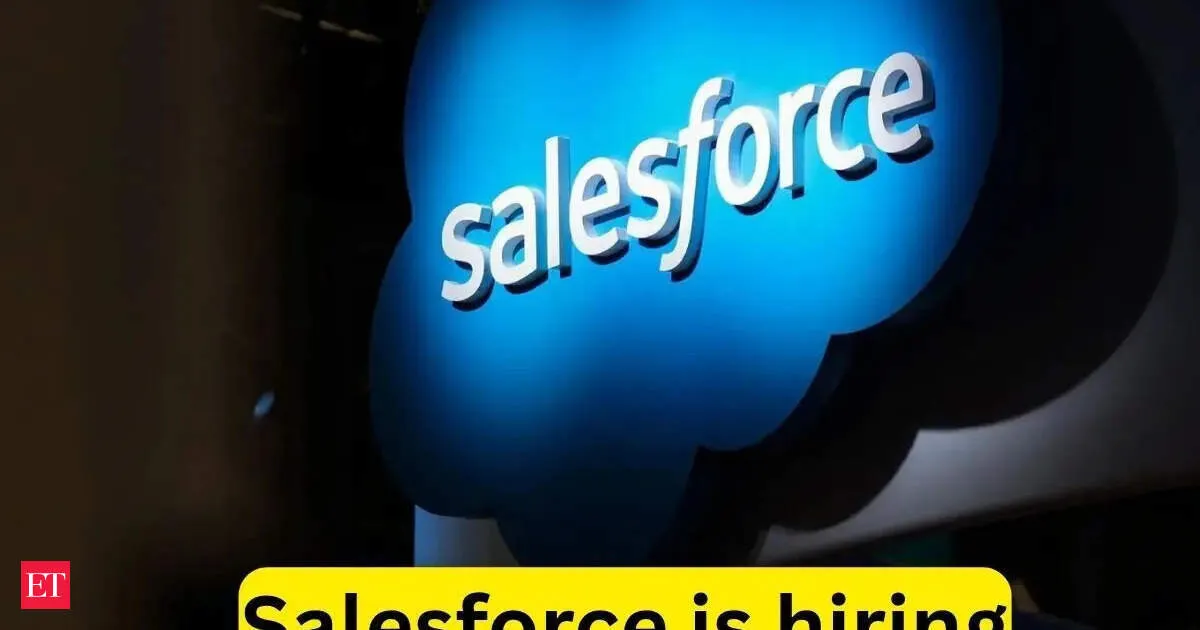
Salesforce CEO Marc Benioff is taking on the claim that AI will erase entry-level work by hiring 1,000 graduates and interns for its Futureforce program. The team will build AI systems behind products like Agentforce and Headless360. Benioff says the move, backed by hiring and unemployment data, shows AI can create early-career opportunities instead of replacing them.
A new report finds many Gen Z workers are struggling and getting pushed out faster in the AI job market as companies change hiring rules. Experts point to fewer entry-level roles, mismatched expectations between young employees and employers, and a shift in what “work” should mean. With AI reshaping workplaces, Gen Z may need to adapt career choices and daily work habits.
Reading on mobile?
Open Beige in the app for a smoother experience — free on iOS and Android.
Match Group, the parent company of Tinder and other dating apps, says it’s slowing hiring for the rest of the year. The reason is straightforward: the firm’s increased use of AI tools is raising costs, and leaders believe the tools “cost a lot of money.” The move signals how quickly AI spending is reshaping corporate budgets.
Top Indian business schools are seeing stronger placement outcomes for the 2026 batch, with average and median salaries trending up at institutes including XLRI, SPJIMR, MDI, TISS, and IMT Ghaziabad. Consulting and finance are leading the rebound as overall recruiter numbers increase, even as technology hiring takes a breather—suggesting a selective recovery rather than a full turnaround.
Amazon says it will recruit 11,000 software engineers, interns, and developers in 2026 even after cutting about 30,000 jobs in 2025 and early 2026. AWS CEO Matt Garman frames it as a workforce rebalancing driven by AI demand, arguing roles are shifting toward systems integration and faster AI-assisted problem solving rather than disappearing.
Amazon’s recent pattern of nearly 30,000 job cuts followed by hiring roughly 11,000 staff marks more than a recovery cycle. The company says it’s building a smaller, more capable workforce focused on AI, cloud infrastructure, and automation. Executives frame the move as a structural shift: roles are being swapped and work reorganized around AI-aligned talent.
Follow your favourite sources
Track sources, tags and categories — all in the Beige app.
Amazon has announced large-scale layoffs affecting tens of thousands while simultaneously planning to hire around 11,000 software developers and interns in 2026. AWS CEO Matt Garman says AI isn’t replacing people, arguing it automates repetitive tasks so developers can shift to more complex work and move faster. The timing raises the bigger question: who is being changed, and how?
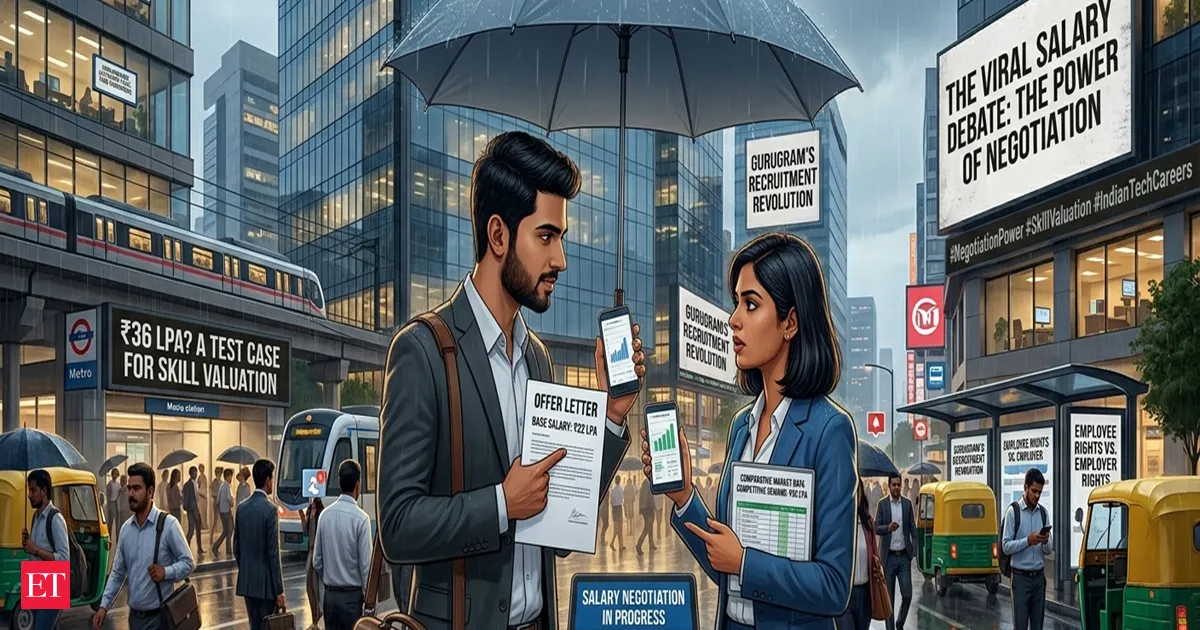
A Gurugram startup CEO, Jasveer Singh, sparked debate after posting about a backend hire who accepted an offer of 28 LPA with a 33% hike, then demanded 36 LPA just two days before joining after getting another offer. The CEO said the candidate’s sudden change led the company to pause other interviews, calling it “nonsense.”
Salesforce CEO Marc Benioff says the company will hire 1,000 new college grads and interns, directly challenging claims that AI is wiping out entry-level jobs. The announcement comes as major software firms cut staff and amid predictions that AI could hit junior white-collar roles hardest. Benioff says the hires will build AI products like Agentforce and Headless360.
Amazon is testing agentic AI interview software that can automatically conduct fast recruitment sessions for seasonal roles. The effort comes alongside a new design idea called “humorphism”, aimed at keeping a human touch in AI interactions. The move signals Amazon’s bid to scale hiring while reshaping how candidates experience AI-driven screening.
Stay informed on the go
Bite-sized news from 100+ trusted sources, right in your pocket.
A 21-year-old Khaled Sharif, once a topper at Kingston University, has shared his struggle to land work in the UK after spending over ₹1 crore on a degree. He applied to nearly 500 jobs but got fewer than 20 interview calls, prompting him to widen his search beyond his field. He blames an oversupplied graduate market, reduced hiring, and possible misconceptions about work eligibility.
A job seeker joined an interview only to find the recruiter absent. When asked, the recruiter allegedly offered a confusing explanation. The candidate’s firm public response, shared online, quickly went viral, sparking debate about professionalism, mutual respect, and accountability in hiring practices.
Swipe through stories, personalise your feed, and save articles for later — all on the app.