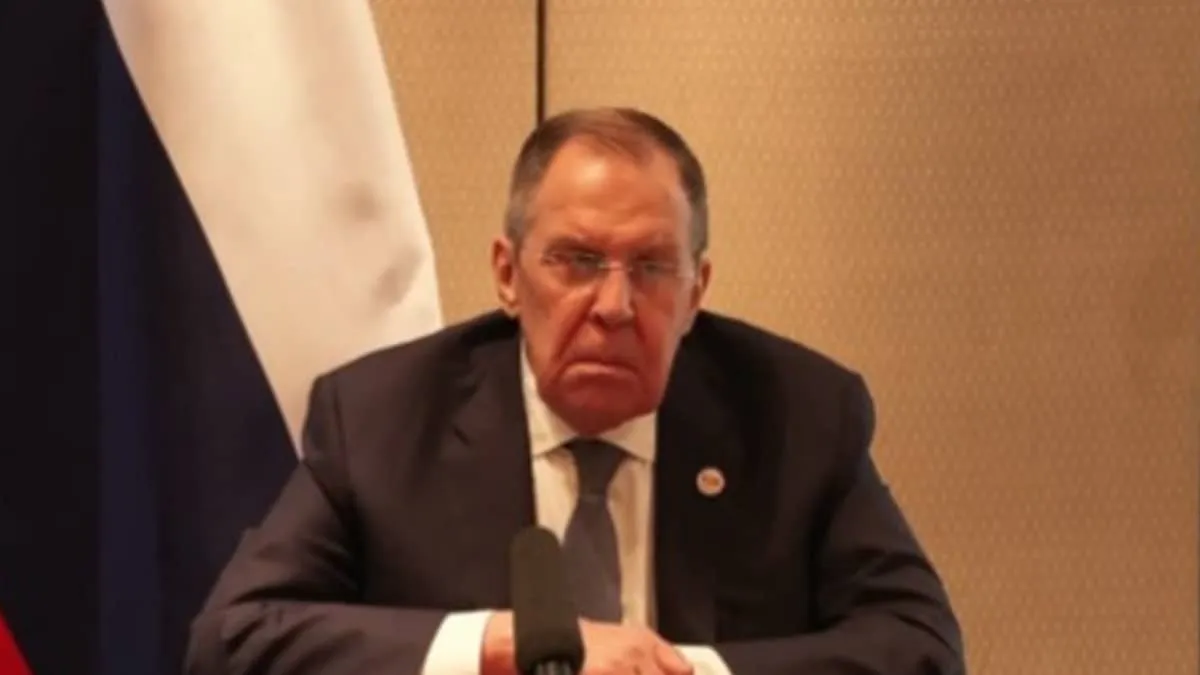
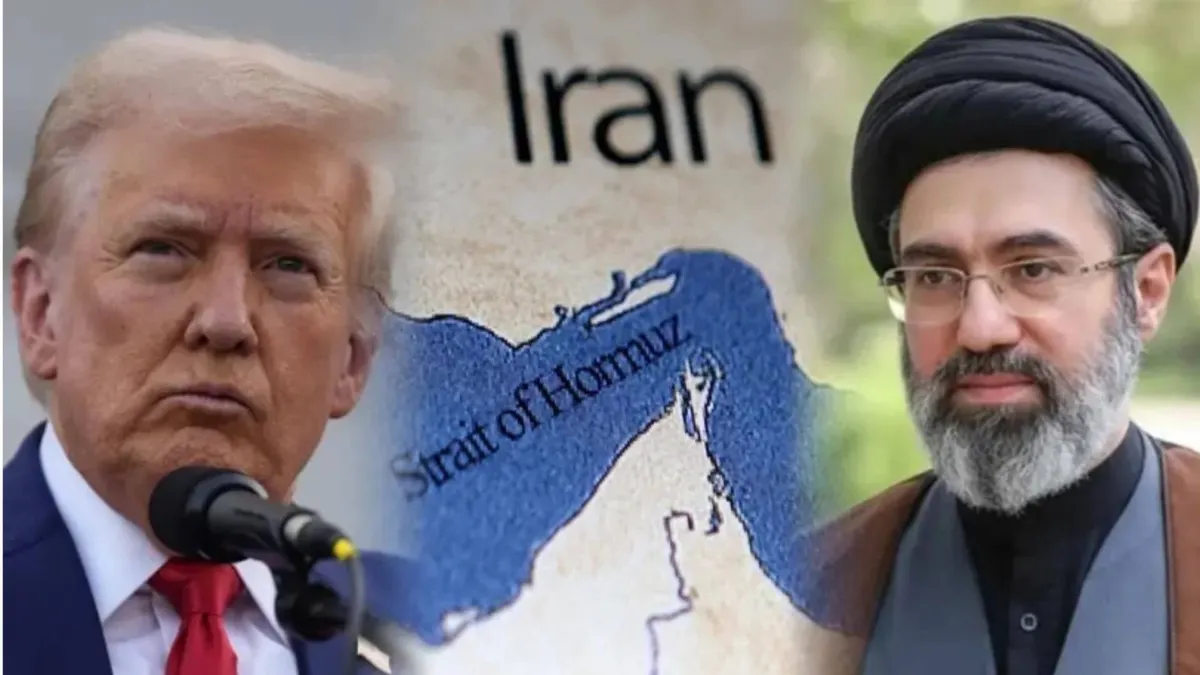
Russian Foreign Minister Sergey Lavrov told reporters in Delhi that the Strait of Hormuz crisis was not caused by Iran, arguing the problem emerged only after US and Israel launched aggression before February 28, 2026. At the BRICS summit’s closing event, Lavrov said Iran had no prior issues with navigation and called for addressing root causes. He also urged long-term mediation role for India, saying it could bring UAE and Iran to dialogue while Pakistan’s efforts focused only on urgent talks.
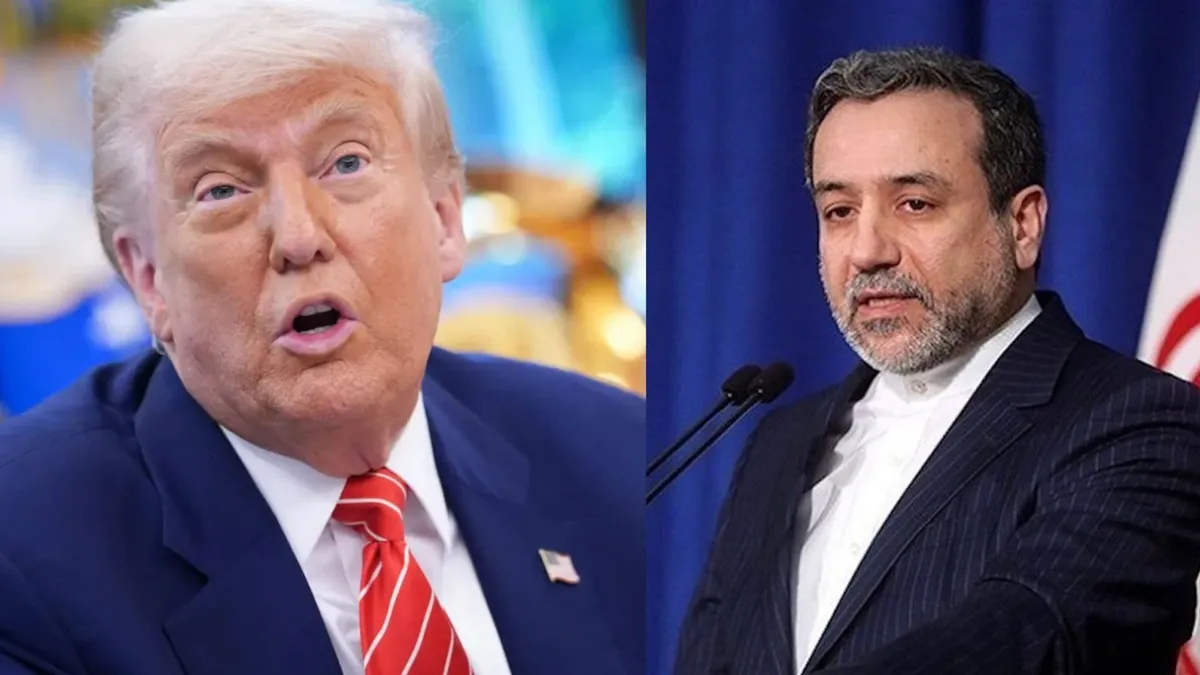
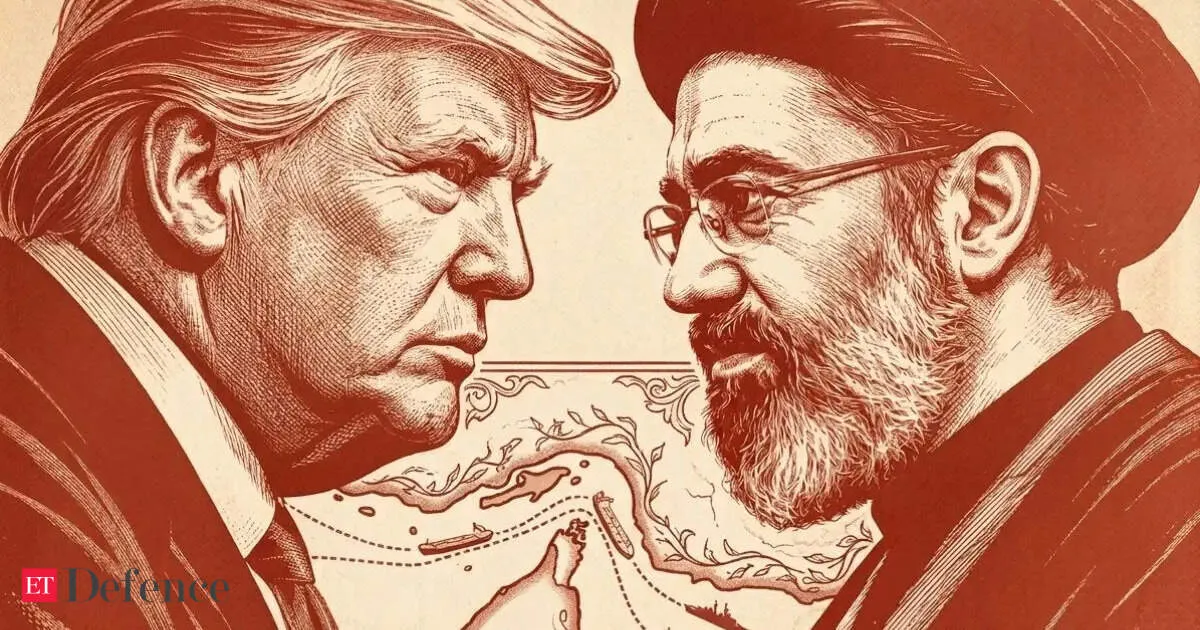
Iranian Foreign Minister Abbas Araghchi accused the United States of acting in “bad faith” amid rising Hormuz crisis tensions, arguing that lack of trust in Washington is the main barrier to peace. The remarks came as leaders in the UAE and Saudi Arabia discussed regional security amid escalating risk in the area. Meanwhile, Trump claimed Iran’s military is “gone.”
Your news, in seconds
Get the Beige app — every story in 60 words, updated hourly. Free on iOS & Android.
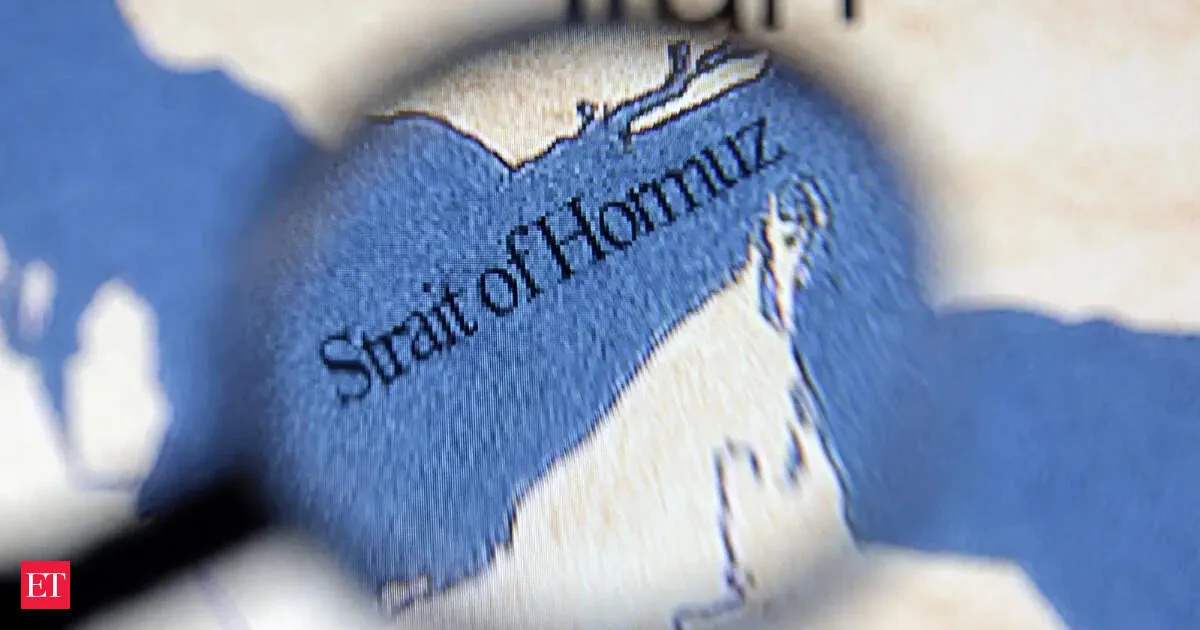
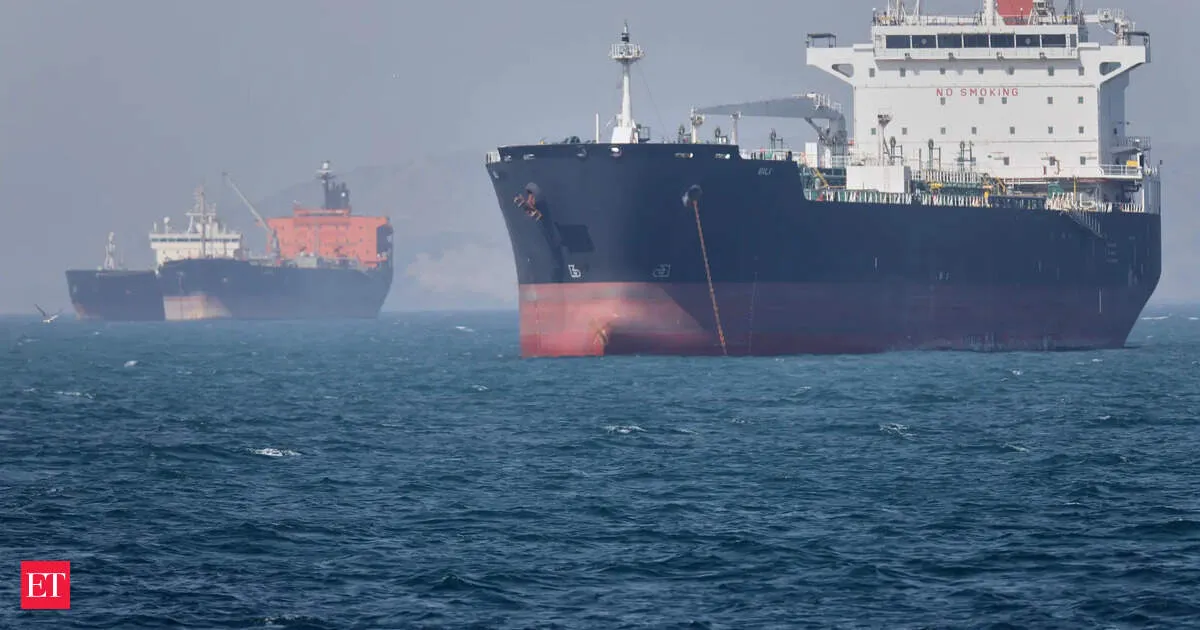
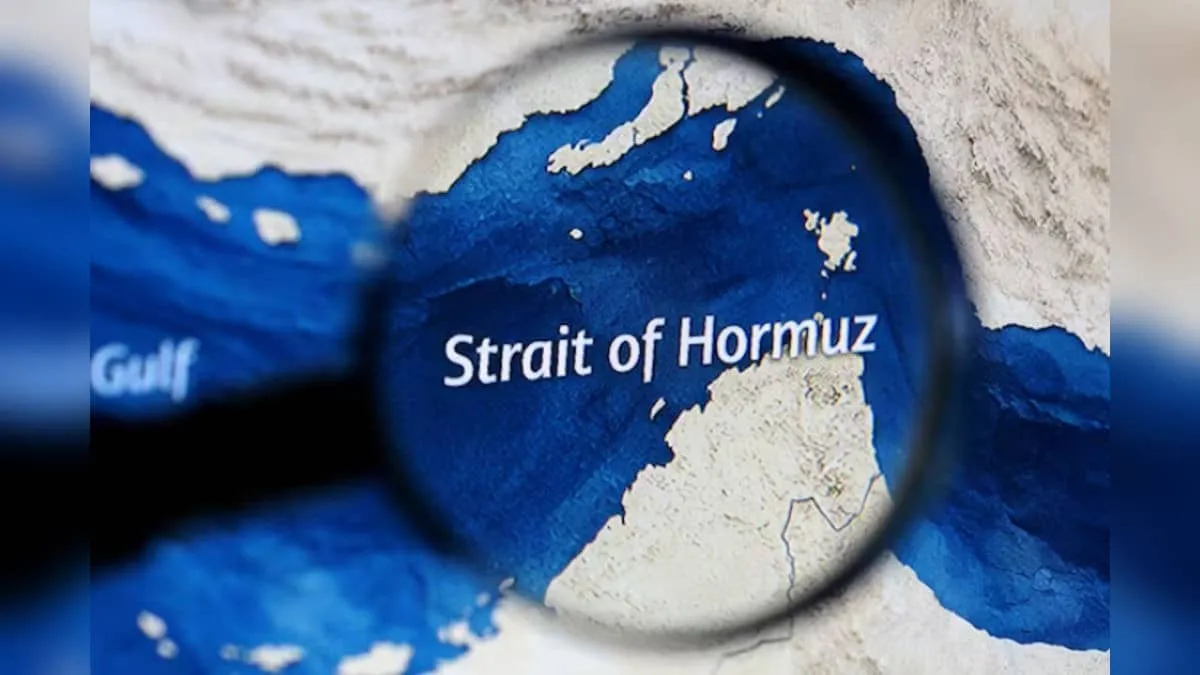
Iran now controls passage through the Strait of Hormuz, a move that could persist long after the present conflict ends. Gulf exporters and buyers fear Iran could dictate oil and gas flows, raising price and supply risks. The United States is pushing back against the shift, while the wider region watches to see who gains lasting control of the world’s key chokepoint.
A UN task force warns that tens of millions could face hunger if fertilizer shipments are blocked through the Strait of Hormuz. The disruption comes as Iran retaliates amid a wider US Israel conflict, squeezing a trade route crucial to global food production. The UN says political will from key countries is needed to reopen passage and prevent a humanitarian crisis.
A second Qatari LNG tanker, Mihzem, is transiting the Strait of Hormuz toward Pakistan after an earlier ship cleared the route. The passage is allowed under an Iran-approved arrangement that permits Qatari cargoes to cross case by case, with Pakistan acting as a mediator. The move underscores how energy shipments continue despite escalating conflict risks around the waterway.
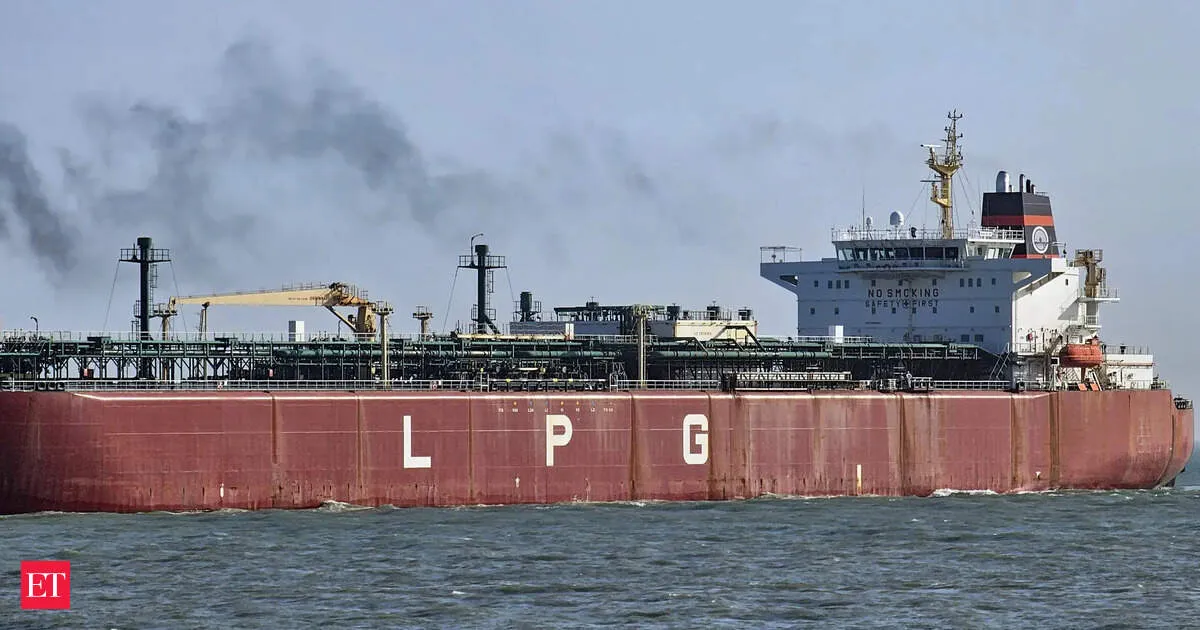
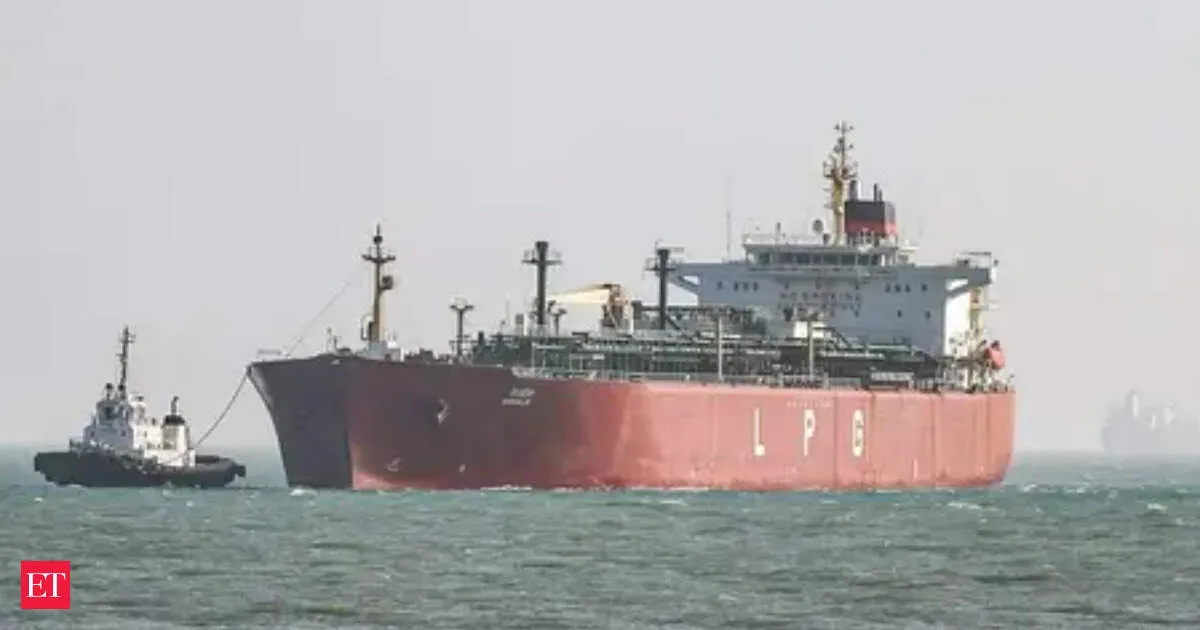
The LPG carrier Tara Gas, linked to prior Iranian cargoes, is transiting the Strait of Hormuz while declaring Indian crew and ownership. Fully laden and moving via a Tehran-approved route, it underscores how ships use declared identities and sanctioned pathways to navigate out of the Persian Gulf during heightened blockades and enforcement pressures.
Never miss a story
Set alerts for the topics and sources you care about. Download Beige for free.
Iran has formally submitted its response to a US proposal aimed at ending the Persian Gulf conflict, but Donald Trump rejected it as “totally unacceptable.” Tehran characterized the US approach as surrender and is pushing for reparations and control of Hormuz, as drone attacks, naval blockades, and stalled nuclear-stockpile talks keep tensions escalating.
South Korea says two unidentified aircraft struck the HMM Namu cargo ship in the Strait of Hormuz, causing flames and smoke. Seoul’s foreign ministry made the claim on Sunday, after the fire-damaged vessel reached Dubai. The ministry says the aircraft hit the port-side ballast tank’s outer plate at roughly one-minute intervals, escalating concerns over maritime security.
President Donald Trump is recalibrating his approach to Iran by putting the reopening of the Strait of Hormuz first. The Strait is vital for global oil and gas shipments. Meanwhile, Trump is postponing the tougher negotiations over Iran’s nuclear and missile programs, signaling a strategy shift that could reshape timing and leverage in the standoff.
Iran has condemned a United States backed draft UN Security Council resolution focused on the Strait of Hormuz, rejecting claims that it protects freedom of navigation. Tehran says Washington is advancing a political agenda to legitimize unlawful actions, and links the move to US President Donald Trump alongside Gulf partners including Bahrain, Saudi Arabia, UAE, Kuwait and Qatar.
Reading on mobile?
Open Beige in the app for a smoother experience — free on iOS and Android.
India is sustaining strong refinery operations even as Strait of Hormuz tensions disrupt global energy markets. S&P Global Energy says the key has been aggressive crude diversification, shifting purchases across multiple sources and raising significant Russian oil imports. This strategy is helping protect domestic fuel supplies, keeping refineries running at steady, resilient levels despite mounting pressure in the energy system.
An uneasy calm follows the US-Iran ceasefire, but tensions have flared again in West Asia. The latest violence followed President Donald Trump’s “Project Freedom,” framed as humanitarian navigation help for neutral ships stuck near the Strait of Hormuz. Despite US assistance and two warships entering the Gulf, merchant vessels still faced threats, raising doubts about the truce’s durability.
Oil prices jumped nearly 3% as Brent climbed to a one-month high, driven by reports that the US may extend its blockade of Iranian ports. Traders warn the move could prolong supply disruptions tied to the Hormuz region, tightening flows from a major Middle East oil-producing corridor and pushing prices higher.
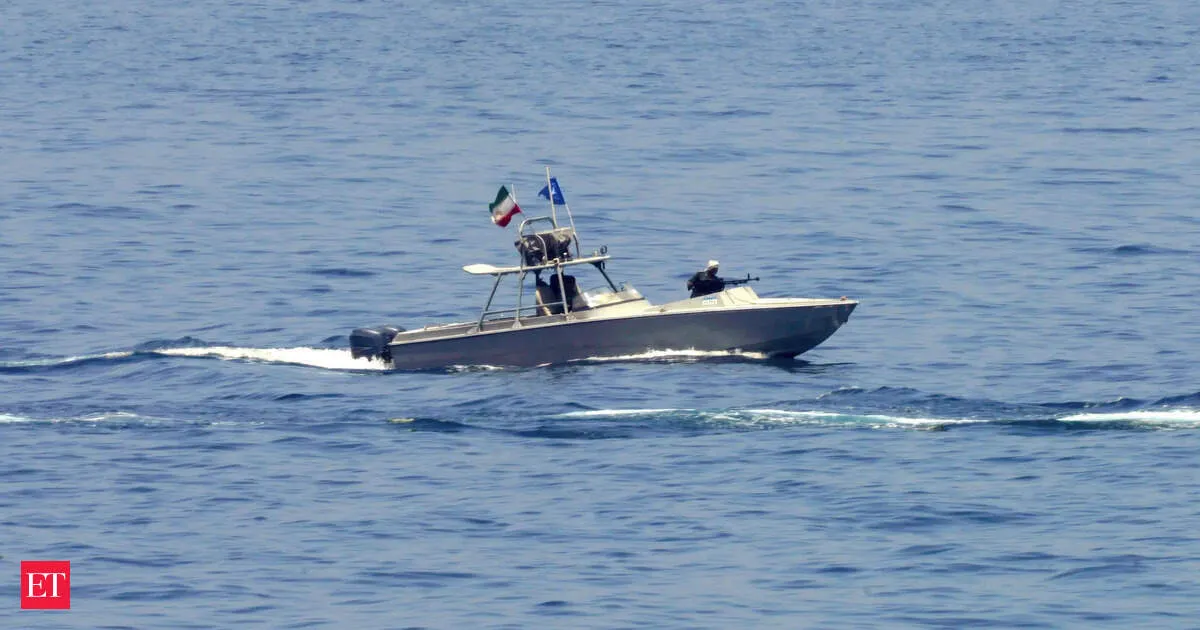
Five Indian seafarers aboard the Liberian-flagged MV Barakah are safe after a tense incident in the Strait of Hormuz, where the ship reportedly faced a confrontation involving the Iranian Navy. Indian officials said there is no immediate harm to the crew, offering reassurance amid heightened security in one of the world’s busiest shipping lanes.
Follow your favourite sources
Track sources, tags and categories — all in the Beige app.
An India-bound LPG carrier, MT Sarv Shakti, has successfully transited the Hormuz Strait, a key chokepoint that saw recent disruptions. The vessel carrying LPG is expected to reach Visakhapatnam soon. While multiple Indian-flagged ships had been stranded, some LPG and crude oil carriers have managed to cross safely since the crisis began.
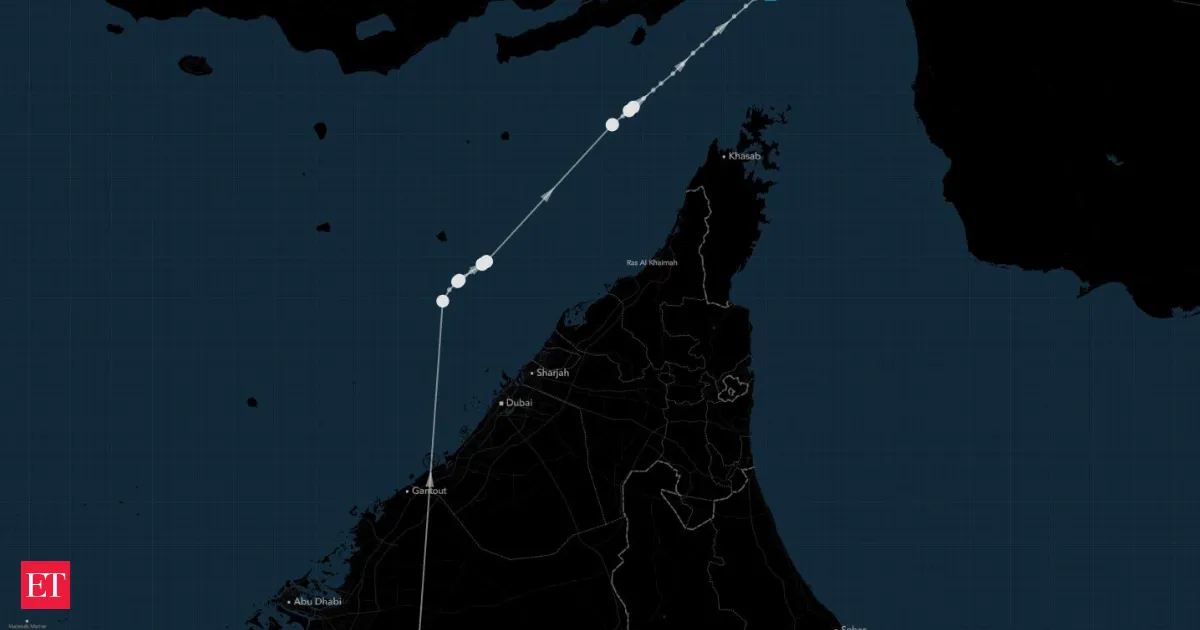
An India-linked supertanker, Sarv Shakti, is attempting a rare transit through the Strait of Hormuz while carrying vital LPG supplies. If it succeeds, it would be the first observed India-linked tanker passage since a US blockade started. The move underscores India’s push to ease a severe energy crunch and address worsening LPG shortages.
The US Treasury has issued a warning to global shippers that paying Iran any tolls for safe passage through the Strait of Hormuz—or donating money in the process—could expose them to US sanctions. The advisory follows Iran’s proposal to charge for passage and its fresh negotiation message to the US delivered via Pakistani mediators.
UAE officials say Iran cannot be trusted over the Strait of Hormuz, citing unilateral actions and deepening mistrust. The key shipping route is at risk of a blockade, threatening global oil flows and market prices. Reports of possible new US strikes add further uncertainty as Iran vows a forceful response, while peace talks remain stuck with no near-term breakthrough.
Stay informed on the go
Bite-sized news from 100+ trusted sources, right in your pocket.
The Trump administration is reportedly building an international coalition called the Maritime Freedom Construct (MFC) to restore freedom of navigation in the Strait of Hormuz. A joint State Department and Pentagon effort will reportedly seek diplomatic, intelligence, and naval help from partner nations, while excluding U.S. adversaries. The goal is long-term energy security after recent shipping disruptions.
US Central Command has reportedly drawn up plans for limited strikes on Iran to break a deadlock in nuclear negotiations, even as President Trump has not authorized any military action. Trump is said to prefer a naval blockade strategy, which Iran warns could trigger unprecedented retaliation if pressure continues.
Swipe through stories, personalise your feed, and save articles for later — all on the app.