India’s bankruptcy process under the IBC is plagued by long delays, with cases lingering for years. RBI now proposes tightening timelines by changing key wording: moving from “may” to “shall” for whether authorities admit insolvency applications. An amendment bill incorporating the regulator’s suggestions is expected to be tabled in the upcoming budget session.
The Centre has promulgated an ordinance amending the Insolvency and Bankruptcy Code to introduce pre-packaged insolvency for MSMEs. Under the change, a firm prepares a restructuring plan in coordination with creditors before formal insolvency proceedings start. The goal is to reduce delays and overall costs by front-loading negotiations and speeding up resolution.
Your news, in seconds
Get the Beige app — every story in 60 words, updated hourly. Free on iOS & Android.
An amendment to India’s Insolvency and Bankruptcy Code is being proposed to introduce “prepack” resolutions for MSMEs. The alternative framework aims to make insolvency outcomes quicker and more cost-effective than traditional processes, potentially reducing delays and legal expenses for small businesses facing financial stress.
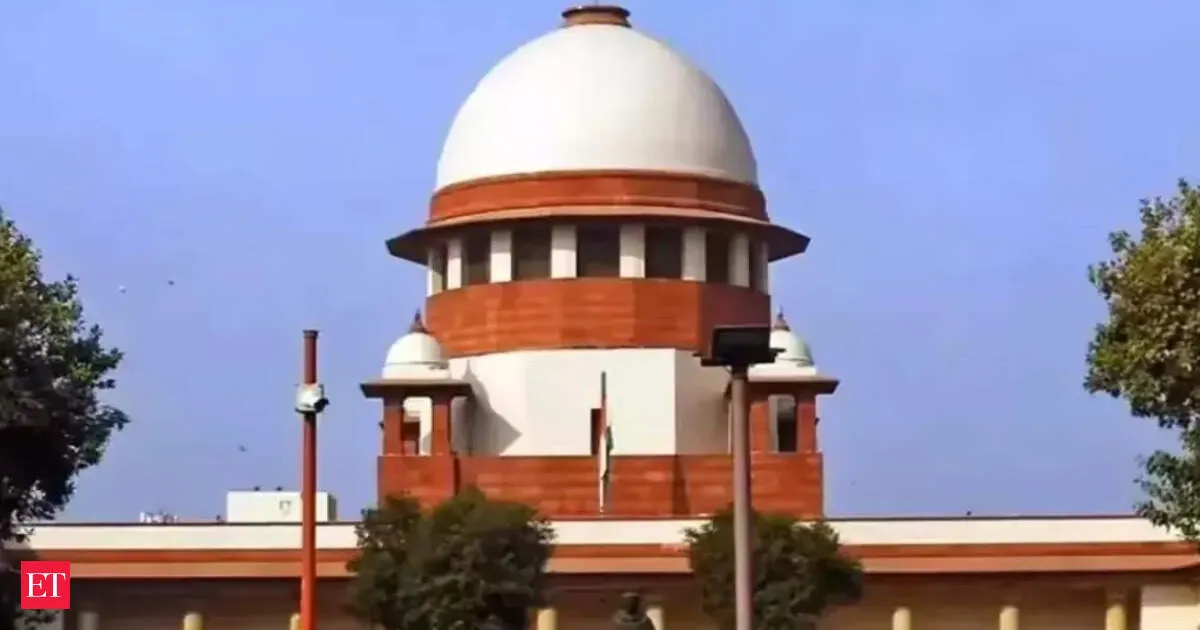
The Supreme Court has emphasized that India’s Insolvency and Bankruptcy Code is designed not just to resolve insolvencies, but to actively promote investment. It highlighted the code’s time bound approach for corporate persons, firms, and individuals, reinforcing that swift resolutions can strengthen investor confidence and improve India’s global appeal.
Gensol twins are reportedly considering a move to the NCLT to seek resolution under India’s Insolvency and Bankruptcy Code. Analysts say pursuing IBC options could benefit the company and its broader stakeholder base, including lenders and other creditors, by enabling a structured resolution process. The next decision could determine how claims and revival plans play out.
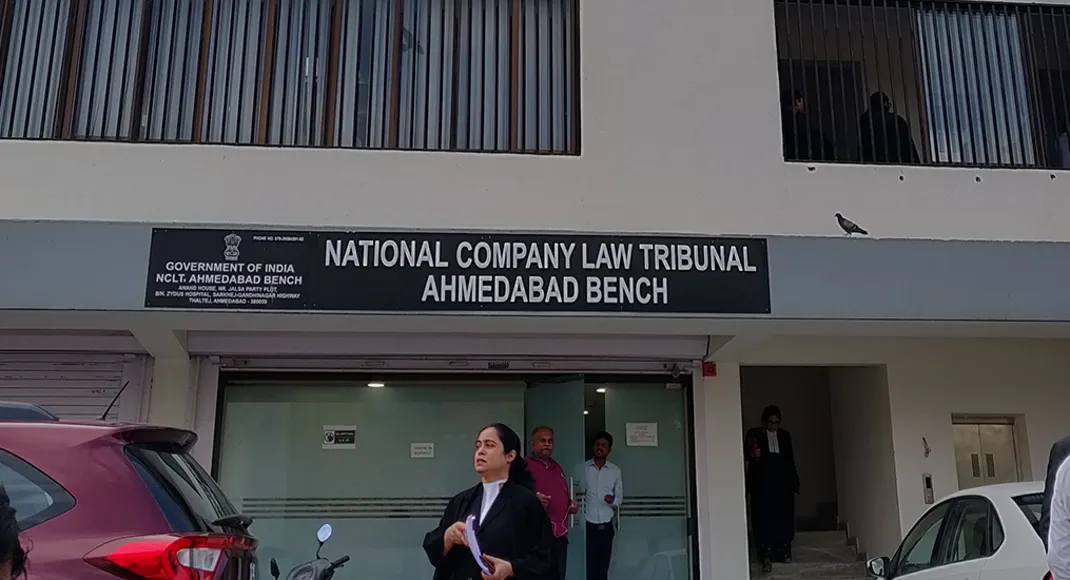
With the Supreme Court sharply targeting procedural delays in IBC cases, attention is turning to how tribunals function in practice. NCLT is set to strengthen capacity with 20 new members across 16 benches, aiming to speed up case disposal and cut pendency. The push comes as stakeholders expect better timeline adherence and faster outcomes.
Never miss a story
Set alerts for the topics and sources you care about. Download Beige for free.
The Supreme Court reiterated that India’s insolvency framework under the IBC is not meant for routine debt recovery. It cautioned that insolvency proceedings carry serious consequences and should be invoked only where there is genuine financial hardship, not as a convenient alternative to recover dues. The ruling is expected to shape how courts assess misuse of insolvency filings.
The Centre has notified a framework for prepackaged insolvency resolution for MSMEs under the Insolvency and Bankruptcy Code. However, it has not yet set or notified the threshold amounts needed to trigger prepackaged insolvency. The move provides a legal pathway, but businesses may still face uncertainty until the key thresholds are announced.
India’s government is considering operational changes to the Insolvency and Bankruptcy Code after an expert panel’s recommendations. The panel urges broader use of digital tools— including virtual meetings of the committee of creditors and deployment of AI—arguing they save time and can remain even once normal operations fully resume.
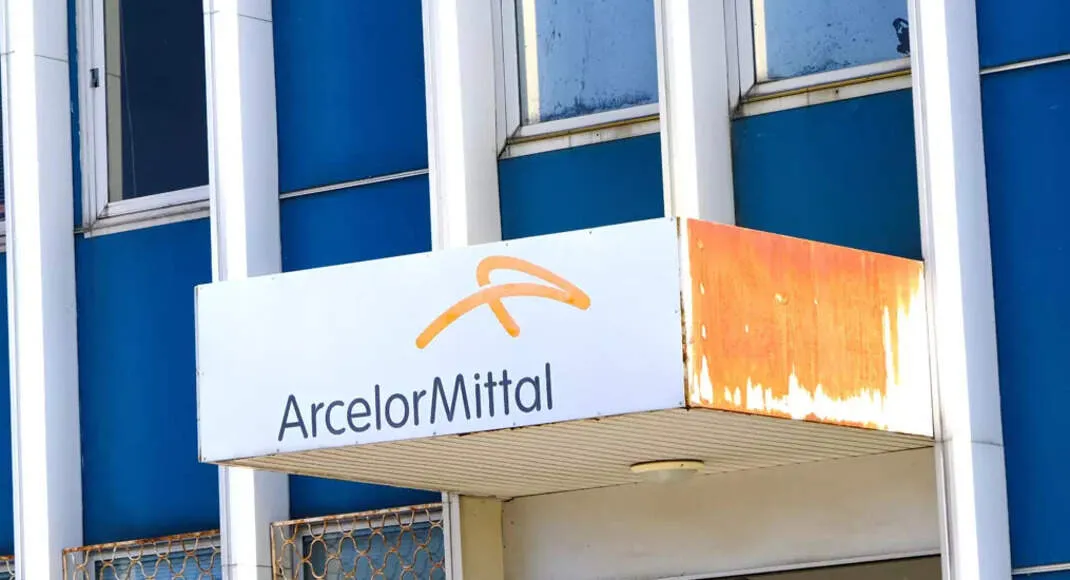
ArcelorMittal India is facing an enquiry after allegations of stamp duty irregularities linked to KSS Petron, a group company. Creditors claim stamp duty was wrongly handled during the assignment of loans ahead of KSS Petron’s acquisition of Essar Steel under the IBC. The matter is now under review, with scrutiny on how the duty was paid during the lead-up to the deal.
Reading on mobile?
Open Beige in the app for a smoother experience — free on iOS and Android.
Swipe through stories, personalise your feed, and save articles for later — all on the app.