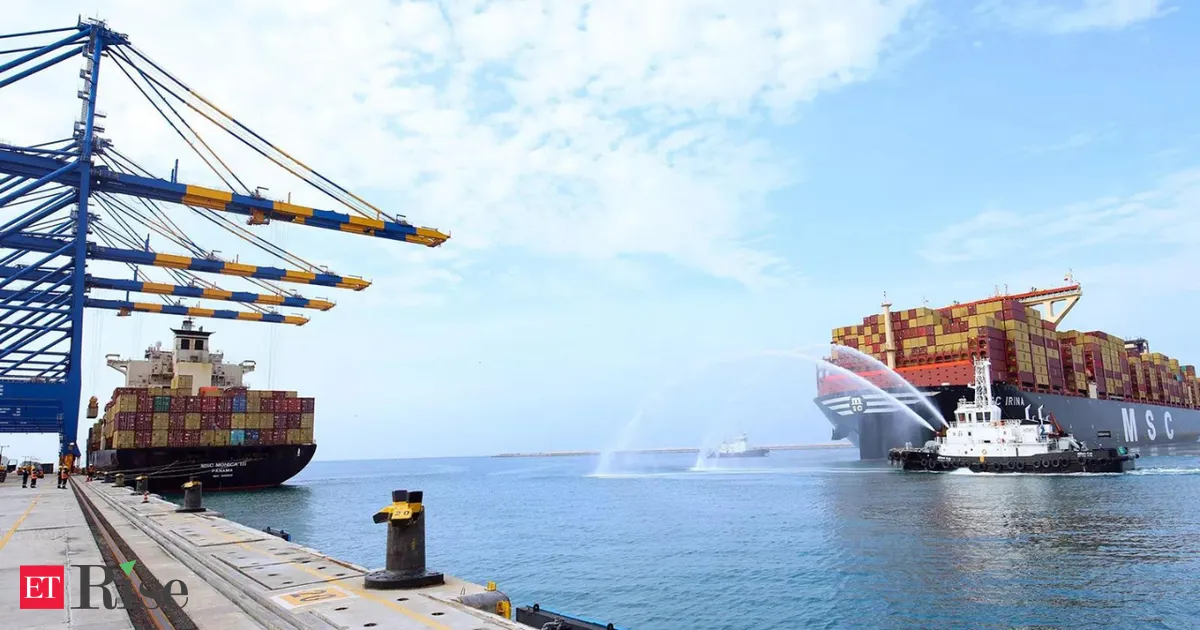
A Hormuz-area shutdown tied to the Iran war is accelerating the global drawdown of oil inventories, worsening supply disruptions expected to last months. The IEA warns stocks are falling at a pace not seen since the Covid period, while demand is plunging and oil prices face sustained pressure. Some early signs hint the drawdown may start easing, but tightness could persist into October.
The International Energy Agency says the global oil market is likely to tighten this year as the Iran war disrupts Middle East production. The IEA estimates major supply losses and forecasts a deficit of about 1.78 million barrels per day by 2026, while demand is expected to soften due to higher prices and an economic slowdown tied to the conflict.
Your news, in seconds
Get the Beige app — every story in 60 words, updated hourly. Free on iOS & Android.
IMF, World Bank and IEA leaders are urging countries to let energy stocks flow freely to global markets and avoid export controls that can tighten shortages. They say countries facing severe supply impacts are being consulted on concerns, as policymakers seek to keep fuel and energy availability steady during periods of volatility and risk.
The IEA reports that global emissions growth slowed in 2025, driven largely by rapid solar expansion in developing countries. While advanced economies saw emissions rise, the new solar capacity helped offset that increase. India recorded an emissions fall for the first time in typical economic conditions, China also cooled due to solar additions, but the United States bucked the trend with rising emissions.
The IEA chief says the global energy crisis is rooted in a deep disruption that won’t clear immediately, even if war ends soon. Restoring energy security will take considerable time, with lingering effects on supply chains, markets, and confidence worldwide—turning a potential ceasefire into only a partial relief.
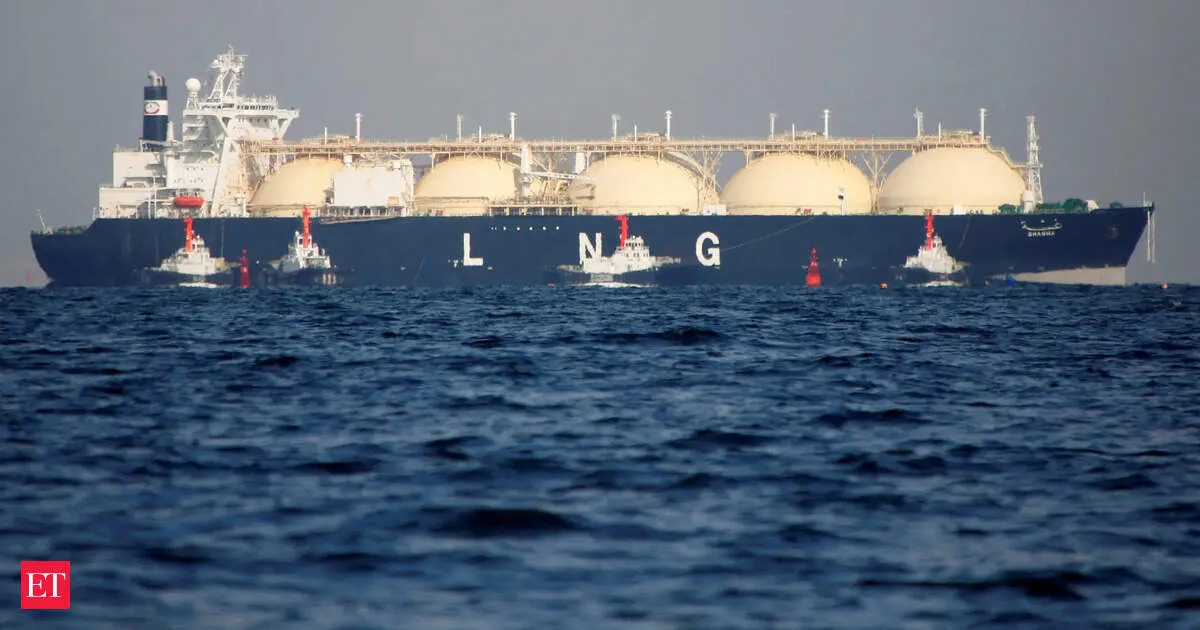
The IEA warns that global LNG markets will stay tight until 2027 as Middle East conflict disrupts supply and pushes back new capacity. Shipping disruptions have removed nearly 20% of LNG supplies, driving price spikes. With Europe reducing gas demand and Asia shifting fuels, further delays in Qatar’s infrastructure could deepen supply shortfalls.
Never miss a story
Set alerts for the topics and sources you care about. Download Beige for free.
Swipe through stories, personalise your feed, and save articles for later — all on the app.