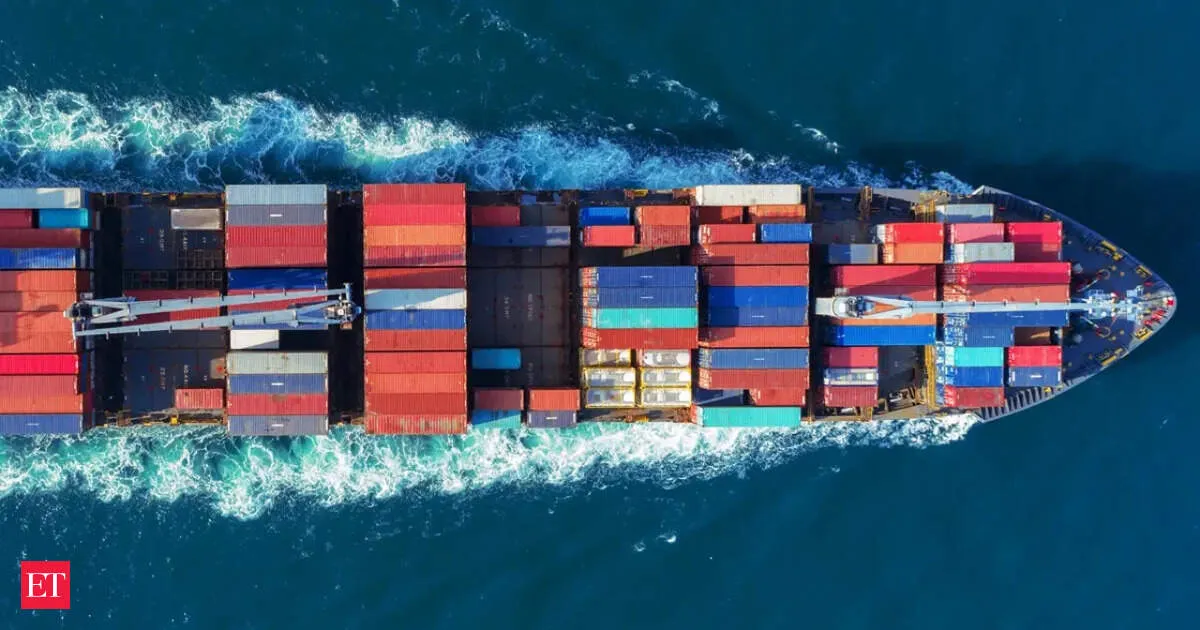
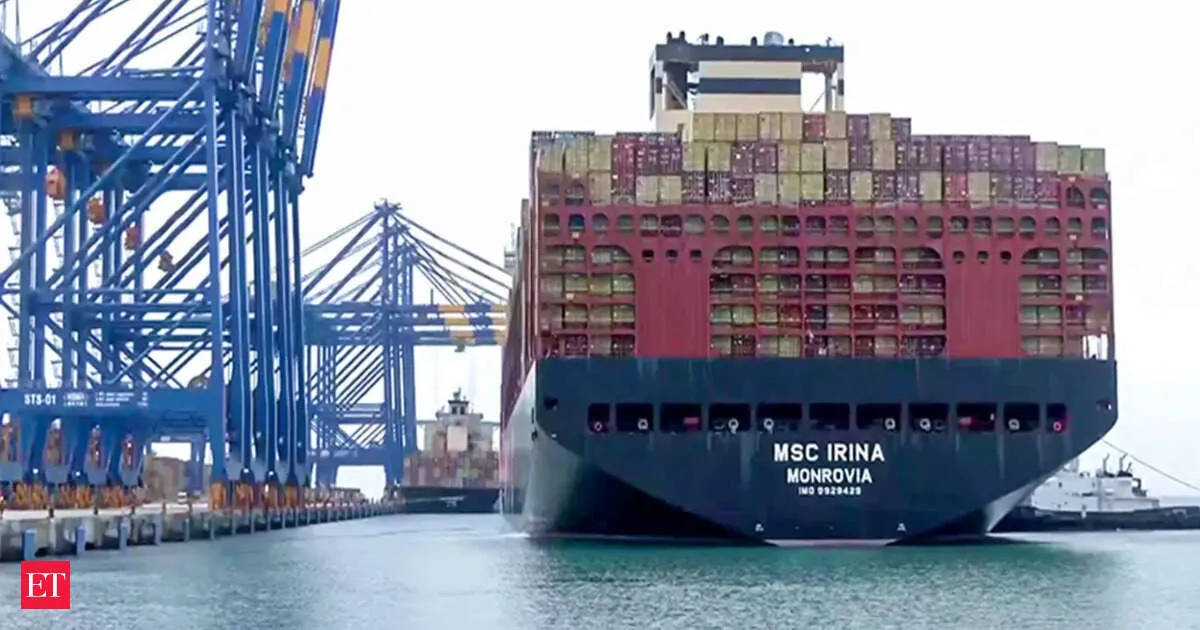
India’s goods exports grew 13.78% year on year to $43.56 billion in April, their highest monthly level in more than four years, powered by electronics, engineering goods and petroleum. Yet imports rose 10% to $71.94 billion, pushing the trade deficit to a three-month high of $28.38 billion. The surprising twist: outbound shipments to West Asia fell over a quarter as geopolitical disruptions continued, while inbound movement via the region weakened further.
Air-conditioner and refrigerator makers in India are warning that new restrictions on compressor imports may trigger shortages later in the year. The DPIIT order links this fiscal’s imports to FY25 volumes, allowing tighter caps for AC and refrigerator compressors and setting higher limits only above two-tonne capacity. Industry says domestic compressor production—especially above two tonnes—remains too low, while products need months of testing, leaving little room to switch suppliers quickly.
Your news, in seconds
Get the Beige app — every story in 60 words, updated hourly. Free on iOS & Android.
As more Indians book overseas vacations, foreign travel spending is adding pressure to the rupee, pushing the government toward interventions that are difficult to design without collateral damage. The editorial argues that while domestic tourism is expanding through aviation and highways, fuel prices being kept artificially low distorts consumer signals and can worsen the long-term impact if demand falls. It warns that India’s tourism mix is too concentrated in religious travel and calls for diversification, infrastructure, and skills across states.
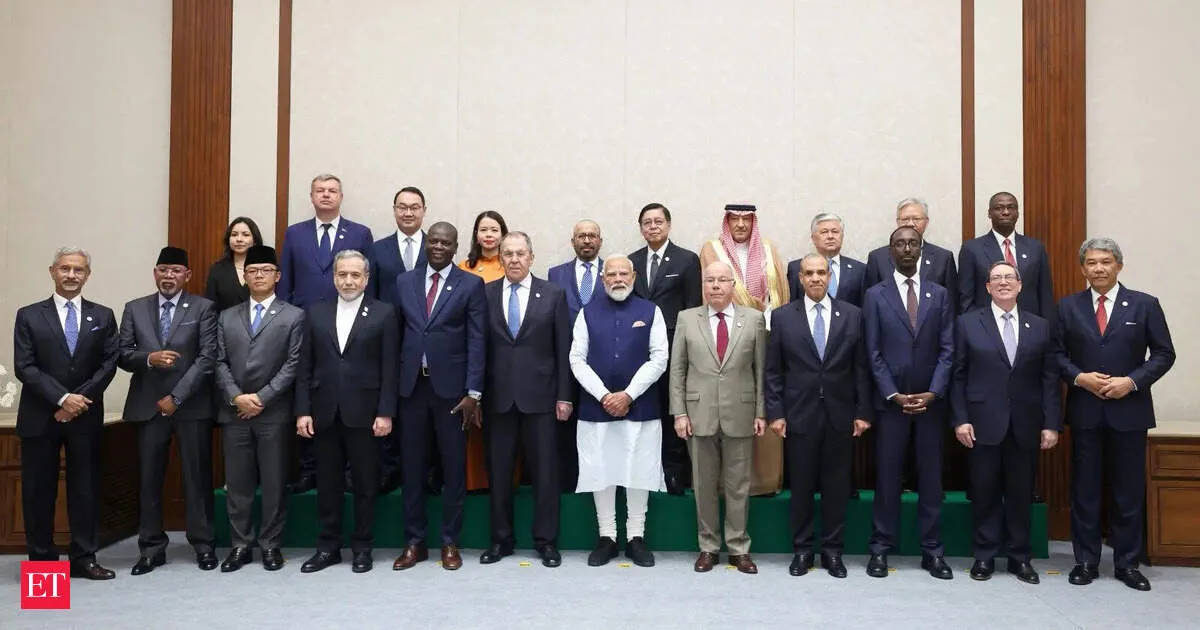
India’s trade with the expanded BRICS bloc climbed to about $416 billion in 2025, but the goods trade deficit widened sharply, nearly doubling from $117 billion in 2021 to $224 billion in 2025. Imports from BRICS rose at roughly 12% CAGR while exports grew only about 3%, with Russia a major source boosted by crude oil. Ahead of the BRICS Foreign Ministers’ Meeting, India faces a policy test: reduce import dependence and expand outbound shipments.
India’s merchandise trade deficit widened to $28.38 billion in April, beating Reuters’ $26.5 billion forecast, as imports surged and energy costs rose amid conflict in the Middle East. Exports rose to $43.56 billion, but imports climbed to $71.94 billion from $59.59 billion. Services trade offered partial support, lifting estimated overall exports of goods and services to $80.80 billion. The rupee took pressure and policymakers intervened, while Modi urged fuel conservation and curbs on non-essential imports and travel.
As India tries to contain the economic fallout from the West Asia conflict, the Prime Minister’s Office is coordinating across ministries to protect growth, inflation and the current account. Officials are mapping opportunities from the Iran-linked disruption while modeling the hit from soaring global oil prices under different price bands. Finance and commerce teams are considering easing FEMA, improving bilateral investment treaty terms, substituting select imports with domestic production, and tightening curbs on non-essential purchases like bullion and gems.
Never miss a story
Set alerts for the topics and sources you care about. Download Beige for free.
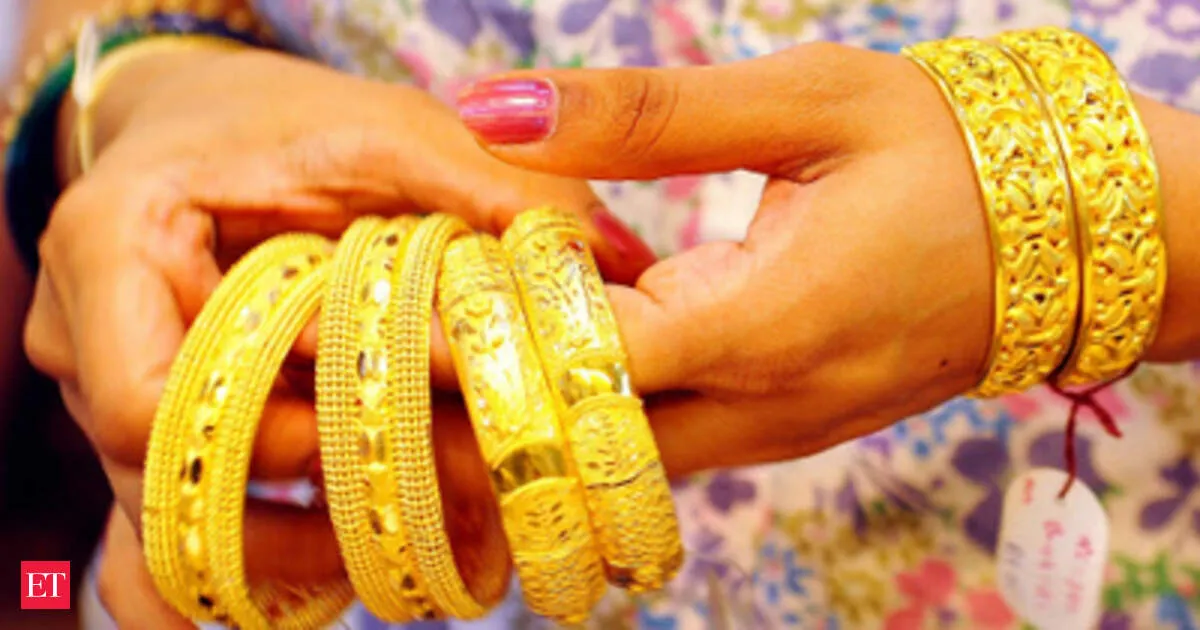
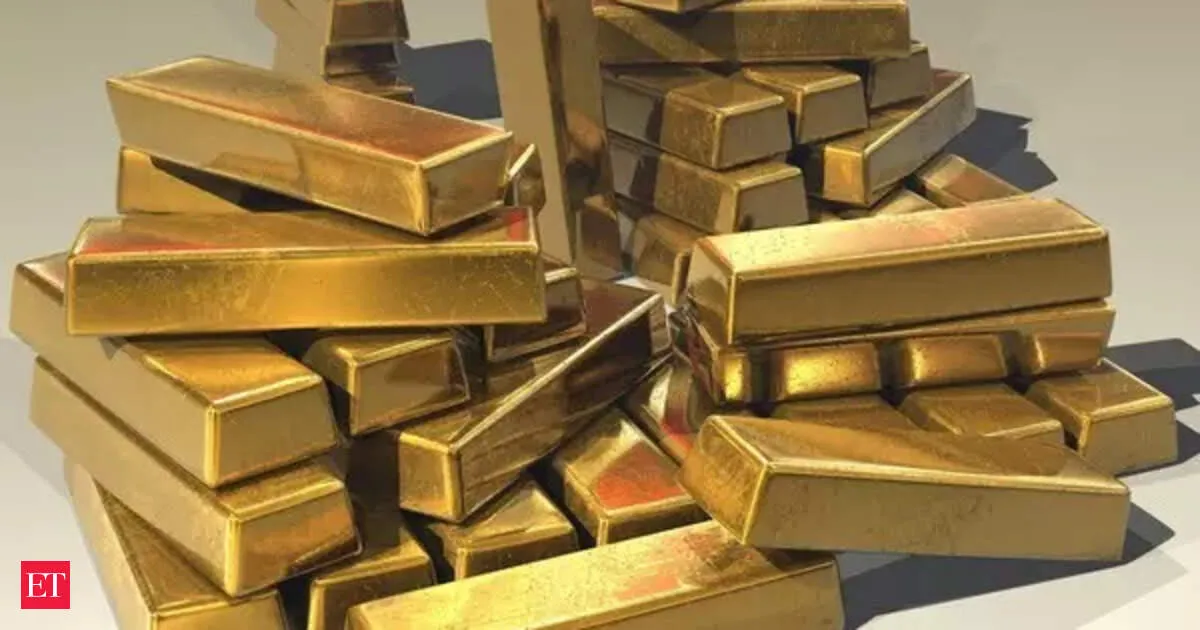
SBI Research says a 15% customs duty hike on gold imports is likely to lift domestic prices and reduce legal import volumes. The report also flags a risk of supply diversion into grey markets, potentially reshaping the flow of gold into India. While the effect on the current account deficit is uncertain, the direction for pricing and imports appears clear.
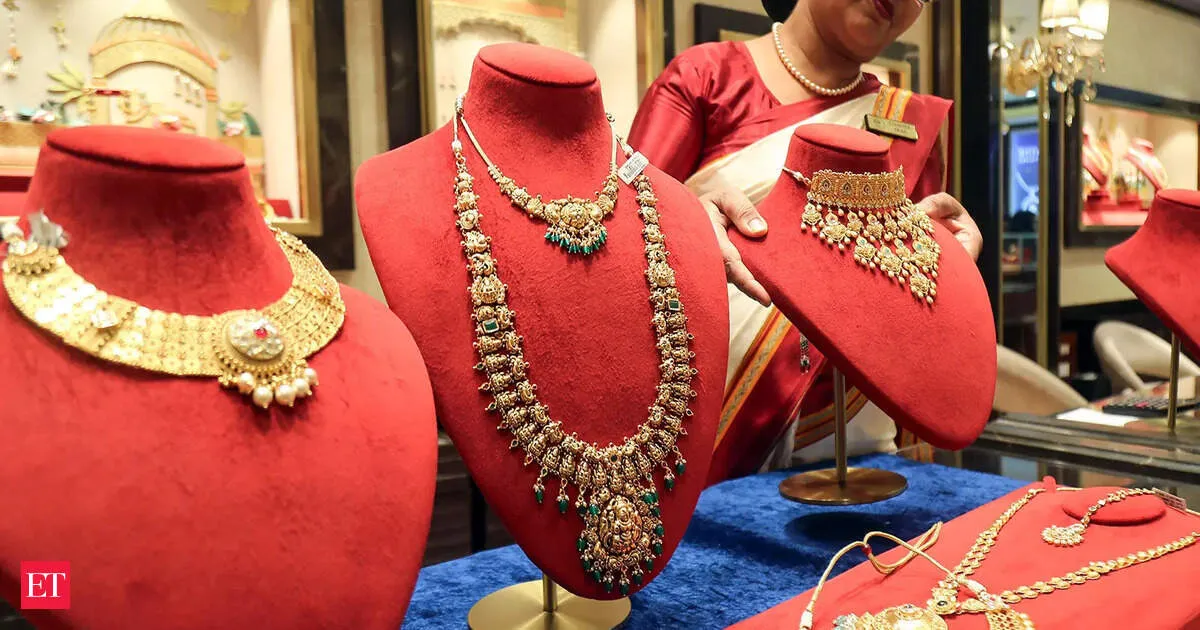
Industry executives say a duty hike could push consumers toward lower carat jewellery such as 14K and 9K, reducing gold imports by 20-30%. They add that discouraging investment in gold bars and coins could cut imports further by another 20-30%. With India importing 750-800 tonnes annually, revamping the Gold Monetisation Scheme could unlock 25,000 tonnes of grandfather stock.
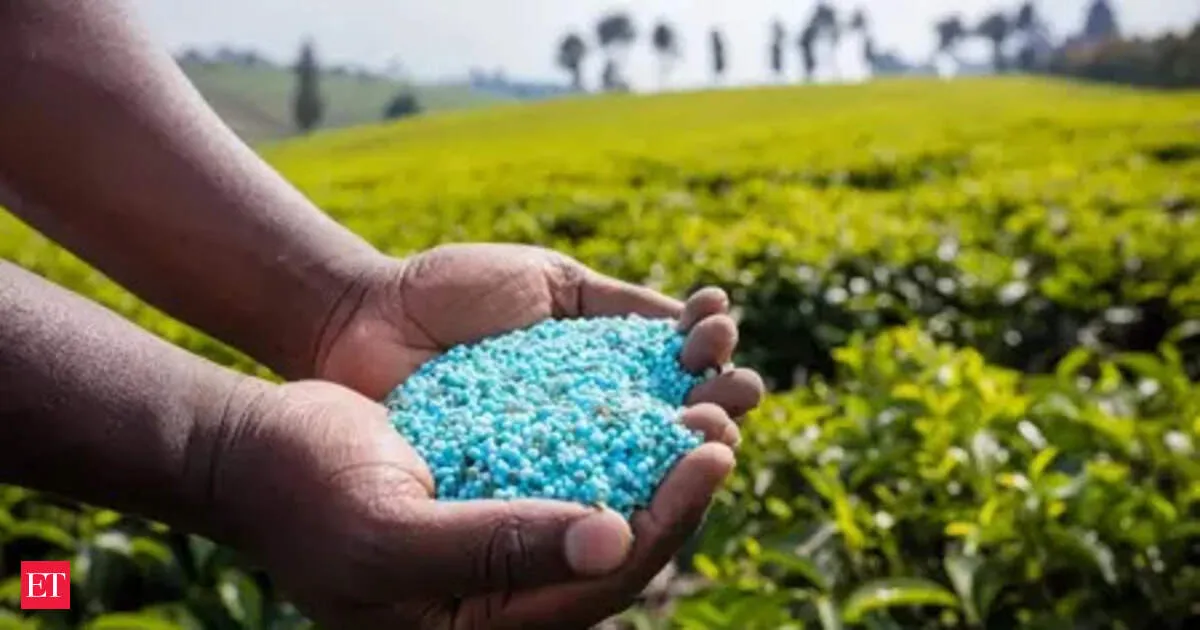
India may need to overshoot its fertiliser subsidy estimates by about Rs 70,000 crore, driven by heavy import dependence for DAP and limited domestic urea coverage. With DAP imports accounting for over 80% of requirements and urea production meeting only 30–35% of total demand, officials say the Centre is focused on ensuring sufficient stocks for farmers at affordable rates.
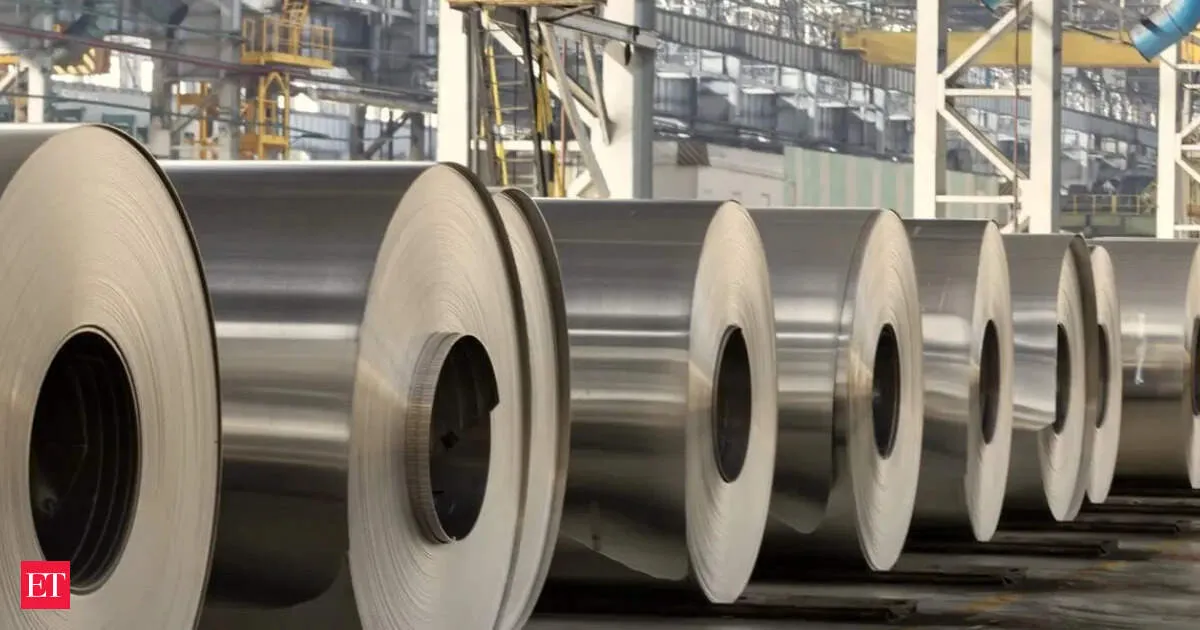
India is working on a new steel policy that aims to reshape the sector by 2035 and 2047. The plan sets ambitious production goals for green, specialty and stainless steel, pushing the industry toward higher quality while reducing reliance on imports. The policy is positioned as a shift from volume growth to value, sustainability and stronger domestic supply chains.
Reading on mobile?
Open Beige in the app for a smoother experience — free on iOS and Android.
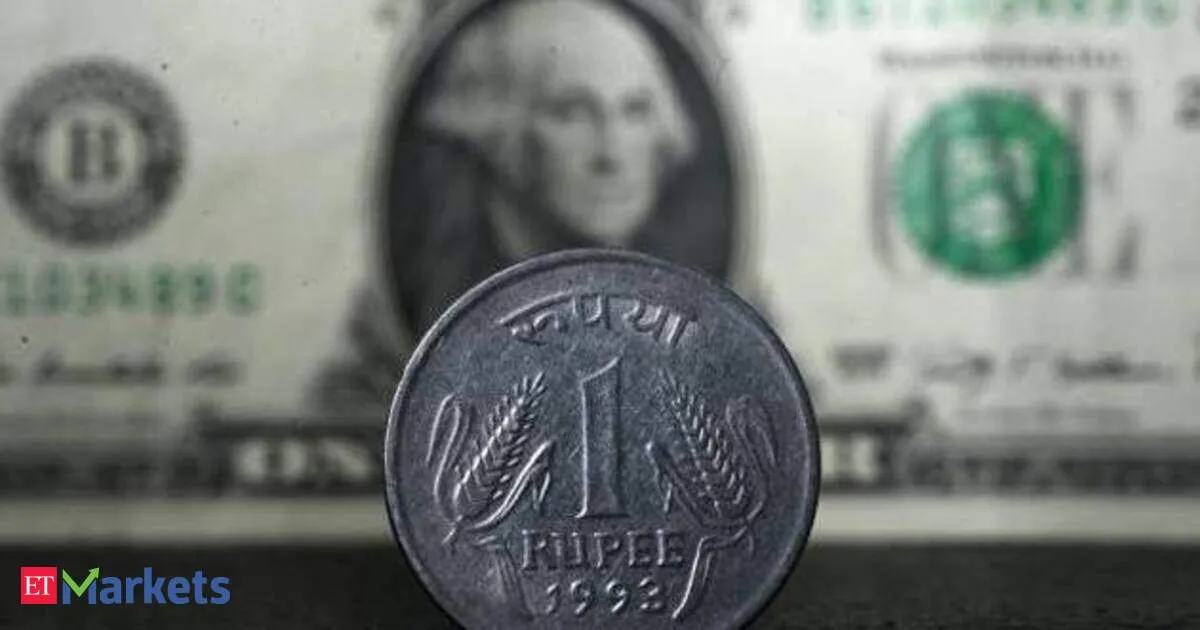
The Indian rupee fell to a record low, slipping to about 95.74 per US dollar as overseas debt repayments and importer hedging continued to drain demand for the domestic currency. The move wiped out any potential support from higher gold import duties, with persistent outflows keeping pressure on forex markets despite brief relief hopes.
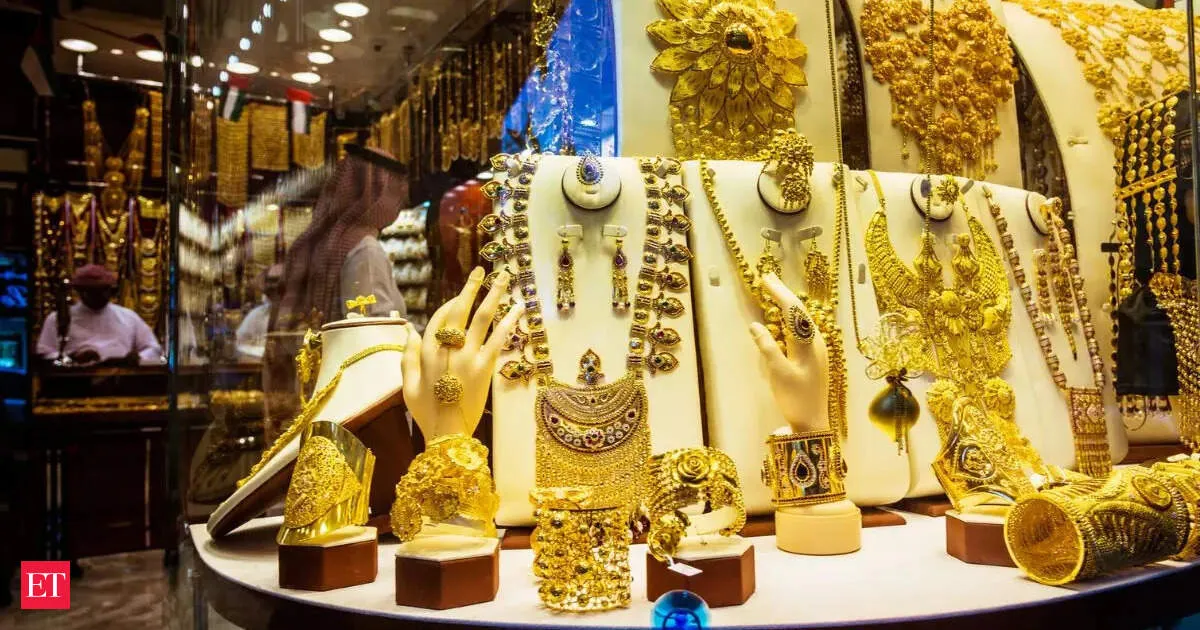
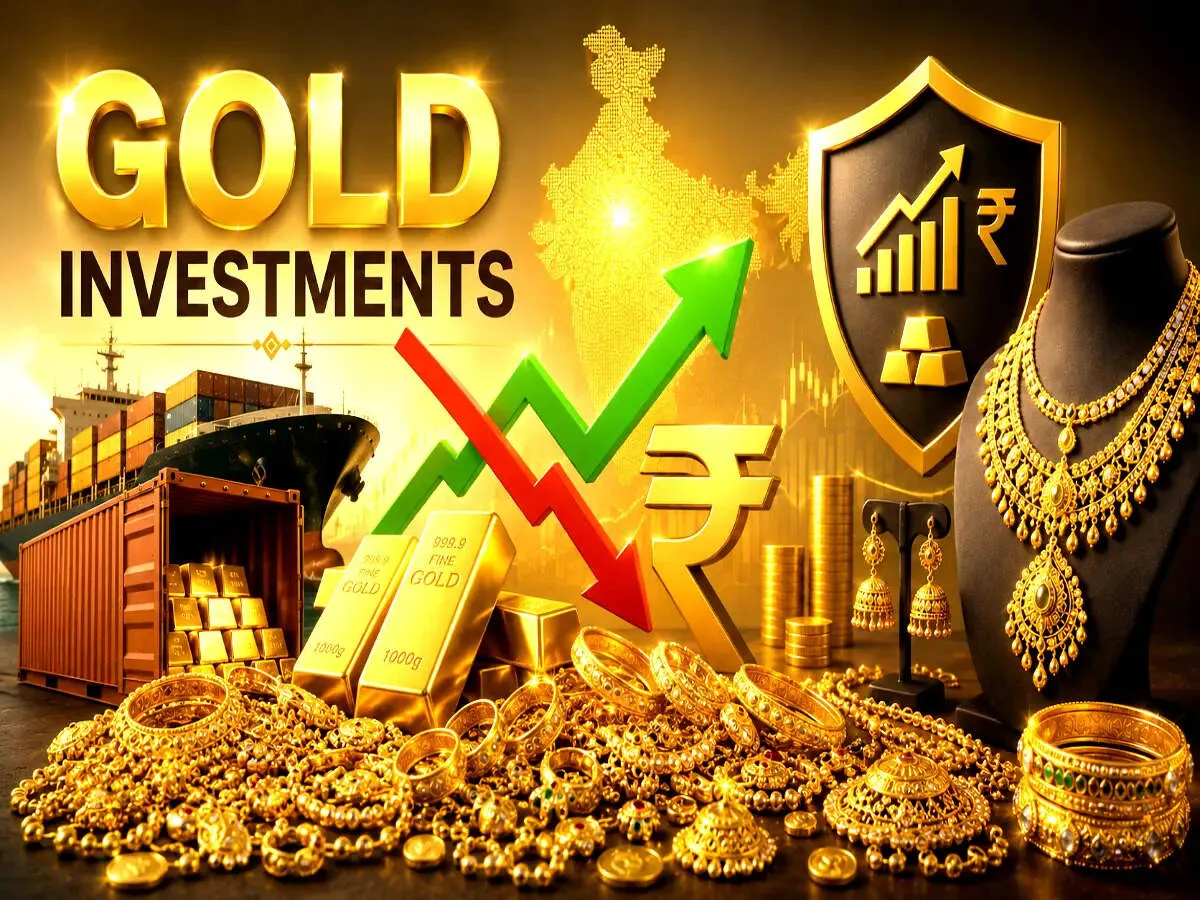
India has raised gold and silver import duties to 15%, reviving memories of the 2013 crisis. The government says the move should curb dollar outflows and support the rupee, but experts caution it may not reduce gold demand—only shift it toward the grey market. With India’s underlying appetite for gold still strong, the impact could be limited.
Gold imports via Dubai may rise after India hiked import duty from 6% to 15%. With the India UAE trade pact in play, gold can be imported at an effective 14% rate versus the higher general duty, creating a clear arbitrage window that could shift sourcing and volumes.
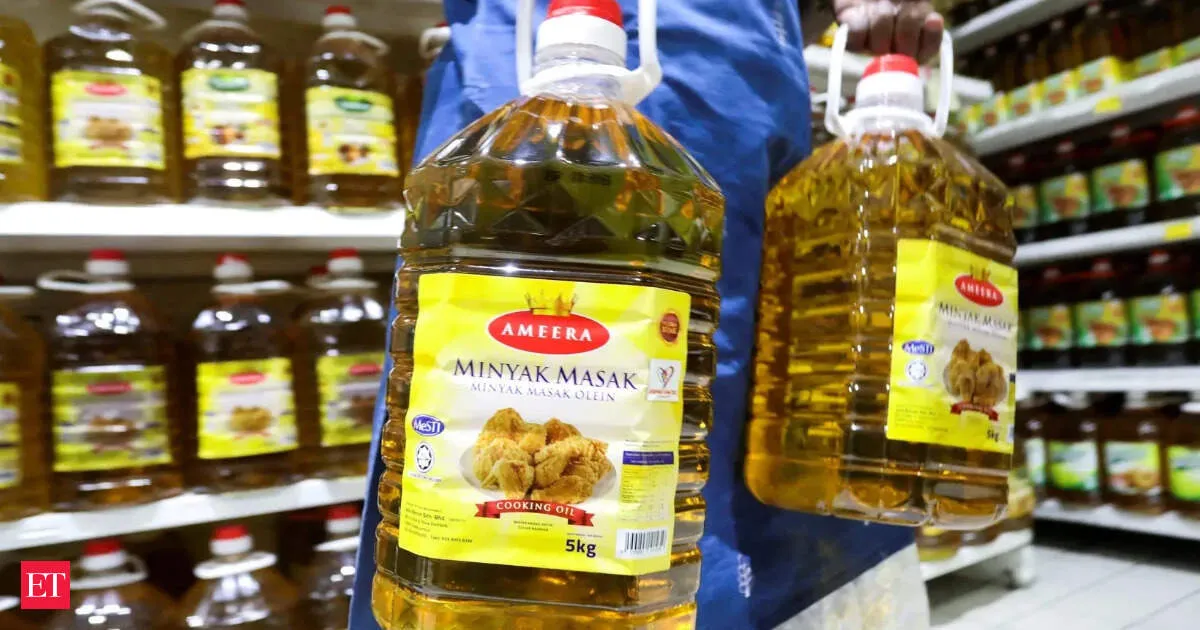
India’s vegetable oil imports rose 13% to 7.94 million tonnes in the first half of the 2025-26 oil year. Palm oil shipments nearly doubled, lifting overall imports even as cooking oil prices climbed and the rupee weakened. At the same time, vegetable oil stocks increased sharply, pointing to better supply availability despite cost pressures.
Follow your favourite sources
Track sources, tags and categories — all in the Beige app.
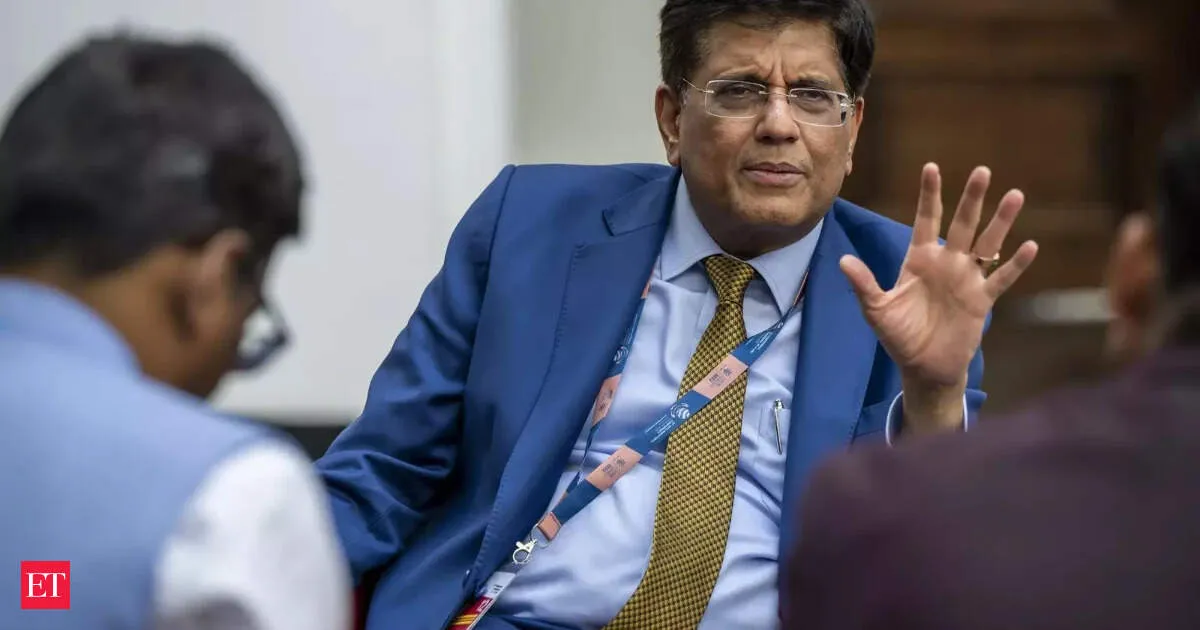
Commerce and Industry Minister Piyush Goyal called the West Asia crisis a wake-up call for Indian industry, urging firms to cut import dependence and improve efficiency through indigenous design and manufacturing. He also pushed for faster electric vehicle adoption, saying it can help reduce oil bills amid global instability, while strengthening long-term economic resilience.
Malabar Gold & Diamonds has backed Prime Minister Narendra Modi’s push for responsible gold use, urging an overhaul of the Gold Monetisation Scheme. The jeweller wants higher public participation and more mobilisation of idle gold by integrating organized jewelers, lowering minimum deposit quantities, and introducing flexible redemption options to reduce import dependence and support India’s economy.
Prime Minister Narendra Modi asked people to postpone gold purchases to help curb India’s import bill amid West Asia tensions. The gold industry worries about demand shocks and job losses. Experts broadly advise existing investors to hold, while new buyers consider digital gold. They also point to domestic gold recycling and potential tax-law changes to reduce import pressure without harming livelihoods.
With gold prices staying high, Indian buyers are increasingly exchanging old jewellery for redesigned pieces instead of purchasing fresh gold. Jewellers including P. N. Gadgil Jewellers and Tanishq report strong jumps in these trade-ins as consumers treat old gold as a savings asset. The shift is also expected to curb demand for new gold imports.
Stay informed on the go
Bite-sized news from 100+ trusted sources, right in your pocket.
India’s gold imports have surged to an all time high of $71.98 billion in 2025-26, fueled by rising global prices and new trade agreements. The spike is increasing the trade deficit and putting pressure on foreign exchange reserves. With concerns mounting, the government is reviewing trade policies to curb imports and protect economic stability.
With India’s gold imports climbing, industry bodies are pitching a plan to reduce reliance on overseas metal. The proposal pushes recycling household gold, steering imported gold mainly toward jewellery exports, and drawing jewellers into gold monetisation programs. The goal: convert dormant gold into working capital while improving the balance of payments and easing import pressure.
Swipe through stories, personalise your feed, and save articles for later — all on the app.