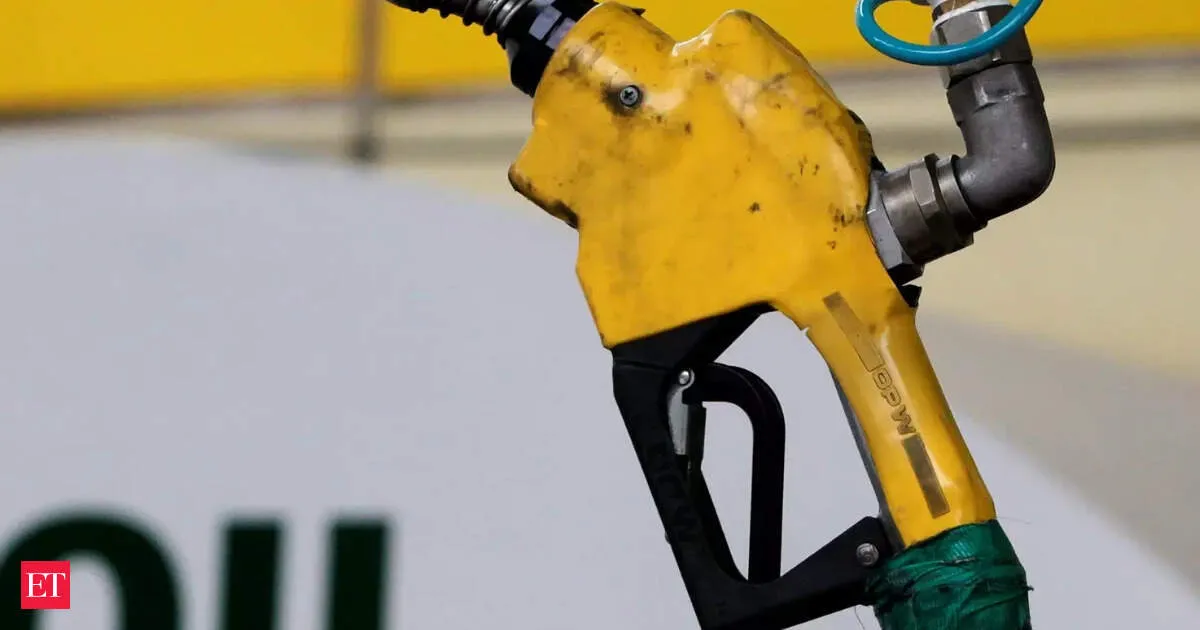
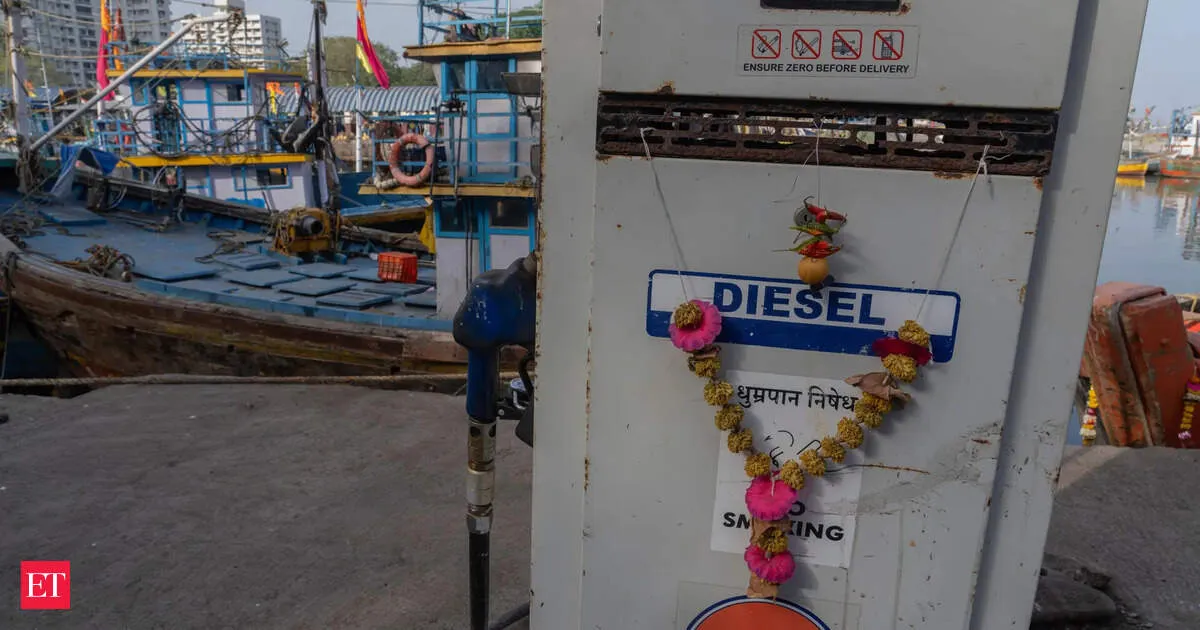
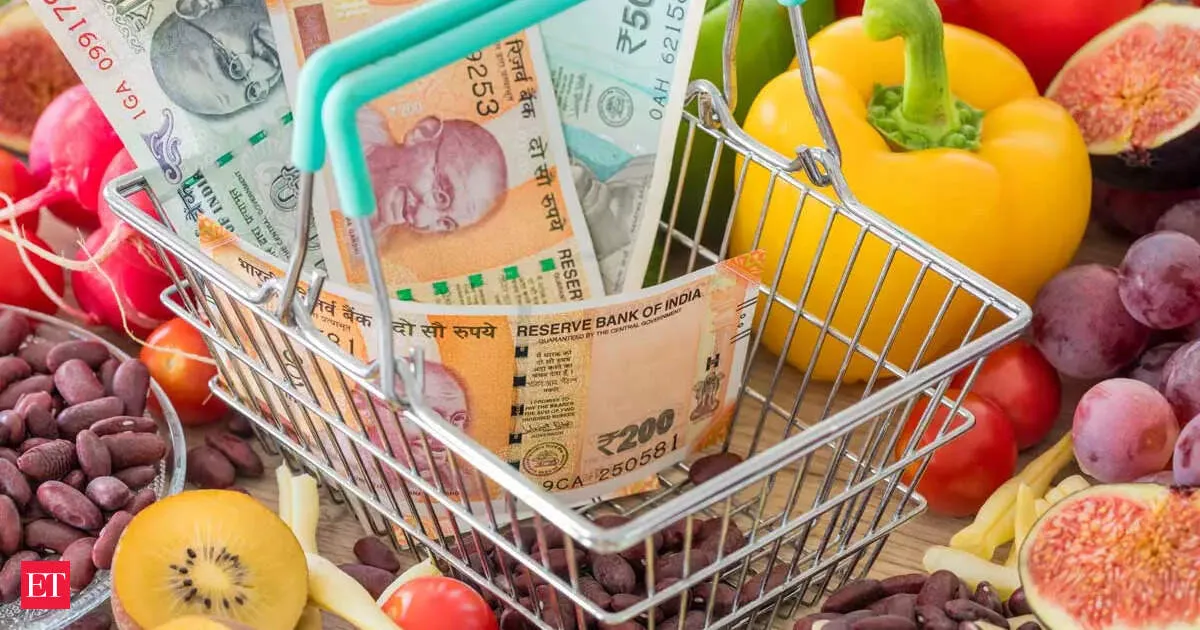
As the US-Iran conflict shows no signs of ending, former UN Economic Advisor Santosh Mehrotra warns India faces a fresh oil-driven spiral. He says every USD 10 rise in global oil can widen India’s current account deficit by about 0.3% of GDP and similarly lift CPI. With GDP and CPI revisions already reflecting the “current situation,” he fears prolonged war effects. He points to Strait of Hormuz disruptions, tighter LPG supply hurting restaurants and ceramics, and a diesel hike that could further spread inflation to consumers.
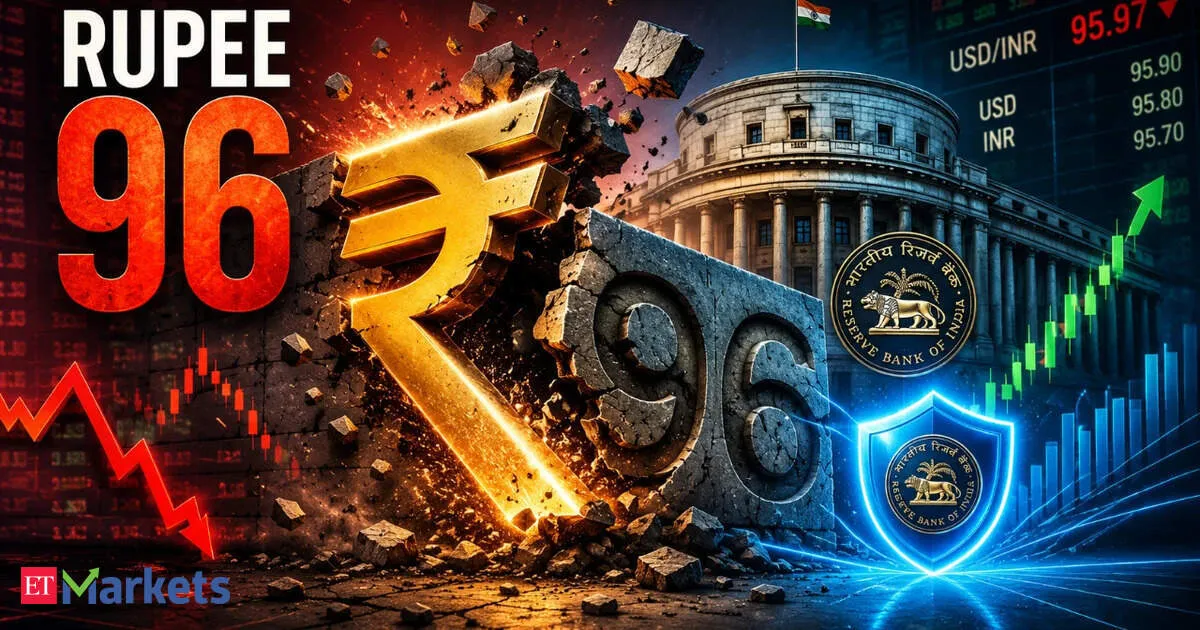
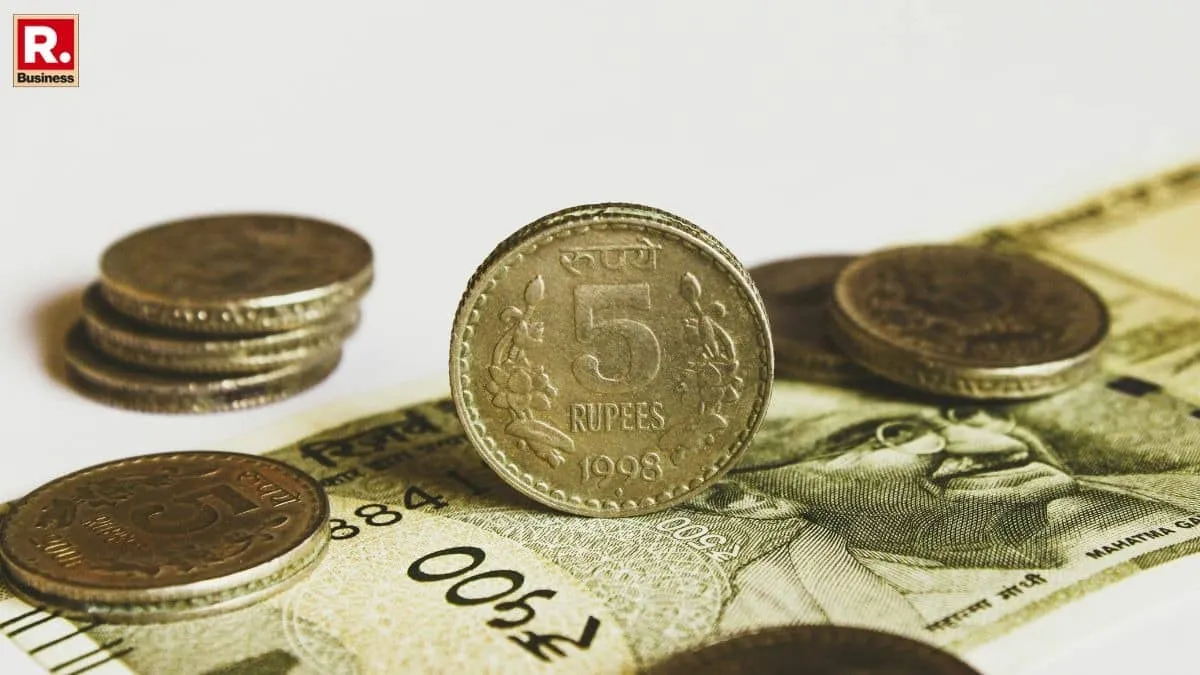
The Indian rupee breached 96 per US dollar for the first time as crude prices neared $110 a barrel, then recovered to close at 95.96 after RBI intervention late in the session. Analysts link the fall to persistent external pressure from the Russia Ukraine and West Asia conflict-driven energy costs and a widening need for long-term dollar inflows. Policymakers are discussing measures to attract direct FX, including step-by-step actions over the next 2-3 months, plus recent import duty hikes on bullion.
Your news, in seconds
Get the Beige app — every story in 60 words, updated hourly. Free on iOS & Android.
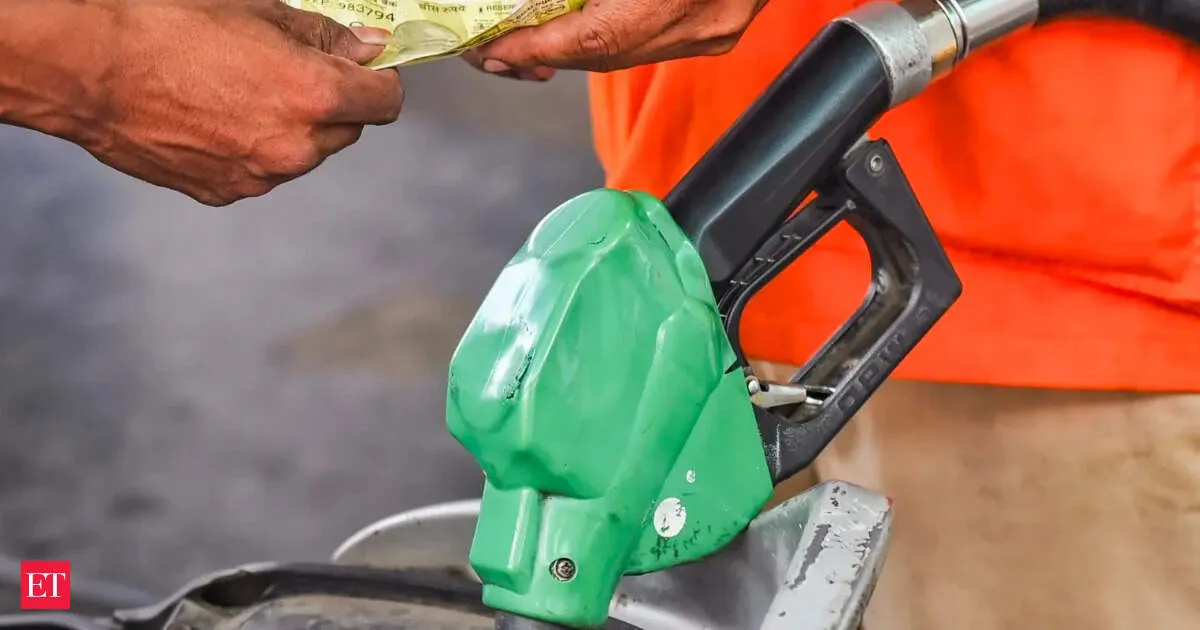
Dining out and food deliveries are expected to get 5–10% costlier from next week as state oil firms raised petrol and diesel prices. Restaurant executives say the fuel hit lands on top of months of pressures including a commercial LPG price jump, LPG shortage, and labor shortages since the West Asia war began. Some chains will revise menu prices as early as next week, while others target June or July 1, with logistics costs also likely lifting delivery charges and shrinking discounts.
With Brent crude climbing to around $100 a barrel from $73 since the Middle East unrest began on February 28, India’s core sectors face fresh cost pressure. New Supply and Use Tables from the statistics ministry show petroleum products embedded in intermediate inputs across industries. Iron ore is the biggest standout, with petroleum accounting for 56.7% of intermediate consumption in 2023-24, followed by mining at 56% and land transport at 54.7%, putting multiple supply chains at risk.
India’s unemployment rate stayed broadly stable at 5.2% in April 2026, according to the government’s Periodic Labour Force Survey monthly bulletin. The figure barely moved from 5.1% in March and matched April 2025 levels. Rural unemployment edged up to 4.6% from 4.3%, while urban unemployment slipped slightly to 6.6% from 6.8%. Labour force participation fell to 55.0%, with female LFPR declining too, and the worker population ratio eased modestly.
India will need nearly Rs 80 lakh crore for urban infrastructure by 2037, with cities projected to contribute about 70% of GDP by 2036, according to Brickwork Ratings. The report flags a shift from grant-led support to market financing via an Urban Challenge Fund of Rs 1 lakh crore. It expects around Rs 4 lakh crore of investment in five years, requiring local bodies to fund at least 50% via municipal bonds, loans, or PPPs, while the Centre provides 25%. Credit ratings and a repayment guarantee scheme for smaller towns are central to access.
Never miss a story
Set alerts for the topics and sources you care about. Download Beige for free.
With the rupee slipping past 95 per dollar and West Asian tensions keeping risk elevated, India is weighing a return to NRI-focused dollar deposit schemes. The idea echoes 2000 and 2013, when incentives helped mobilise foreign currency and stabilise sentiment. But today’s backdrop is tougher: US rates are around 3.5%, making attractive coupons costlier. Estimates suggest a 3-year deposit rate of 6.0–6.25% may be needed, with funding support of 2.75–3.0%, potentially larger than earlier programmes.
India has prohibited sugar exports until September 30, a move expected to free 4-5 lakh tonnes for domestic consumption. The government cites El Nino risks that could affect 2026-27 production, aiming to strengthen next year’s buffer stock. But the abrupt export stoppage may squeeze sugar mill liquidity, especially as mills need cash for high cane payment schedules in Maharashtra and Karnataka. Overseas demand had surged after longer Brazil shipping times, and recent export volumes had jumped sharply.
India is reportedly weighing a major cut in taxes on foreign investments in bonds, a proposal backed by the Reserve Bank of India and under serious consideration by the Finance Ministry. The rationale: align with global norms, attract more inflows, and help curb the rupee’s recent slide, which recently hit a fresh record low against the US dollar.
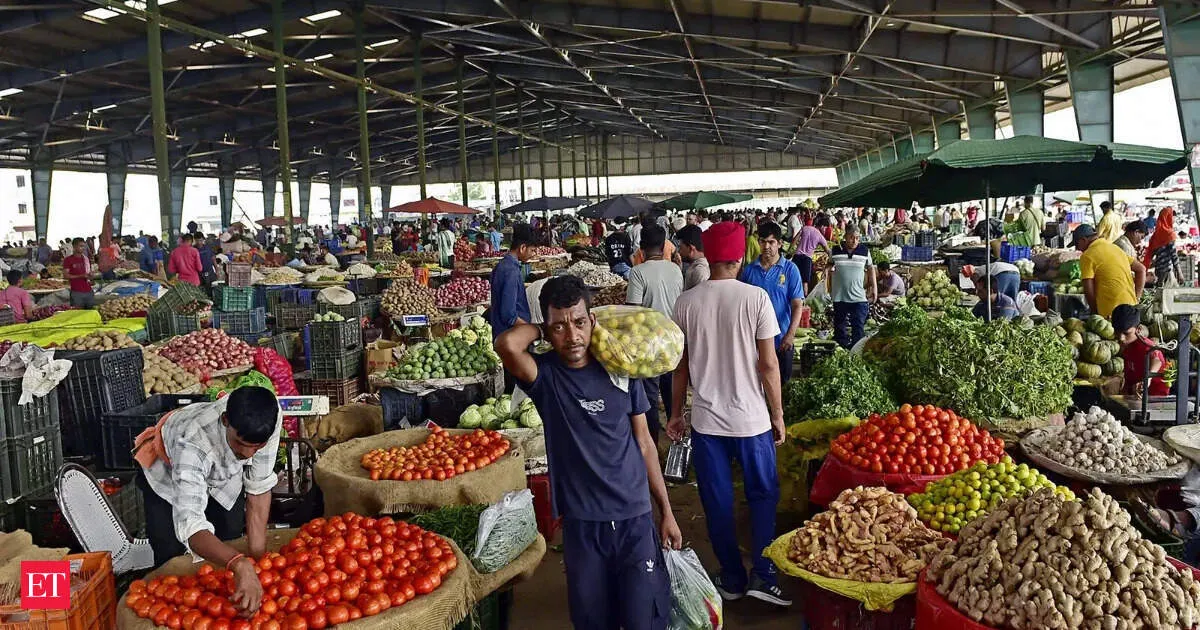
India’s wholesale inflation surged to 8.3% in April, the highest in the current data series. Fuel and crude oil prices led the jump, pushing up costs across mineral oils, natural gas, and manufactured goods. As global commodity and energy prices feed into domestic supply chains, producer costs are rising quickly—setting pressure for downstream prices.
Reading on mobile?
Open Beige in the app for a smoother experience — free on iOS and Android.
In April, Indian fund managers leaned into defensive stocks, with pharmaceuticals drawing fresh inflows tied to potential upside from the semaglutide patent expiry. Mutual funds also increased focus on NBFCs and asset management companies, adding PNB Housing Finance as money tilted toward retail lending. The broader shift points to worries over oil prices and West Asian geopolitical risks.
The rupee weakened sharply, falling to an intraday record low of 95.74 against the US dollar as markets moved into risk-off mode. Sentiment deteriorated after US President Donald Trump rejected Iran’s latest peace proposal, raising uncertainty over oil supplies. Analysts warn the shock could intensify currency pressure and strain India’s growth outlook.
Morgan Stanley has raised its India FY27 GDP growth forecast to 6.7% from 6.2%, even as it flags uncertainty tied to the ongoing West Asia crisis. The revision also reflects updated assumptions, including average crude oil prices of about $95 per barrel in FY27, underscoring how energy costs could shape India’s next-year momentum.
India’s retail inflation is holding steady despite West Asia tensions, with imported inflation easing slightly. However, the report warns the next phase may hinge on how quickly fuel prices pass through and how summer crops perform. LPG shortages have pushed up restaurant and accommodation costs, while softer gold and silver helped cool personal care inflation.
Follow your favourite sources
Track sources, tags and categories — all in the Beige app.
The central government says it has fully operationalised four new labour codes, merging 29 laws into a simpler framework that balances worker protections with business needs. Officials believe the move will improve coordination between labour and industry. Now, the ministry plans a comprehensive employment policy to steer future job creation and workplace regulation.
India’s retail inflation inched up to 3.48% in April, driven mainly by firmer food prices. Food inflation rose to 4.20%, while personal care and miscellaneous goods saw the sharpest increases. Even with the uptick, inflation remains comfortably below the Reserve Bank of India’s 4% target, keeping the rate outlook relatively steady.
India’s gold imports have surged to an all time high of $71.98 billion in 2025-26, fueled by rising global prices and new trade agreements. The spike is increasing the trade deficit and putting pressure on foreign exchange reserves. With concerns mounting, the government is reviewing trade policies to curb imports and protect economic stability.
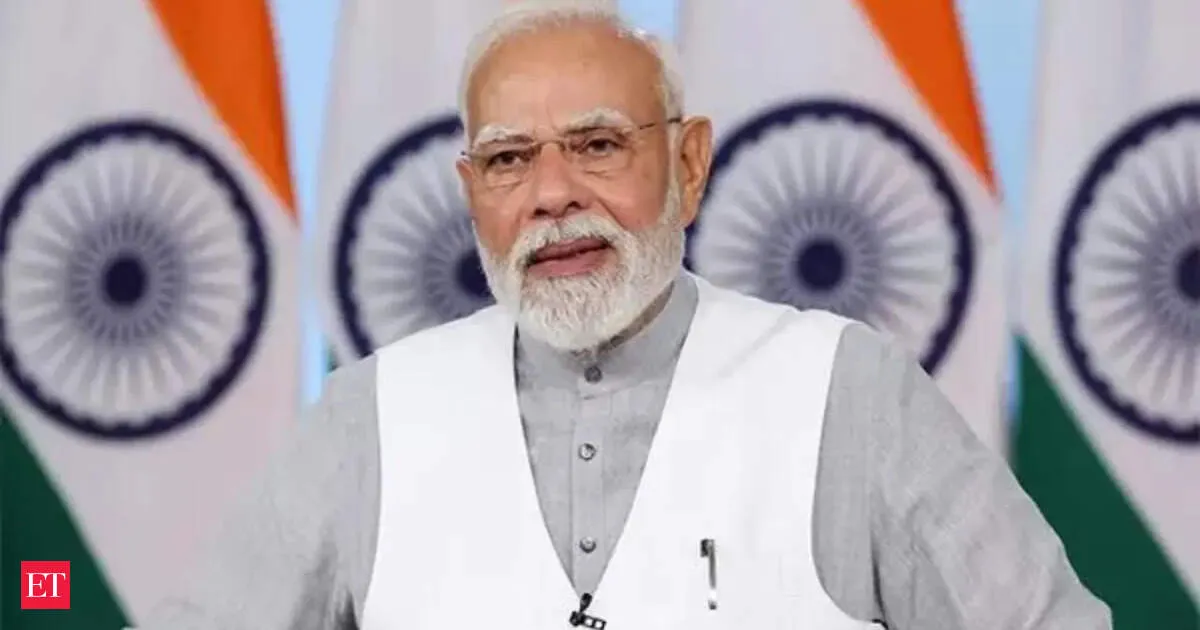
The rupee closed at a new record low as equities slid following a sharp jump in oil prices beyond $100 a barrel. The shock traces to Donald Trump rejecting Iran’s peace plan, while Prime Minister Narendra Modi urged austerity to protect foreign exchange reserves and reduce fuel consumption amid rising risks from the ongoing Gulf conflict.
Stay informed on the go
Bite-sized news from 100+ trusted sources, right in your pocket.
Prime Minister Narendra Modi said India is well stocked on essential goods and will ensure vital items remain accessible to all. In the same push for economic stability, he urged citizens to conserve fuel to cut waste and support the government’s fiscal health. The message ties everyday conservation choices to broader strain on public finances.
Markets are bracing for a prolonged energy shock as high crude oil prices and geopolitical risks drag on global activity and hit India’s economy. Madhavi Arora says policymakers will need to focus on external balance and currency management, while gradual fuel price increases may follow. The fiscal cost is already stretching the government’s book, leaving investors watching for next steps.
Swipe through stories, personalise your feed, and save articles for later — all on the app.