Dalal Street starts the week on shaky technical footing as Nifty ended sharply lower amid sustained selling and a steep rise in volatility. The index remains trapped below key moving averages, with 24,300–24,500 acting as a major ceiling and 23,200–23,000 the critical support. India VIX jumped to 18.79, while weakening RSI and a bearish weekly candle reinforce a cautious, defensive approach. Traders are advised to avoid aggressive buys until momentum improves.
Flipkart has put its IPO plans on indefinite hold as market volatility and a crowded listing pipeline squeeze investor appetite. The pause comes after Walmart CEO John Furner visited India and follows other Walmart-linked delays, including PhonePe’s IPO postponement. Flipkart had aimed to file draft papers in late 2026 or early 2027 after NCLT approval to move its domicile back to India. Meanwhile, it is scaling quick commerce “Minutes” with nearly 100 stores a month, even as heavy investment pushes profitability further out.
Your news, in seconds
Get the Beige app — every story in 60 words, updated hourly. Free on iOS & Android.
Titan shareholders are reeling after India hiked gold and silver import duties to 15%, triggering a sharp sell-off in jewellery stocks and fears of weaker demand and squeezed margins. But analysts are pointing to history: in 2013, tougher curbs on gold imports—including higher duties and the 80:20 export rule—did not sink organised players. Titan’s diversified sourcing, pricing discipline, and adaptable product mix helped it absorb shocks, and brokerages now expect a manageable impact across segments.
MSCI’s index rejig will add 14 Indian smallcap stocks to its smallcap index, with potential inflows of about $135 million. Some firms face pressure: Jubilant Foodworks and Kalyan Jewellers are set for net outflows after exclusion from the MSCI Standard index. Meanwhile, names such as Escorts Kubota and IREDA could attract sizable inflows from index funds tracking MSCI.
Smallcap shares surged up to 7% on Wednesday, with names like IIFL Finance, Meesho, and GRSE outperforming benchmark indices. The move came even as investors stayed cautious elsewhere, yet the Nifty Smallcap 100 index posted strong gains. Market experts pointed to improving expectations for mid and smallcap earnings, treating recent pullbacks as entry opportunities.
Gold and silver surged on Wednesday after the government increased customs duty on precious metal imports, with MCX futures jumping close to 6% in a day. Gold rose roughly Rs 9,600 and silver nearly Rs 17,000, one of the biggest rallies recently. But traders see it as a largely one-off move amid ongoing Middle East tensions and tariff uncertainty.
Never miss a story
Set alerts for the topics and sources you care about. Download Beige for free.
Texmaco Rail & Engineering shares surged 13% after the company posted a 45% jump in Q4 net profit. Even with revenue softening, margins improved, lifting investor sentiment. The rally also drew fuel from a Rs 4,045 crore order win in South Africa and plans to expand into defence, sending the stock to an intraday high with a global growth outlook.
Gold exchange traded funds saw a sharp rebound in April, with inflows rising 34% to Rs 3,040 crore and assets under management also increasing. Silver ETFs, however, continued to lose investors for the third month in a row. Notably, the shift happened even as gold prices stayed largely steady, pointing to changes in fund demand rather than price swings.
Hygiene products maker Nobel Hygiene, backed by Quadria Capital, is exploring an IPO in India that could raise as much as $300 million. The firm has started preliminary talks with investment banks about a potential listing, with plans that may include both issuing new shares and allowing existing investors to sell part of their stakes in the offering.
Paytm parent One97 delivered its first full-year profit of ₹552 crore in FY26, after a ₹663 crore loss in FY25. But the win has caveats: interest and investment income from its large cash pile helps materially. Core businesses are improving margins and cash generation, with AI driving cost cuts and growth levers like merchant payments and loans.
Reading on mobile?
Open Beige in the app for a smoother experience — free on iOS and Android.
Goldman Sachs has picked 12 Indian stocks as medium-term alpha plays even as it warns the record $22 billion FII selloff in 2026 could extend further. Foreign investors have already withdrawn more than last year’s full total, driving one of India’s sharpest equity outflows in over two decades. The move comes amid persistent global risk-off sentiment.
Mumbai Citi has downgraded India to underweight, pointing to persistent macroeconomic and geopolitical risks and a softer earnings outlook. The brokerage still expects about 11.7% upside for the Nifty, targeting 27,000, but says its FY27-28 earnings forecasts factor in the impact of the Iran War. It prefers banks, telecom, defence and pharma.
Quant Small Cap Fund reshuffled its portfolio in April, cutting ties with seven stocks including HDFC Bank and Jio Financial Services. The move also brought in new names and trimmed exposure in select counters. With market uncertainty and liquidity concerns in focus, the fund kept a defensive posture by increasing large-cap allocation to reduce volatility.
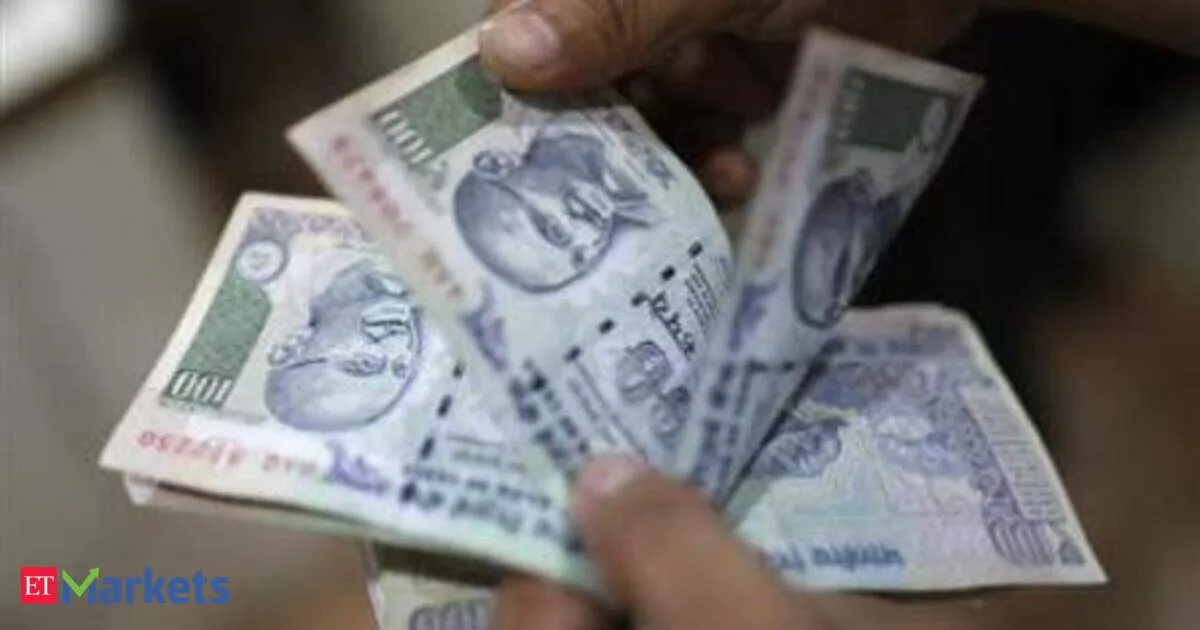
The Indian rupee strengthened by 36 paise to the dollar on Thursday, extending a sharp two-day rebound. Traders linked the move to crude oil falling below $100 a barrel, which encouraged them to unwind short-rupee positions. State-run banks were also seen selling dollars, likely for exporters, as the currency approached 94.
Follow your favourite sources
Track sources, tags and categories — all in the Beige app.
Muthoot Microfin outperformed a shrinking lending market, expanding assets by more than 13% while industry growth fell about 20%. The CEO attributed the turnaround to improved repayment performance and lower bad loans. New individual loan products are gaining traction, and further margin expansion and profitability gains are expected in the coming years.
Marico MD Saugata Gupta says the company is on track for double digit revenue growth, aiming to reach Rs 15,000 crore by FY27. He points to Parachute’s continued resilience even as prices rose and input costs eased. Value added hair oils and foods are driving diversification, while Saffola’s premium push targets profitable growth as Marico keeps a close watch on El Nino risks.
Staffing and workforce solutions provider Quess Corp reported a consolidated profit of Rs 64.34 crore for the March quarter. The result highlights continued momentum for the company in a sector sensitive to hiring cycles. Investors will watch how the figure stacks up against expectations and what it signals for demand in the coming quarters.
Valor Estate shares surged to a 20% upper circuit after the Bombay High Court ruled in its favor in a long-pending Bhayandar land dispute. The decision clears uncertainty around a key land parcel, improving investor sentiment. With ownership no longer in question, the company can now consider development and monetisation plans tied to the asset.
Stay informed on the go
Bite-sized news from 100+ trusted sources, right in your pocket.
The rupee weakened to 94.86 per USD, trading in a narrow range as modest dollar inflows and easing oil prices offered only partial support. Importers’ active dollar purchases kept downward pressure on the currency, even after oil fell following hints of US support for ships in the Strait of Hormuz. Investors now look to upcoming earnings and economic data for direction.
BNP Paribas analyst Kumar Rakesh warns that the IT sector’s “value” narrative may be overstated. He points to weak FY27 guidance, AI-driven disruption, and stalled client spending as key headwinds. Buybacks and dividends can cushion sentiment, but elevated earnings risks mean investors may need to be far more selective when picking largecap IT stocks.
Swipe through stories, personalise your feed, and save articles for later — all on the app.