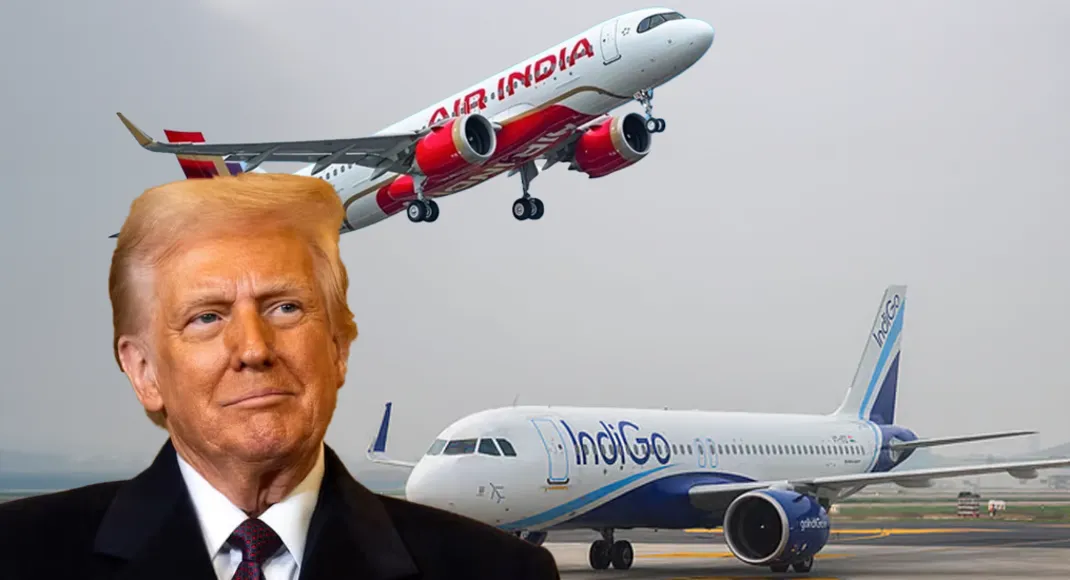
India-US ties are strained, and now the spotlight is landing on aviation oversight. After IndiGo’s near shutdown in December, Air India’s fatal crash in Ahmedabad, and SpiceJet’s engineering and unpaid-salary problems, the US FAA is reportedly again worried about safety and regulatory standards in India. The operational collapse led IndiGo to cancel more than 4,500 flights, affecting about one million passengers, triggering a record DGCA fine and the exit of CEO Pieter Elbers.
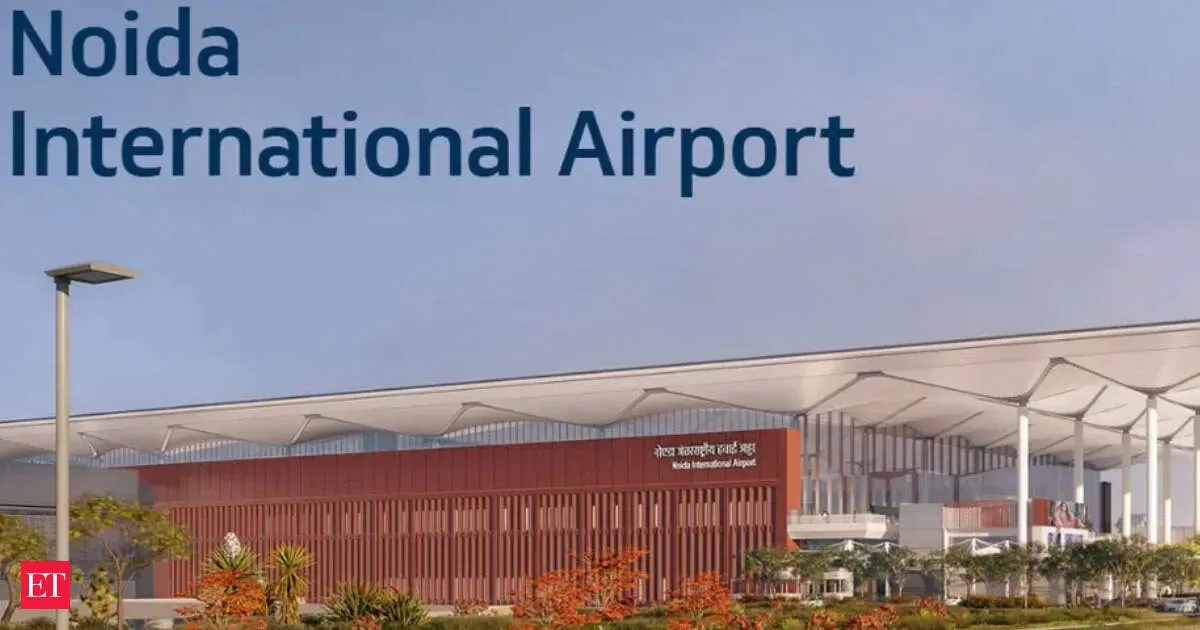
Noida International Airport is set to begin Akasa Air operations on June 16, making it the second airline to use the new airport. Akasa will run daily flights connecting Noida with Bengaluru and Navi Mumbai, and it plans to set up a maintenance facility at the airport. IndiGo starts earlier on June 15.
Your news, in seconds
Get the Beige app — every story in 60 words, updated hourly. Free on iOS & Android.
Monday saw a sharp broad-market drop, with the Nifty falling 360 points and the Sensex slipping over 1.7%. Yet within that red backdrop, several major counters swung to the top of the movers list, including SBI, IndiGo, and Titan. The day highlighted how stock-specific momentum can diverge from index-wide weakness.
IndiGo shares fell 4.4% after Prime Minister Narendra Modi urged Indians to avoid non-essential foreign travel amid escalating West Asia tensions. At the same time, Brent crude rose toward $86 per barrel, raising expectations of higher Aviation Turbine Fuel costs. With fuel making up nearly 40% of operating expenses, investors also fear potential flight disruptions if the conflict drags on.
IndiGo, SpiceJet and other travel-related stocks tumbled as Prime Minister Narendra Modi urged Indians to avoid non-essential foreign trips for a year. The move hit sector sentiment and expected demand just as crude oil prices surged, lifting aviation turbine fuel costs and squeezing airline margins further.
TMC MP Mahua Moitra has alleged harassment by a group of men on an IndiGo flight from Kolkata to Delhi. She says they acted inappropriately, leered at her, and then shouted slogans after the plane landed, calling it a direct threat to her safety. Moitra urged IndiGo and the Civil Aviation Minister to take action and criticized what she described as ‘BJP culture.’
Never miss a story
Set alerts for the topics and sources you care about. Download Beige for free.
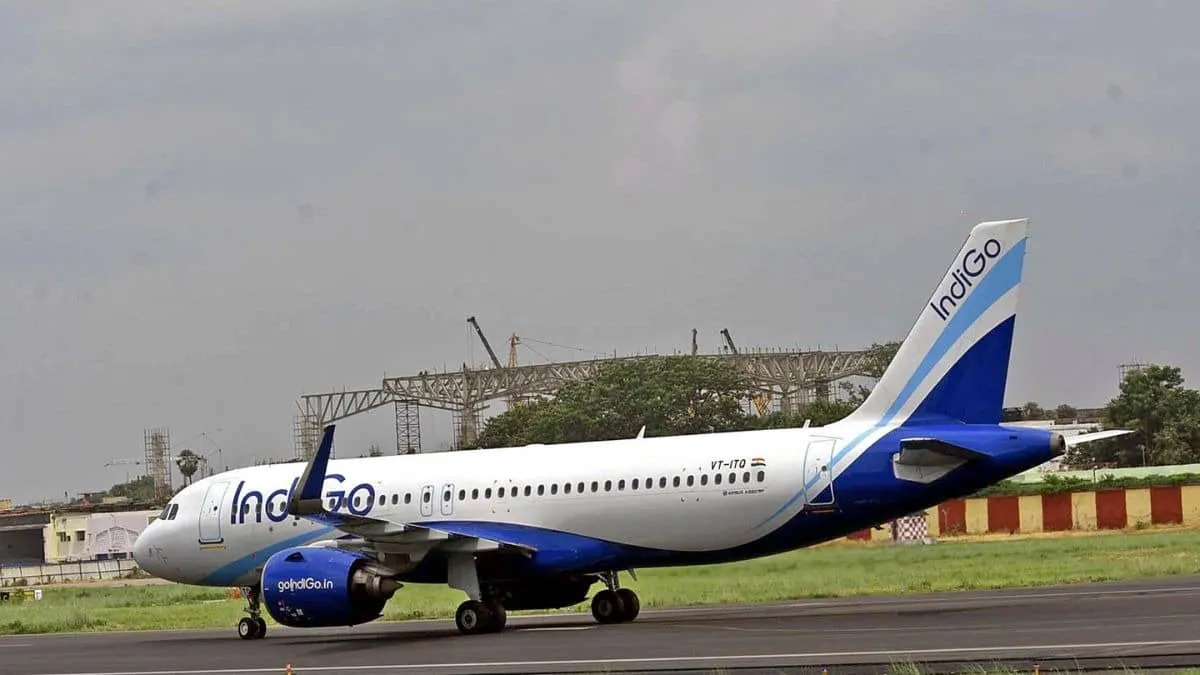
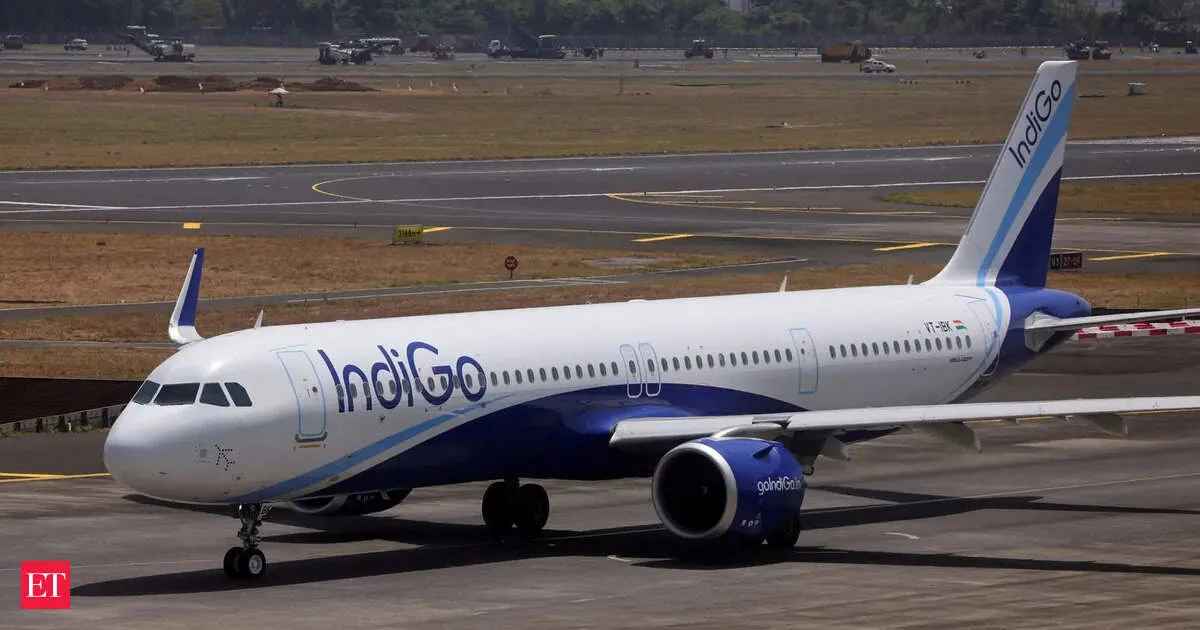
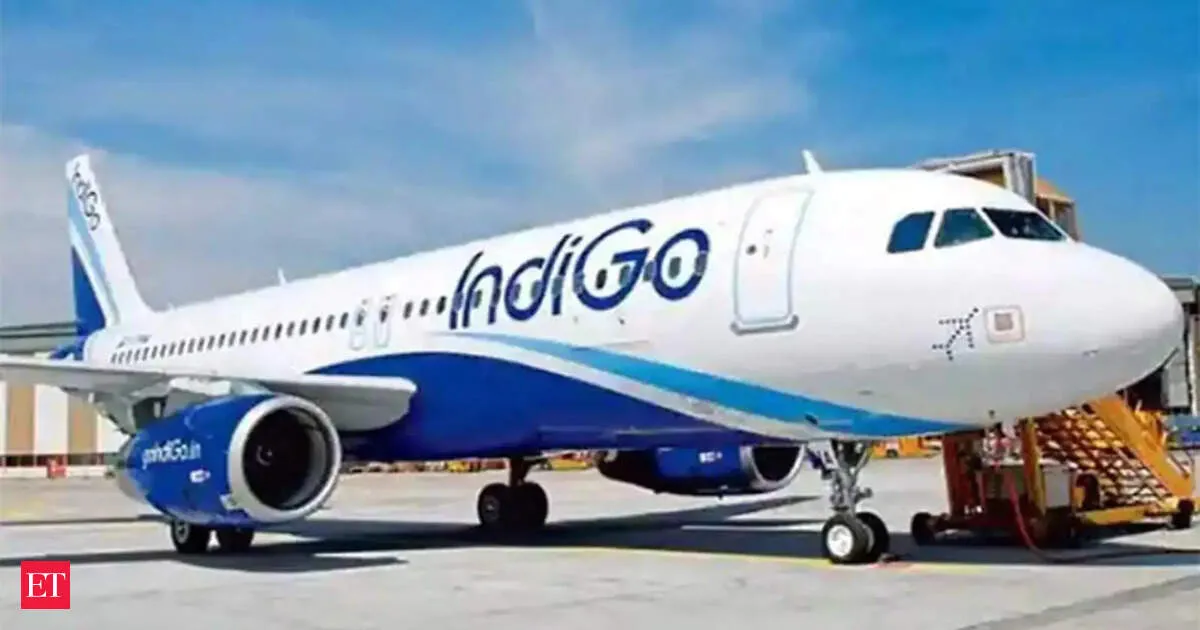
IndiGo has announced it will begin commercial operations from Noida International Airport in Jewar on June 15, 2026. The airline will run the inaugural flights on routes including Lucknow to Noida, Noida to Bengaluru, Bengaluru to Noida, and Noida to Lucknow. IndiGo is set to be the first carrier operating out of the newly built hub.
An IndiGo flight from Delhi to Patna was diverted to Lucknow late Wednesday night after severe turbulence and worsening weather near Patna airspace. IndiGo flight 6E6497, carrying about 181 passengers, landed safely at Chaudhary Charan Singh International Airport around 10:49 PM as a precaution. Authorities said the diversion was made amid deteriorating conditions to ensure passenger safety.
An IndiGo flight from Hyderabad to Chandigarh was evacuated after a passenger’s power bank caught fire moments after landing at Mohali. Smoke spread through the cabin, but the crew contained the flames quickly. All passengers were evacuated safely, though a few sustained minor injuries during the evacuation.
IndiGo has issued a travel advisory after the UAE reported detecting four cruise missiles launched from Iran. The airline says the security situation in the Middle East is evolving and there may be changes to flight schedules. Passengers are urged to check their flight status and stay alert for updates shared through registered contact details.
Reading on mobile?
Open Beige in the app for a smoother experience — free on iOS and Android.
IndiGo has appointed Jochen Hoesch, formerly with Airbus, to lead its AI, data, and analytics function. The airline says the move is aimed at improving operational efficiency and upgrading the customer experience, while accelerating investment in digital infrastructure. With aviation facing intense competition and efficiency pressures, IndiGo is betting on advanced tech to stay future-ready.
IndiGo’s Head of Global Sales, Vinay Malhotra, has resigned and will step down on July 3. Malhotra plans to pursue new opportunities outside the airline. His exit comes after IndiGo’s recent leadership overhaul, including the appointment of William Walsh as CEO and Aloke Singh as Chief Strategy Officer.
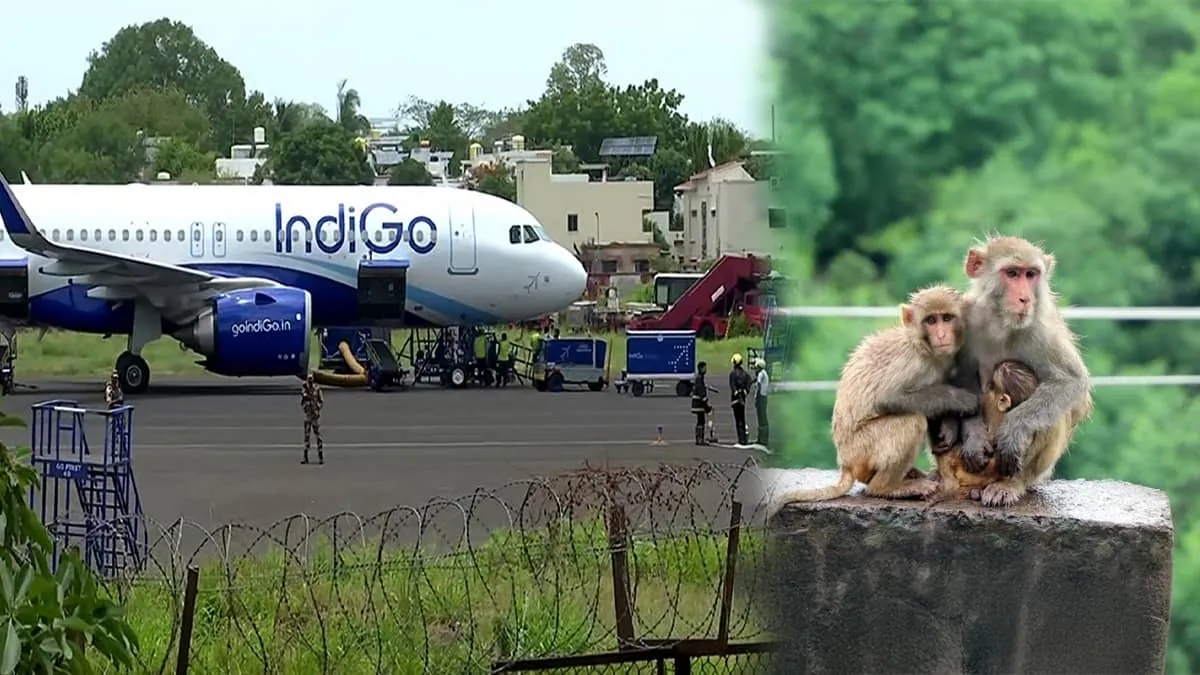
A troop of monkeys suddenly appeared on the active runway at Chaudhary Charan Singh International Airport in Lucknow, triggering an unusual security breach. An IndiGo aircraft headed for Raipur was forced to abruptly halt takeoff. Airport authorities and wildlife management teams were immediately called in to manage the runway and restore safe operations.
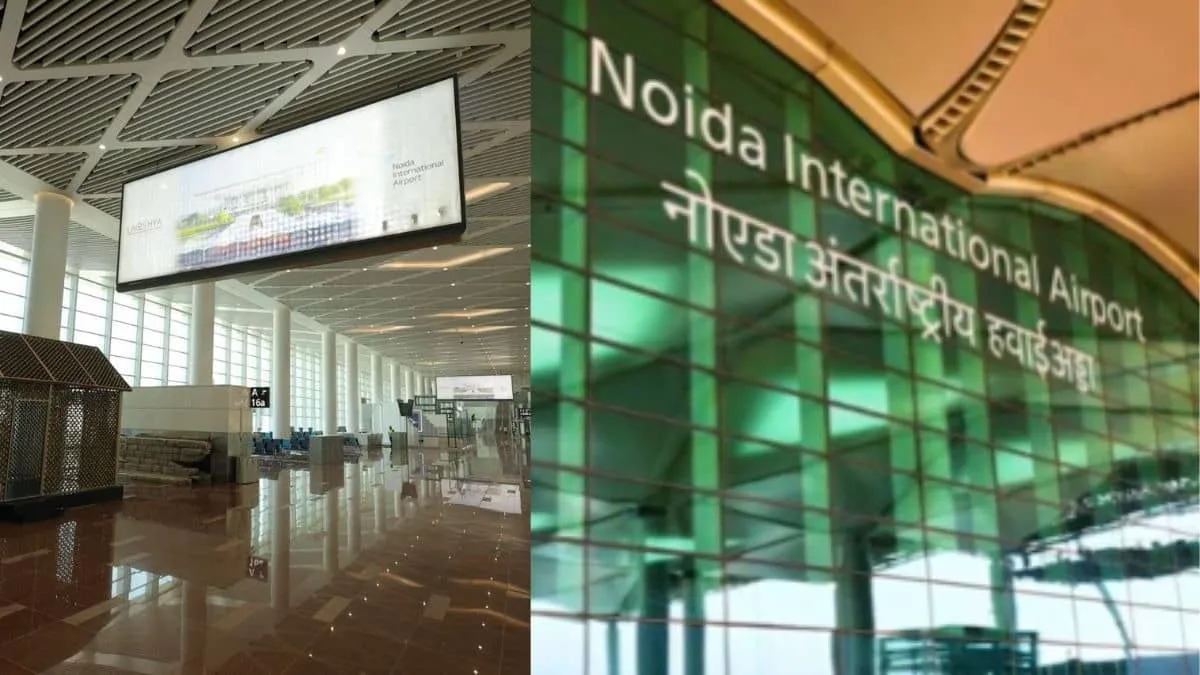
Noida International Airport in Jewar will begin commercial flight operations on June 15, 2026. The airport’s launch follows PM Narendra Modi’s inauguration and subsequent approvals. IndiGo has been named to operate the first flight from the new airport, marking a major milestone for the region’s aviation connectivity.
Follow your favourite sources
Track sources, tags and categories — all in the Beige app.
Noida International Airport is set to begin commercial passenger operations on June 15, 2026, with IndiGo flying the inaugural service. The airport will cater to the National Capital Region and north India, targeting better regional connectivity while easing congestion at Delhi’s airport. Built for modern infrastructure and efficient operations, it is expected to reshape travel options for nearby cities.
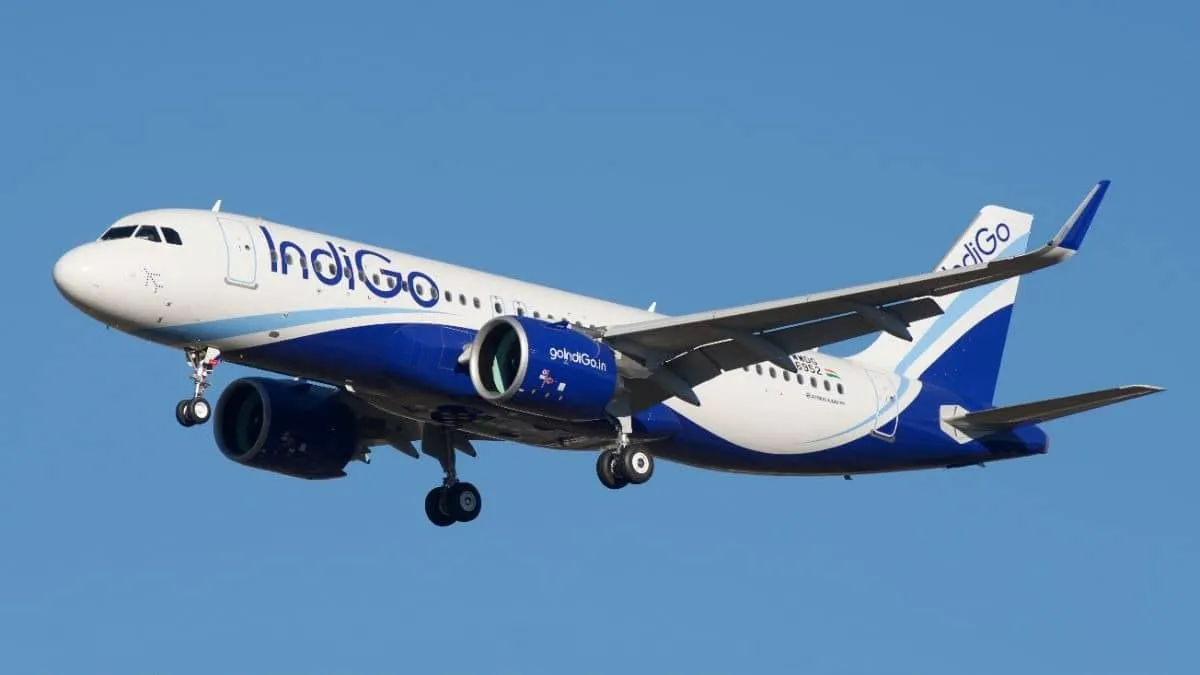
An IndiGo flight from Lucknow to Raipur aborted its takeoff after pilots spotted a monkey on the runway as the Airbus A320 was accelerating. The incident delayed nearly 170 passengers and briefly disrupted airport operations, with another aircraft performing a go-around. Authorities are expected to review runway safety and wildlife control measures.
An IndiGo flight from Kolkata to Pune was diverted to Swami Vivekananda Airport in Raipur on Thursday after a female passenger suddenly lost consciousness onboard. Cabin crew alerted Air Traffic Control to request priority landing and urgent medical assistance. The aircraft landed safely as medical support was arranged for the passenger, avoiding any further escalation during the flight.
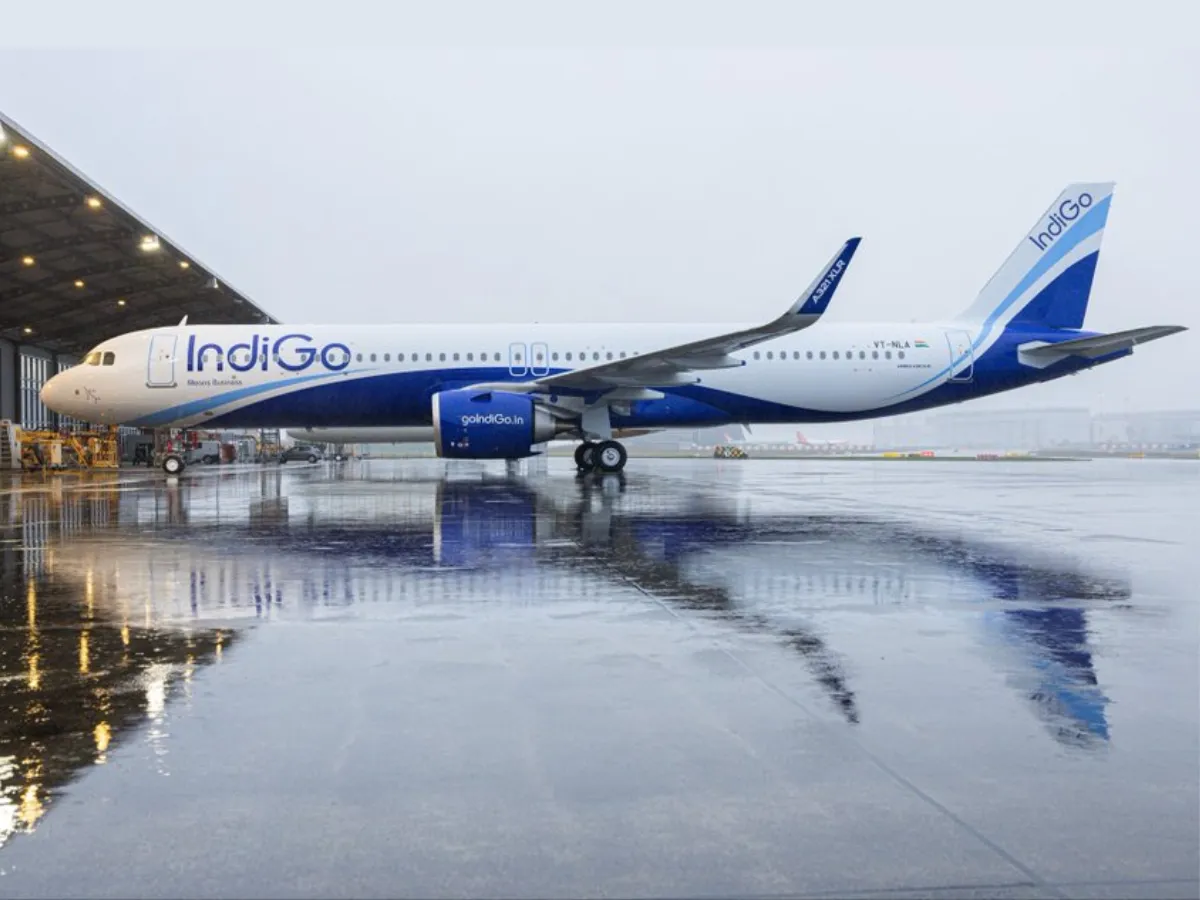
IndiGo has started direct flights from Chennai to Réunion Island, becoming the first Indian airline to offer non-stop connectivity to the French overseas territory. The route will operate three times a week, aiming to meet rising demand from tourists, business travelers, and families—especially the large Indian diaspora in the region.
Stay informed on the go
Bite-sized news from 100+ trusted sources, right in your pocket.
Indian airline shares plunged in the day’s most turbulent session as ATF prices crossed Rs 2 lakh per kilolitre. IndiGo slipped 2.79% to Rs 4,434 and SpiceJet fell 2.58% to Rs 14.35. With ATF costs up 115% since April, investors fear widening losses and pressure on quarterly earnings across the sector.
IndiGo has issued an advisory for Delhi passengers, warning of possible flight delays due to thunderstorms expected over the city. The airline urges travellers to check flight status and keep extra time for journeys. A yellow alert remains in effect for the national capital until Thursday, with forecasts of rain, gusty winds, and possible dust storms following a heatwave that pushed temperatures beyond 42°C.
Swipe through stories, personalise your feed, and save articles for later — all on the app.