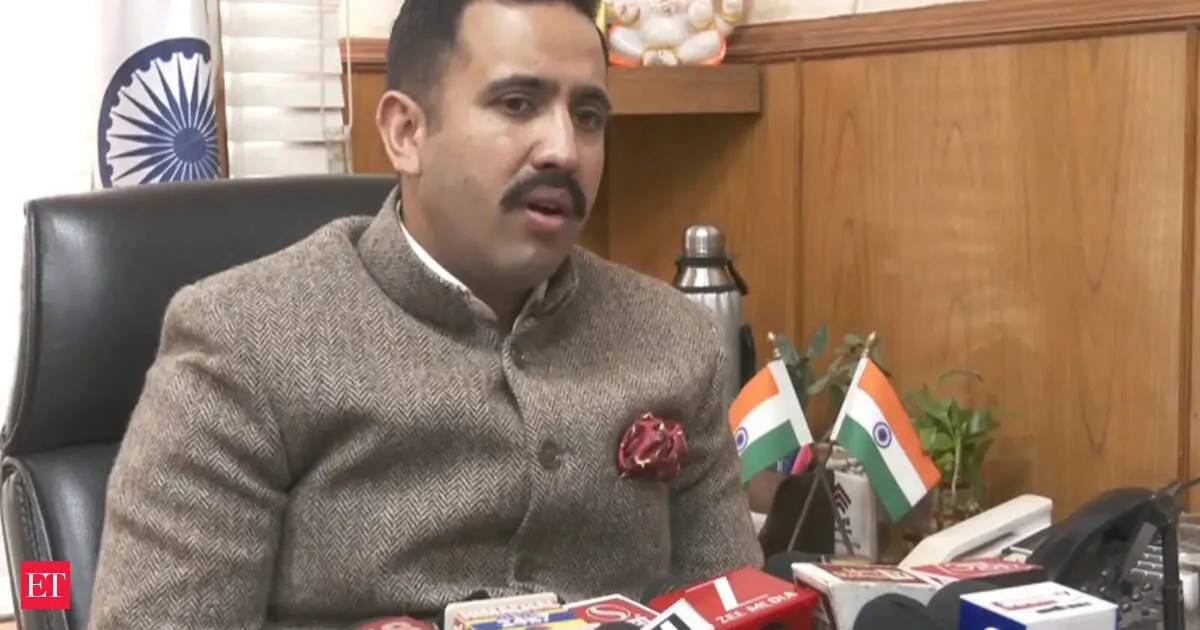
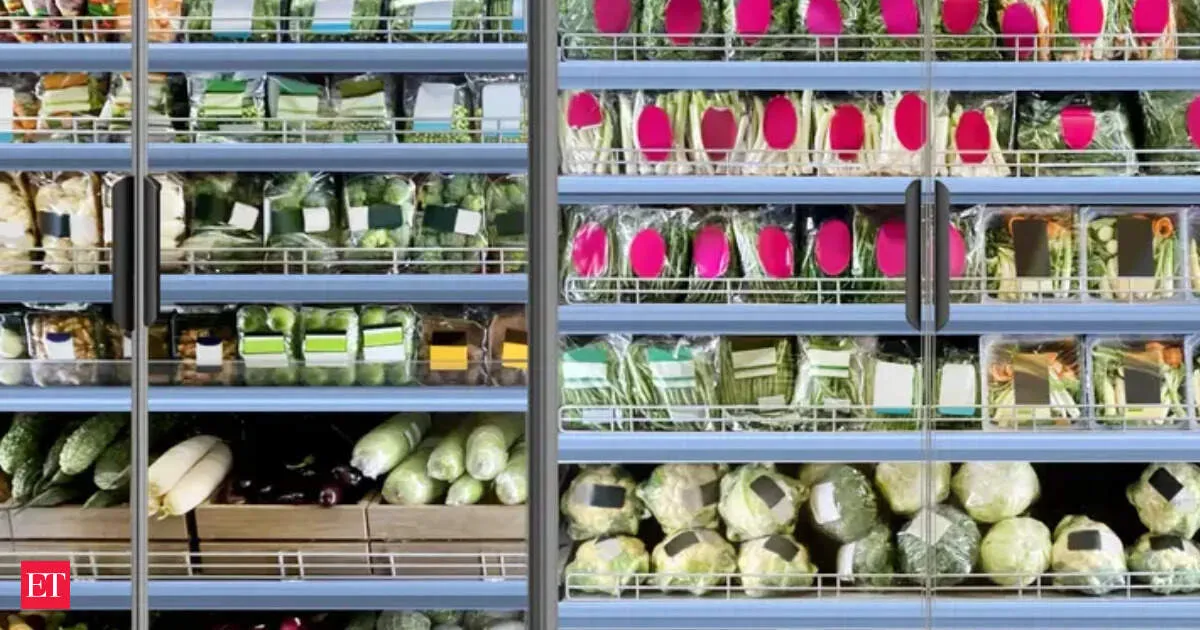
Himachal Pradesh PWD minister Vikramaditya Singh warned that rising petrol and diesel prices are driving inflation across sectors, raising transportation costs for essentials like vegetables, milk and edible oils. He said road construction has stalled in peak tarring season because bitumen prices have doubled, with contractors reportedly not working despite targets of 500–600 km. Singh urged the Centre to intervene amid global uncertainties and also flagged urban waste and untreated sewage entering the Beas river.
SBI Research warns the rupee is at a critical depreciation threshold, where any further fall could cancel out benefits from the recent Rs 3 per litre petrol and diesel price hike. The report says even an extra Rs 2 depreciation increases the effective crude oil price, raising landed import costs enough to fully offset the relief to Oil Marketing Companies. OMC under-recoveries are soaring to about Rs 1,000 crore per day, and SBI also flags inflation and external risks from crude market pressures.
Your news, in seconds
Get the Beige app — every story in 60 words, updated hourly. Free on iOS & Android.
S&P Global cut its outlook for global real GDP growth to nearly 2.4% in 2026, down from 2.6% in its March forecast, citing higher energy prices, persistent geopolitical tensions, and weaker demand. The firm expects only a modest rebound in 2027 to about 2.7%. In Asia-Pacific, growth was revised lower on energy import exposure. For India, real GDP growth for FY 2026–27 was reduced to around 5.9%, driven by inflation, currency pressure, and costlier energy imports.
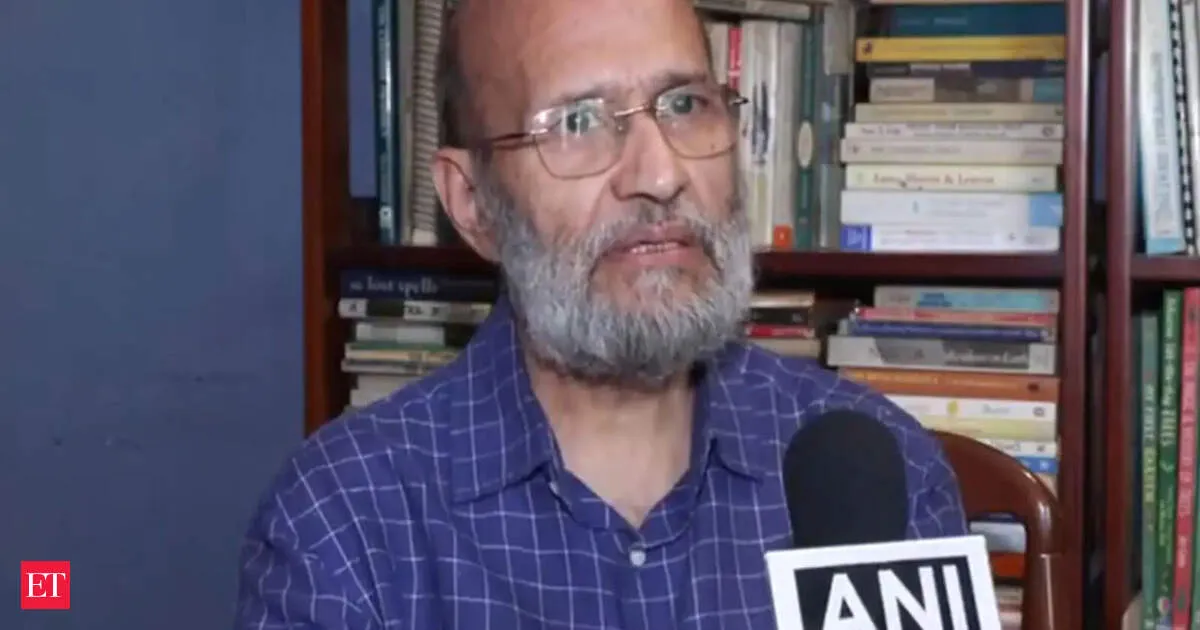
Former UN advisor and economist Santosh Mehrotra says India’s tax approach is worsening inflation and jobs. He argues the government should target super-rich and high-net-worth individuals with surcharges instead of raising regressive indirect taxes on fuel and gold duties. With tensions in West Asia escalating, Mehrotra warns the rupee could slide to ₹100 per US dollar within a quarter. He also cautions crude oil could exceed $150, stressing MSMEs and triggering worker reverse migration.
India’s latest petrol and diesel price increase could fan out into wider retail inflation, economists warn. Analysts estimate fuel hikes may add 10–25 basis points to headline CPI, with effects starting to show in May data and strengthening in June. Transporters expect road freight charges to rise 2.5–3% as diesel, tolls, tyres, maintenance and compliance costs climb. The squeeze may worsen further as rising milk prices stack on top of fuel-driven pressure on household budgets and food delivery.
Rising fuel costs linked to the West Asia conflict are expected to ripple into India’s packaged foods and household staples. Analysts say higher freight, logistics, and input expenses will squeeze margins for FMCG firms already coping with 8 to 10 percent inflationary pressures. Several companies have begun calibrated price hikes of 2 to 5 percent, while Nestlé India and Hindustan Unilever are reportedly evaluating further increases. If oil volatility persists, firms may also cut “grammage,” hitting consumption recovery—especially in rural markets.
Never miss a story
Set alerts for the topics and sources you care about. Download Beige for free.
European stocks are losing momentum as investors pivot from cheap regional equities to the AI trade and worry about a global energy shock. The Stoxx Europe 600 has fallen behind the US and Asia because Europe’s economy is exposed to inflation and supply-chain disruptions from the Middle East conflict, and because its benchmarks contain too little AI-heavy exposure. Even with earnings growth expected, forecasts may be cut as energy hits and higher European borrowing costs threaten growth.
Global bond markets are bracing for sharp interest rate pain as investors recalibrate for higher-for-longer rates. Benchmark 10-year U.S. Treasury yields reached their highest level in about a year, shortly after the government sold 30-year bonds at the highest yield since 2007. Traders link the move to sticky inflation and energy shocks tied to the war with Iran, pushing expectations of further central-bank hikes worldwide and pressuring mortgages, lending, stocks, and growth.
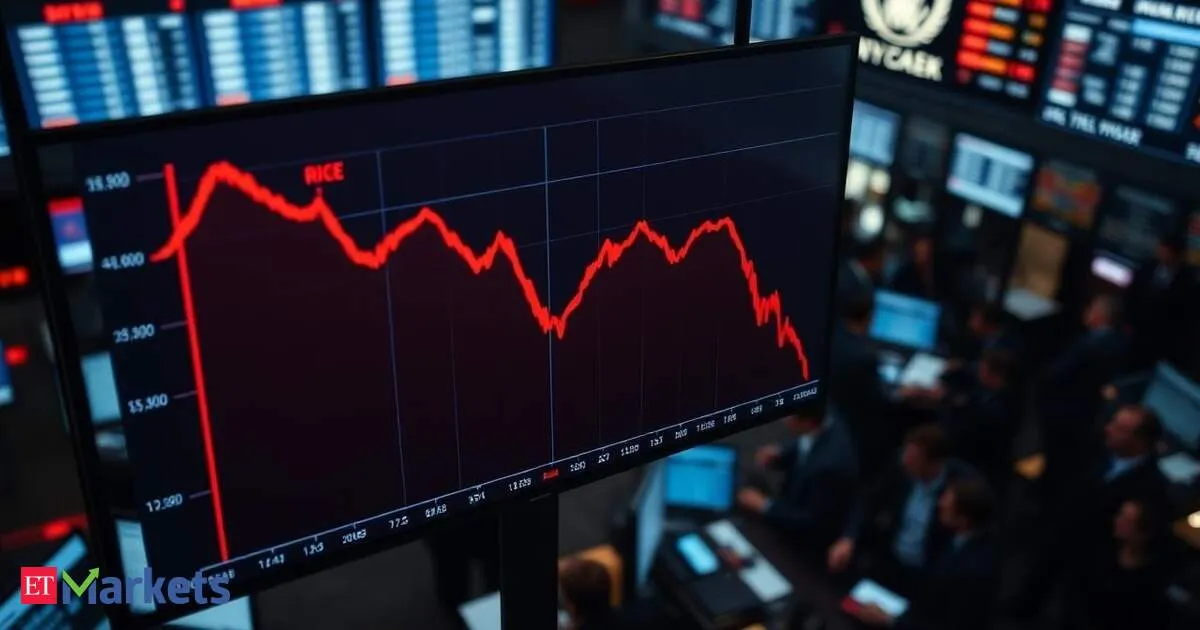
European equities slid for the week as STOXX 600 fell 1.5% to 606.92, driven by soaring energy costs tied to US Iran tensions. Analysts warned inflation is starting to bleed into consumer and producer prices, pushing markets toward at least two European Central Bank rate hikes by year end. The bond selloff mirrored the shift. Cyclical sectors and defence led the drop, with banks down 6% and materials off 5.1%, while select semiconductors and firms like Technoprobe bucked the trend.
Gold fell to a more than one-week low on Friday, pressured by rising U.S. Treasury yields and a firmer dollar, which increase the opportunity cost of non-yielding bullion. The sell-off deepened as Middle East conflict sparked inflation concerns, lifting expectations for higher interest rates. Spot gold slid 2.6% to $4,527.80 per ounce, its lowest since May 5. Other precious metals also tumbled, with silver down 8.7% and on track for its worst day since March 3.
Reading on mobile?
Open Beige in the app for a smoother experience — free on iOS and Android.
As the US-Iran conflict shows no signs of ending, former UN Economic Advisor Santosh Mehrotra warns India faces a fresh oil-driven spiral. He says every USD 10 rise in global oil can widen India’s current account deficit by about 0.3% of GDP and similarly lift CPI. With GDP and CPI revisions already reflecting the “current situation,” he fears prolonged war effects. He points to Strait of Hormuz disruptions, tighter LPG supply hurting restaurants and ceramics, and a diesel hike that could further spread inflation to consumers.
Wall Street is coming off another leg higher, but investors say next week’s earnings could test whether the rally is broad or fragile. Nvidia reports Wednesday, with its AI-driven surge watched as a read on data-center demand and whether rivals are eroding its lead. On Thursday, Walmart and other retailers including Home Depot, Target and TJX will reveal how inflation-pressured consumers are coping, after rising energy costs and hot price data. Analysts call retail resilience the key.
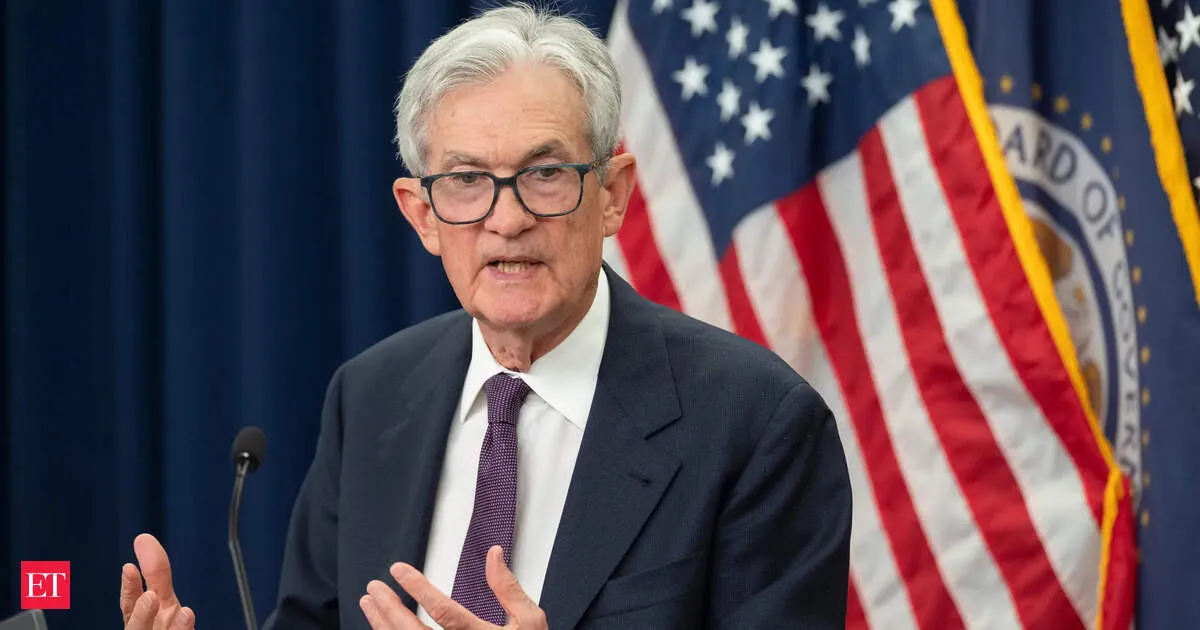
The US Federal Reserve board has appointed Jerome Powell as temporary chair until successor Kevin Warsh is sworn in, following Warsh’s Senate confirmation this week. Powell’s term ended Friday, and the Fed says the move follows past transition practice, though it has not set a swearing-in date. The decision drew dissent from Trump nominees Stephen Miran and Michelle Bowman, who argued the interim role must be time-limited. Warsh, a former inflation “hawk,” now aligns with lower-rate pressure.
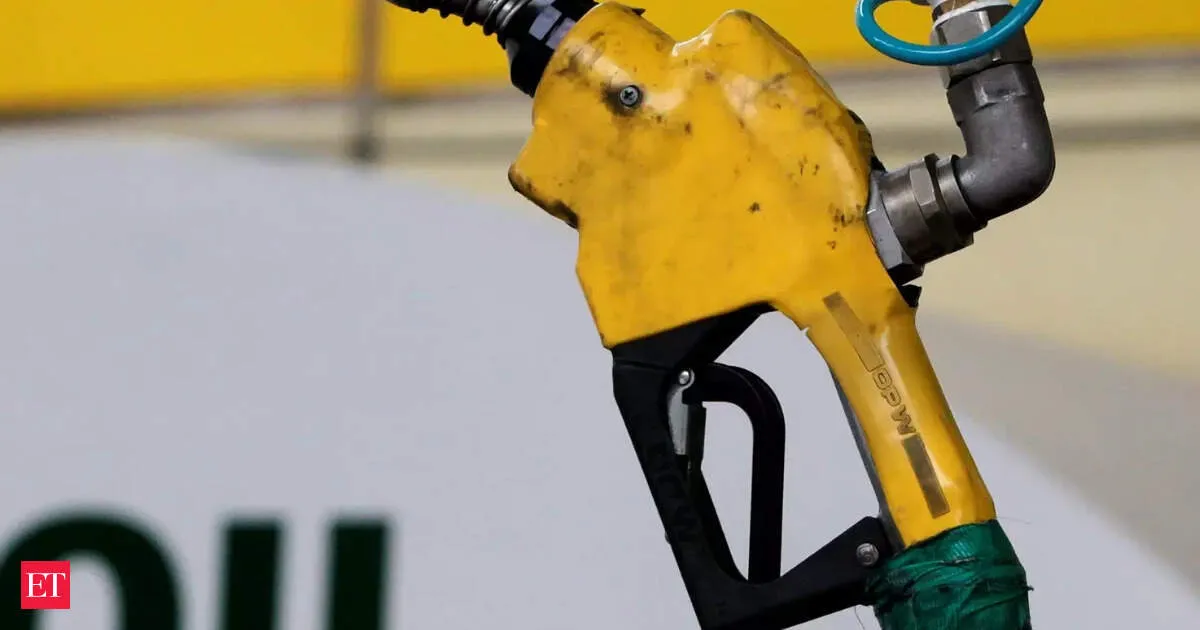
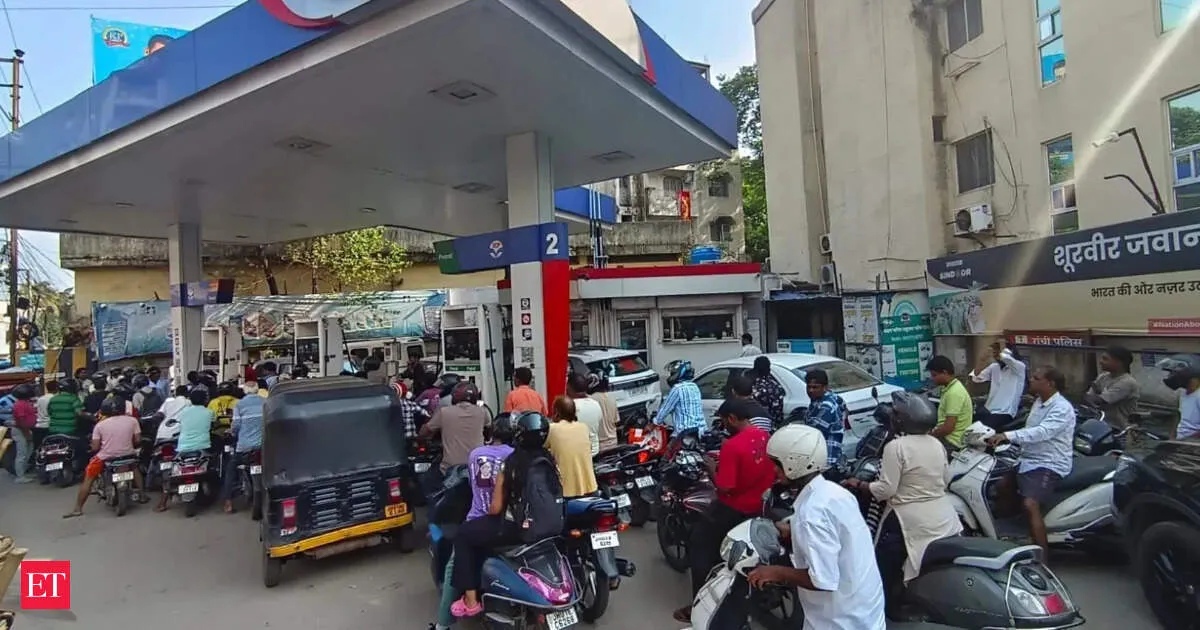
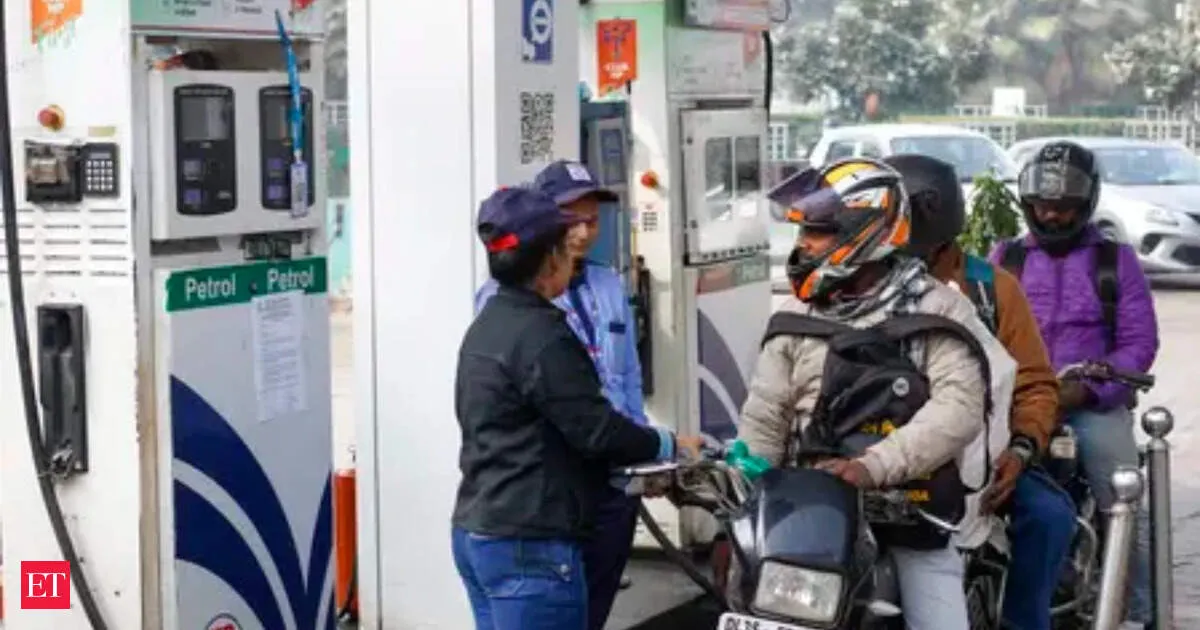
State-run oil companies in India raised petrol and diesel prices by Rs 3 per litre, the first pump hike in four years, following crude surges after the Iran war. The government aimed to trim losses for fuel retailers but expects higher freight costs and added inflation pressure. While industry executives wanted a bigger increase, they say the revision fails to close the under-recovery gap. Procurement costs have risen sharply as the Indian crude basket and the rupee both worsened, with more hikes likely.
Follow your favourite sources
Track sources, tags and categories — all in the Beige app.
Retail inflation in India may rise by 15–20 basis points in the coming months after a Friday fuel price hike of ₹3 per litre for petrol and diesel, analysts say. With petrol and diesel carrying 4.8% weight in the CPI, a 3–5% fuel increase could add 15–25 bps directly, plus 10–15 bps from transport, logistics and agricultural input costs. Effects will spread across May and June inflation, with broader impacts visible over 3–4 months.
Congress launched a fresh attack on the Centre after petrol and diesel prices rose by ₹3 per litre, arguing the move will trigger inflation. Rahul Gandhi said the “₹3 shock has already arrived” and suggested more pain is coming in stages. Mallikarjun Kharge blamed not only global fuel factors but a “leadership crisis” under the Modi government, citing diesel’s cascading impact on costs. Congress also alleged the BJP has monetised fuel taxes at scale over 11 years.
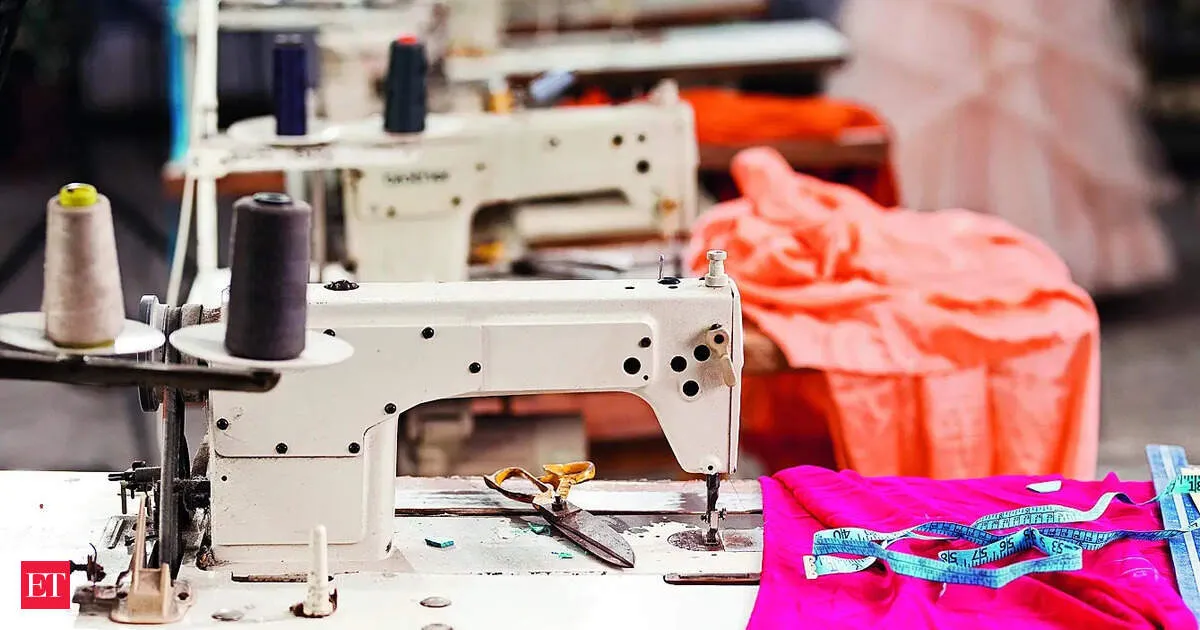
Indian textile industry bodies have asked the government to scrap an 11% import duty on raw cotton after domestic prices jumped about 25% in two months. They say this crop year’s cotton output could fall roughly 10% short of initial expectations, with current production estimated at 29.2 million bales versus domestic demand of 328 lakh bales. Manufacturers also argue they’re losing ground to Vietnam and Bangladesh, where cotton imports enter duty-free, while a newly approved ₹5,659 crore cotton productivity mission is underway.
Longer-dated U.S. Treasury yields rose to their highest levels in a year as oil prices climbed and renewed fears of Middle East energy disruptions intensified inflation worries. Friday’s jump followed comments from President Donald Trump and Iran’s foreign minister, which dimmed hopes for a quick deal to end attacks and seizures near the Strait of Hormuz. Investors were further spooked by fresh inflation data showing energy impacts already boosting both consumer and producer prices, pushing yields up across the curve.
Stay informed on the go
Bite-sized news from 100+ trusted sources, right in your pocket.
Wall Street opened sharply lower on Friday as inflation fears—linked to the Middle East conflict—pushed Treasury yields higher. That jump in yields threatens to derail a recent AI-fueled rally by tightening financial conditions for stocks. The S&P 500 and Nasdaq both dropped about 1% at the open, signaling risk-off sentiment returning quickly. Traders are now focused on whether higher yields persist and how markets interpret incoming inflation signals after the shock from geopolitical tensions.
Allied Blenders and Distillers, maker of Officer’s Choice whiskey, is leaning harder into premium and luxury spirits even as inflation concerns tied to the Middle East war linger. Managing Director Alok Gupta said the company is seeing strong double-digit growth in its Prestige & Above portfolio and a rising share in sales value, with profitability prioritized over mass volumes. P&A brands now make up about 47% of volumes and 58% of sales value, while margins are expected to expand to 300 bps by FY28.
Swipe through stories, personalise your feed, and save articles for later — all on the app.