Britannia Industries shares fell over 4% after Q4 net profit rose 21%, as the company warned of impending biscuit price hikes. While investors expected good news, management pointed to input cost inflation and supply chain disruptions linked to West Asia conflict. Brokerages largely kept neutral views, reflecting uncertainty over cost pass-through and demand.
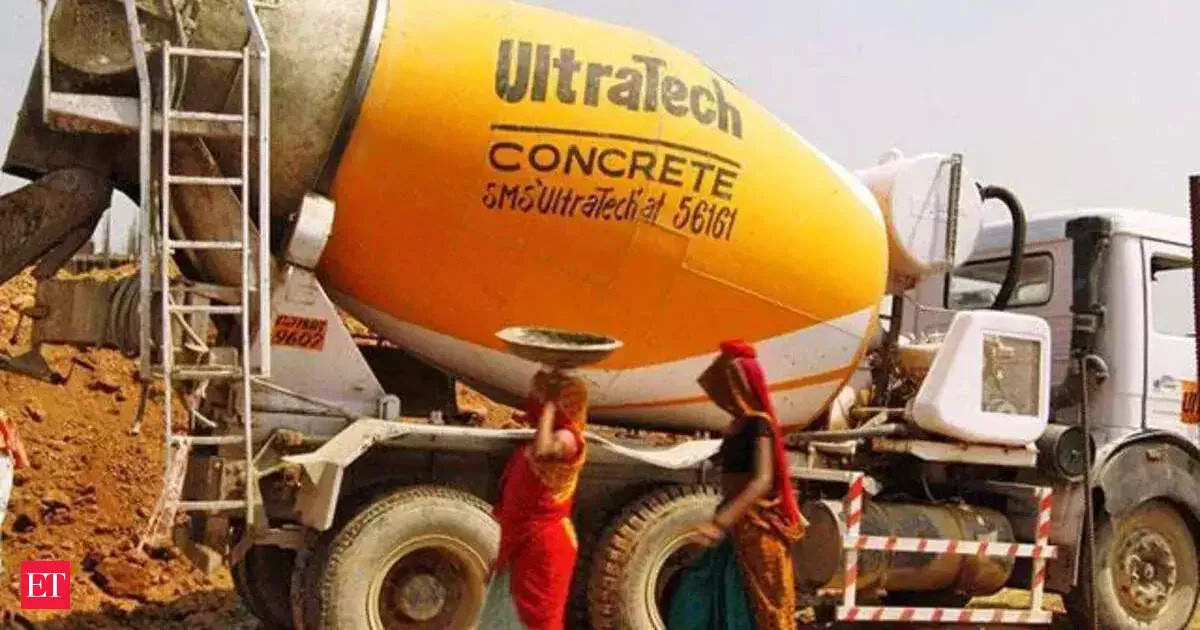
UltraTech Cement says rising expenses tied to plastic packaging and fuel are a major headwind as it targets double digit volume growth in FY27. While the company cautions that these cost pressures could weigh on performance, it is still pushing capacity expansion and expects cement demand to stay supported by urbanisation and government infrastructure spending.
Your news, in seconds
Get the Beige app — every story in 60 words, updated hourly. Free on iOS & Android.
Godrej Consumer Products shares slid nearly 6% even as Q4 net profit rose 9.7% year on year and revenue grew in double digits. Analysts still stayed positive, pointing to stronger domestic volumes, improving Indonesia performance and FY27 margin guidance. The drop reflects concern over near-term input cost pressure and possible demand slowdown, outweighing the headline earnings beat.
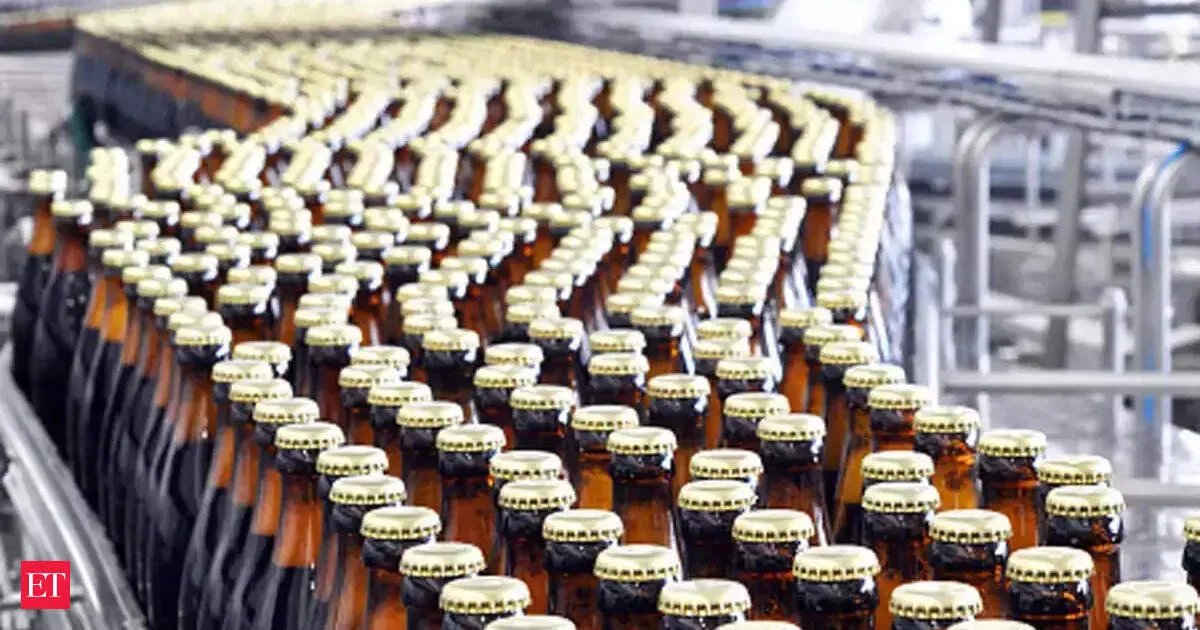
United Breweries, the maker of Kingfisher beer, is planning to withdraw from unprofitable regions after soaring input costs and rigid state-controlled pricing squeeze margins. With profitability taking a hit, the company says it will make hard choices on supply levels, promotions, and which markets to prioritize to protect financial viability.
Air conditioner prices are likely to climb further in the coming months as manufacturers face higher input costs for key materials like copper and aluminium. The shift to new energy-efficiency norms is adding extra compliance costs, compounding the pressure. Industry leaders expect these inflationary factors to persist for 12 to 18 months, forcing consumers to adapt to costlier cooling.
India’s manufacturing growth inched higher in April, with the PMI rising to 54.7, but it hovered near a four-year low. Weak domestic demand and war-driven increases in input costs kept momentum muted. Still, export orders strengthened, firms added jobs, and sentiment improved, hinting that demand may shift beyond home markets.
Never miss a story
Set alerts for the topics and sources you care about. Download Beige for free.
Hindustan Unilever posted stronger-than-expected volume growth led by home care and beauty, but rising input costs squeezed margins. To protect sales momentum, the company plans calibrated price increases of about 2–5% across products. For FY27, HUL retained its EBITDA margin guidance, banking on premiumization and quicker commerce-led execution to keep performance buoyant.
Hindustan Unilever says it will take calibrated price increases to offset rising input costs, while prioritising volume-led growth. The company believes volumes in daily essential categories will hold steady thanks to low price elasticity. HUL is also pushing savings across operations to manage short-term pressure without derailing its long-term growth plans.
Nandini Piramal says West Asia tensions are manageable today, but a prolonged US Israel war against Iran could raise costs for petrochemical derived products that feed parts of the pharma supply chain. Piramal Pharma is responding by diversifying sourcing and using global manufacturing. It expects stronger momentum in contract development and manufacturing, with growth from overseas sites and complex hospital generics.
AWL Agri Business says its input costs have jumped 20% as the Middle East conflict disrupts fuel, chemicals, and packaging supplies. The company is updating prices to offset the spike, following similar moves by other FMCG players. It is also pushing wider distribution and boosting online sales to protect volume growth despite higher costs.
Reading on mobile?
Open Beige in the app for a smoother experience — free on iOS and Android.
Brands are shrinking their product lineups to offset rising input costs and global supply stress. Smartphone and TV makers are cutting model numbers, while FMCG companies are streamlining packaging. The shift targets popular, profitable items to improve efficiency and protect margins amid higher component prices, and analysts expect the trend to keep expanding.
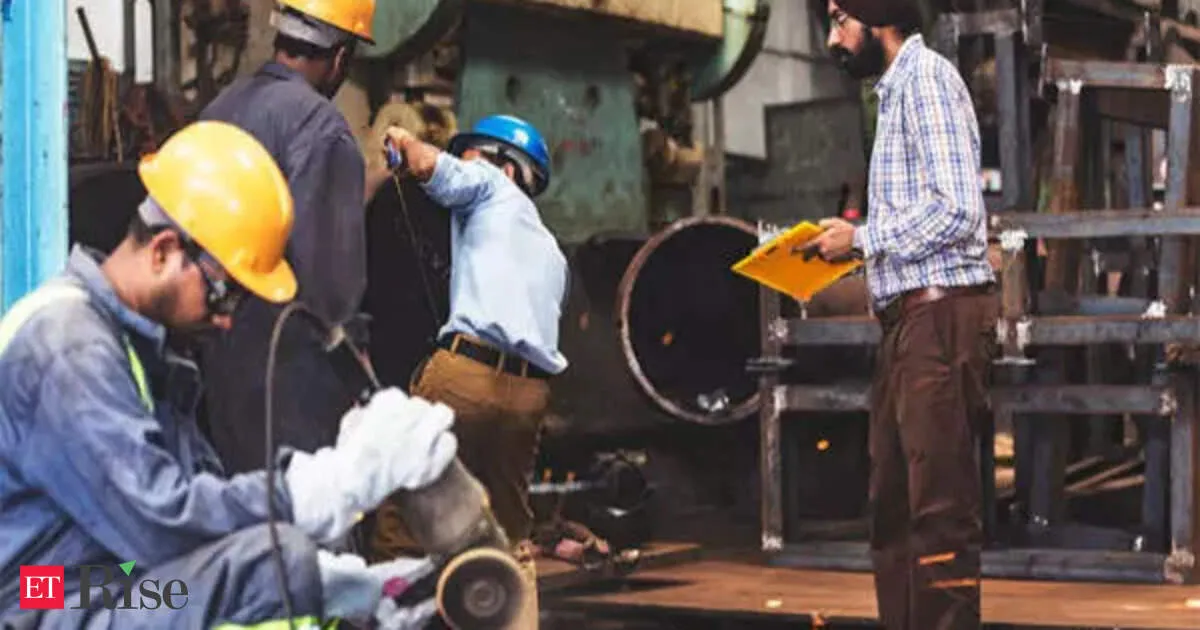
India’s engineering export outlook is under renewed strain as West Asia conflict disruptions persist despite a fragile ceasefire. While the pause offers limited relief, shipping route disruptions and rising input costs—especially petrochemical derivatives and LPG—are hurting production and shrinking export volumes. Industry players warn that volatility could keep pressure on manufacturing far longer than traders expect.
The Society of Indian Automobile Manufacturers (SIAM) says the West Asia war may hurt India’s auto sector in the near term. SIAM president Shailesh Chandra warned of rising input costs, supply chain disruptions, and added pressure on logistics, all of which could impact production and timely movement of vehicles and components.
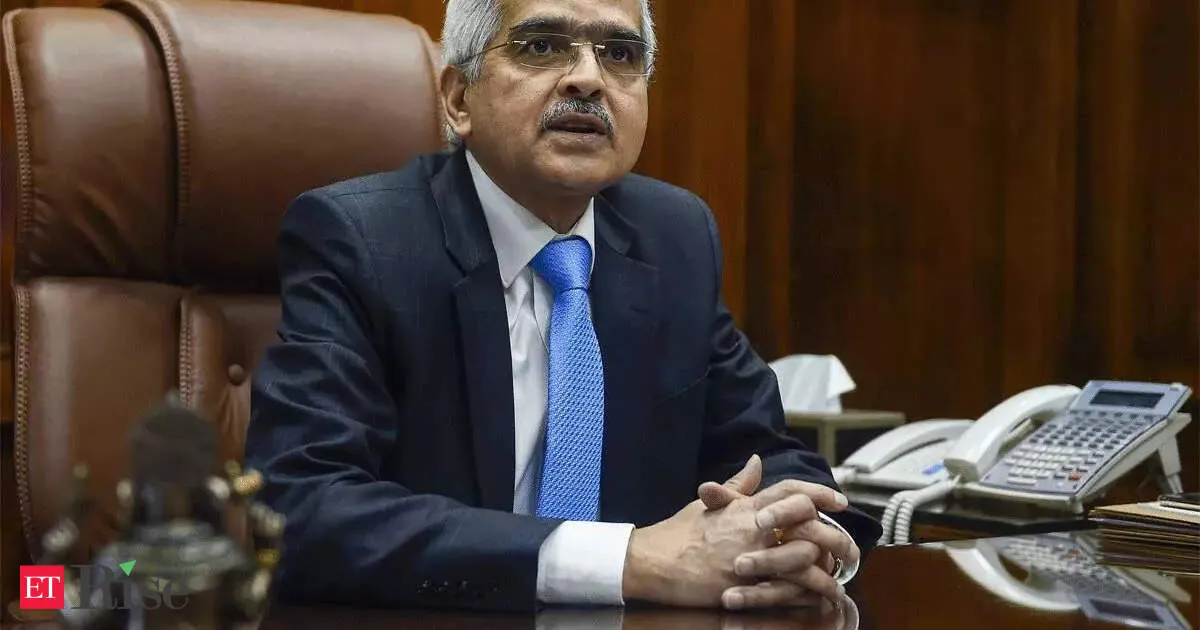
RBI Governor Shaktikanta Das said global supply chain disruptions and input cost pressures are likely to linger. He warned these pressures could worsen if Covid-19 infections rise again in major economies, a trend already seen since March. The message signals continued caution on inflation risks, as uneven recovery and disruptions continue to feed costs.
Follow your favourite sources
Track sources, tags and categories — all in the Beige app.
India’s pharma industry warns that the Iran war’s ripple effects on input costs may push prices of essential drugs up by 3 to 5 percent in the near term. The increase is expected to last about 3 to 4 months, but companies are keeping the door open for a rollback if costs stabilise, bringing prices back closer to recent levels.
Swipe through stories, personalise your feed, and save articles for later — all on the app.