Global bond markets are bracing for sharp interest rate pain as investors recalibrate for higher-for-longer rates. Benchmark 10-year U.S. Treasury yields reached their highest level in about a year, shortly after the government sold 30-year bonds at the highest yield since 2007. Traders link the move to sticky inflation and energy shocks tied to the war with Iran, pushing expectations of further central-bank hikes worldwide and pressuring mortgages, lending, stocks, and growth.
European equities slid for the week as STOXX 600 fell 1.5% to 606.92, driven by soaring energy costs tied to US Iran tensions. Analysts warned inflation is starting to bleed into consumer and producer prices, pushing markets toward at least two European Central Bank rate hikes by year end. The bond selloff mirrored the shift. Cyclical sectors and defence led the drop, with banks down 6% and materials off 5.1%, while select semiconductors and firms like Technoprobe bucked the trend.
Your news, in seconds
Get the Beige app — every story in 60 words, updated hourly. Free on iOS & Android.
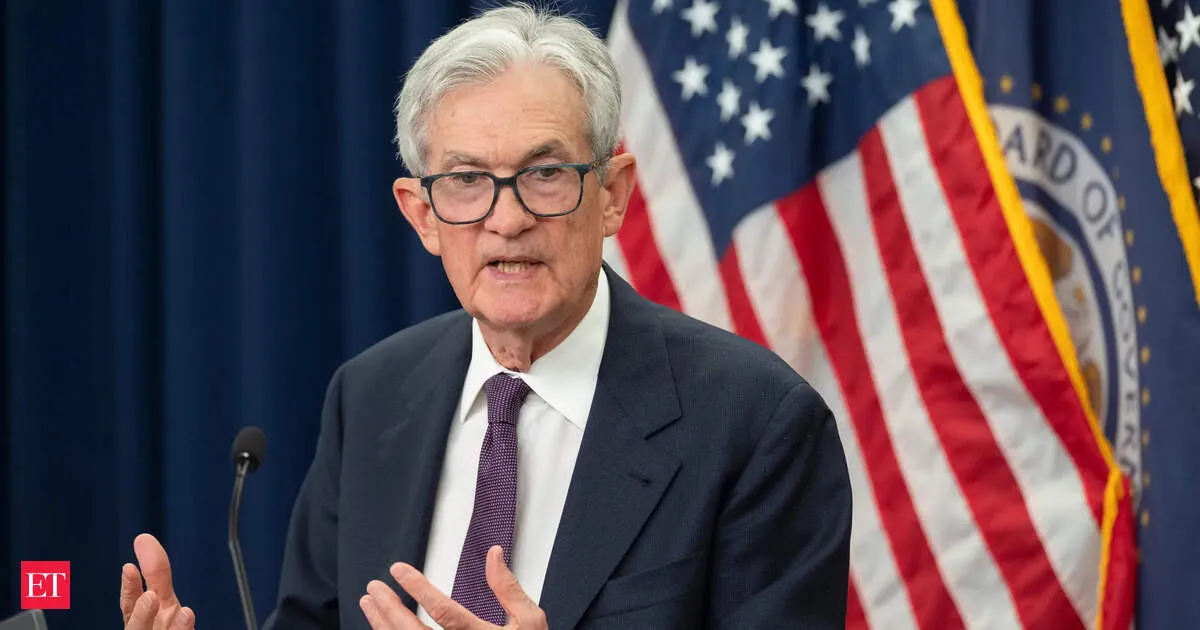
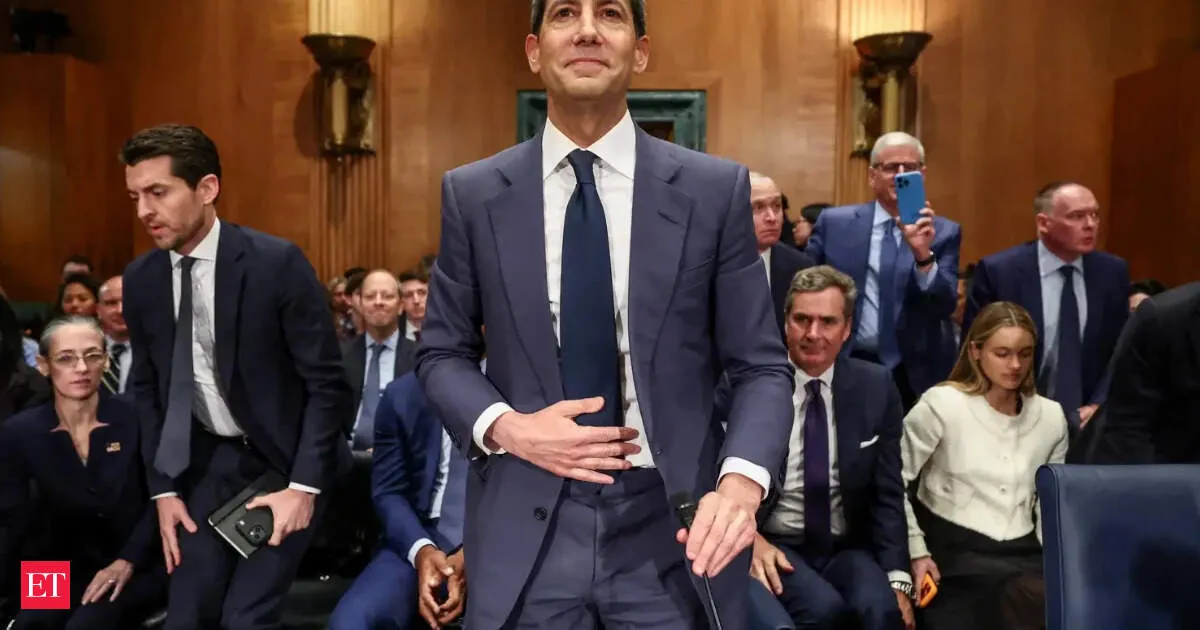
The US Federal Reserve board has appointed Jerome Powell as temporary chair until successor Kevin Warsh is sworn in, following Warsh’s Senate confirmation this week. Powell’s term ended Friday, and the Fed says the move follows past transition practice, though it has not set a swearing-in date. The decision drew dissent from Trump nominees Stephen Miran and Michelle Bowman, who argued the interim role must be time-limited. Warsh, a former inflation “hawk,” now aligns with lower-rate pressure.
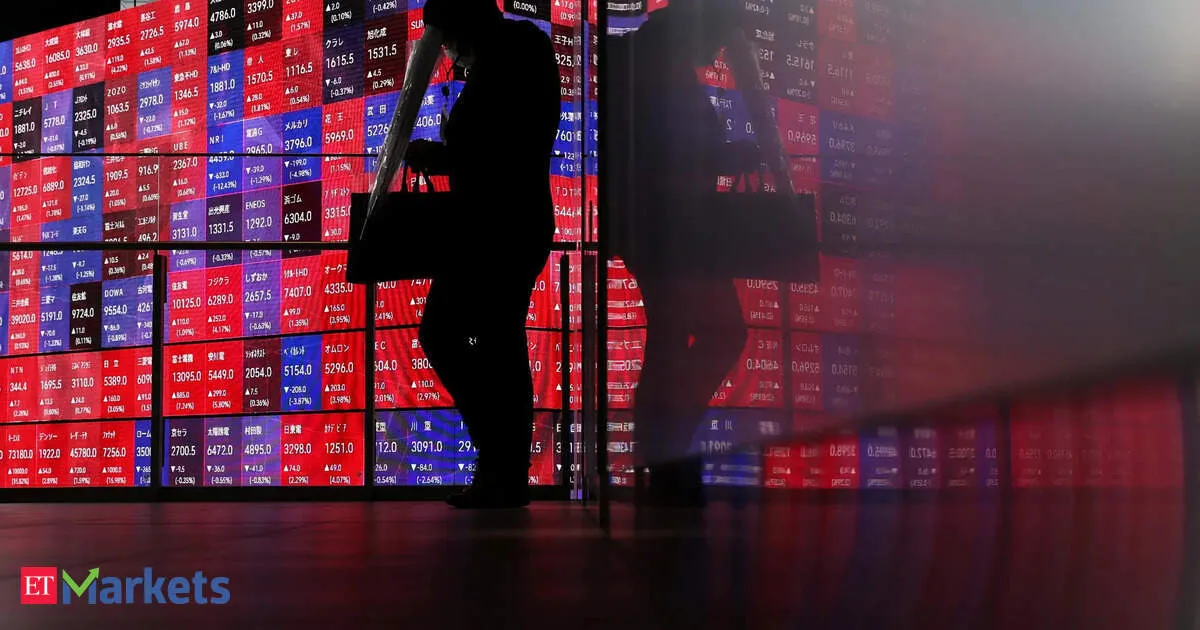
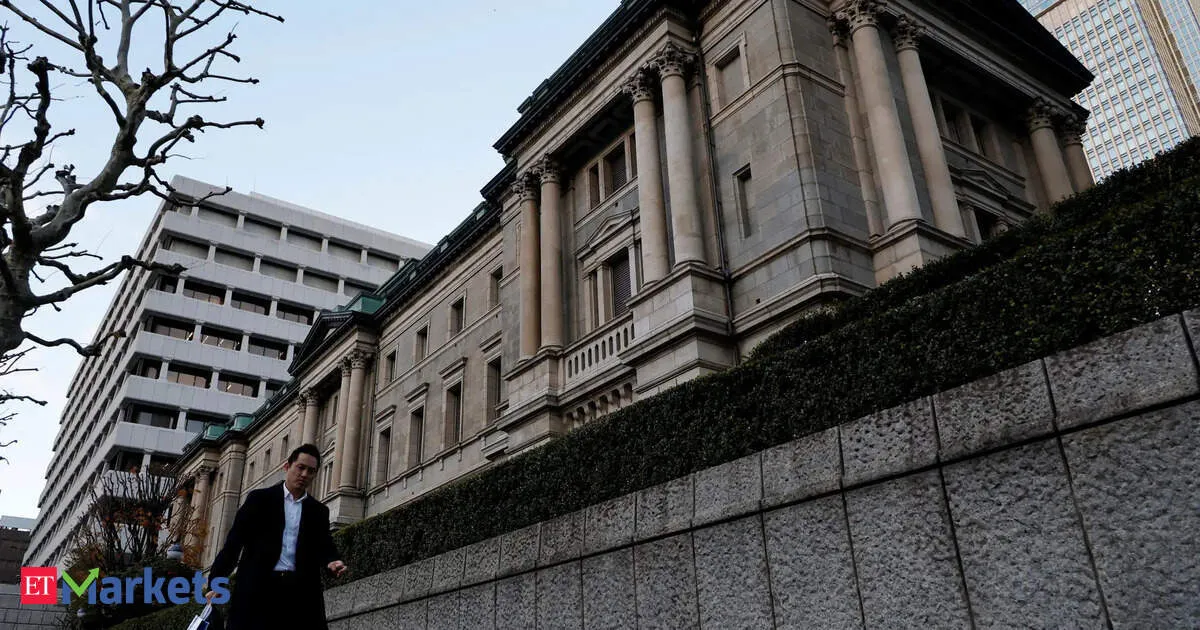
Japan’s government bond yields surged across the yield curve as markets increasingly bet the Bank of Japan will tighten policy. The 10-year JGB yield climbed up to 10 basis points to 2.73%, the highest since May 1997, while five- and 20-year yields touched all-time peaks. The move gained traction after data showed Japan’s wholesale inflation rose fastest in three years in April. Additional pressure came from rising US Treasury yields amid global inflation worries.
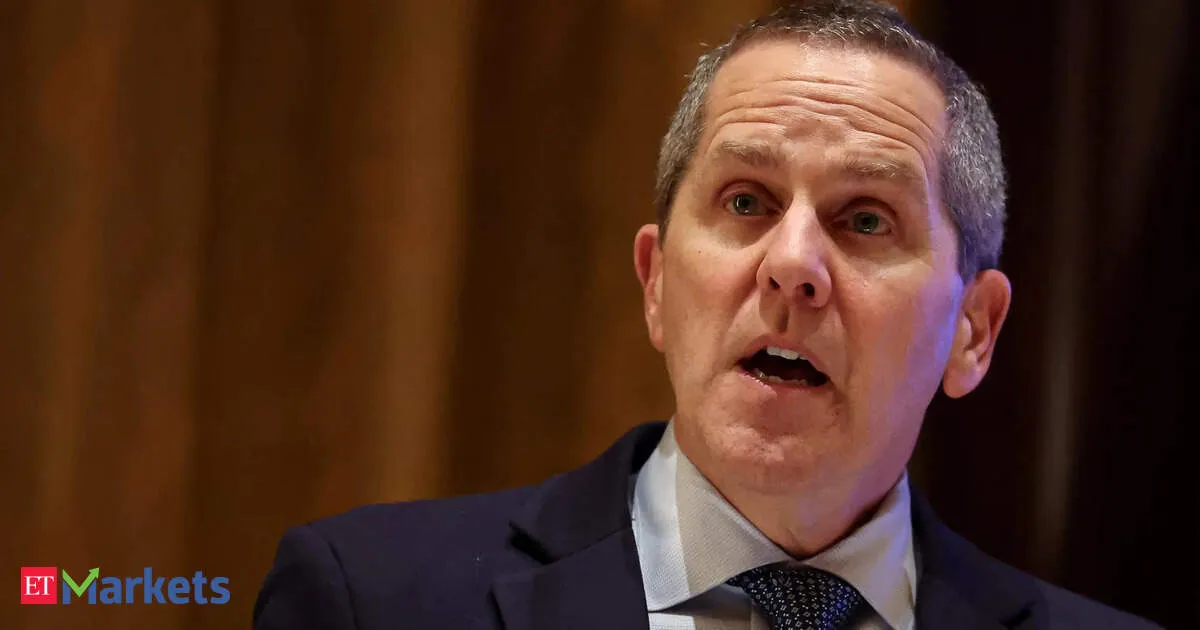
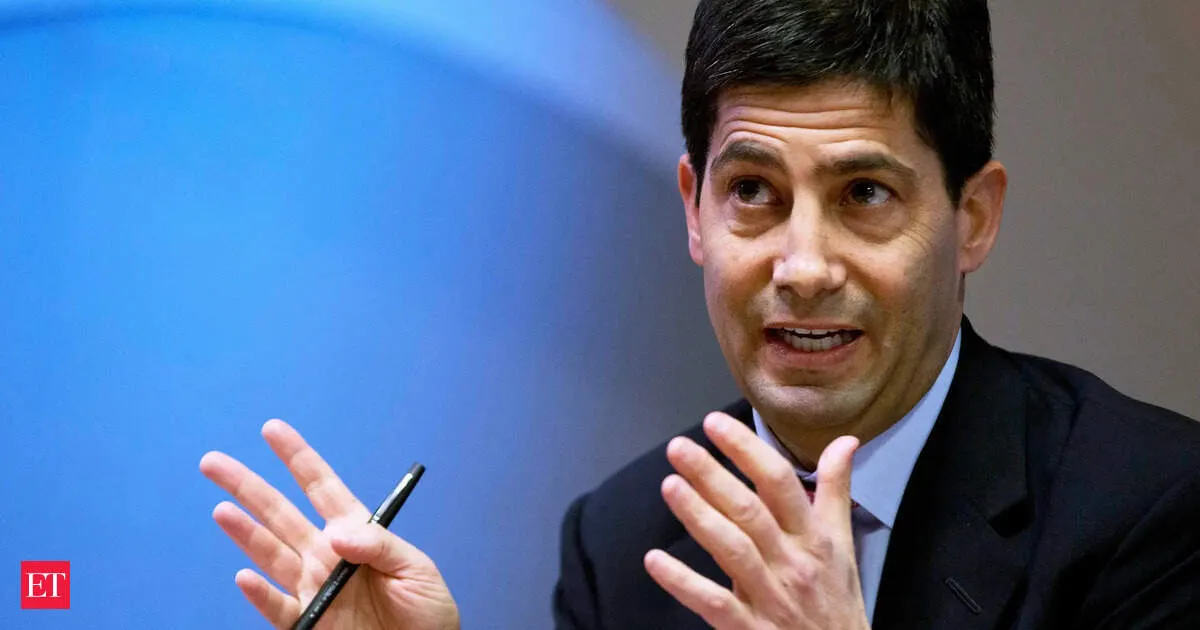
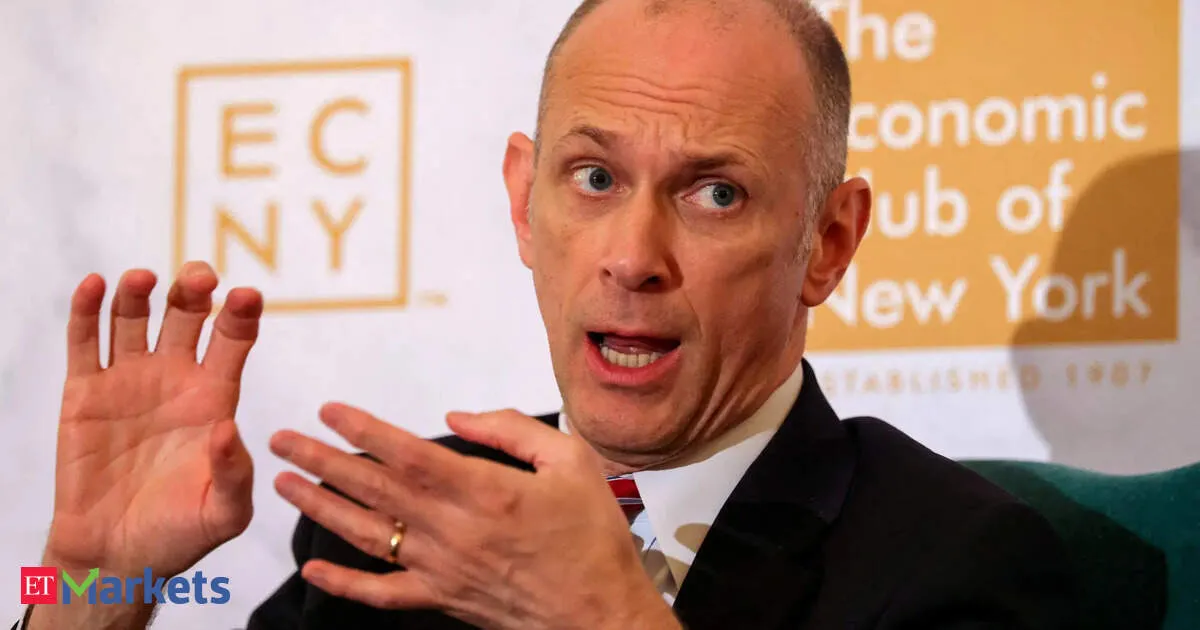
Federal Reserve Governor Michael Barr urged policymakers to avoid shrinking the Fed’s balance sheet by easing bank liquidity requirements. He warned such changes could weaken financial resilience, disrupt money market functioning, and raise the chance that banks would need emergency central bank support during stress. Barr pointed to the 2023 banking turmoil as evidence regulators should strengthen, not loosen, liquidity buffers. His remarks arrive as debate intensifies over a possible future Fed direction under Kevin Warsh, who favors a smaller balance sheet and argues it could create more space to cut rates.
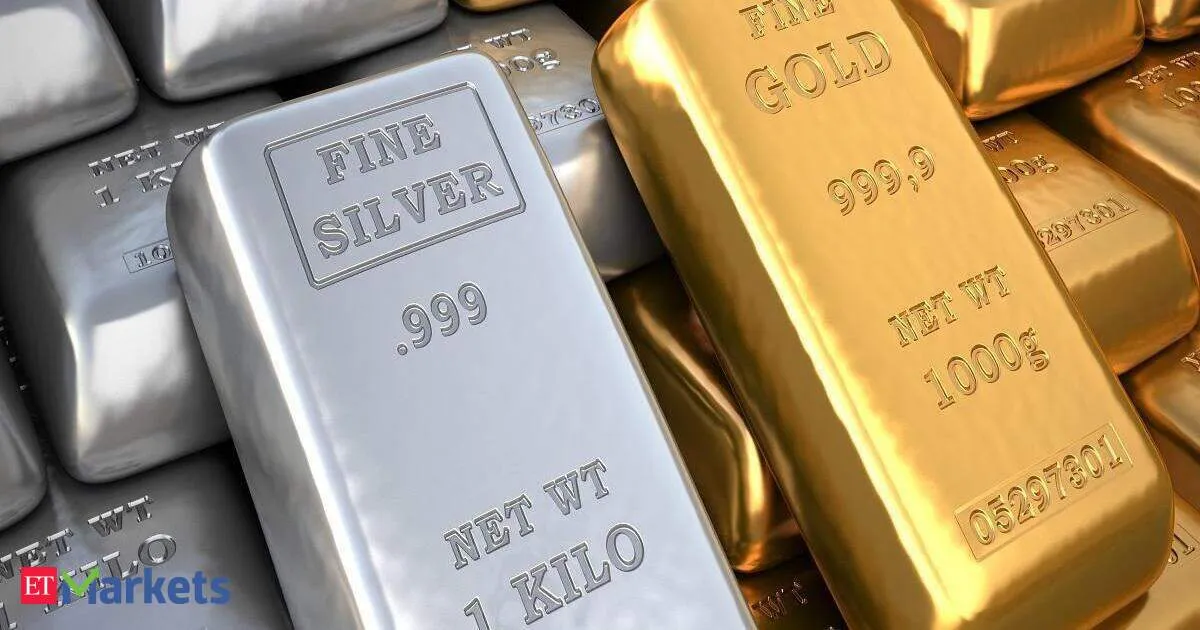
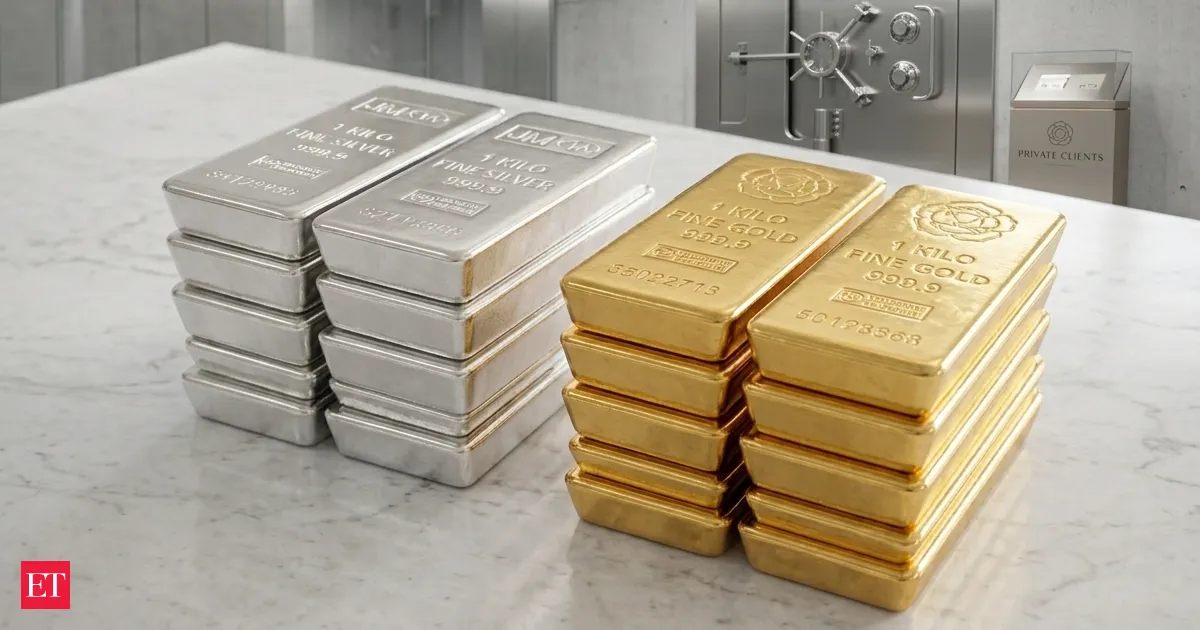
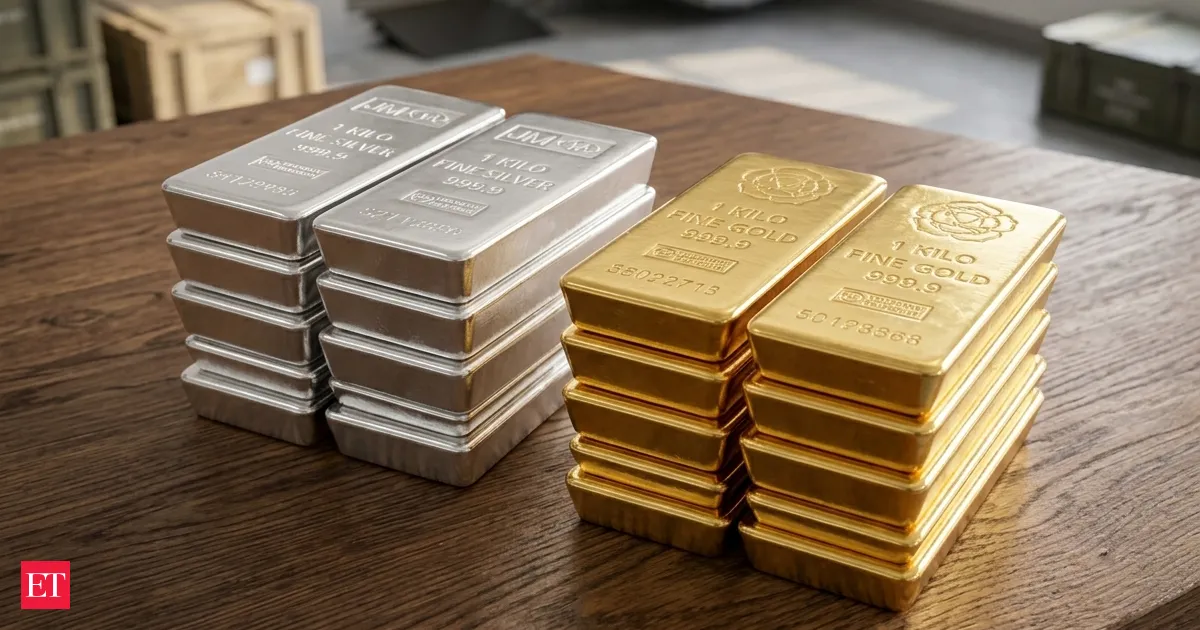
Gold and silver opened sharply lower on MCX as surging energy prices revived inflation worries and strengthened expectations of higher rates staying elevated. Investors also looked to the Trump Xi summit in Beijing, with U.S. China trade truce and Middle East geopolitics expected to be discussed. MCX silver futures fell Rs 11,700 to Rs 2,79,458 per kg, while gold futures dropped Rs 1,600 to Rs 1,60,355 per 10 grams. Spot gold and silver slid internationally, with spot gold at its weakest since May 6.
Never miss a story
Set alerts for the topics and sources you care about. Download Beige for free.
Gold prices slid to a more-than-one-week low and were on track for a weekly decline as surging energy costs reignited inflation worries and raised the prospect of higher-for-longer interest rates. Traders also kept a close watch on the Trump Xi meeting, while the Fed signaled no near-term policy change. With the dollar firming, the pressure intensified. Meanwhile, India is set to restrict gold imports to 100 kilograms under an advance authorization scheme.
Global markets turned mixed as Wall Street tech stocks pushed indexes to fresh record closes, while Japan’s Nikkei struggled to hold its record run. Early gains tied to AI-related Japanese firms faded as investors refocused on rising inflation and looming interest rate pressures, cooling sentiment despite the broader tech-driven optimism.
Gold and silver prices are falling today as traders react to U.S. inflation and shifting Federal Reserve expectations. Rising U.S. producer prices have renewed bets on higher interest rates, weighing on precious metals. Analysts warn prices could stay under pressure short term, but long-term demand may remain supported by global risks and continued investor interest.
Japanese investors turned net sellers of foreign equities in April for the first time in four months, dumping 636.4 billion yen. The move was driven by higher energy costs and renewed inflation worries, while trust accounts spearheaded the selling. Investment trusts and life insurers kept buying abroad. The shift followed faster US inflation, strengthening expectations of longer high interest rates.
Reading on mobile?
Open Beige in the app for a smoother experience — free on iOS and Android.
Fifteen years after leaving the Federal Reserve over disagreements on aggressive bond buying, Kevin Warsh is reportedly set to return as Fed chair with a reform agenda. Warsh has long criticized the Fed’s large asset purchase programs that ballooned its balance sheet to roughly $6.7 trillion, and the leadership shift is sparking fresh debate on rates, transparency, and AI’s economic impact.
With RBI’s June meet approaching, economists are split: only a small share expects a policy rate hike this fiscal year, while most forecast a prolonged pause. Still, a majority expects inflation to run above RBI’s FY27 forecast, and bond markets are already reflecting the possibility of tighter monetary policy.
Kevin Warsh is set to become the next chair of the US Federal Reserve, but his direct sway over interest rates could be limited. Rate targets are decided by the 12-member Federal Open Market Committee, where Warsh would cast only one vote. In practice, the chair’s influence depends on consensus building and persuasion, which is why markets are watching every Fed statement for policy signals.
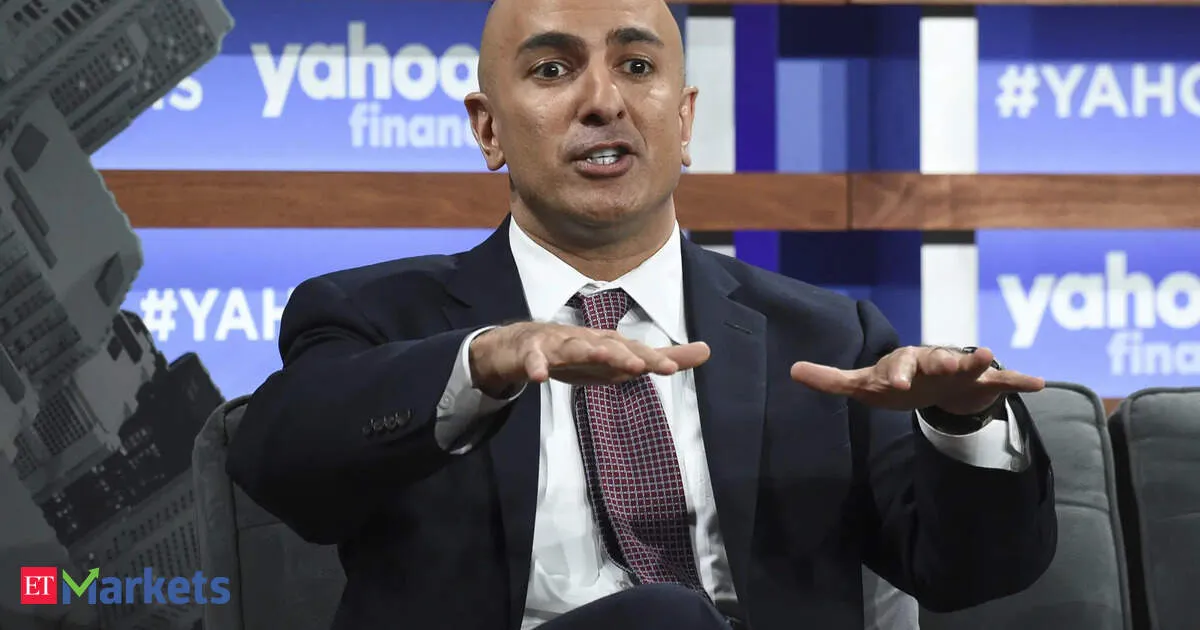
Minneapolis Fed President Neel Kashkari said the Fed is “dead serious” about bringing inflation down, while offering a cautiously positive view of the US labor market. He pointed to the Iran conflict as a major source of inflationary pressure, meaning additional interest rate increases could still be on the table.
Follow your favourite sources
Track sources, tags and categories — all in the Beige app.
The US Senate has confirmed Kevin Warsh as the next head of the Federal Reserve, succeeding Jerome Powell. He steps into a high-pressure moment marked by elevated inflation, rising gas prices, and sharp internal Fed disagreements. With President Trump pushing for lower interest rates, Warsh has vowed independence—yet faces a tight balancing act to cool inflation without stalling growth.
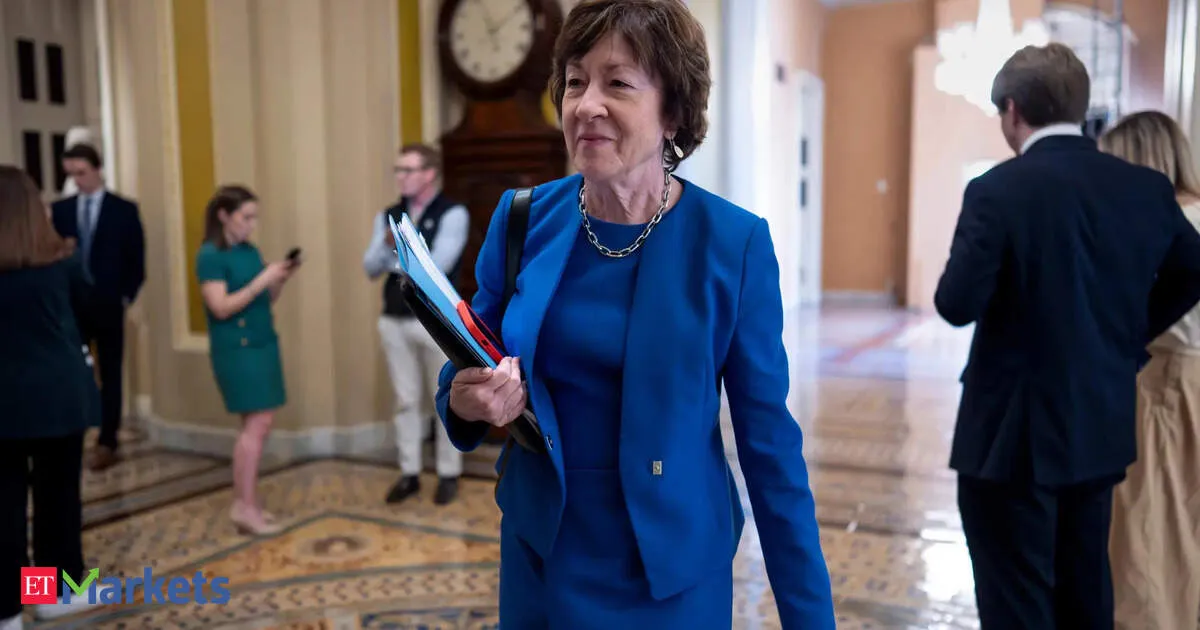
Boston Fed President Susan Collins said the Fed may need additional rate hikes if inflation remains stubborn. She pointed to the Middle East crisis as a potential accelerant, arguing that disruptions could push prices higher and complicate the path back to targets. The comments underscore how geopolitical risks can feed directly into monetary policy decisions and inflation expectations.
Gold and silver prices fell after stronger US inflation data dialed back hopes for interest rate cuts. A firmer US dollar further weighed on demand for bullion. Investors now look to upcoming producer price data and a Trump Xi meeting for new signals, as markets reassess inflation risks and geopolitical tensions that could sway gold, silver, platinum, and palladium.
The OECD expects the Bank of Japan to lift interest rates to around 2% by late 2027, signaling a break from decades of low inflation. The forecast points to improving wages and consumer demand that can support gradual borrowing cost hikes, alongside a likely reduction in bond purchases. If realized, it marks a major shift in Japan’s monetary era.
Stay informed on the go
Bite-sized news from 100+ trusted sources, right in your pocket.
Chicago Fed President Austan Goolsbee flagged rising risks from U.S. services inflation, saying fresh data shows price pressures shifting in an unfavourable direction. He noted inflation is still proving sticky even as the labour market holds steady, keeping policymakers cautious while the Federal Reserve weighs its next rate move amid mixed economic signals.
The Nasdaq 100 tumbled more than 2% in Tuesday trading, extending its sharpest sell-off in weeks as April CPI confirmed inflation is no longer cooling. The rise pushed CPI to its highest level since May 2023, rattling investors and weighing on the Dow and S&P 500. Traders now face growing uncertainty over rates and market direction.
Swipe through stories, personalise your feed, and save articles for later — all on the app.