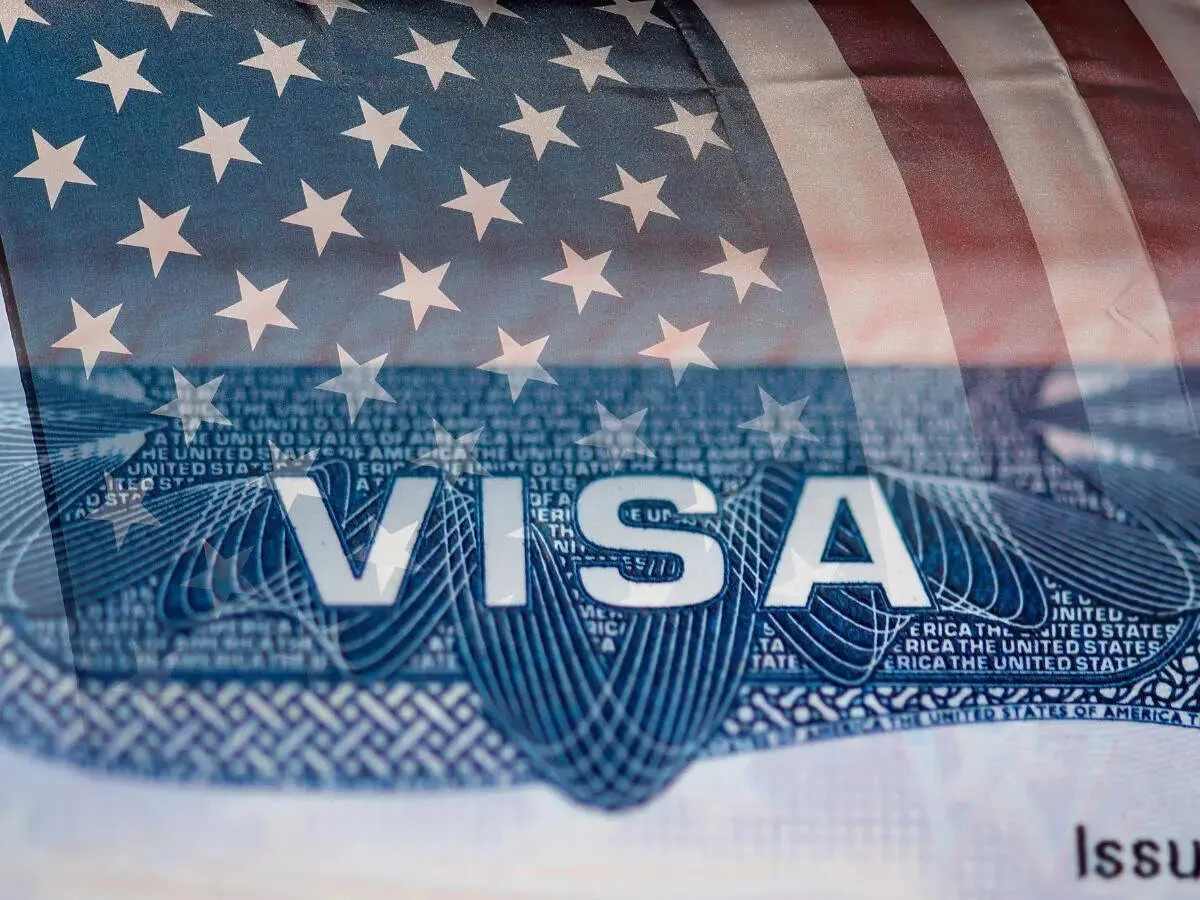
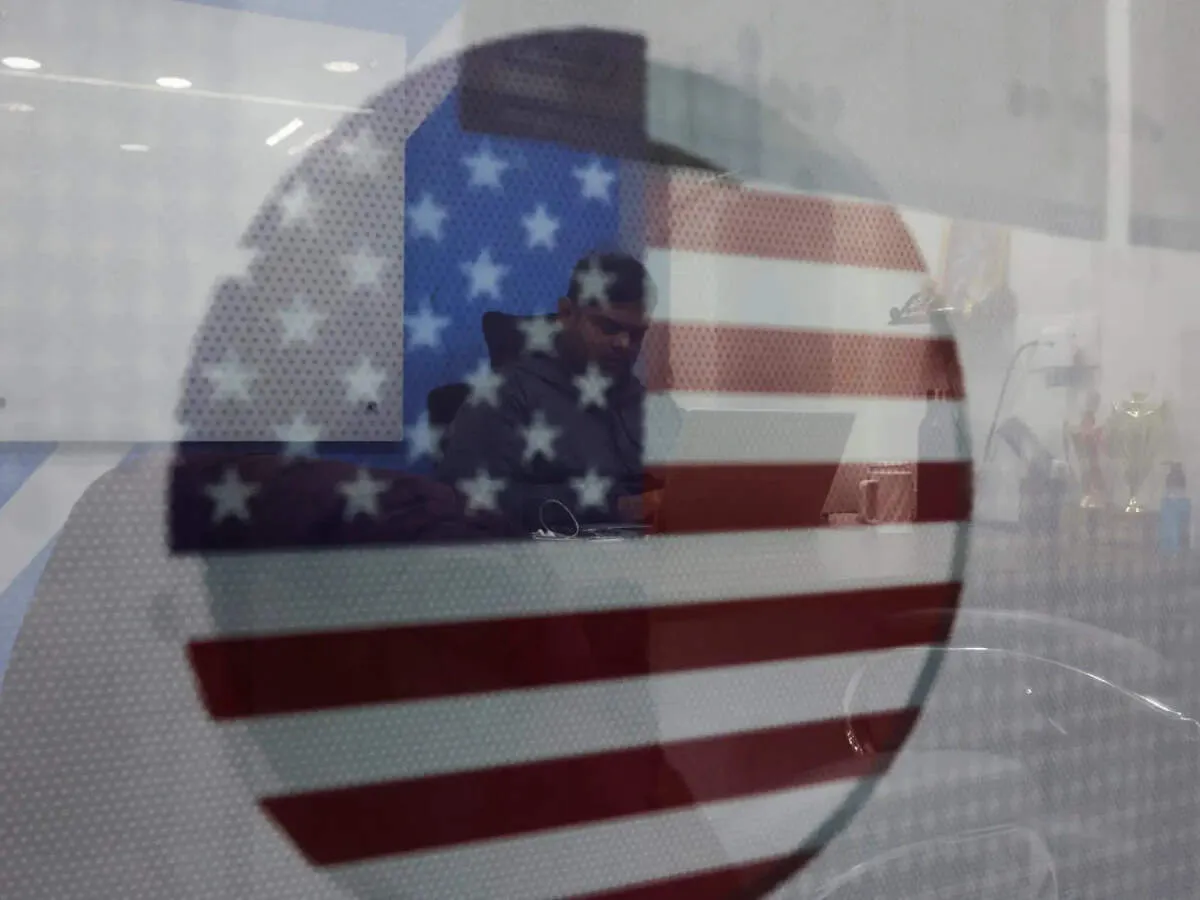
Foreign undergraduate enrolment in US colleges has fallen by an average of 20% this spring, a coalition study says, based on a survey of 149 American schools. The decline is already showing up in both undergraduate and graduate intakes, with 62% of institutions reporting lower international enrolment. Universities blame restrictive government policies, immigration enforcement actions, paused interviews, and sharply fewer student visa issuances. With international students funding large parts of budgets, universities fear stronger pressure ahead for the fall intake.
Immigration New Zealand says a surge of scam calls is targeting international students and migrants. Fraudsters impersonate INZ officials, claim urgent visa problems, and pressure victims to share personal information or make payments. The warning urges recipients to hang up immediately and report any suspicious call activity, especially when callers demand quick action.
Your news, in seconds
Get the Beige app — every story in 60 words, updated hourly. Free on iOS & Android.
The Trump administration is reviewing a proposed change to the US “duration of status” rule that could limit international students to a four year maximum. Under current rules, F-1 students can typically stay as long as they remain enrolled and eligible. The draft also affects J-1 exchange visitors and some foreign media, as university enrollment of foreign students has declined.
France says it will raise tuition fees for most non EU students starting the 2026 27 academic year. Bachelor programs are set at €2,895 annually and master’s at €3,941, replacing broad exemptions with a system of differentiated fees. The change is designed to reshape international recruitment, steering demand toward areas like AI and biotechnology.
New Zealand has reached its national goal for international student preference almost a decade ahead of schedule, with 22% of prospective applicants ranking the country among their top choices. The growth, seen across 11 global markets, suggests a move beyond awareness toward genuine selection, positioning New Zealand as an increasingly active study destination for international students.
New Zealand has set out rules for international students seeking changes to student visa conditions. Some adjustments—like specific study details or work hours—require a formal “variation of conditions” request. Other changes trigger a full new visa application. Importantly, students cannot use condition changes to extend or modify their visa expiry date.
Never miss a story
Set alerts for the topics and sources you care about. Download Beige for free.
International students in New Zealand can typically work part-time while studying, and full-time work is allowed during scheduled breaks. The exact rules depend on visa conditions, your course level, and whether you’re studying a taught program or research degree. PhD and research Masters students may have unlimited work hours, but self-employment and some industries can be restricted—always confirm details on your visa.
New Zealand’s Post Study Work Visa lets international graduates stay after graduation, but the length is tied to qualification level and how long they studied. Master’s and doctoral holders may qualify for up to three years, while other qualifications get a visa matching the study duration. Importantly, delays in finishing studies do not add extra visa time.
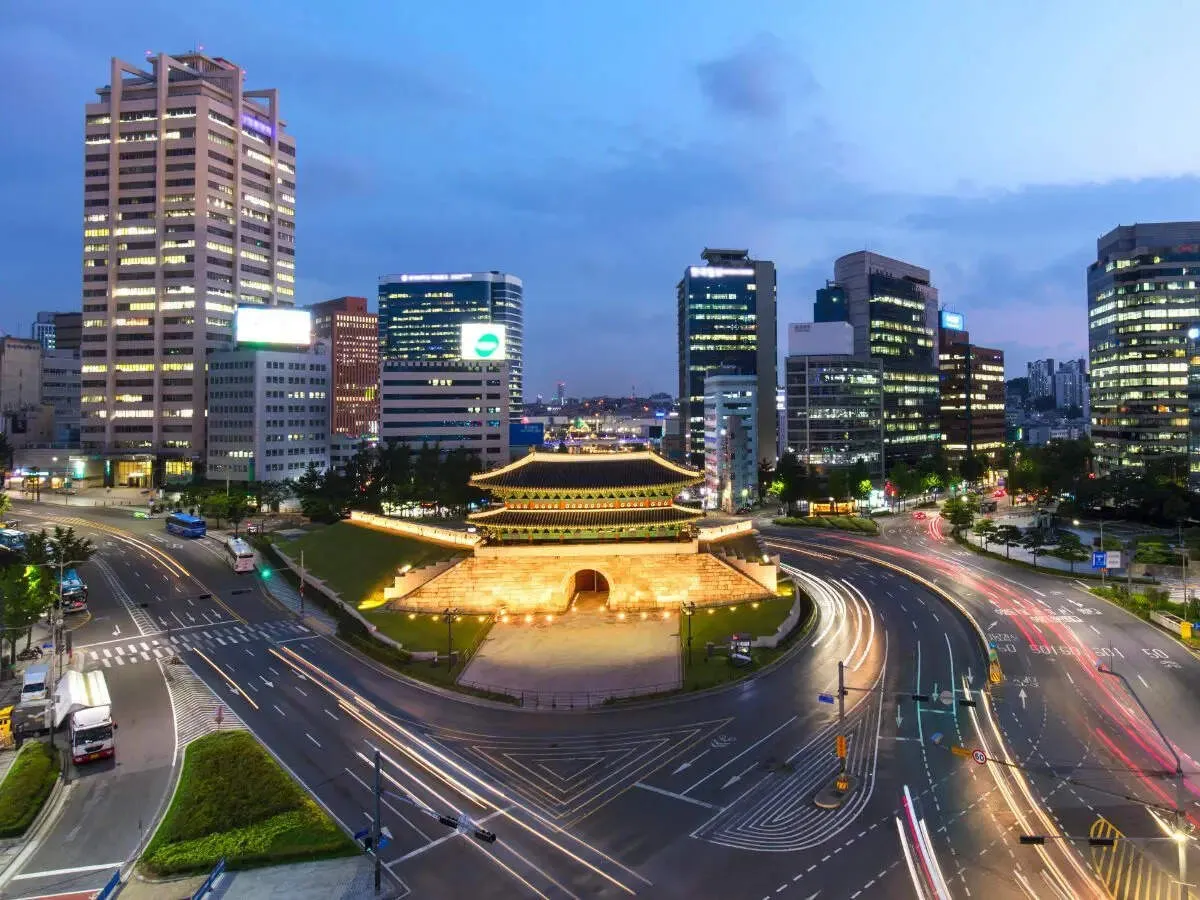
South Korea’s Ministry of Education has rolled out a permanent online promotion hub along with live admission webinars to draw more international students. The platform consolidates details on universities, scholarships, visas, and post-study employment, shifting outreach away from temporary fairs toward a continuous system connecting students and institutions year round.
UK universities are being warned that international students can no longer be treated as a financial backstop as demand for UK education cools. Even with aggressive recruitment, institutions face tighter visa scrutiny, higher operating costs and weaker profitability, raising compliance risks. Experts say swelling overseas enrolments may stop guaranteeing revenue, making the current growth model less sustainable.
Reading on mobile?
Open Beige in the app for a smoother experience — free on iOS and Android.
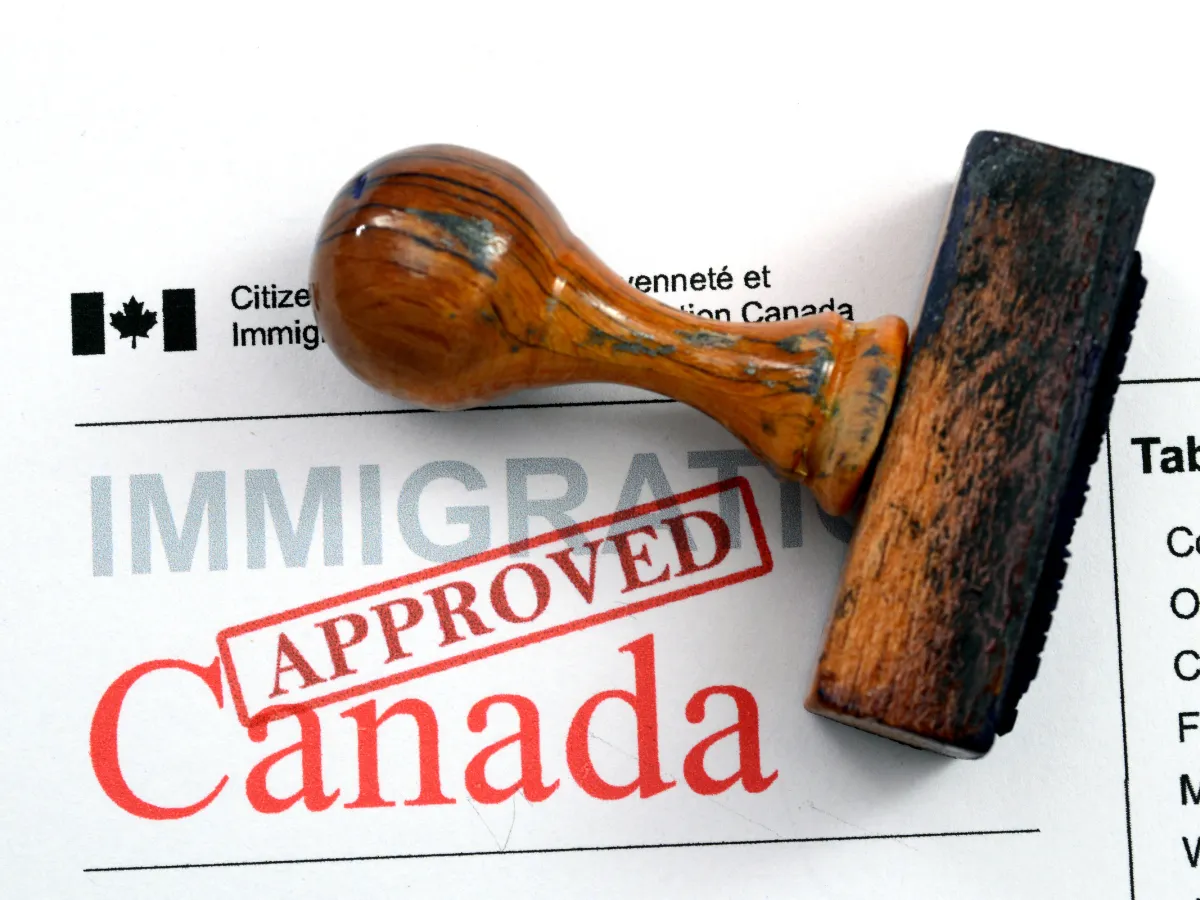
Canada will eliminate the need for a separate co-op work permit for eligible post-secondary international students starting April 1, 2026. Students can use their study permit for internships and practicums, reducing paperwork and speeding up authorization. The government is also consulting on additional proposals to broaden work rights for students and graduates.
International students are increasingly moving away from traditional study destinations like the US and UK as immigration and post-study work rules evolve. Countries such as New Zealand, Ireland, France, and Germany are gaining attention for visa-friendly pathways, stronger employability prospects, and perceived long-term stability. Robust job markets and clearer post-graduation options are driving the shift.
UK universities are bracing for possible sanctions after new visa compliance rules began tightening scrutiny. Several institutions report sharp declines in international student numbers, especially for postgraduate admissions. With stricter measures due to start soon, universities are already increasing financial checks and tightening entry processes—risking deterrence for genuine students and reputational damage to UK higher education.
Canadian universities say they are extending relief to international students affected by the Middle East conflict. Schools including the University of Victoria, Queen’s, Carleton, and McGill are offering exam deferrals, longer tuition deadlines, additional financial assistance, and expanded mental health services to help students stay on track during disruption.
Follow your favourite sources
Track sources, tags and categories — all in the Beige app.
About 500 Indian students are part of a group lawsuit against 36 UK universities, arguing they paid for in-person education during COVID-19 but instead received online teaching and saw facilities shut. The students are seeking compensation for the reduced value of what they bought, underscoring how debt and a disrupted learning experience may still trigger legal battles post-pandemic.
Australia may see international student numbers fall as higher visa costs and rising refusal rates weigh on demand. The ELICOS and VET sectors face particular pressure, even as higher education enrolments increase. The bigger problem is weaker intake from China and unusually high rejections of applicants from India, Nepal, and Bangladesh, threatening the country’s education pipeline.
A Canadian Auditor General audit reports that more than 150,000 international students were flagged for possible study permit rule breaches, but only a fraction were investigated. Even more troubling, around 800 cases of fraudulent documents and misrepresentation from 2018 to 2023 reportedly received no departmental action, later enabling some applicants to pursue other immigration routes. The findings raise concerns about integrity and accountability.
New Zealand is revising its Post-Study Work Visa starting late 2026, offering clearer guidance on which qualifications qualify and what jobs graduates can pursue. The updated rules aim to widen access, including for diploma holders, so more international students can secure relevant work experience after completing their studies.
Stay informed on the go
Bite-sized news from 100+ trusted sources, right in your pocket.
Canada has launched a new initiative to help French-speaking international students and graduates move toward permanent residence, starting at Universite de Hearst. The program pairs immigration guidance with job market support and is designed to strengthen French-speaking immigration beyond Quebec. Canada also plans to attract bilingual tech talent and highlight opportunities across francophone communities.
Indian enrolment in US institutions has fallen 6.9%, with over 3.5 lakh students still studying there. Stricter US visa rules, rising rejection rates, and deeper verification—reportedly including social media checks—are being blamed. Indian authorities say they are discussing the impact with US officials as concerns grow over how screening is affecting student mobility.
Swipe through stories, personalise your feed, and save articles for later — all on the app.