SEBI has widened the permitted use of fresh borrowings for Infrastructure Investment Trusts (InvITs) with net debt above 49% of asset value, effective immediately. The regulator now allows such funds for capital expenditure to improve performance or expand capacity, and also for major maintenance costs on road projects, defined as non routine expenses tied to concession obligations. SEBI further permits refinancing by the InvIT, SPV, or holding company, but only the principal can be refinanced—interest and fees cannot.
India’s listed REITs and InvITs are a key pipeline for long-term infrastructure capital, backed by distribution rules and a mostly single-layer tax design. But Budget 2026’s revised treatment of MAT credits creates a structural dilemma for REIT/InvIT SPVs: shifting to the new corporate tax regime may make dividends taxable for unit holders, cutting yields, while staying outside risks MAT credit lapse and future liabilities. Either way, cash-flow uncertainty could raise the cost of capital. Policy design must protect predictability.
Your news, in seconds
Get the Beige app — every story in 60 words, updated hourly. Free on iOS & Android.
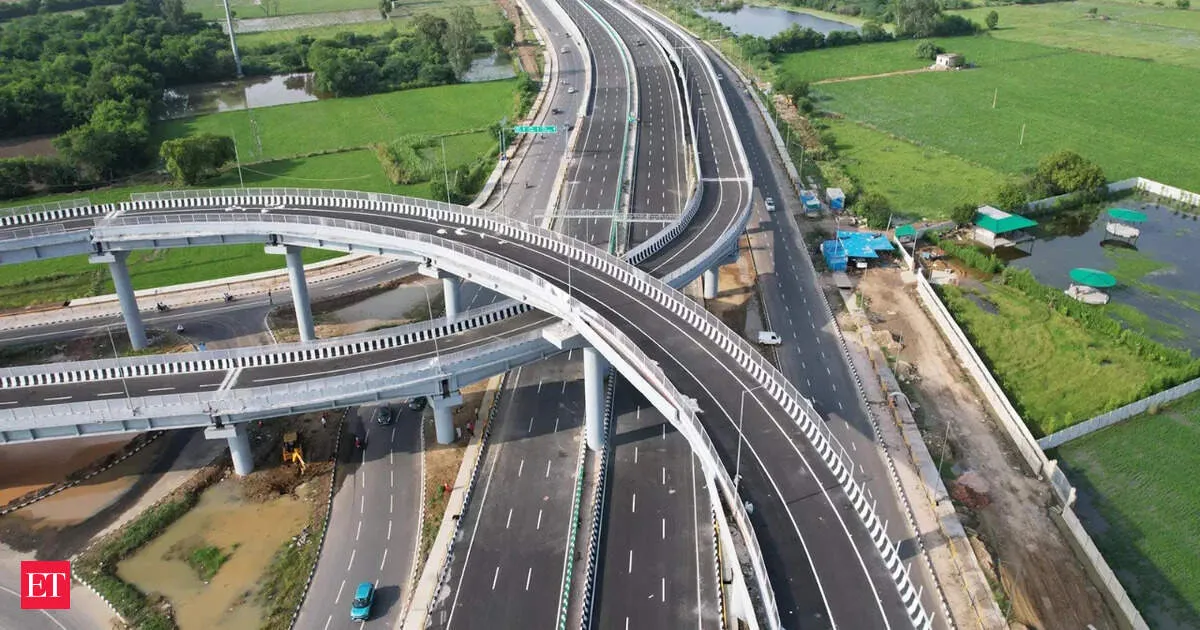
Road InvITs are projected to expand their assets by about 30% this fiscal year, reaching roughly Rs 3.9 lakh crore by March 2027. The jump is attributed to accelerated monetisation of toll-road assets by NHAI and asset sales under the hybrid annuity model. With a widening investor base and controlled leverage, analysts expect sturdier credit profiles.
Neo Alternative Asset Managers has announced the first close of its Neo Infra Income Opportunities Fund II, raising Rs 1,500 crore against a Rs 5,000 crore target. The fund will invest in operational, revenue-generating infrastructure assets backed by long-term contracted cash flows, mainly from government counterparties, with a focus on roads and renewable energy.
Swipe through stories, personalise your feed, and save articles for later — all on the app.