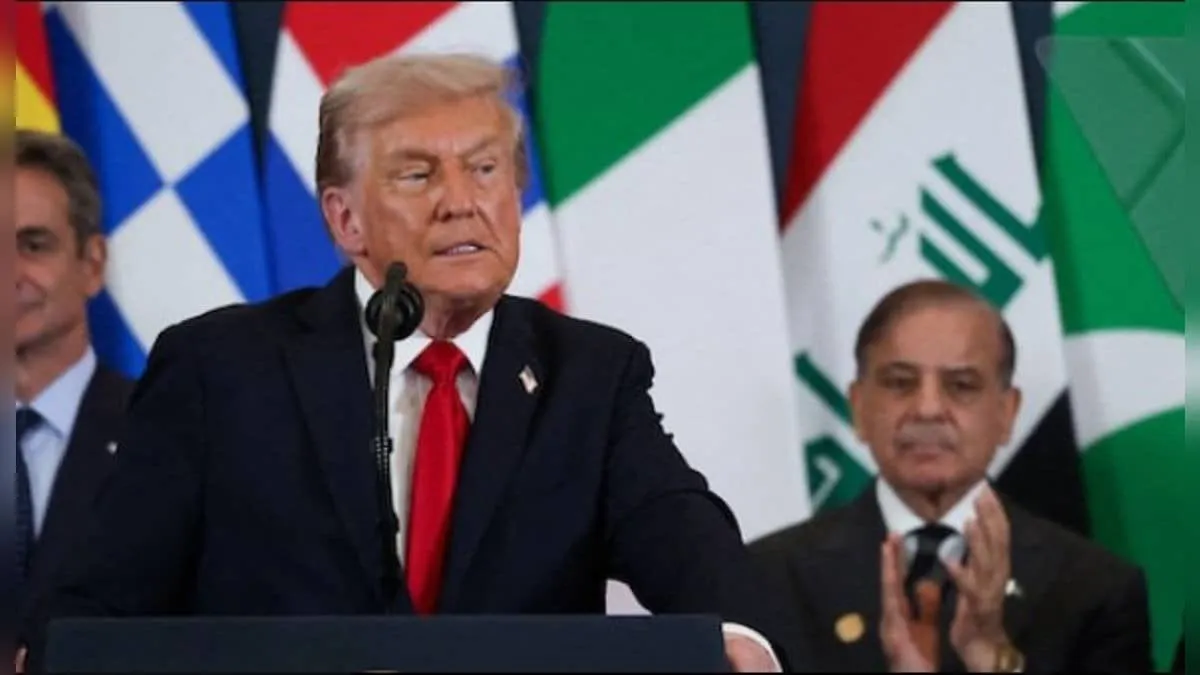
Donald Trump sparked fresh backlash by telling reporters the US-Iran ceasefire happened “as a favour to Pakistan,” adding praise for Prime Minister Shehbaz Sharif and Field Marshal Asim Munir. Speaking on Air Force One after his China trip, he framed Washington as obliging Islamabad rather than gaining leverage, intensifying doubts about Pakistan’s claimed neutral mediation role. The comments revived scrutiny after earlier reports suggested Iranian military aircraft used Pakistani air bases and fuelled accusations of discreet logistical support.
Gold prices rose as markets priced in potential outcomes from an awaited Trump Xi meeting and closely watched fragile ceasefire negotiations involving Iran. Traders are also looking ahead to U.S. CPI data, viewing it as a key signal for the Federal Reserve’s next interest rate moves. Risk sentiment and rate expectations are driving the commodity’s momentum.
Your news, in seconds
Get the Beige app — every story in 60 words, updated hourly. Free on iOS & Android.
Oil prices eased Wednesday after President Donald Trump announced an indefinite extension of the U.S.-Iran ceasefire, reducing fears of an immediate Middle East supply shock. Brent fell to $97.42 and WTI to $88.53. However, the Strait of Hormuz remains largely constrained, with reports noting only three ships passed in the past 24 hours.
America’s military stockpiles are reportedly declining, with many precision-guided munitions now exhausted. Restocking these capabilities is a slow process, leaving gaps in readiness as new conflicts loom. With a prolonged ceasefire with Iran in place, the situation underscores how quickly scarce firepower can become a strategic constraint.
The dollar climbed to a week high as markets questioned the durability of an Iran ceasefire and reassessed US policy expectations. Traders parsed comments from Federal Reserve nominee Kevin Warsh as slightly hawkish, while upbeat retail sales data boosted confidence in the US economy—together steering currency sentiment higher for the greenback.
Indian government bonds fell on Thursday as oil prices rose on uncertainty around the US-Iran ceasefire and disruptions in the Strait of Hormuz. The 10-year bond yield reversed nearly half of its biggest rally in four years, reflecting renewed risk premium and tightening market sentiment as energy and shipping shocks feed into rate expectations.
Never miss a story
Set alerts for the topics and sources you care about. Download Beige for free.
Swipe through stories, personalise your feed, and save articles for later — all on the app.