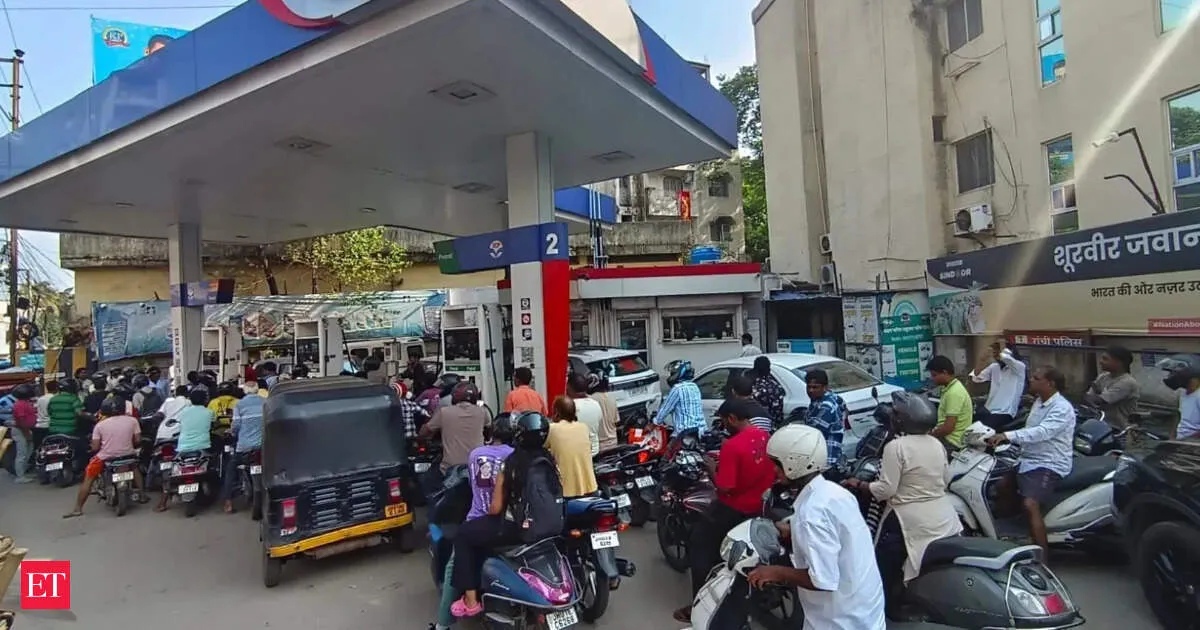
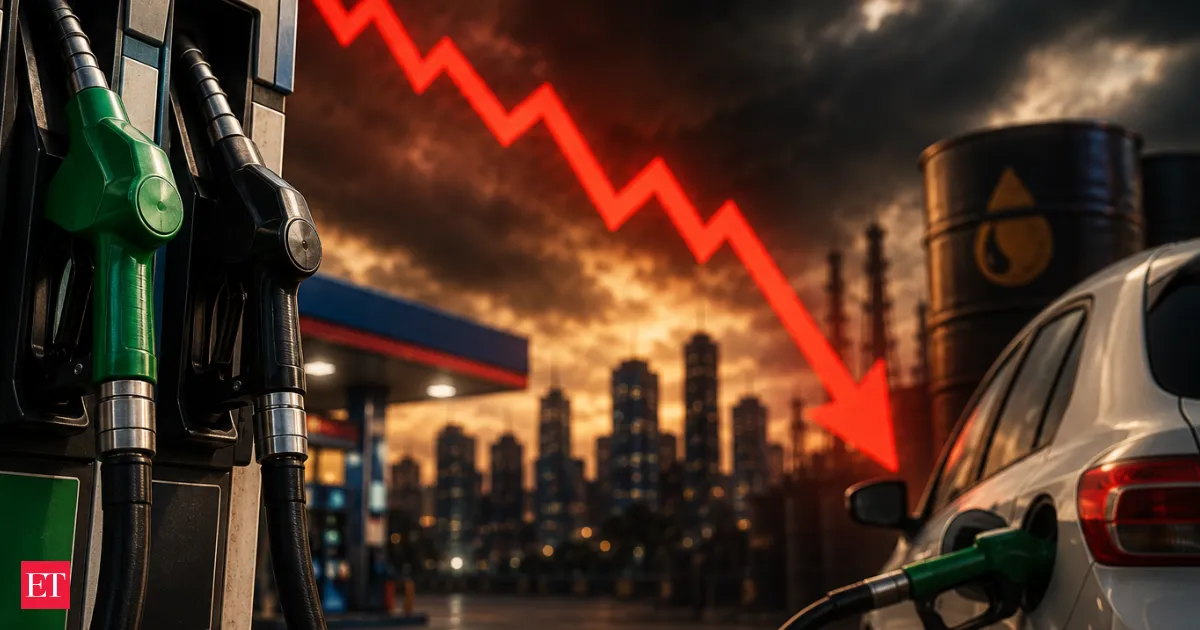
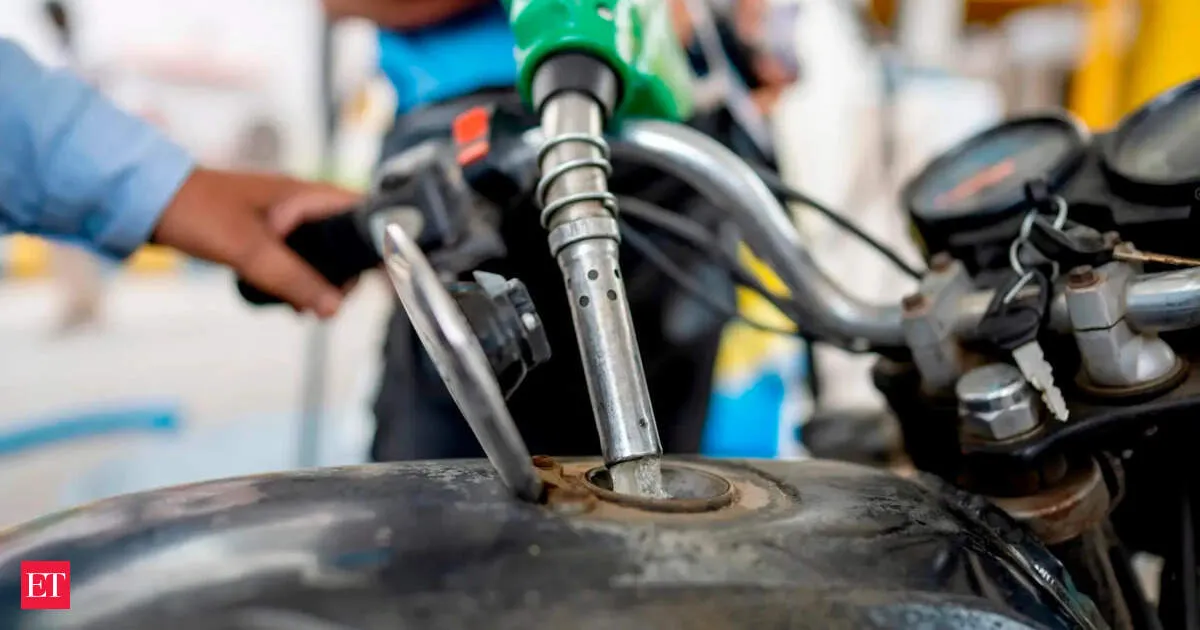
State-run oil companies in India raised petrol and diesel prices by Rs 3 per litre, the first pump hike in four years, following crude surges after the Iran war. The government aimed to trim losses for fuel retailers but expects higher freight costs and added inflation pressure. While industry executives wanted a bigger increase, they say the revision fails to close the under-recovery gap. Procurement costs have risen sharply as the Indian crude basket and the rupee both worsened, with more hikes likely.
India is deploying emergency measures to shield the economy from Iran war fallout. State oil refiners raised gasoline and diesel prices by over 3% after crude surged, while authorities tightened gold import rules and temporarily banned sugar exports. Delhi government staff were asked to work from home twice a week to conserve fuel. With the rupee slipping past 96 per dollar, a widening trade deficit, and foreign investor outflows, officials are also exploring incentives for foreign bond investors.
Your news, in seconds
Get the Beige app — every story in 60 words, updated hourly. Free on iOS & Android.
Indian Oil Marketing Companies have raised petrol and diesel prices by Rs 3 per litre and CNG by Rs 2 per kg after reportedly enduring daily losses of Rs 1,000–1,200 crore since the Iran war began. Economists warn the move could add inflationary pressure as higher fuel costs ripple through transport, logistics and retail prices. With the Strait of Hormuz affecting crude supplies, April retail inflation edged up to 3.48% and WPI inflation rose to 8.3%, tightening India’s inflation outlook.
As the Iran war disrupts shipping through the Strait of Hormuz, India and parts of Southeast Asia are accelerating biofuel adoption to curb expensive imported oil and LPG. In New Delhi, consumers report LPG delays and black market prices soaring threefold. In Chennai, drivers complain that ethanol-blended gasoline is worsening car mileage as ethanol becomes the default blend at pumps. India is weighing higher ethanol blends up to 85% or even 100%, while experts warn supply-chain delays and food-versus-fuel environmental impacts.
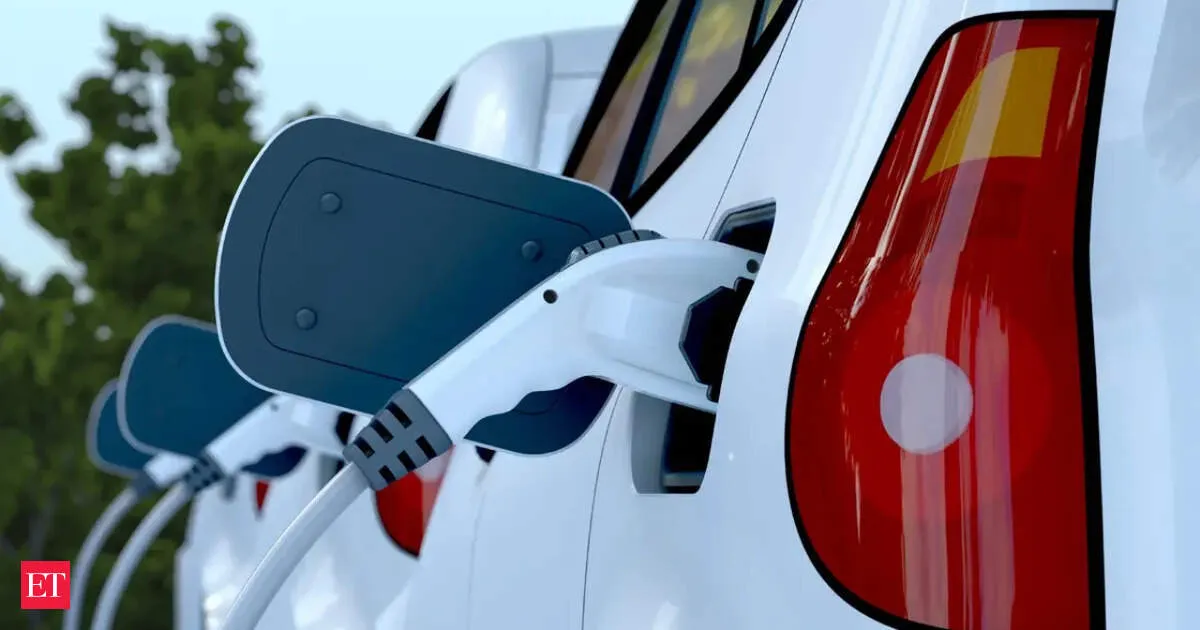
TVS Motor, Bajaj Auto, Ather Energy and Hero MotoCorp are rapidly expanding electric scooter capacity as consumers brace for potentially higher petrol prices linked to the Iran war. Executives say combined monthly production could top 150,000 units by year-end, nearly double current levels. The push marks a move from early adoption to mass-market scale, even as commodity inflation, supply chain disruptions and demand uncertainty persist. March saw EV share peak at 9.8%, but April volumes eased to 7.8%.
China is forecasting a further drop in gasoline demand as oil prices climb amid the war involving Iran, with GL Consulting projecting consumption to fall 5.5% this year. The estimate is revised lower from 5.2% and would mark the second-largest contraction on record, only behind 2022’s collapse during strict COVID lockdowns. Other analysts echo the trend, with the International Energy Agency expecting gasoline demand to slow “to a crawl” and drop by roughly 60,000 barrels per day in the current quarter.
Never miss a story
Set alerts for the topics and sources you care about. Download Beige for free.
Gold edged higher as a weaker US dollar boosted demand, while markets tracked potential outcomes from Trump Xi meetings. Investors also kept an eye on signals tied to the Iran war, seeking clues on risk and policy shifts. Spot gold inched up to about $4,706.70 per ounce, reflecting cautious optimism alongside geopolitical uncertainty.
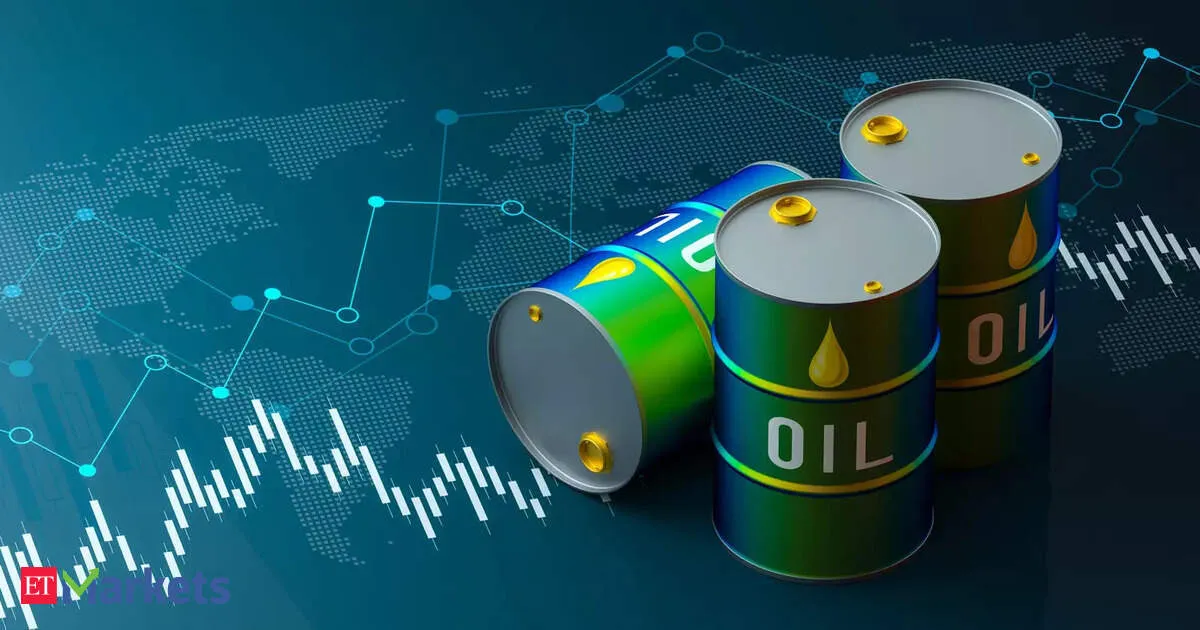
Oil prices climbed to $105 as markets watched a high-stakes Trump-Xi meeting in Beijing. The focus: whether diplomacy can help end the Iran war disrupting supply, including fears around the Strait of Hormuz blockade. With supply lagging demand and few tankers reportedly exiting since February, traders are betting on a breakthrough to cool prices.
Oil prices inched up to above $105 a barrel as investors looked ahead to a U.S.-China Trump Xi meeting tied to both economic priorities and geopolitical tensions, including the Iran war. Even with rate-hike worries in the background, analysts warn the real swing factor could be a Strait of Hormuz disruption, which would likely push crude higher quickly.
Oil prices inched higher as markets looked ahead to the Trump Xi meeting in Beijing, where the Iran war is expected to dominate talks. Even with U.S. sanctions in place, China continues to buy large volumes of Iranian oil, creating a major sticking point that could complicate any effort to de-escalate or change Tehran’s access to buyers.
Reading on mobile?
Open Beige in the app for a smoother experience — free on iOS and Android.
US wholesale prices rose 6.0% year on year in April, the biggest increase in more than three years. The spike was driven mainly by higher energy costs, with the Iran war playing a key role, and it mirrors recent moves in consumer inflation. The report adds political pressure on President Donald Trump as election plans unfold.
Indian refiners are preparing for a potential reduction in Russian oil imports as a US waiver set to expire this weekend nears. Geopolitical tensions tied to the Iran war have disrupted Persian Gulf supplies, pushing India toward more Russian crude in recent weeks—making the waiver’s end a high-stakes moment for sourcing and costs.
The International Energy Agency says the global oil market is likely to tighten this year as the Iran war disrupts Middle East production. The IEA estimates major supply losses and forecasts a deficit of about 1.78 million barrels per day by 2026, while demand is expected to soften due to higher prices and an economic slowdown tied to the conflict.
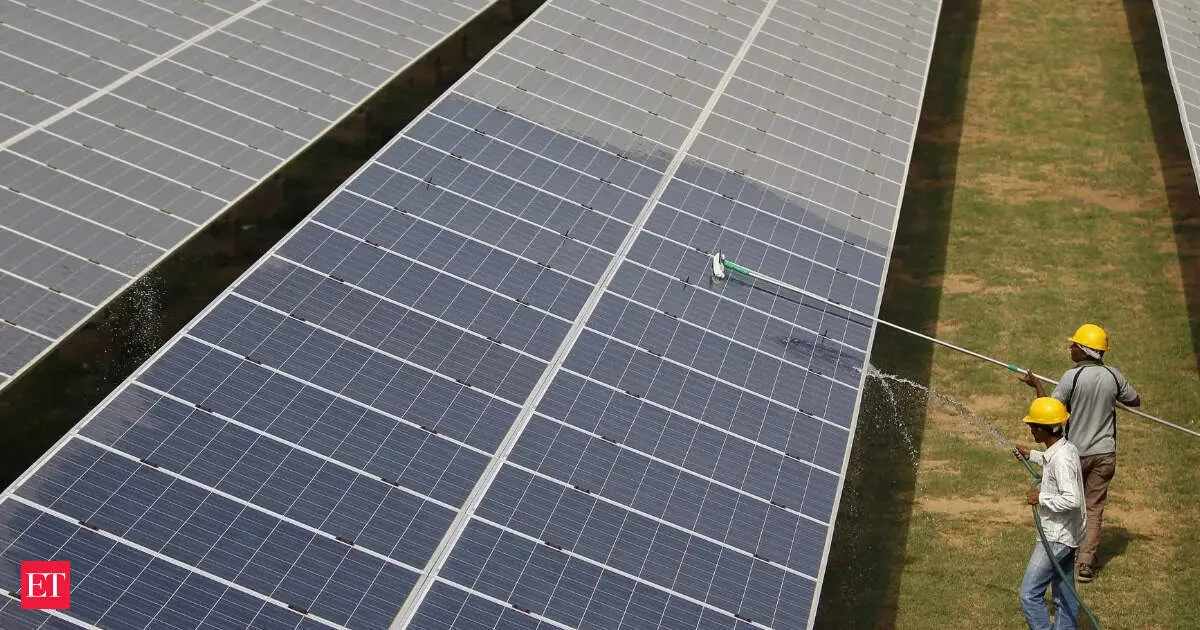
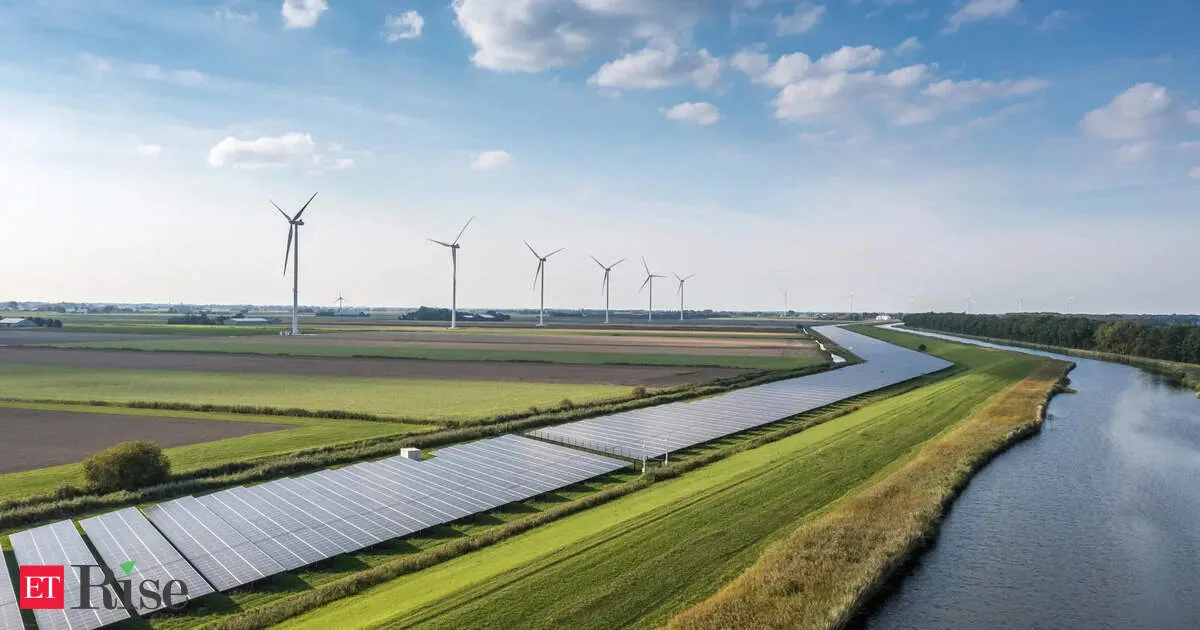
As Iran war tensions push fuel prices higher across Asia, households are turning to rooftop solar to cut costs. Demand is rising sharply in the Philippines, where installations and inquiries have surged. China, the world’s biggest solar technology supplier, stands to benefit as global consumers accelerate the energy transition toward more accessible, affordable power.
Follow your favourite sources
Track sources, tags and categories — all in the Beige app.
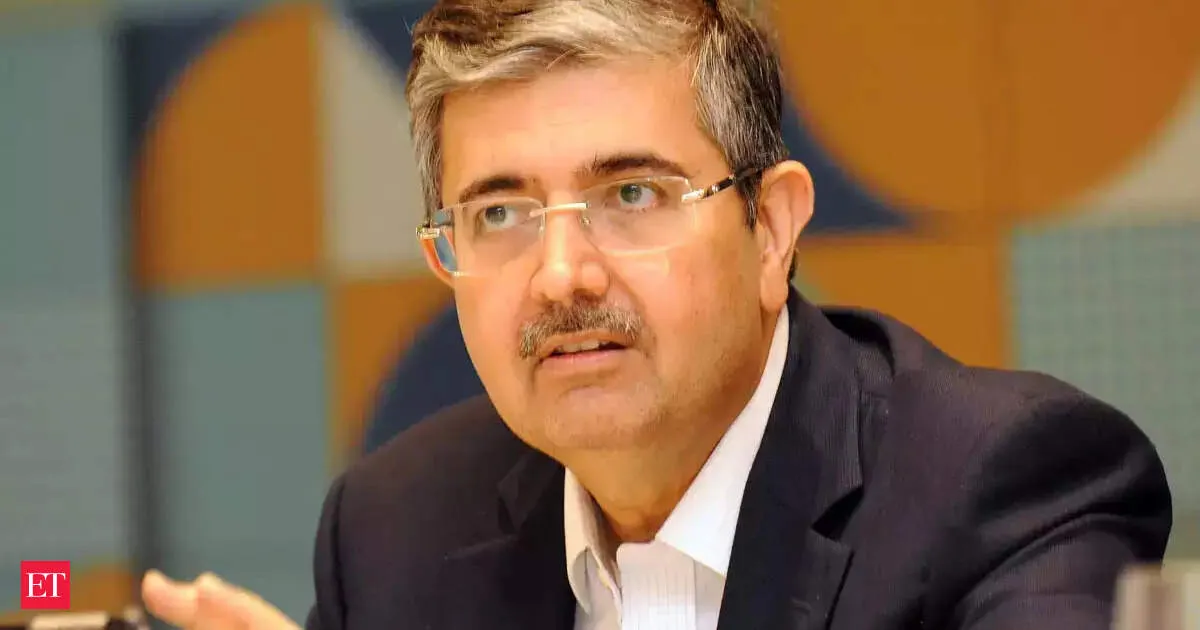
Business tycoon Uday Kotak says the biggest economic pain linked to the Iran war has not reached Indian households yet. He points to soaring energy prices as the trigger for a wider financial shock, warning that the impact could quickly flow into day to day costs for consumers. The note follows PM Modi’s austerity call, underlining heightened pressure ahead.
The Pentagon said the US cost of the war with Iran has climbed to nearly $29 billion, up from a $25 billion estimate given at earlier testimony. The updated figure arrives as President Donald Trump faces intensified scrutiny over the conflict’s impact, including concerns about military readiness and the strain on resources.
US consumer inflation rose to 3.8% year-on-year in April, up from 3.3% in March, aligning with expectations. The US Bureau of Labor Statistics said the jump reflects economic spillover from the Iran war, with energy prices playing a key role. The data signals tighter pressure on prices even as growth worries simmer globally.
China’s green tech giants are capitalizing on a shifting energy landscape after the Iran war triggered fuel cost shocks. Firms such as Jinko Solar, Chery and BYD report rising demand for EVs, batteries, and solar panels as consumers and businesses in import-dependent markets seek cheaper, homegrown alternatives to expensive fuel.
Stay informed on the go
Bite-sized news from 100+ trusted sources, right in your pocket.
President Trump says he supports suspending the federal gasoline tax as US pump prices stay high amid the Iran war. A 90 day suspension for both gas and diesel would require congressional approval, with a proposal led by Senator Hawley. Some Democrats have pushed similar ideas, but Senate leadership is noncommittal, pointing instead to reopening the Strait of Hormuz.
India has no plans to increase import duties on gold and silver, a government source said Monday. The reassurance comes a day after Prime Minister Narendra Modi urged people to avoid buying gold for a year, citing concerns linked to the Iran war. The move suggests policy may focus on demand restraint rather than higher trade taxes for the precious metals.
Swipe through stories, personalise your feed, and save articles for later — all on the app.