An ITAT Ahmedabad ruling favoured a man from Bharuch, Gujarat, who sold two agricultural plots for Rs 8.75 crore and claimed capital gains. Though he paid no income tax and did not file an ITR, the Income Tax Department issued a notice. The tribunal set aside the action based on the notice and process rather than the gains alone.
From April 1, 2026, India’s new Income Tax Act and Rules will reshape ITR filing for Tax Year 2026-27. Some taxpayers get extended ITR due dates, while deadlines for updated and revised returns are revised. The rules also expand where PAN quoting becomes mandatory, aiming to improve compliance and streamline filing.
Your news, in seconds
Get the Beige app — every story in 60 words, updated hourly. Free on iOS & Android.
India’s tax department has released updated ITR forms for FY 2025–26 with stricter disclosure norms, without changing the overall structure. The updates target transparency in areas like political donations, F&O trading, and digital payments. Alongside these tighter checks, taxpayers get small convenience updates such as a secondary address field to streamline personal details filing.
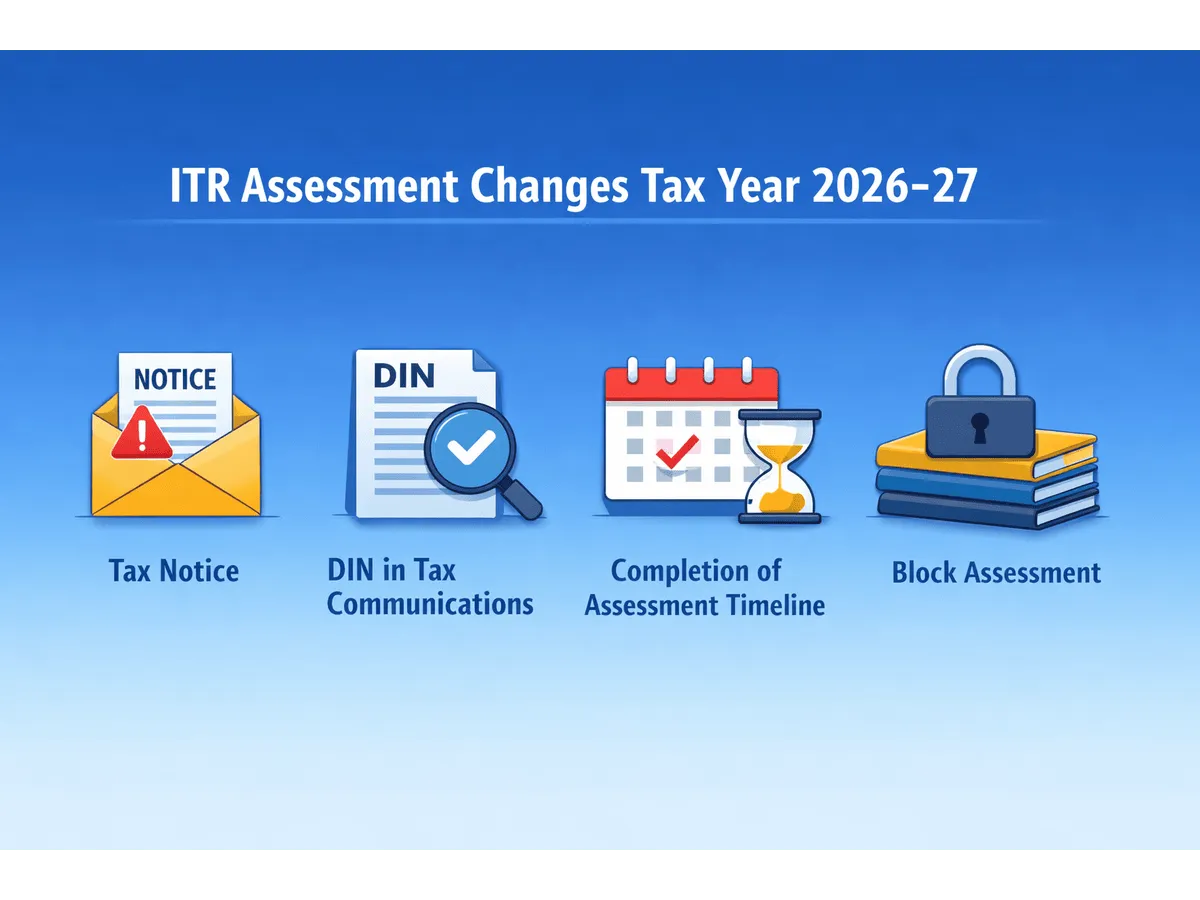
From April 2026, India’s ITR assessment process will shift under the Finance Bill 2026. Four amendments will reshape how tax notices are issued, introduce DIN in communications, tighten timelines for completing assessments, and update how block assessments are handled. The changes are designed to improve efficiency and transparency, potentially affecting how taxpayers respond to notices during AY 2026-27.
From Assessment Year 2026-27, India’s new income tax return forms will ask for extra details when claiming deductions for political donations under Section 80GGC. Taxpayers must disclose the political party’s name and PAN, including for donations made via banking channels or UPI, to improve transparency and traceability of contributions.
Swipe through stories, personalise your feed, and save articles for later — all on the app.