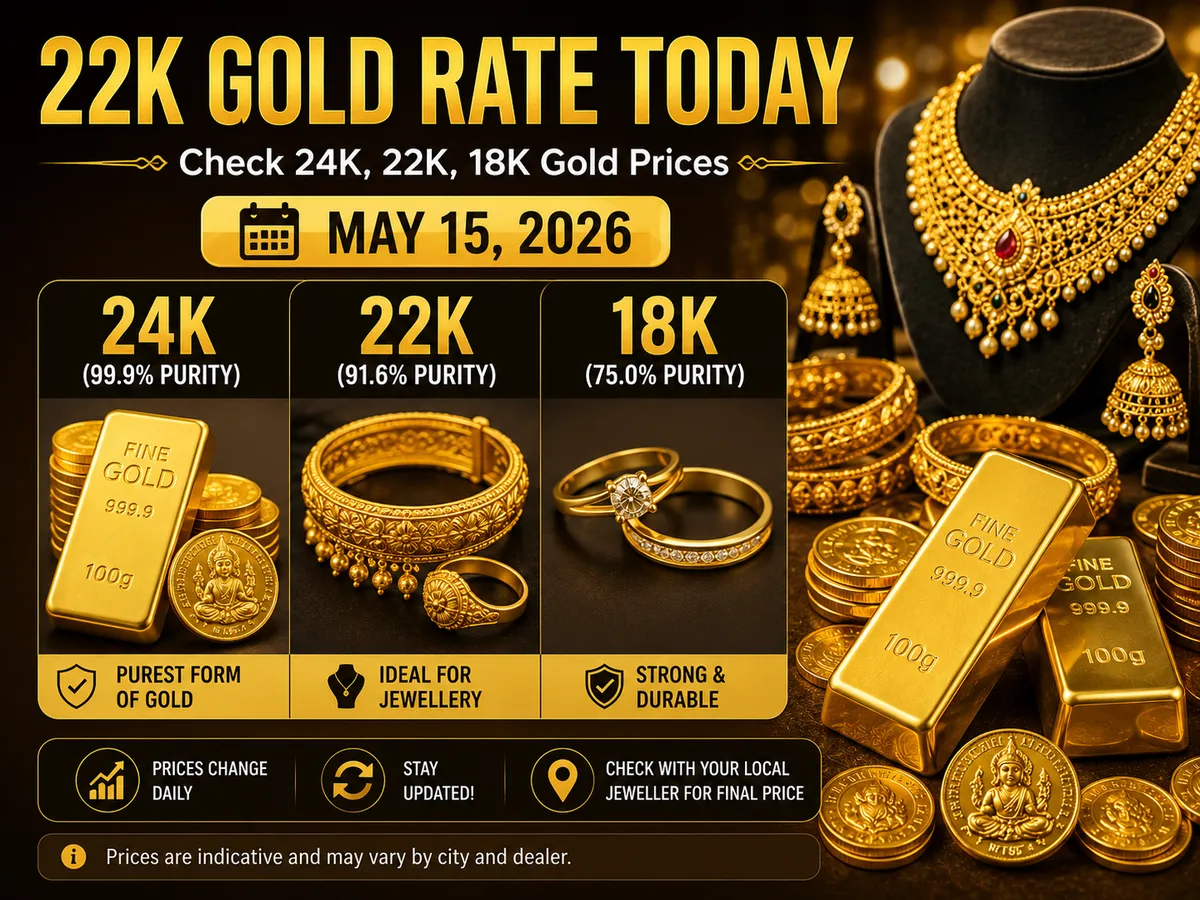
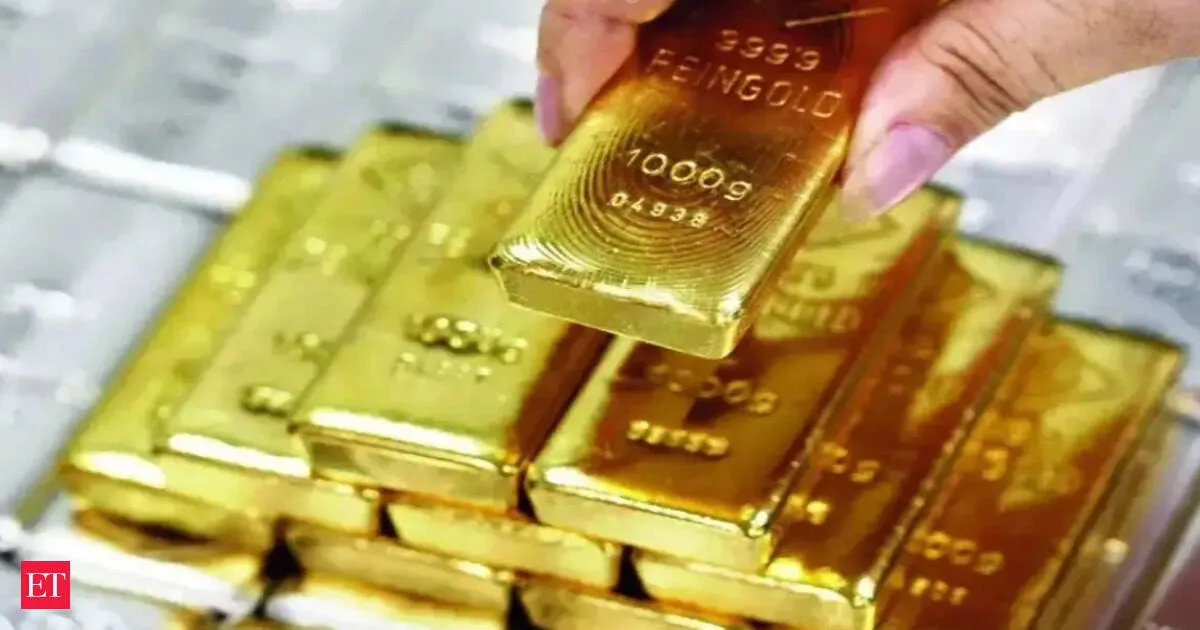
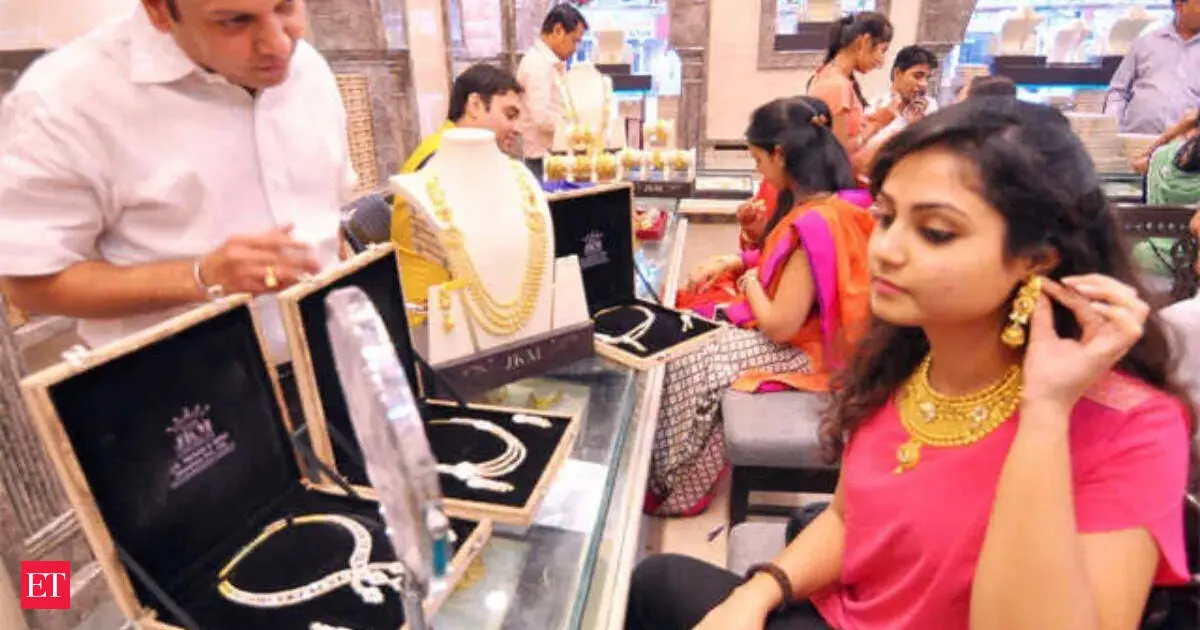
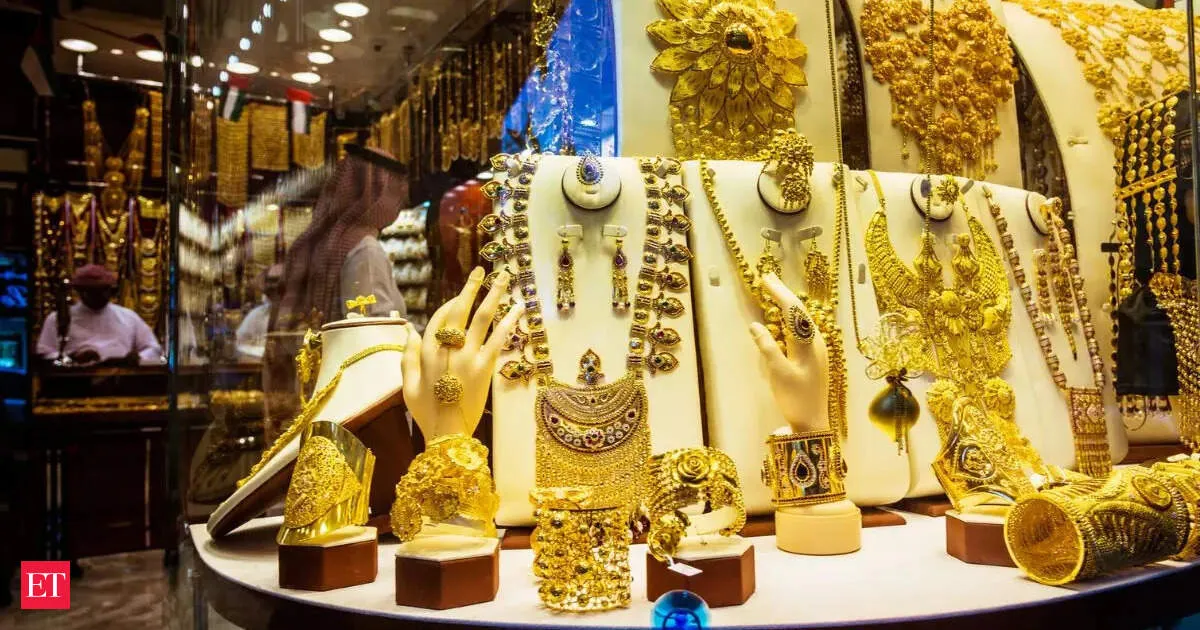
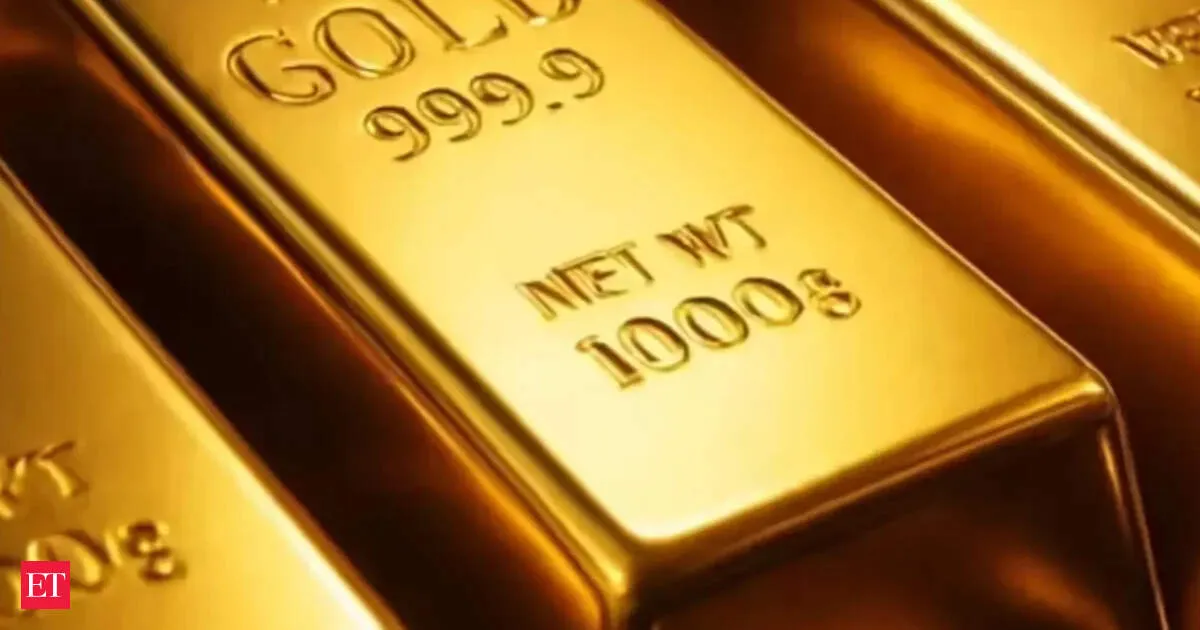
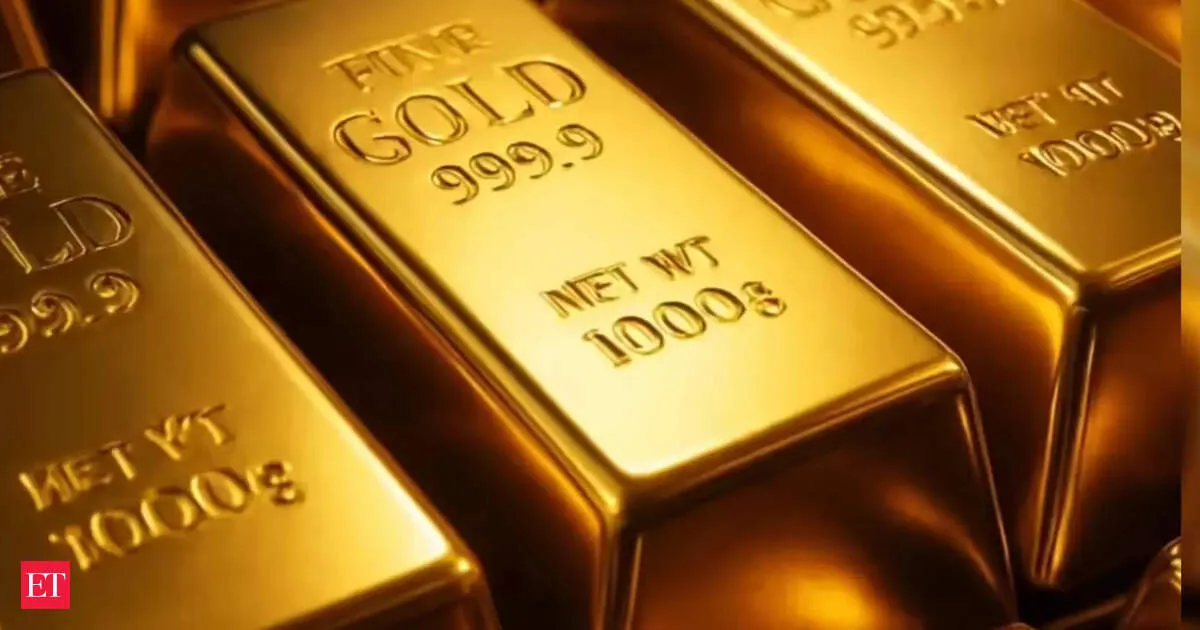
Gold prices stayed volatile on Friday, May 15, 2026, easing after a sharp rise earlier in the week. Major jewellery brands including Tanishq, Malabar Gold & Diamonds, Kalyan Jewellers and Joyalukkas reported lower 22k rates versus May 14. The India Bullion and Jewellers Association (IBJA) also cut its indicative retail selling rates for both gold and silver from the previous session. Rates are reported from brand websites around 1:21 pm and can vary by city taxes and making charges.
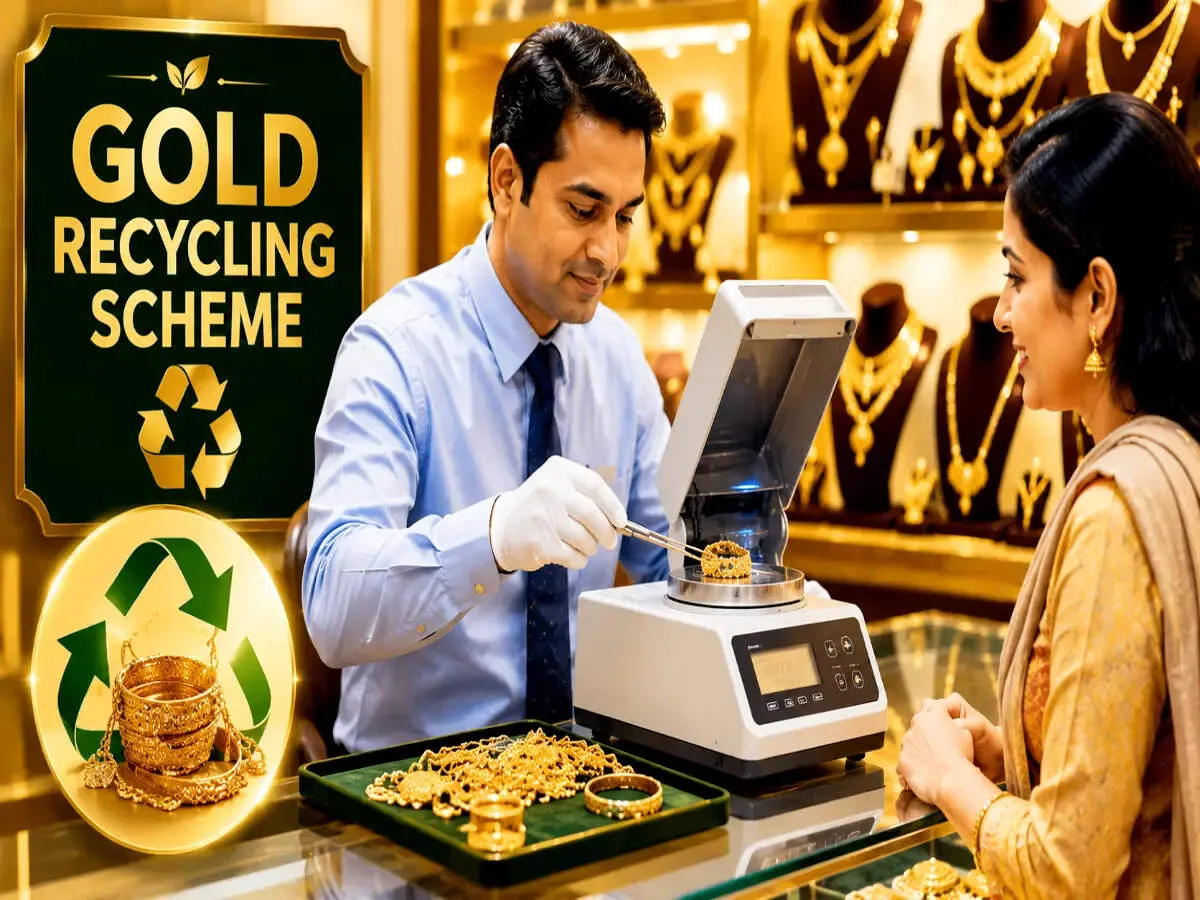
As import duties rise and Prime Minister Narendra Modi urged Indians to delay gold purchases, jewellery brands are pushing recycling offers. Customers can exchange old jewellery for new pieces, with redemption value tied to purity and current market prices. Companies increasingly use XRF machines to test composition accurately, helping buyers get more transparent quotes while potentially reducing India’s gold imports.
Your news, in seconds
Get the Beige app — every story in 60 words, updated hourly. Free on iOS & Android.
Industry executives say a duty hike could push consumers toward lower carat jewellery such as 14K and 9K, reducing gold imports by 20-30%. They add that discouraging investment in gold bars and coins could cut imports further by another 20-30%. With India importing 750-800 tonnes annually, revamping the Gold Monetisation Scheme could unlock 25,000 tonnes of grandfather stock.
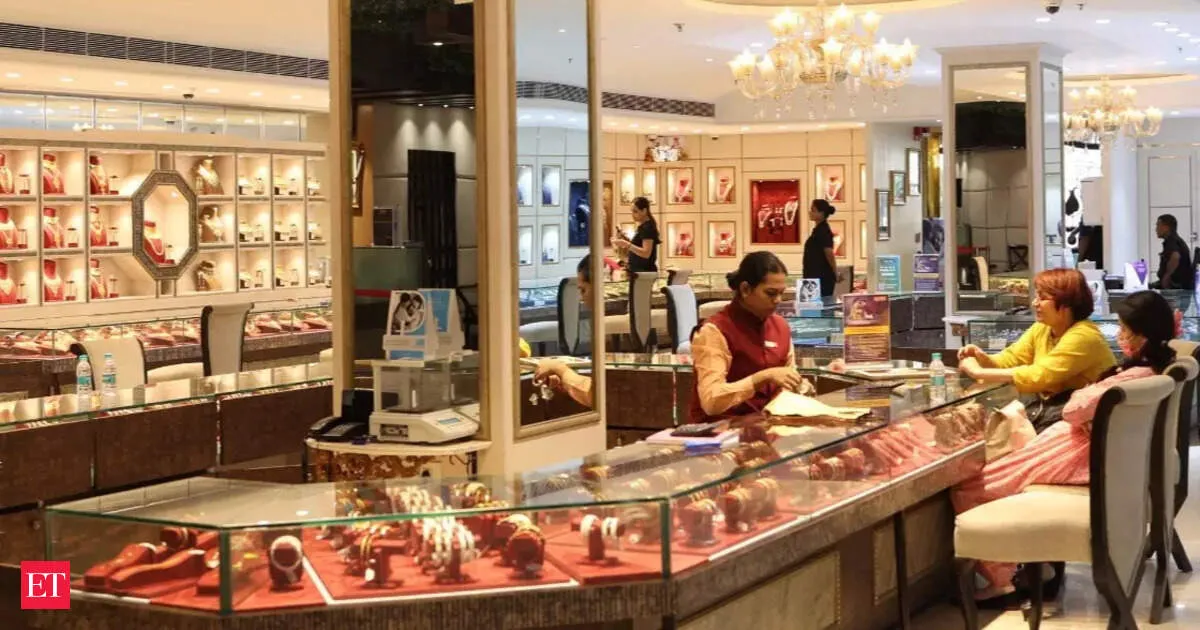
India’s gold and silver import duty hike is expected to hit jewellery sales volumes by 10–15% initially, jewellers say. Still, they believe demand will remain resilient thanks to gold’s cultural and investment pull. Consumers may shift toward lighter designs as prices rise. The government also wants to save foreign exchange and drive domestic recycling of idle gold.
Jewellery stocks have fallen as much as 20% over three sessions, wiping out nearly Rs 60,000 crore in investor wealth. The slide follows PM Narendra Modi’s call for households to defer gold purchases and the government’s hike in gold import duties. Analysts say the damage may be sentiment driven, with no structural threat to India’s long-term gold demand.
India’s gold jewellery market is recalibrating after an import duty hike, triggering a short-term buying rush. Industry experts expect sales volumes to fall as consumers move toward lighter, lower-value pieces. Retailers may benefit from better margins on lower karatage jewellery, while old gold exchanges could see a boost as people look to turn in metal for new purchases.
Never miss a story
Set alerts for the topics and sources you care about. Download Beige for free.
India’s bullion market is set for a reset as higher import duties on gold and jewellery threaten to cool demand and shrink imports. Analysts expect the supply shift to push up domestic gold prices, with knock-on effects for jewellery buyers and gold ETF investments. Silver, in contrast, may gain from global supply deficits and disruption risks.
India’s gems and jewellery industry is bracing for strain after the gold import duty was raised to 15 percent. Industry leaders say higher costs could drive demand toward the grey market and even smuggling, while consumers may shift to lighter gold jewellery to manage rising prices. Leaders are meeting to assess impacts and potential responses.
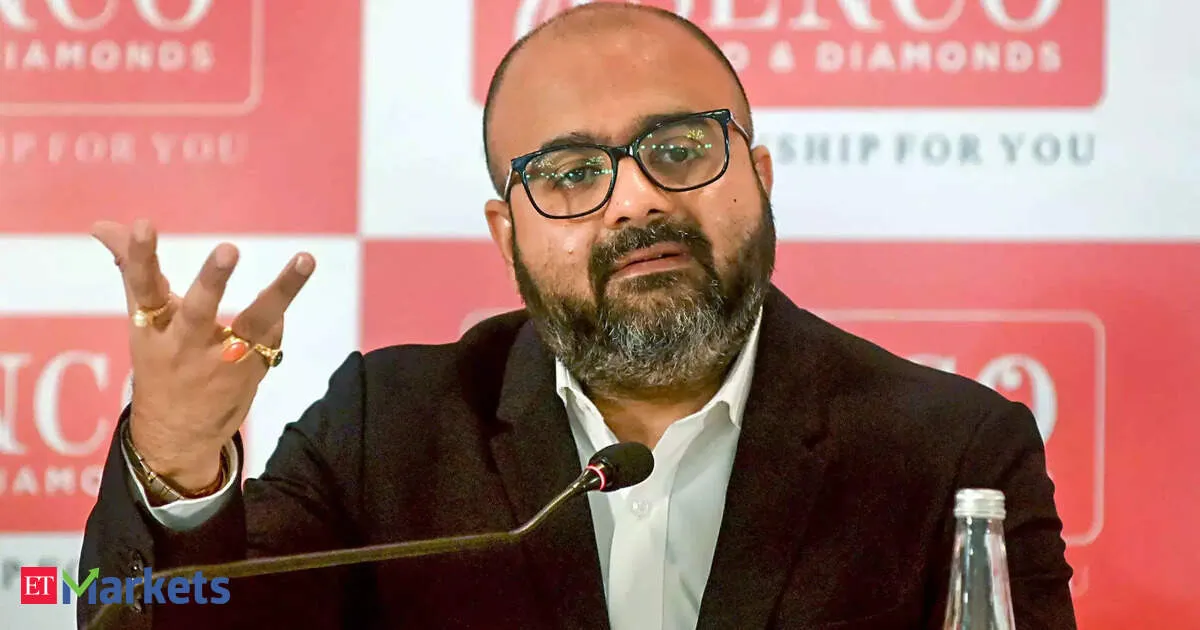
India’s increased import duty on gold and silver could keep jewelry demand under pressure for up to a year, Senco MD Suvankar Sen said. Senco Gold expects volumes to fall 10–15% as shoppers shift toward lighter jewellery. The higher duty is intended to conserve foreign exchange reserves and support economic stability amid ongoing global uncertainty.
India has raised import duties on gold and silver, a policy aimed at cutting foreign exchange outflow and easing pressure on reserves. The change is expected to push up jewellery prices for consumers, while encouraging domestic recycling and less dependence on imported metal. The move also carries implications for traders and the broader economy as demand shifts.
Reading on mobile?
Open Beige in the app for a smoother experience — free on iOS and Android.
Malabar Gold & Diamonds has backed Prime Minister Narendra Modi’s push for responsible gold use, urging an overhaul of the Gold Monetisation Scheme. The jeweller wants higher public participation and more mobilisation of idle gold by integrating organized jewelers, lowering minimum deposit quantities, and introducing flexible redemption options to reduce import dependence and support India’s economy.
With gold prices staying high, Indian buyers are increasingly exchanging old jewellery for redesigned pieces instead of purchasing fresh gold. Jewellers including P. N. Gadgil Jewellers and Tanishq report strong jumps in these trade-ins as consumers treat old gold as a savings asset. The shift is also expected to curb demand for new gold imports.
Gold jewellery stocks slumped as Prime Minister Modi urged Indians to avoid buying gold for a year to conserve foreign exchange. The move rattled investor sentiment and clouded the near-term outlook for companies in the sector. Still, analysts argue that deeper demand drivers like weddings and organized players could keep long-term consumption resilient.
With India’s gold imports climbing, industry bodies are pitching a plan to reduce reliance on overseas metal. The proposal pushes recycling household gold, steering imported gold mainly toward jewellery exports, and drawing jewellers into gold monetisation programs. The goal: convert dormant gold into working capital while improving the balance of payments and easing import pressure.
Follow your favourite sources
Track sources, tags and categories — all in the Beige app.
India’s government has denied any plans to raise gold and silver import duties, responding to Prime Minister Modi’s appeal for citizens to avoid gold purchases amid economic strain. Officials say no duty hike is planned even as gold and silver imports surged in the last fiscal year. Experts warn that higher duties could fuel smuggling, while jewellery firms look to keep prices down.
Titan reported a strong Q4FY26 with 35% net profit growth and a 50% surge in jewellery sales, yet shares slid around 6%. The drag came from international business losses that outweighed the domestic momentum. Even so, most brokerages stayed positive, keeping Buy or Overweight calls and lifting price targets on the long-term jewellery outlook.
Titan Company says it is not worried about near-term gold supply disruptions tied to the West Asia conflict. The jeweller points to a working gold exchange programme and contingency sourcing plans that reduce risk and maintain availability. That approach is meant to protect operations across its jewellery brands, including Tanishq and CaratLane, while Titan continues its sourcing strategy.
Titan Company posted a modest 5.4% year-on-year rise in Q4 consolidated net profit to ₹771 crore as revenue jumped 22% to ₹11,472 crore. The jewellery business faced margin pressure from record-high gold prices and a consumer shift toward gold coins, while watches and eyewear delivered a brighter performance.
Stay informed on the go
Bite-sized news from 100+ trusted sources, right in your pocket.
Summer weddings are fueling a broad consumer spending boom in India. With rural incomes bolstered by a good harvest, sales are rising across categories including edible oils, staples, appliances and jewellery. While companies and jewellers report strong growth, shoppers and businesses are watching for a potentially weak monsoon and global economic headwinds that could dampen future demand.
Bank lending against jewellery has jumped nearly fivefold to ₹4.6 lakh crore by end-March, up from ₹93,301 crore two years ago. The RBI data also shows 123% year-on-year growth, the fastest among all sectors, highlighting a sharp shift toward using gold as quick credit when cash needs rise.
Swipe through stories, personalise your feed, and save articles for later — all on the app.