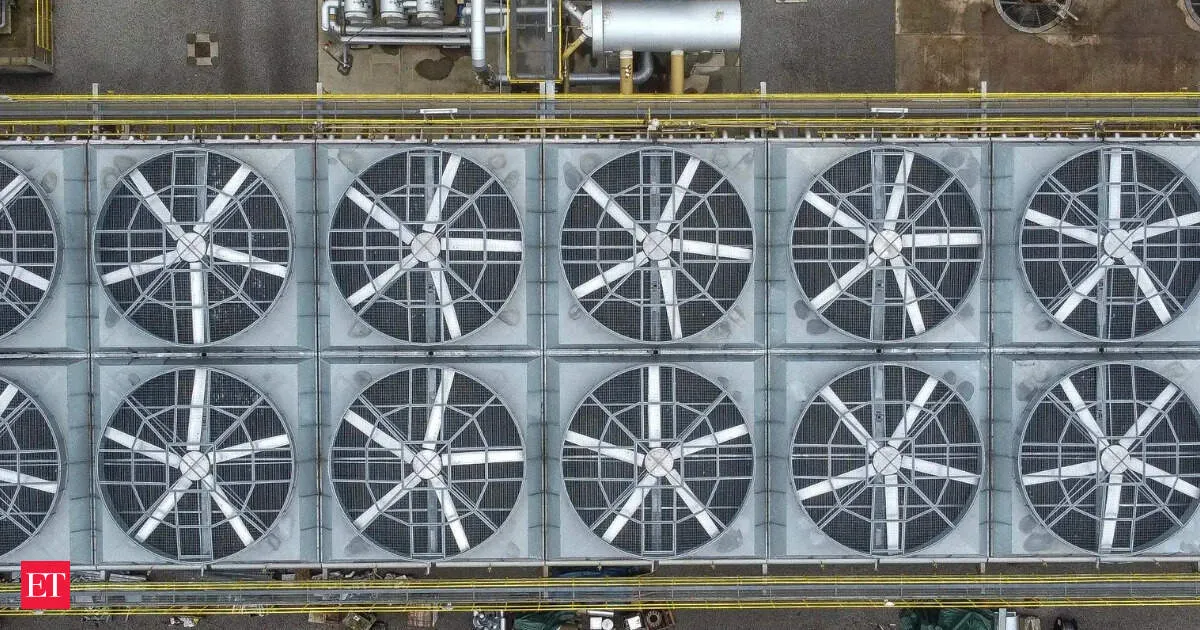
Maharashtra has signed an MoU with AM Intelligence Labs for a proposed Rs 1.14 lakh crore investment to build an Integrated Green Data Centre Park and an AI Compute Hub in the Mumbai region. The plan, backed by the state’s IT Policy 2023 and Green Data Centre Park Policy 2024, is designed to run entirely on renewable energy. Officials expect around 8,000 direct jobs plus additional roles, with construction and operations covering high-tech careers.
India’s geothermal resources are estimated at 11,000 GW, with the potential to support electricity, cooling, and industrial heat while creating up to 700,000 jobs. After slow progress in the past, new technologies and policy momentum are making large-scale geothermal projects more realistic. Geothermal could also strengthen energy security with minimal environmental impact and independence from weather swings.
Your news, in seconds
Get the Beige app — every story in 60 words, updated hourly. Free on iOS & Android.
Andhra Pradesh’s minister Nara Lokesh says MSMEs will drive employment growth, targeting 20 lakh jobs through decentralized development via industrial clusters. The push also includes simplifying business processes and a fast-track plan to list 100 local companies on the National Stock Exchange within three months, aiming to boost growth, visibility, and investment in the state’s SME sector.
The Bank of Canada says there is no evidence of widespread job losses from AI so far. Instead of outright elimination, AI is reshaping how tasks are done, with some roles changing while new jobs emerge. Early signals also suggest modest productivity improvements, which could eventually translate into better wages and lower costs for consumers.
Walmart has cut about 1,000 roles as part of a restructuring meant to streamline operations and accelerate its technology drive. After integrating systems onto a single platform, the company is leaning harder into its online marketplace and delivery services, aiming to attract wealthier shoppers and compete more effectively with digital rivals. Some affected workers were reportedly asked to relocate.
Netflix claims it invested more than $135 billion in films and series over the past decade, funding creators and production worldwide. The company says this spending boosted the global economy by over $325 billion and supported more than 425,000 jobs. Netflix added that it plans to keep backing creators and production around the world.
Never miss a story
Set alerts for the topics and sources you care about. Download Beige for free.
A Hyqoo AI Engineer job posting reportedly required 4+ years of experience with LangChain, a framework that launched in late 2022. The mismatch—experience exceeding the tool’s lifespan—sparked a viral Reddit debate and raised fresh questions about outdated hiring filters in fast-moving AI markets, where candidates may not have had time to gain “years” on newly released tech.
Nvidia CEO Jensen Huang says the AI revolution will trigger a major U.S. infrastructure surge that needs more than software talent. He predicts electricians, plumbers, and builders could see wages rise as AI data centers are built at unprecedented scale. The shift suggests AI’s impact will extend into skilled manual work, potentially reshaping career paths for traditional trades.
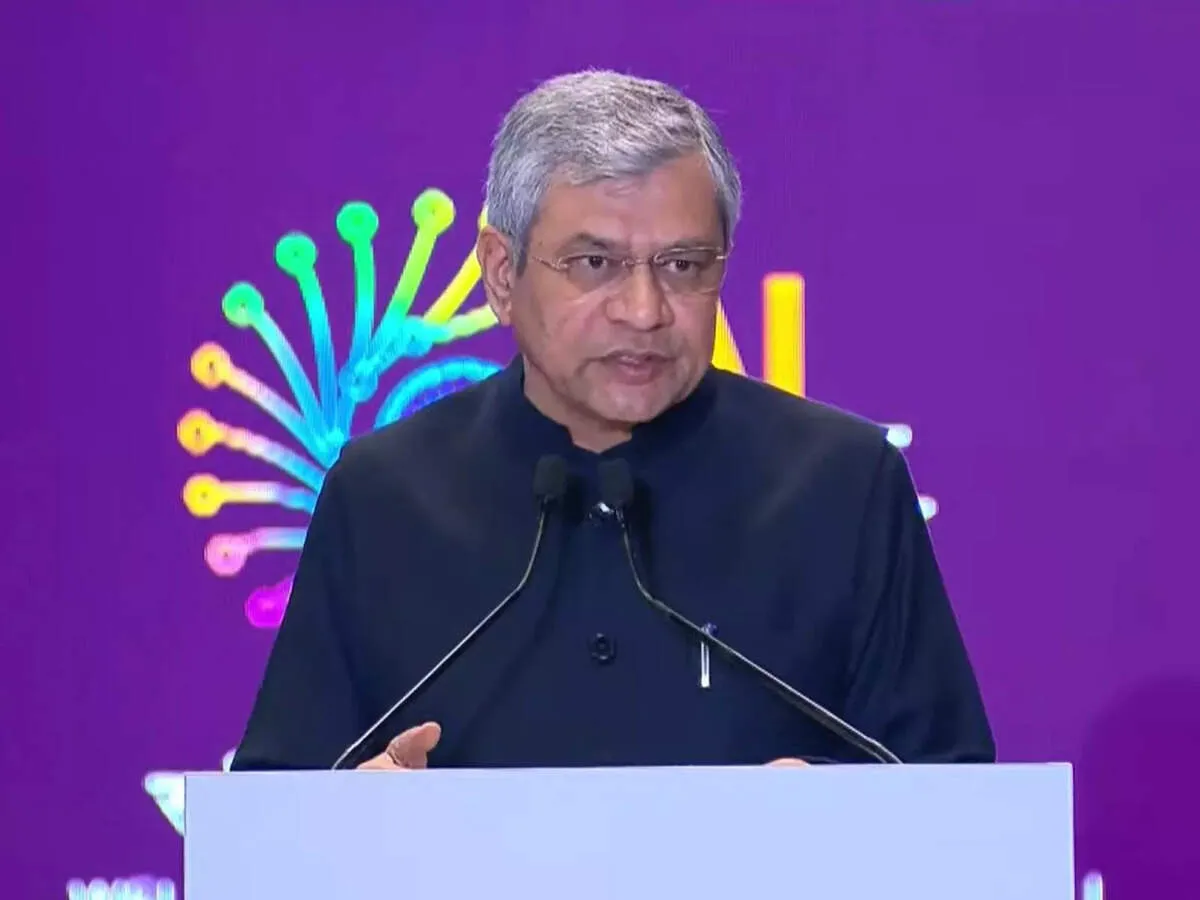
India’s IT hiring is set for a sharp boost as AI job openings are projected to grow by about 15 to 20 percent, according to Ashwini Vaishnaw. The momentum is being supported by major data center investments, aided by attractive tax benefits, while new subsea cable projects expand digital connectivity—strengthening the infrastructure behind the AI boom.
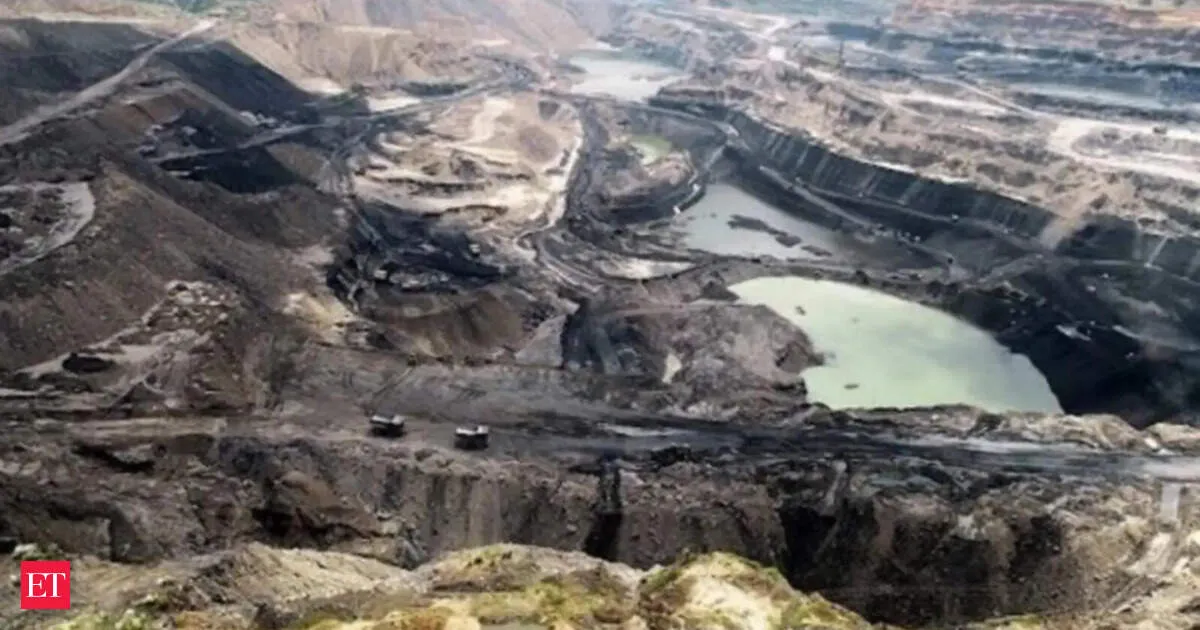
A new report estimates India’s mining sector could become a major jobs engine by 2047, creating 25 million roles and adding up to USD 500 billion to the economy. The transformation, dubbed “Mining 5.0,” hinges on artificial intelligence, integrated digital systems, and more sustainable practices—pushing operators toward technology-led, value-driven operations.
Reading on mobile?
Open Beige in the app for a smoother experience — free on iOS and Android.
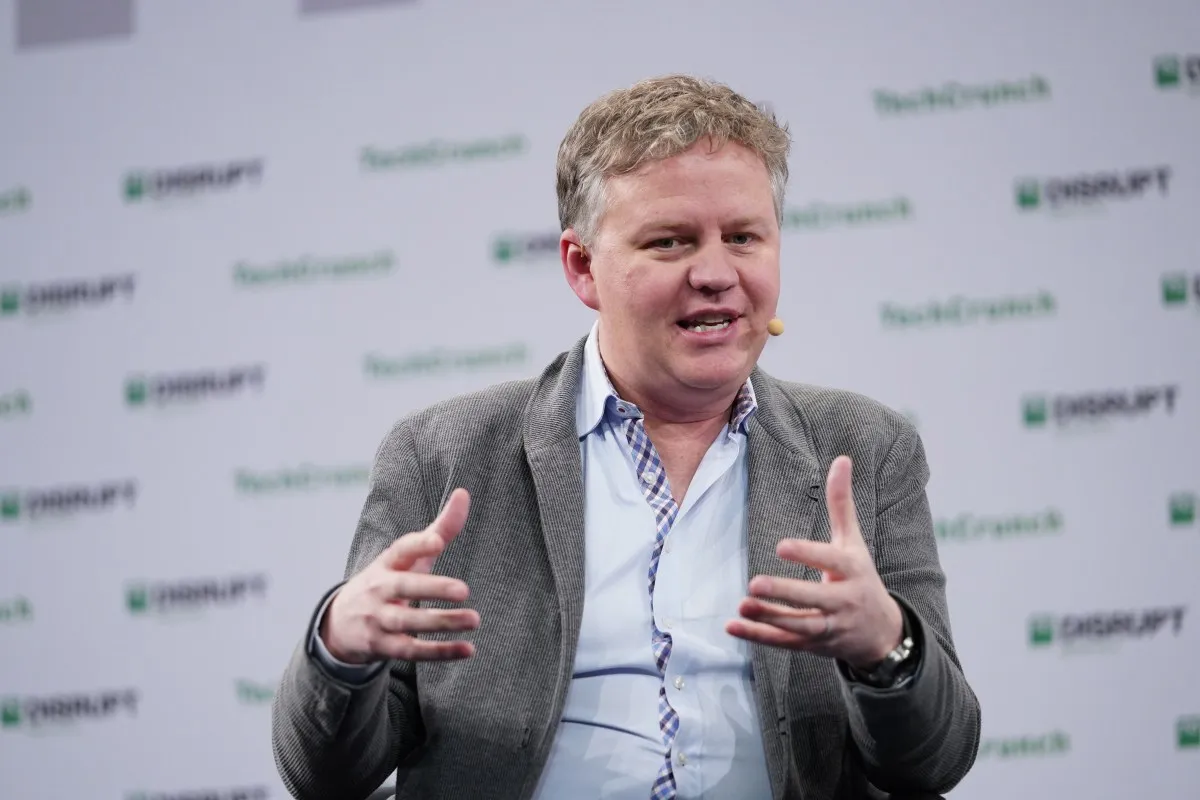
Cloudflare announced its first large-scale layoffs, with CEO Matthew Prince saying AI-driven efficiency reduced the need for certain support and operational roles. The decision lands as the company reported record-high revenue, raising questions about whether AI is reshaping headcount faster than growth. The moves underscore how AI adoption is altering staffing models, even amid strong financial performance.
Porsche is shutting down its e-bike, battery, and software subsidiaries as part of a broader company overhaul, with more than 500 people set to be affected by the closures. The move signals a major restructuring of the automaker’s electrification and tech ambitions, potentially reshaping how Porsche develops and supports connected mobility products.
India plans to expand fruit and vegetable exports to raise farmers’ incomes, create jobs, and bring in foreign currency. Shivraj Singh Chouhan said the Fruit Horizon 2026 programme will strengthen production, improve quality, and scale processing so farmers can capture more value from global markets.
Nike is restructuring its technology operations, shutting tech offices in Atlanta, China, and Poland while relocating some functions to Portland, where the company’s global headquarters is based. The move is expected to affect nearly 1,400 jobs. Nike says it will create leaner IT teams, reduce management layers, and better align technology with business goals amid broader layoffs this year.
Follow your favourite sources
Track sources, tags and categories — all in the Beige app.
Airbnb CEO Brian Chesky is predicting major job changes, arguing that a whole layer of corporate roles won’t last. In his view, the way companies operate is moving away from certain middle or support positions, driven by evolving business needs and efficiency. The warning adds to wider concerns about automation and restructuring in corporate workplaces.
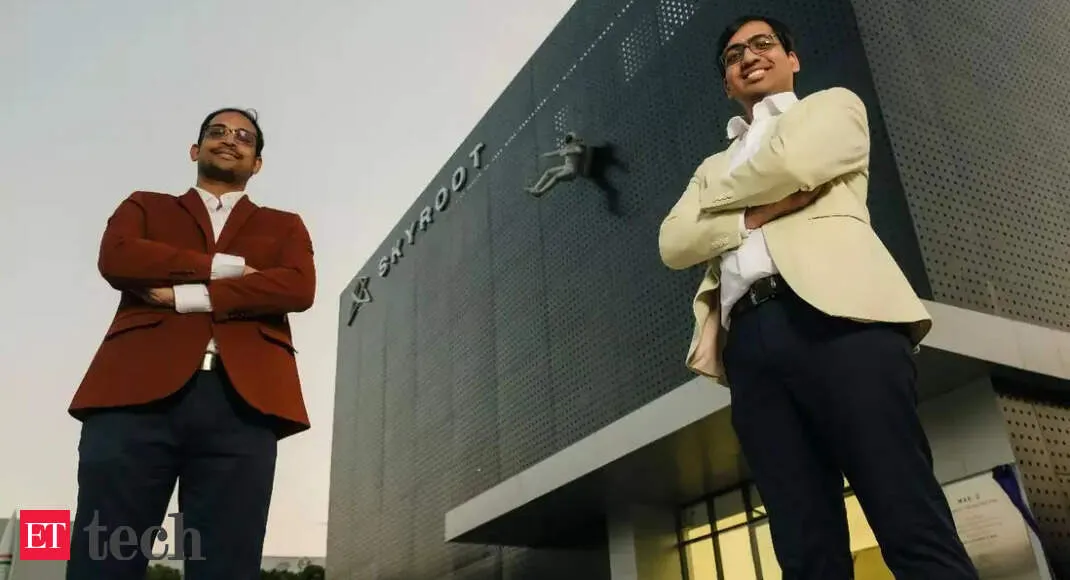
Skyroot Aerospace has crossed a major milestone, becoming India’s first spacetech unicorn after its latest funding round. In the same ETtech Top 5 roundup, another trend stands out: the AI pay gap is growing, signaling widening differences in how technology skills are rewarded across roles and talent pools.
Salesforce CEO Marc Benioff is taking on the claim that AI will erase entry-level work by hiring 1,000 graduates and interns for its Futureforce program. The team will build AI systems behind products like Agentforce and Headless360. Benioff says the move, backed by hiring and unemployment data, shows AI can create early-career opportunities instead of replacing them.
Small businesses are rapidly hiring recent college graduates, with totals approaching a million this year. The most in-demand roles are described as “AI-proof,” including field manager and service technician. The shift suggests employers are prioritizing hands-on, on-site work that automation struggles to replicate, reshaping early career hiring trends.
Stay informed on the go
Bite-sized news from 100+ trusted sources, right in your pocket.
Indian companies are preparing to invest more than $20.5 billion in the United States, with plans spanning technology, pharmaceuticals, and manufacturing. US Ambassador Sergio Gor said the move is meant to deepen business ties between the two countries, while supporting American job creation and strengthening supply chains through new ventures and expanded operations.
US job openings edged down in March, but hiring rose sharply—an unusual split that points to a job market regaining momentum. The relative stability is reinforcing expectations that the Federal Reserve may keep interest rates unchanged, even as inflation worries linger. Meanwhile, geopolitical tensions add fresh uncertainty to the economic outlook.
Swipe through stories, personalise your feed, and save articles for later — all on the app.