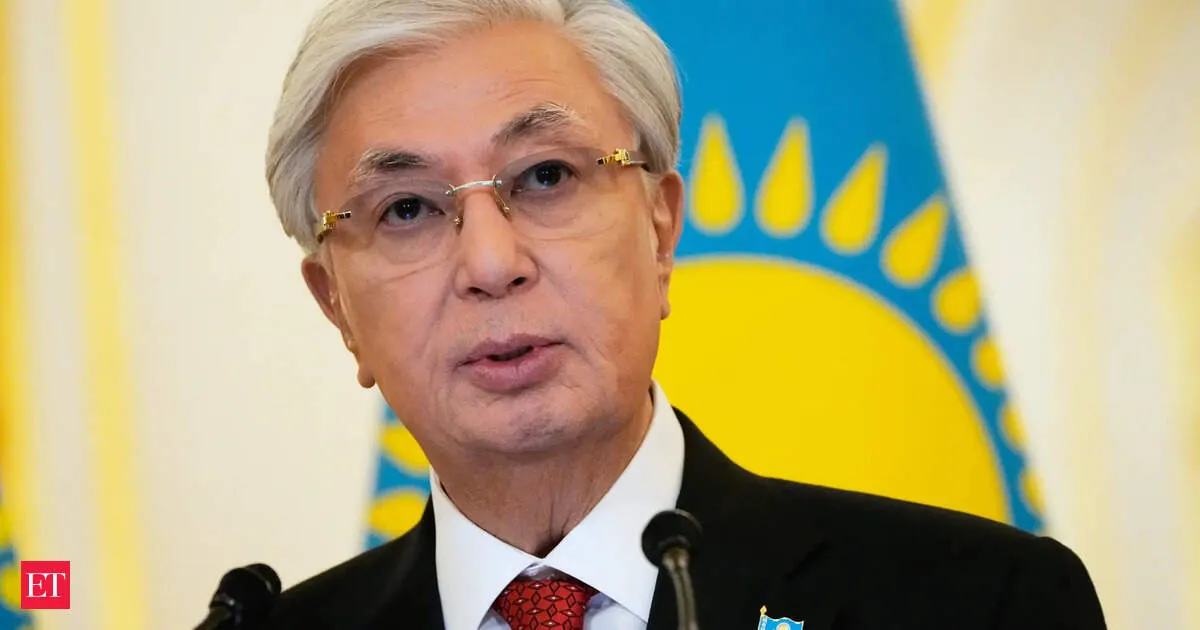
Kazakhstan President Kassym-Jomart Tokayev signed a May 12 decree to introduce artificial intelligence into the nation’s secondary education system, aiming for nationwide rollout as part of a 2026–2029 action plan. By July 1, the government will approve details covering personalized learning, digital infrastructure, teacher training, and safeguards for student personal data. Pilot projects are expected to start after proposals by June 1, with equipment and stable high-speed internet by Aug. 1. National AI standards are due by Sept. 1.
Kazakhstan has issued a fresh decree aimed at attracting international investors and highly skilled professionals. The policy introduces a Golden Visa scheme and reforms residency rules, shifting toward an incentive-driven approach to make the country more appealing for global talent and capital inflows. The move signals Kazakhstan’s push to strengthen its position in international migration and business.
Your news, in seconds
Get the Beige app — every story in 60 words, updated hourly. Free on iOS & Android.
Kazakhstan’s President Kassym-Jomart Tokayev is pushing for a rapid shift to an AI-powered, real-time economy. He warned that sticking with traditional growth models is becoming ineffective and that delay could widen the global gap. The plan calls for unified digital transformation, faster decision-making, and stronger private sector and venture ecosystem involvement.
Swipe through stories, personalise your feed, and save articles for later — all on the app.