Volkswagen labor leaders in Germany have pledged they will not allow any factory closures, even as the automaker seeks to cut excess capacity. In a Reuters statement, works council head Daniela Cavallo and union leaders from IG Metall and regional unions anchored their stance in a 2024 restructuring agreement, calling its “red lines” non-negotiable. While they welcome proposals to secure under-used sites—possibly through plant-sharing or defense and Chinese partnerships—they warn they will fight anything that undermines job security and career prospects.
Samsung Electronics’ South Korea labour union is threatening to stop pay negotiations unless a mediation proposal is put forward. The union is pressing for a larger share of operating profit to boost performance bonuses, arguing payouts are smaller than rival SK Hynix. The dispute intensifies despite Samsung’s record profits fueled by the AI chip boom.
Your news, in seconds
Get the Beige app — every story in 60 words, updated hourly. Free on iOS & Android.
Foreign companies from Japan, South Korea, and Taiwan are closely tracking developments in Tamil Nadu as a new government is set to be formed. While established firms are relatively steady, newer entrants are more cautious, prioritizing stable labour conditions and predictable policy. They are also looking for renewed incentives to strengthen electronics manufacturing and unlock fresh investment.
American construction unions have moved into the spotlight of AI infrastructure, partnering with major tech firms to build large data centers. The deal is creating construction jobs and lifting union membership, while unions back tech-friendly policies and push back against local and political opposition. The result is a new, blue-collar force shaping the AI buildout narrative.
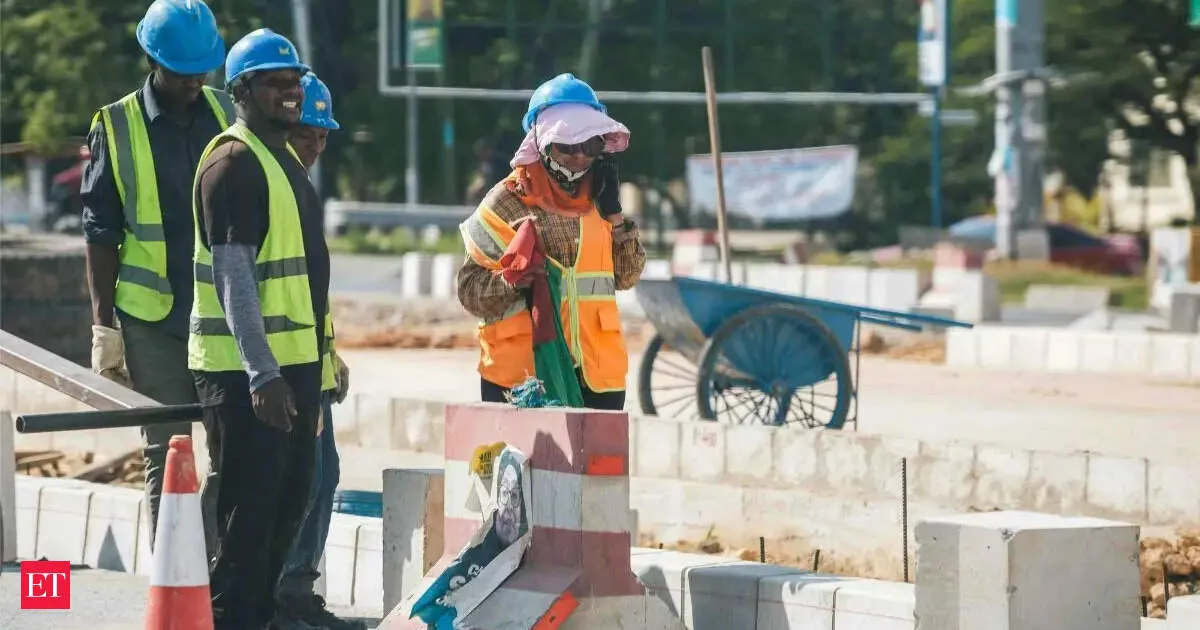
The UAE has introduced updated rules for worker housing, aiming to improve daily living conditions nationwide. Employers must meet new hygiene and safety requirements, either by providing compliant housing or offering allowances. The changes include free internet access for all workers and expanded medical support for larger housing communities, alongside stronger oversight of welfare standards.
North Carolina labour chief Luke Farley has endorsed a federal proposal to raise wages for H-1B and similar visa holders. Farley argues that current programs enable employers to hire foreign workers at below-market rates, harming American workers’ leverage and job opportunities. The rule would push pay toward market rates to reduce competition effects.
Never miss a story
Set alerts for the topics and sources you care about. Download Beige for free.
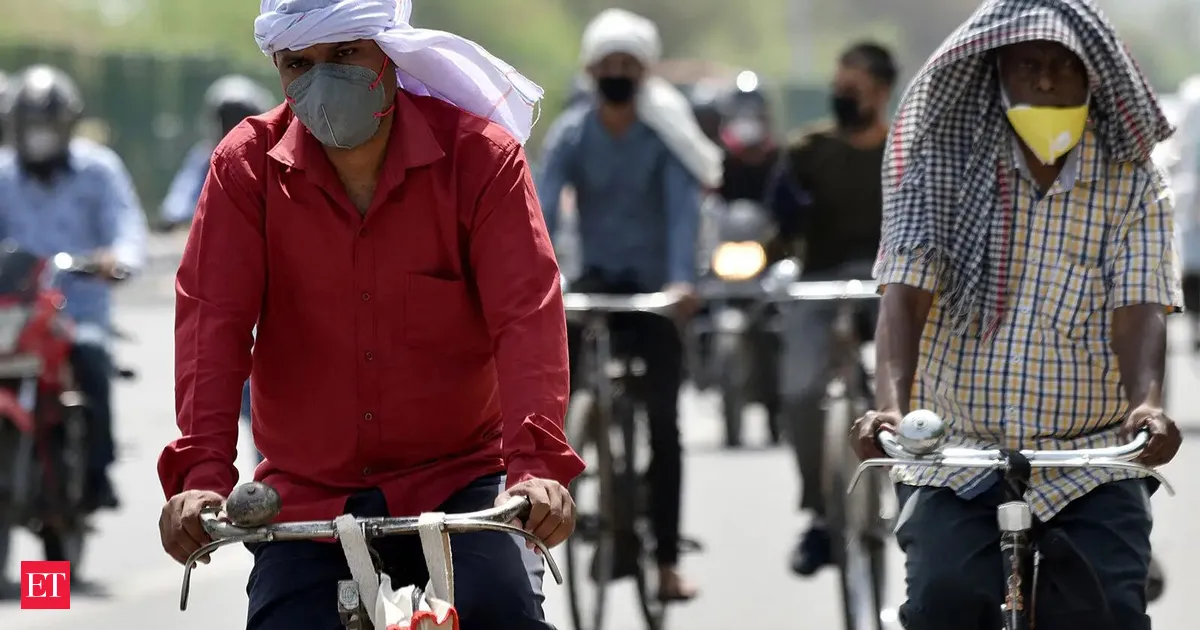
India’s Union labour and health ministries have issued urgent heatwave advisories, directing states and union territories to protect outdoor and factory workers with rest, cooling and tighter preventive measures. The plan includes better early warnings to communities and dedicated heat stroke units in health facilities to prevent and manage cases as temperatures rise.
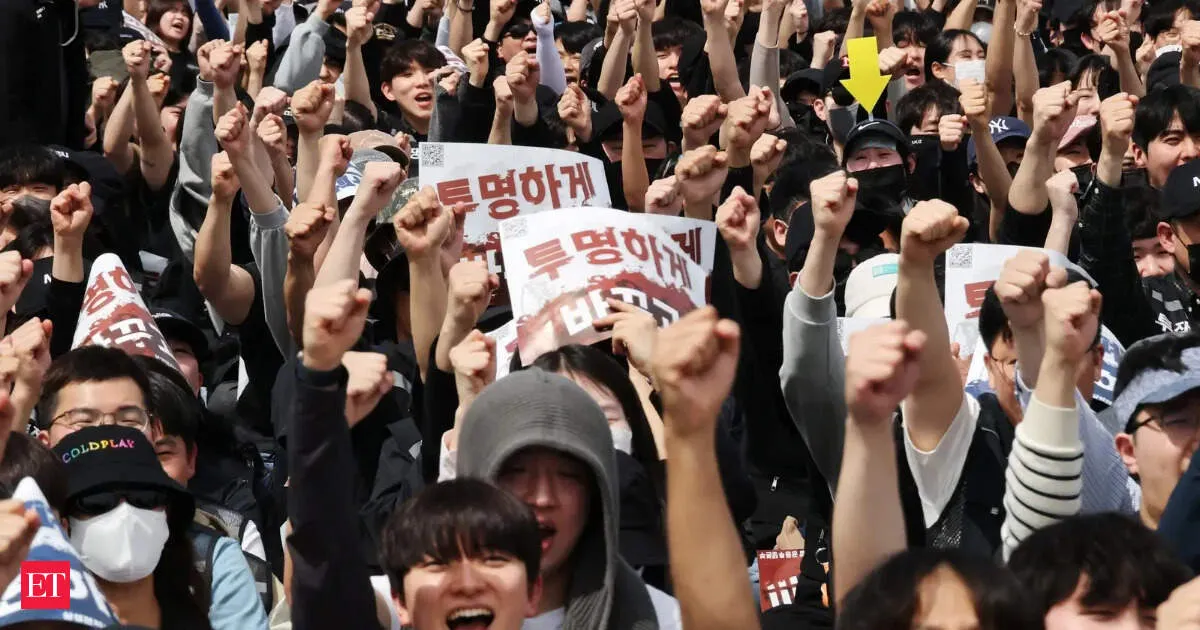
Samsung Electronics saw major drops in chip production at its South Korea facilities during an overnight shift on Thursday, its union says. Foundry chip output fell 58% and memory chip output declined 18% as unionised workers joined a rally seeking higher wages. The incident highlights how labour actions can quickly disrupt high-volume semiconductor supply chains.
The U.S. Department of Labor is warning about “body shopping” in the H-1B program, where staffing firms place foreign workers at client sites. Officials say it lets wages be compared against the outsourcing firm’s lower pay levels, potentially widening gaps with U.S. workers. A proposed rule would push prevailing wages higher to close the loophole and tighten compliance.
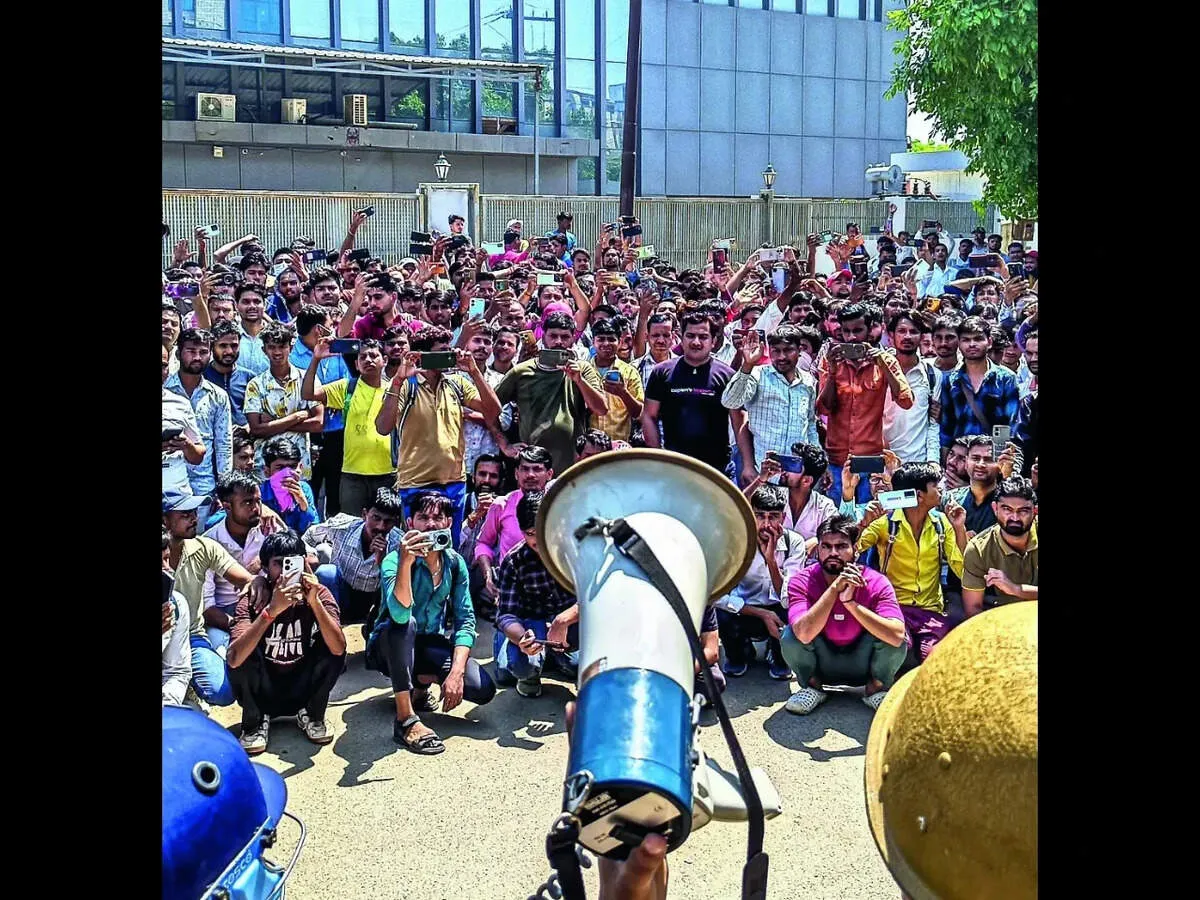
Delhi NCR’s labor tensions have flared again as workers protest rights and pay. The region’s job promise and international investment pull remain strong, but violent confrontations risk derailing negotiations and worsening the very wage gains workers seek. With labor relations already complex, authorities and employers must focus on lawful, structured dialogue instead of escalation.
Reading on mobile?
Open Beige in the app for a smoother experience — free on iOS and Android.
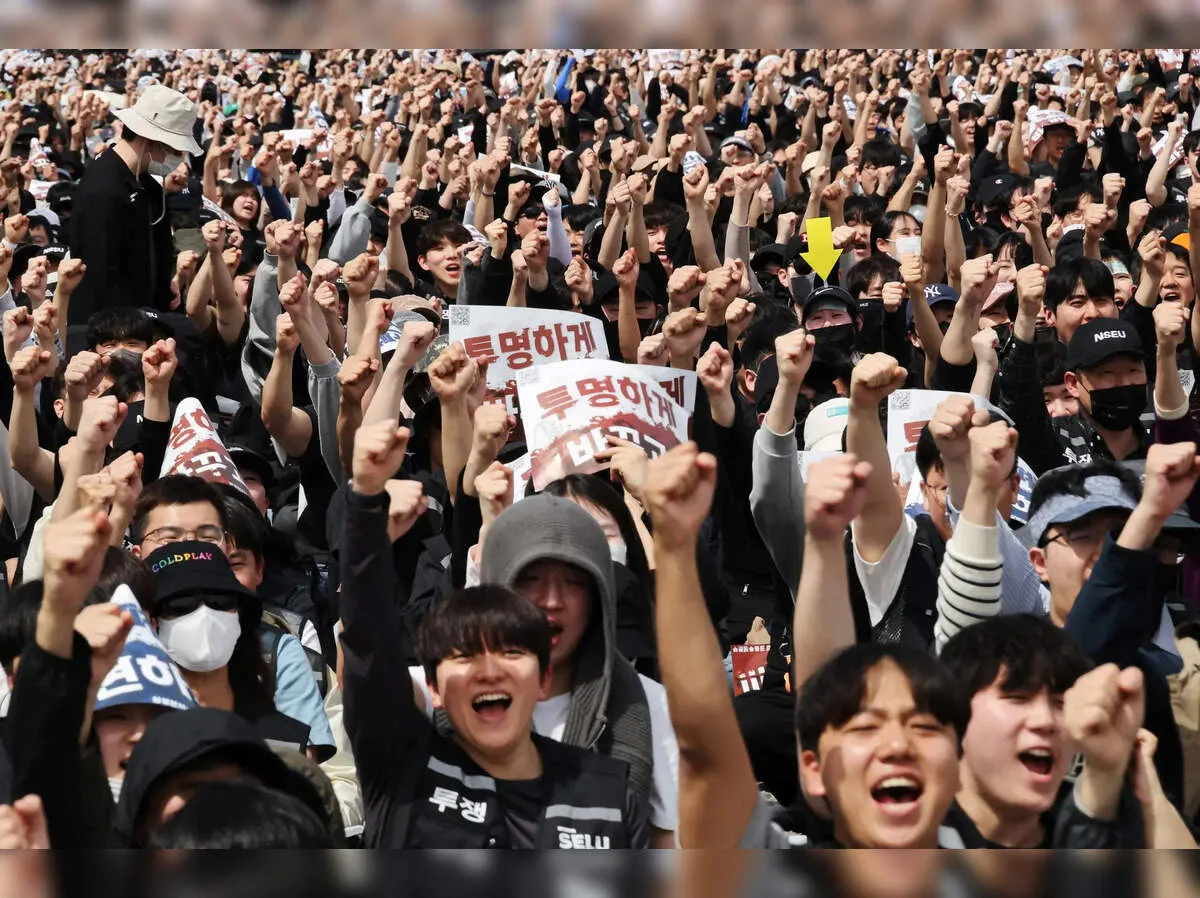
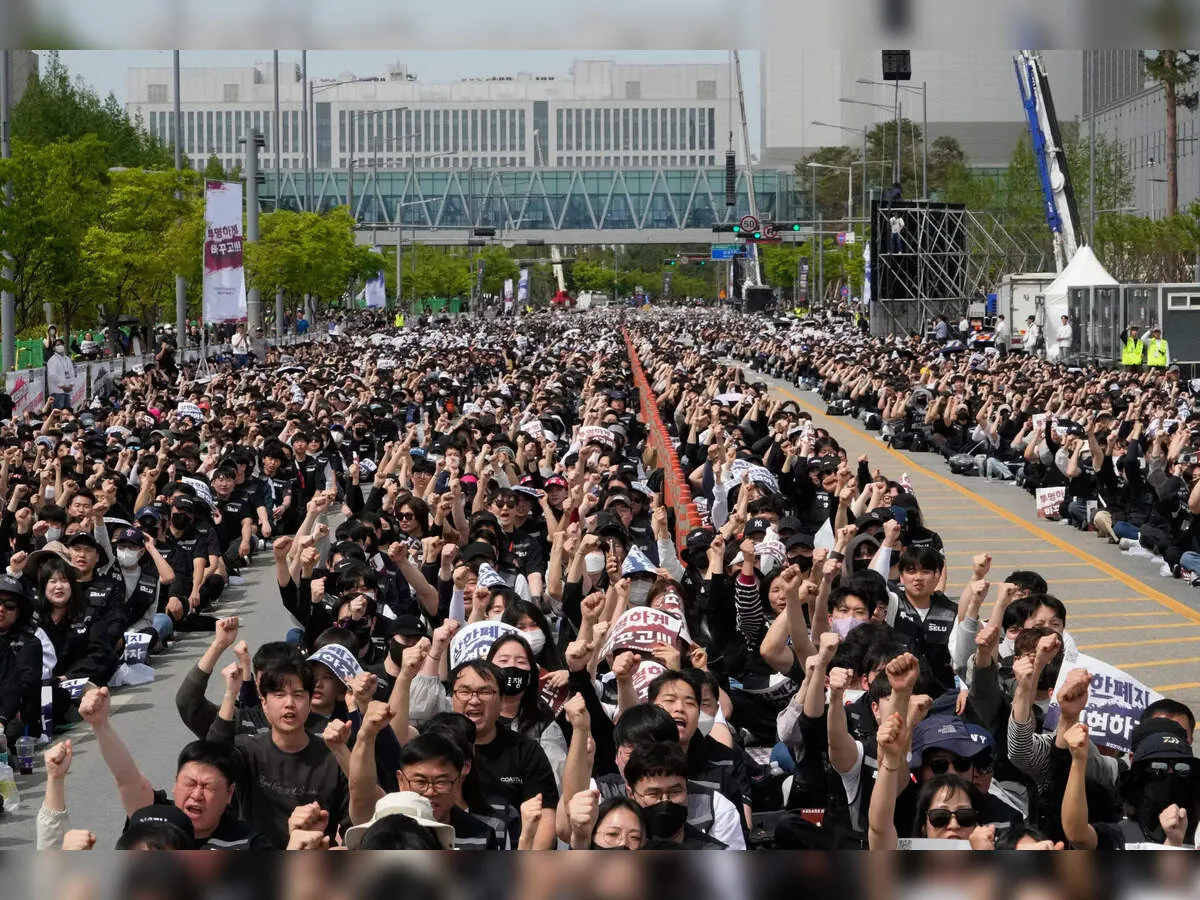
Thousands of Samsung Electronics workers rallied at the company’s chip complex in Pyeongtaek, South Korea, calling for higher bonuses and warning of a potential strike. The labor action comes as AI-driven demand lifts memory-chip profits, intensifying pressure on management as workers seek a larger share of the windfall.
Swipe through stories, personalise your feed, and save articles for later — all on the app.