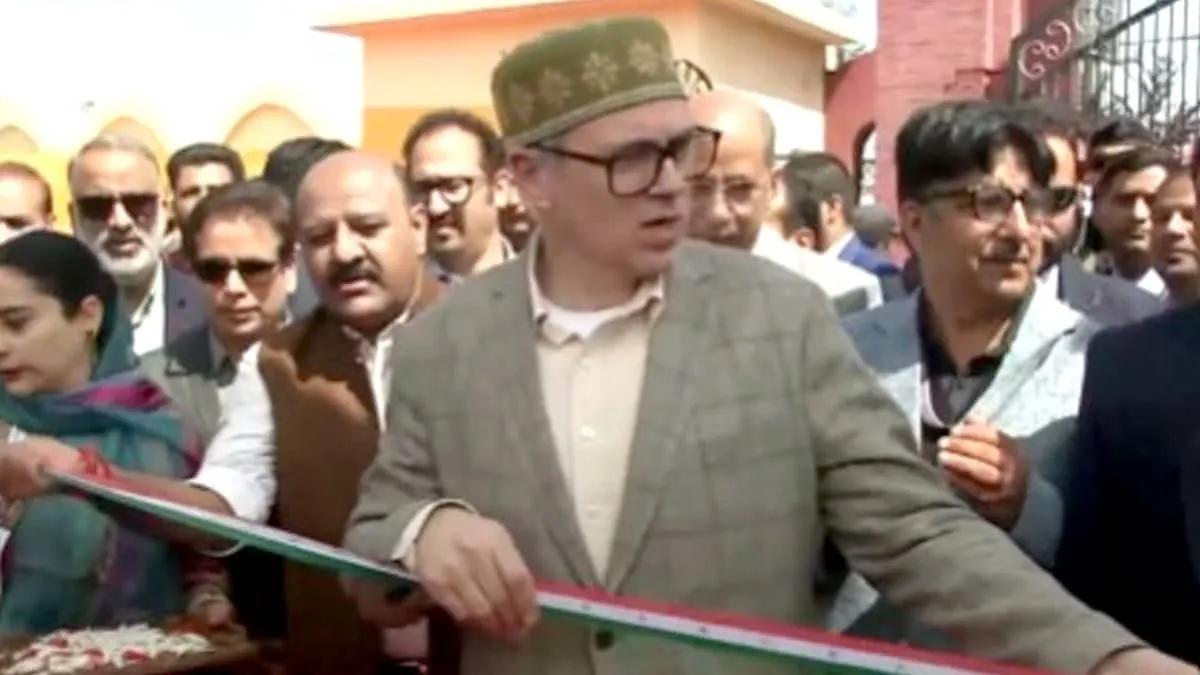
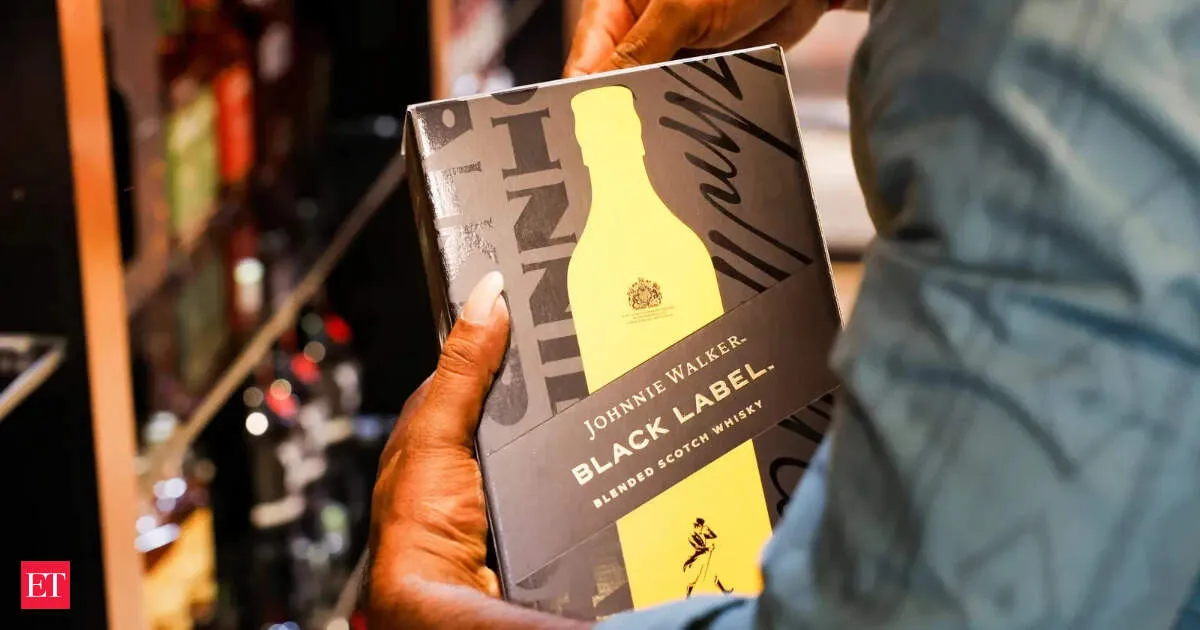
BJP workers staged a protest in Srinagar on Friday demanding a liquor ban in Jammu and Kashmir. Scores marched toward Chief Minister Omar Abdullah’s residence on the high-security Gupkar Road but were intercepted by police and temporarily detained at Ram Munshi Bagh police station. Protesters accused the ruling National Conference government of “hypocrisy,” alleging Abdullah reneged on a pre-October 2024 election promise to ban liquor. They also criticized the government for pointing blame to the BJP-led Centre while refusing to act once in power.
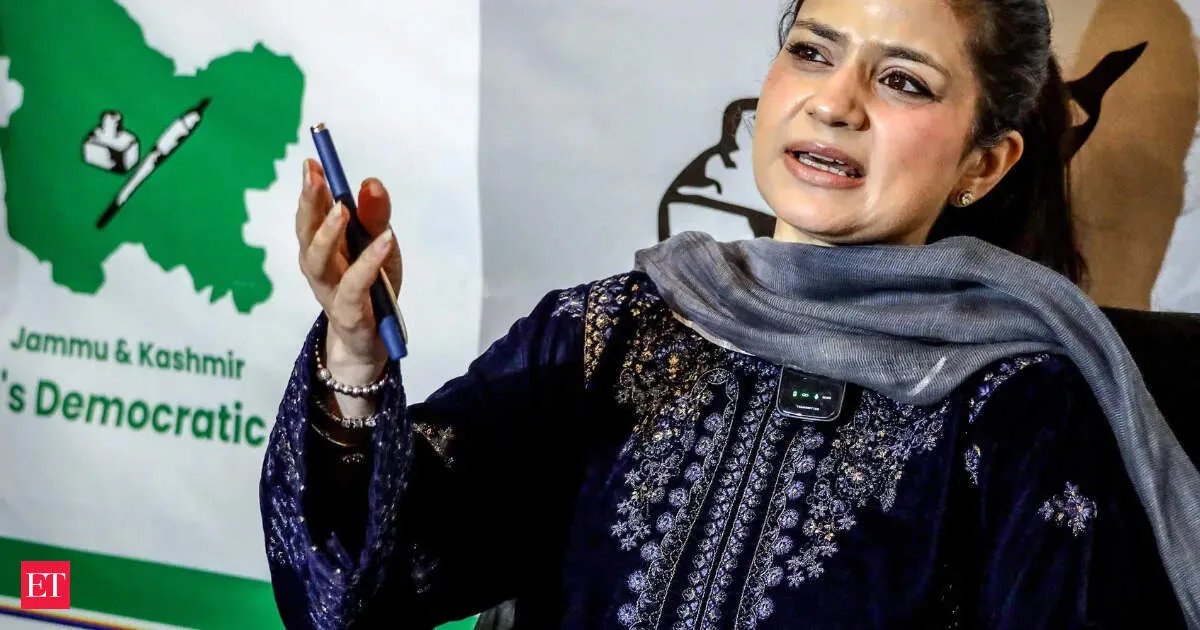
PDP leader Iltija Mufti sharply criticized Jammu and Kashmir CM Omar Abdullah for refusing an alcohol ban, arguing his justification—that Hindus may drink because religion permits it—doesn’t add up. Posting on X, Mufti demanded to know how Hindu-majority states like Gujarat and Bihar managed alcohol prohibitions “without a whimper.” She also said Abdullah dismissed religious sensibilities of the majority with indifference. Abdullah, meanwhile, defended his stance by saying people aren’t being forced to drink.
Your news, in seconds
Get the Beige app — every story in 60 words, updated hourly. Free on iOS & Android.
Jammu and Kashmir’s fight over licensed alcohol sales has turned into a political flashpoint, with Omar Abdullah defending regulated shops while opponents demand stricter limits. But alongside the louder liquor debate, a more severe crisis is worsening: rising drug addiction tied to narcotics trade, crime, and families struggling to protect the valley’s youth.
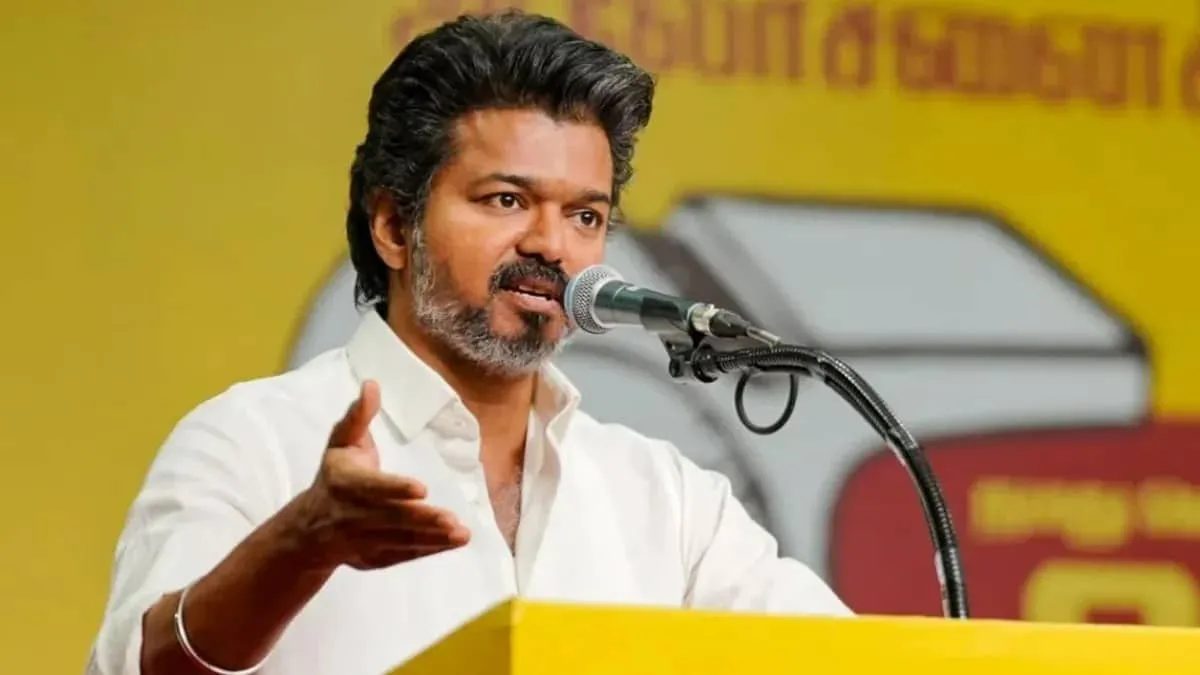
Tamilaga Vettri Kazhagam (TVK) has warned its “party comrades” after Tamil Nadu Chief Minister Vijay shut down 717 state-run liquor shops within 500 metres of schools, places of worship, and bus stands. In a post on X, the party urged strict restraint, including banning banners and posters that could hinder public movement—signaling tighter controls beyond liquor regulation.
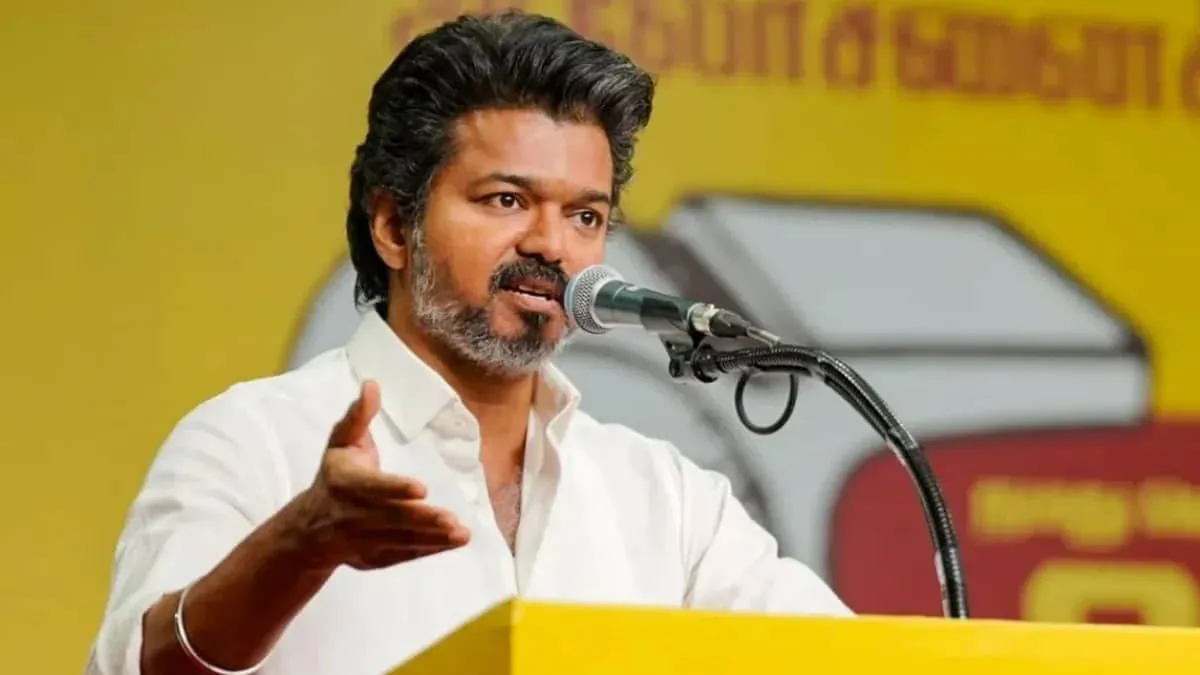
Tamil Nadu Chief Minister C Joseph Vijay has ordered the shutdown of 717 state-run TASMAC liquor shops located within 500 meters of schools, colleges, religious sites and bus stations. Authorities began a statewide audit after the directive and will implement the closures within two weeks. The move marks his first major policy action since taking office.
Despite a decade-old alcohol ban, Bihar’s drinking hasn’t disappeared—it has gone underground. Traders use coded terms like “pure milk” and “sonapapdi” to mask liquor deals, with young couriers making discreet deliveries. The illegal trade is estimated in the thousands of crores, and enforcement struggles as smuggling tactics grow more inventive.
Never miss a story
Set alerts for the topics and sources you care about. Download Beige for free.
Swipe through stories, personalise your feed, and save articles for later — all on the app.