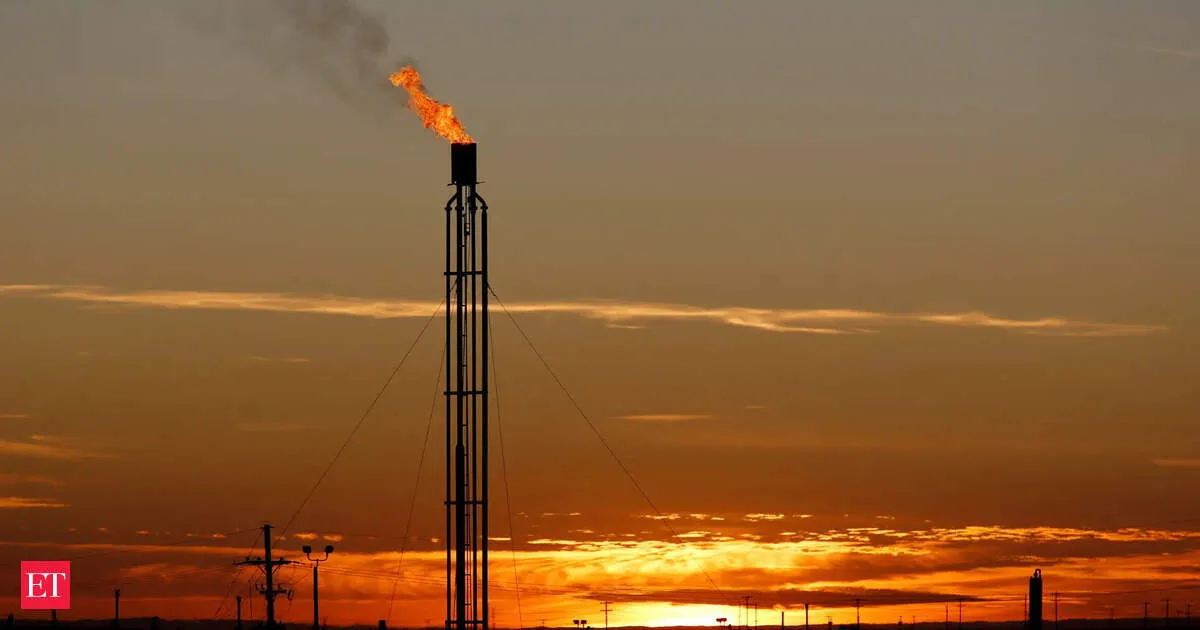
Goldman Sachs warns that early signs of recovery in Asian LNG demand could tighten global supply and shift upside risks to European gas prices. In preliminary May data, Asia LNG imports are running about 4 million tonnes per annum above Goldman’s 225 mtpa forecast, driven by China and South Korea as summer consumption and inventory rebuilding accelerate. The bank notes China imports have surged to a four-week average of 48 mtpa, and the JKM premium has risen, signaling firmer Asian appetite.
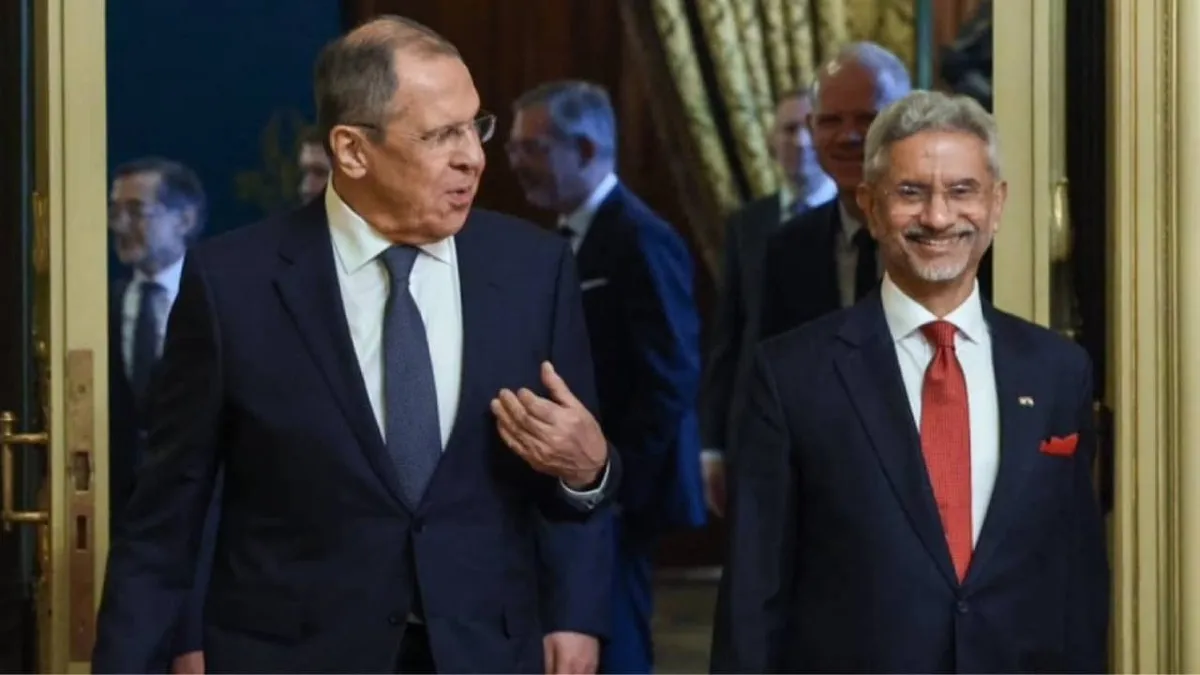
Russian Foreign Minister Sergey Lavrov told RT India that India’s interests in Russian energy supplies will not be affected, even as he accused the United States of “unfair competition.” Ahead of a visit for the BRICS Foreign Ministers’ Meeting, Lavrov alleged Washington seeks to dominate and “seize all energy routes” globally, pressuring countries that maintain ties with Russia. He also criticized Europe for dropping Russian contracts, arguing bans are politically driven and will force higher-cost imports of US LNG.
Your news, in seconds
Get the Beige app — every story in 60 words, updated hourly. Free on iOS & Android.
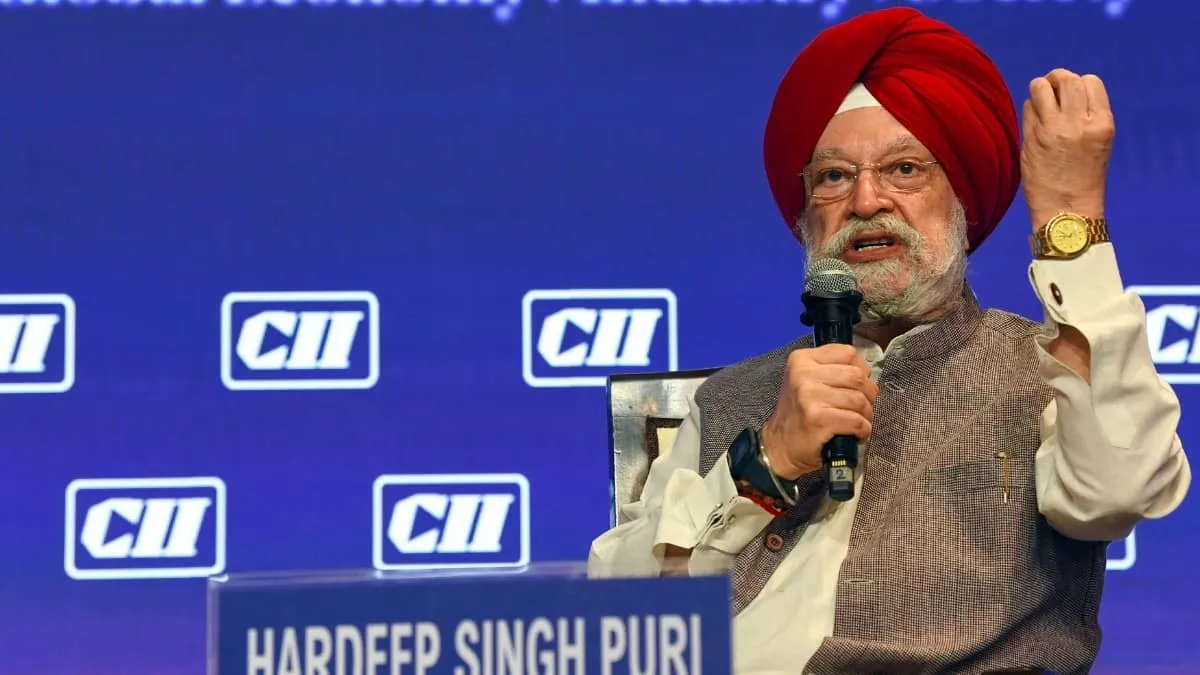
Petroleum and Natural Gas Minister Hardeep Singh Puri has dismissed reports about India rejecting Russian LNG and warned against “lockdown” rumours. Speaking at the CII Annual Business Summit, he said India has not raised fuel prices for four years and currently holds 60 days of crude oil, 60 days of LNG and 45 days of LPG. Responding to Reuters-linked claims, Puri said the country never imported Russian LNG or LPG from Russia, and that opposition-led panic is misleading.
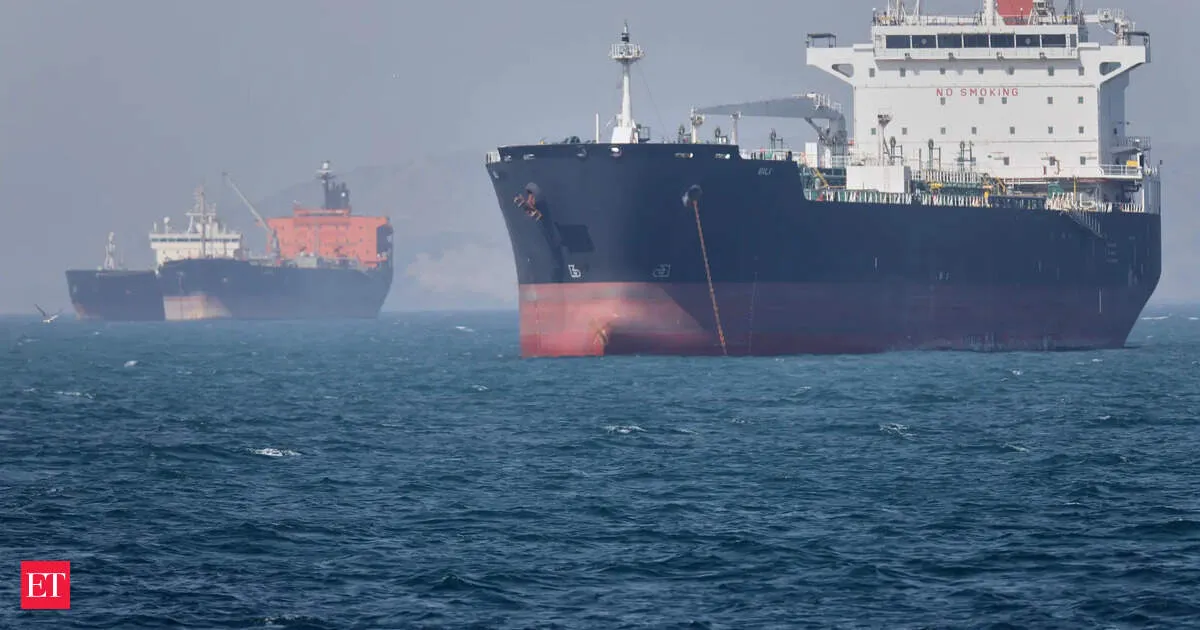
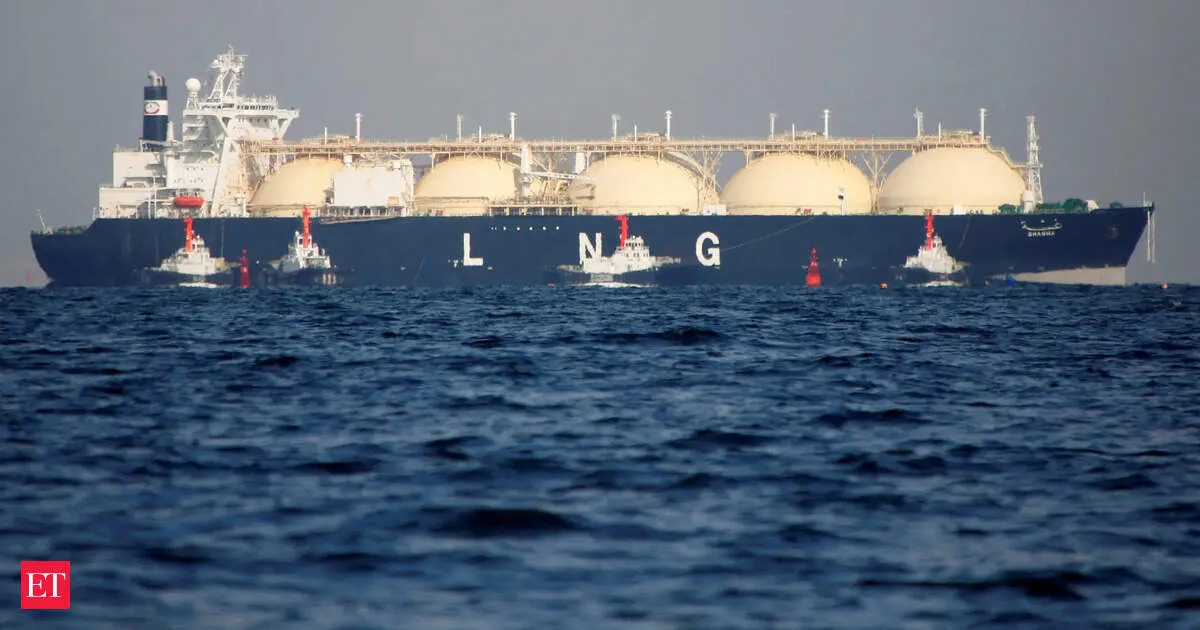
A second Qatari LNG tanker, Mihzem, is transiting the Strait of Hormuz toward Pakistan after an earlier ship cleared the route. The passage is allowed under an Iran-approved arrangement that permits Qatari cargoes to cross case by case, with Pakistan acting as a mediator. The move underscores how energy shipments continue despite escalating conflict risks around the waterway.
US natural gas futures are slipping as demand forecasts soften and LNG export flows ease. Waha Hub prices remain negative, pressured by pipeline limits in the Permian Basin. Producers have cut output amid low spot prices, while storage is still above normal but narrowing. The next moves hinge on weather expectations and ongoing LNG maintenance.
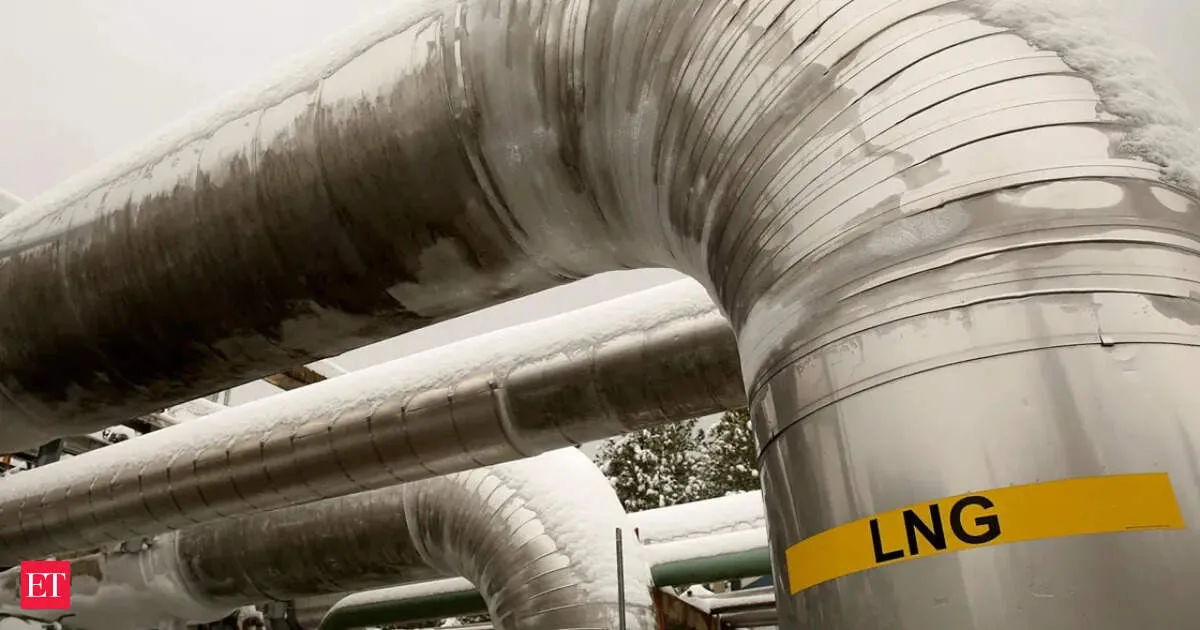
India imports roughly half its natural gas needs, relying on LNG shipments carried by tankers from suppliers such as Qatar and the US. With Qatar deliveries reportedly facing disruptions, the government is looking to boost LNG tank capacity to improve storage and keep electricity generation, fertiliser output, CNG for vehicles, and household cooking supplied.
Never miss a story
Set alerts for the topics and sources you care about. Download Beige for free.
Canada is stepping up its energy export capacity for India, with new infrastructure underway and LPG shipments scheduled to begin by 2027. The country is also working to expand its LNG exports beyond the US, aiming to diversify sales to India, which can refine heavy crude—turning energy trade into a bigger strategic partnership.
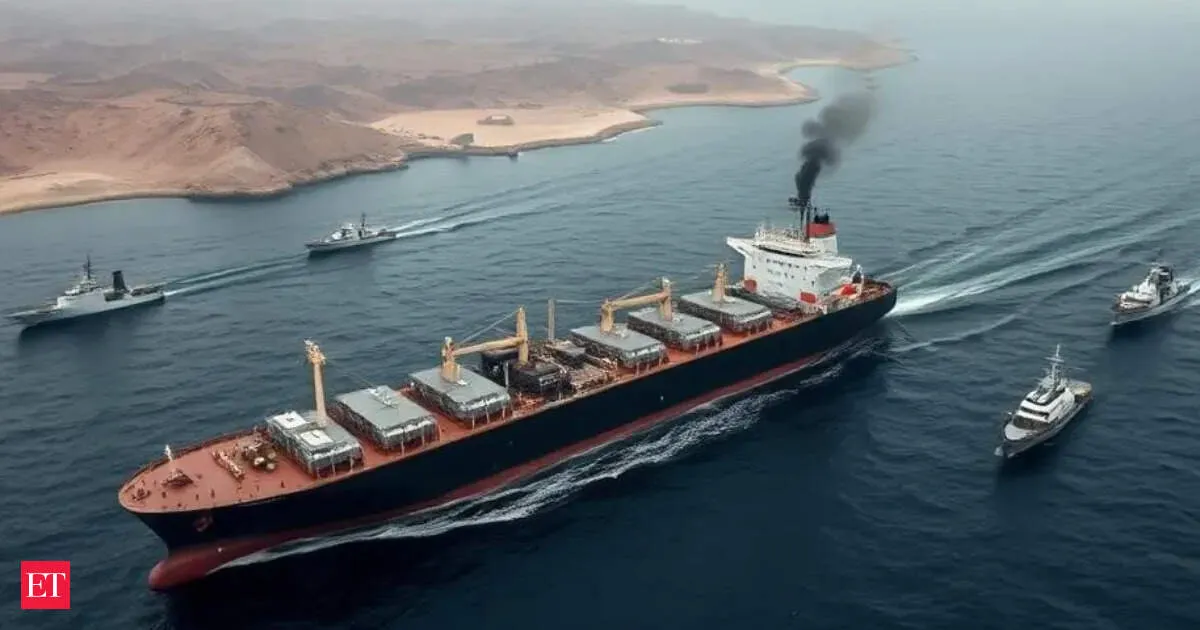
The LNG tanker Mubaraz, loaded in the UAE, appears to have cleared the Strait of Hormuz after a two-month traffic lull. Its transponder reportedly went dark and it later reappeared west of India, a move traders read as a possible easing of regional tensions. That shift could relieve pressure on global energy supplies and prices that had spiked during the standoff.
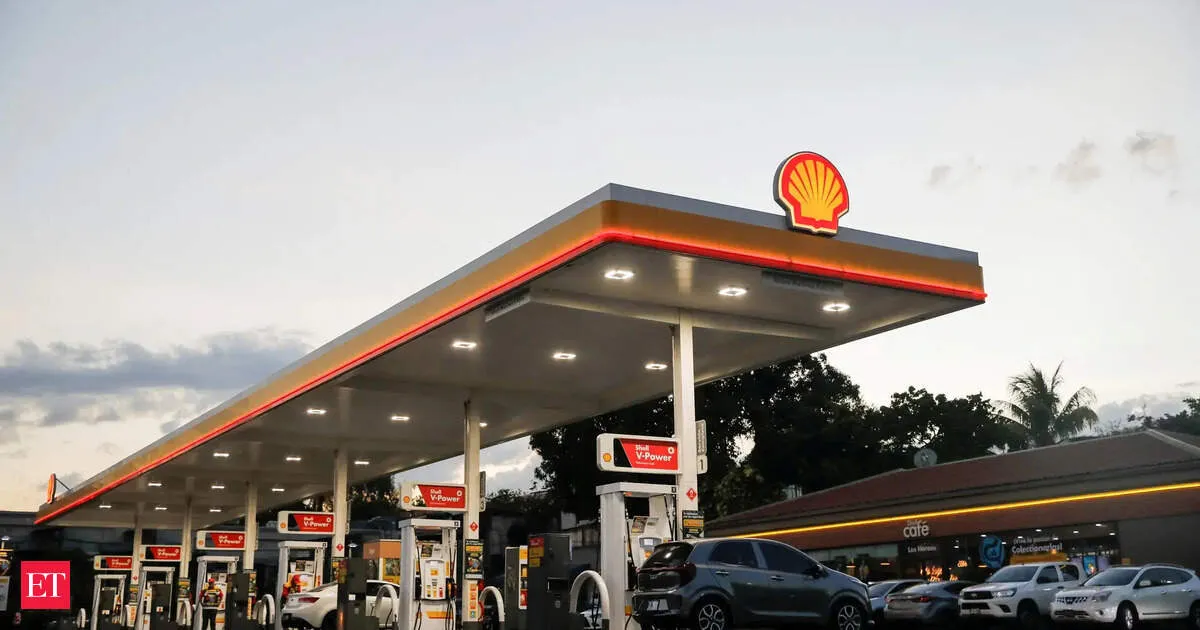
Shell has agreed to acquire Canada’s ARC Resources in a $16.4 billion deal aimed at boosting production and expanding its footprint in the Canadian energy landscape. The move is seen as especially significant for Shell’s LNG ambitions, potentially strengthening supply and influence in a market where upstream scale and timing matter.
The International Energy Agency says the Iran US Israel conflict could trigger the worst energy crisis in history. It warns the disruption in maritime traffic through the Strait of Hormuz is already constraining global oil and LNG flows, compounding a tense oil and gas situation tied to Russia. The knock-on effect could quickly ripple into prices and supply.
Reading on mobile?
Open Beige in the app for a smoother experience — free on iOS and Android.
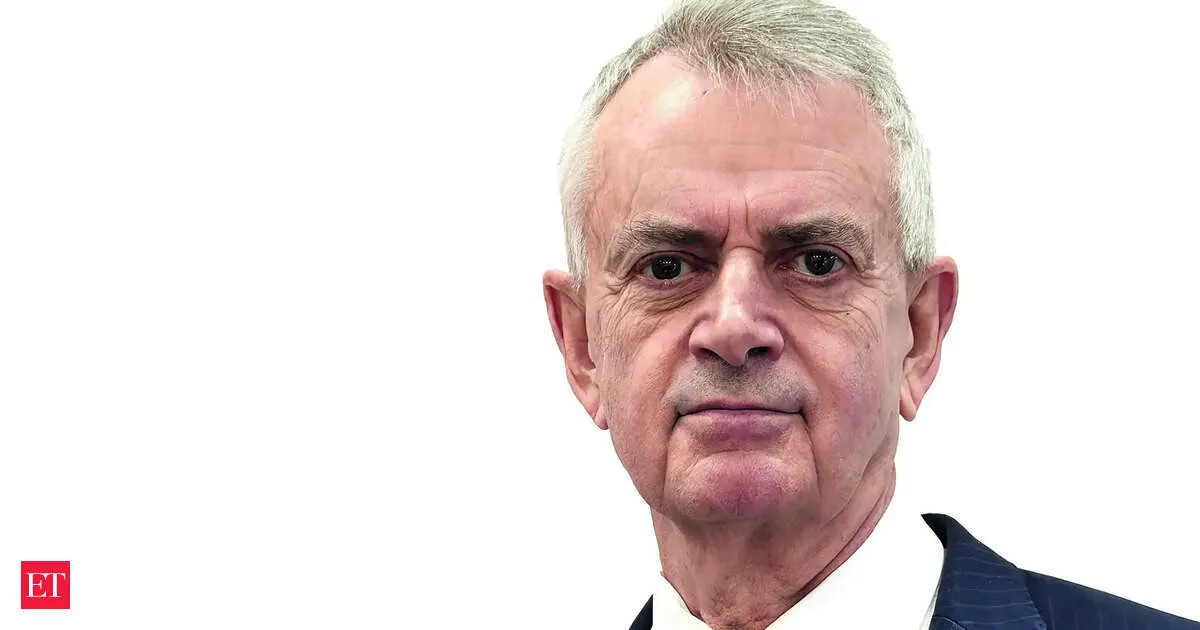
Market veteran Pashupati Advani says India’s rally may be fragile, pointing to unresolved risks like disruptions around the Strait of Hormuz that could affect oil and LNG imports. He also flags a near-term LPG crunch and growing pressure on IT jobs, citing visa curbs, AI disruption, and stagnant hiring—calling it a potential earnings shock.
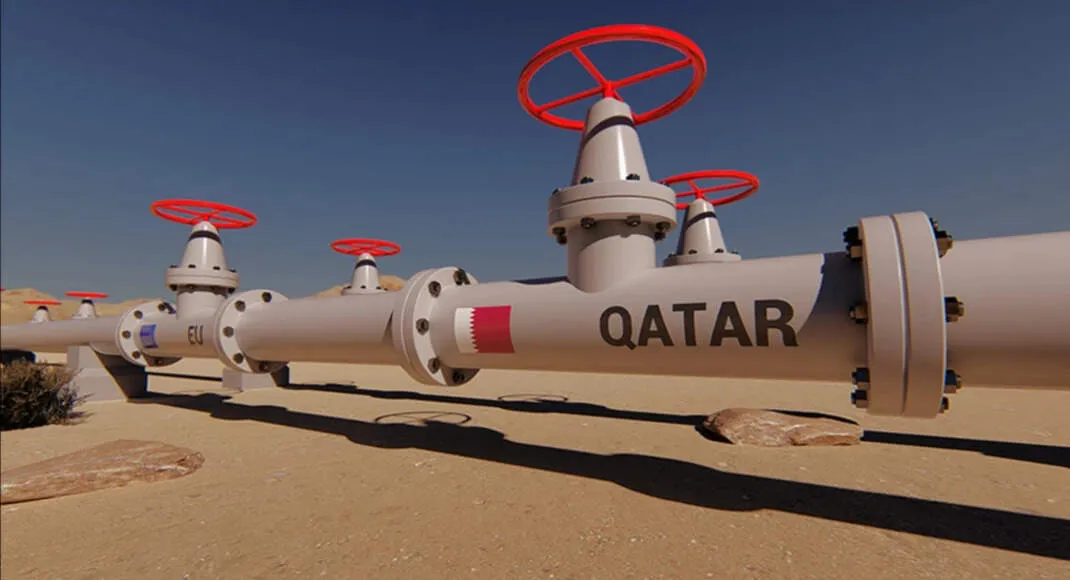
India’s crude oil buffers may cushion the economy from an Iran-Israel fallout, helped by diversified crude imports that reduce Hormuz-linked risk. But the bigger immediate threat is gas: Qatar’s LNG production halt, India’s largest gas supply source, is already forcing cuts in industrial supplies, raising pressure on key sectors.
The IEA warns that global LNG markets will stay tight until 2027 as Middle East conflict disrupts supply and pushes back new capacity. Shipping disruptions have removed nearly 20% of LNG supplies, driving price spikes. With Europe reducing gas demand and Asia shifting fuels, further delays in Qatar’s infrastructure could deepen supply shortfalls.
GAIL has flagged off its LNG carrier Energy Fidelity from the US, with a capacity of 174,000 cubic meters. The vessel departed on April 20 and is now en route to India. The flag-off ceremony in Houston, Texas was presided over by India’s Consul General D C Manjunath, underscoring efforts to strengthen India’s energy supply chain.
Follow your favourite sources
Track sources, tags and categories — all in the Beige app.
Swipe through stories, personalise your feed, and save articles for later — all on the app.