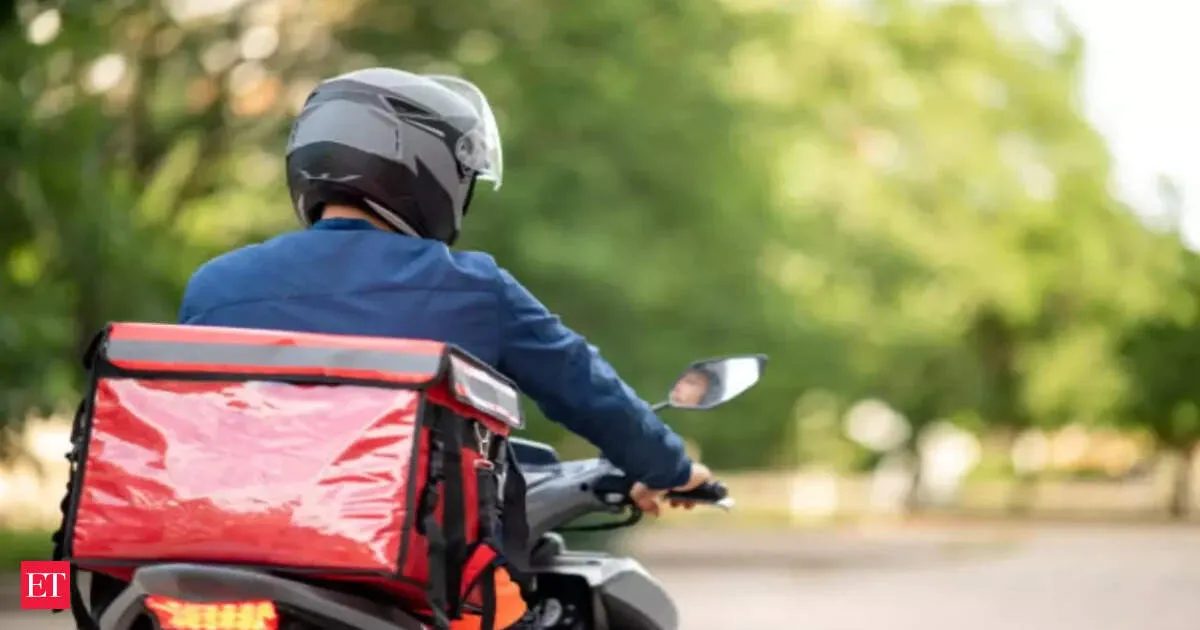
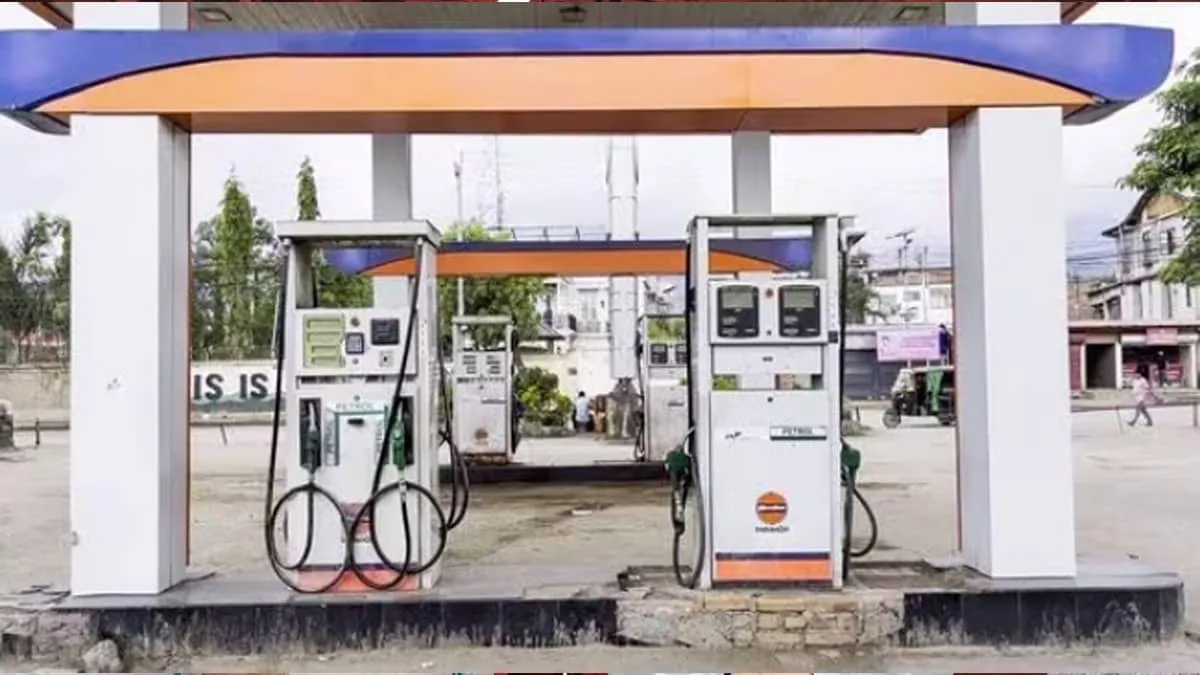
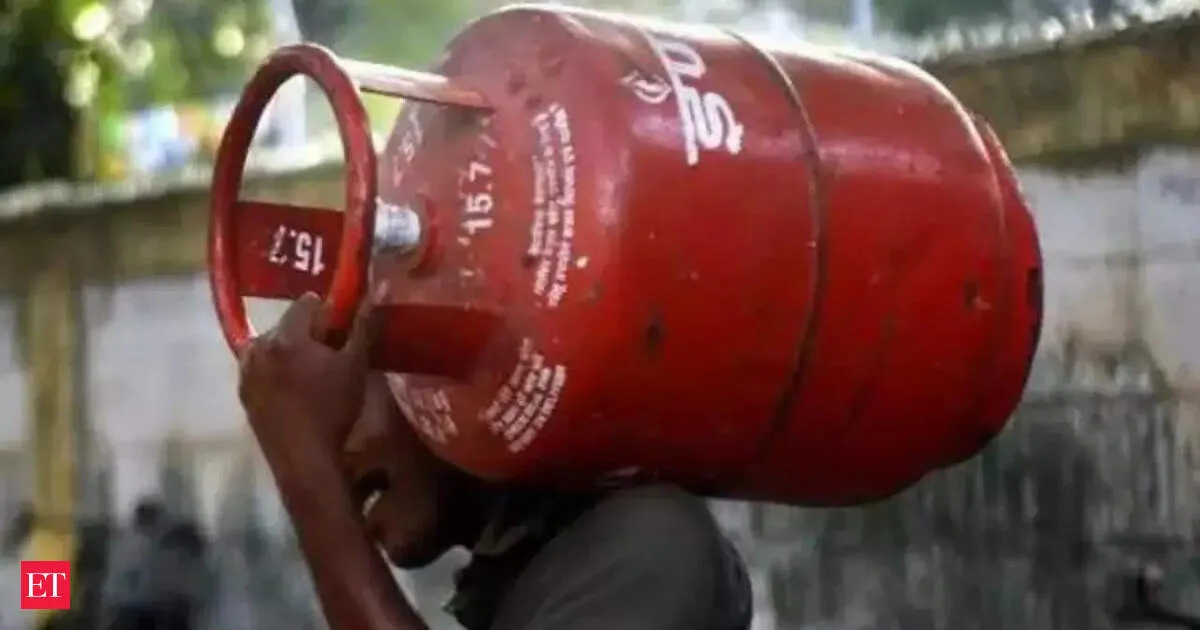
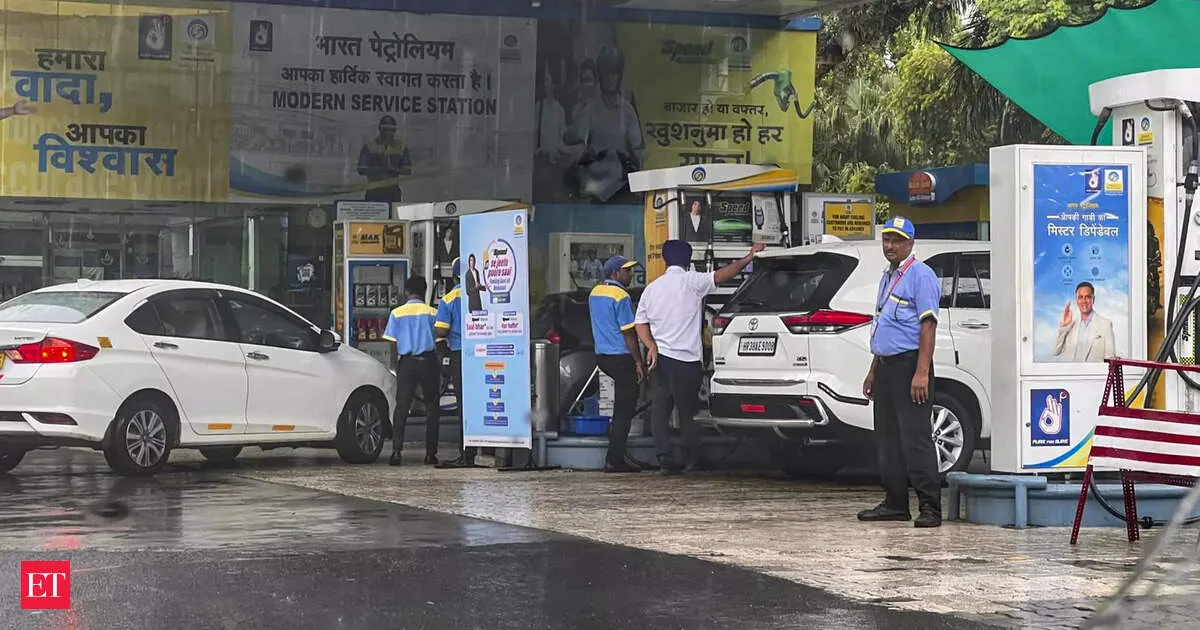
Dining out and food deliveries are expected to get 5–10% costlier from next week as state oil firms raised petrol and diesel prices. Restaurant executives say the fuel hit lands on top of months of pressures including a commercial LPG price jump, LPG shortage, and labor shortages since the West Asia war began. Some chains will revise menu prices as early as next week, while others target June or July 1, with logistics costs also likely lifting delivery charges and shrinking discounts.
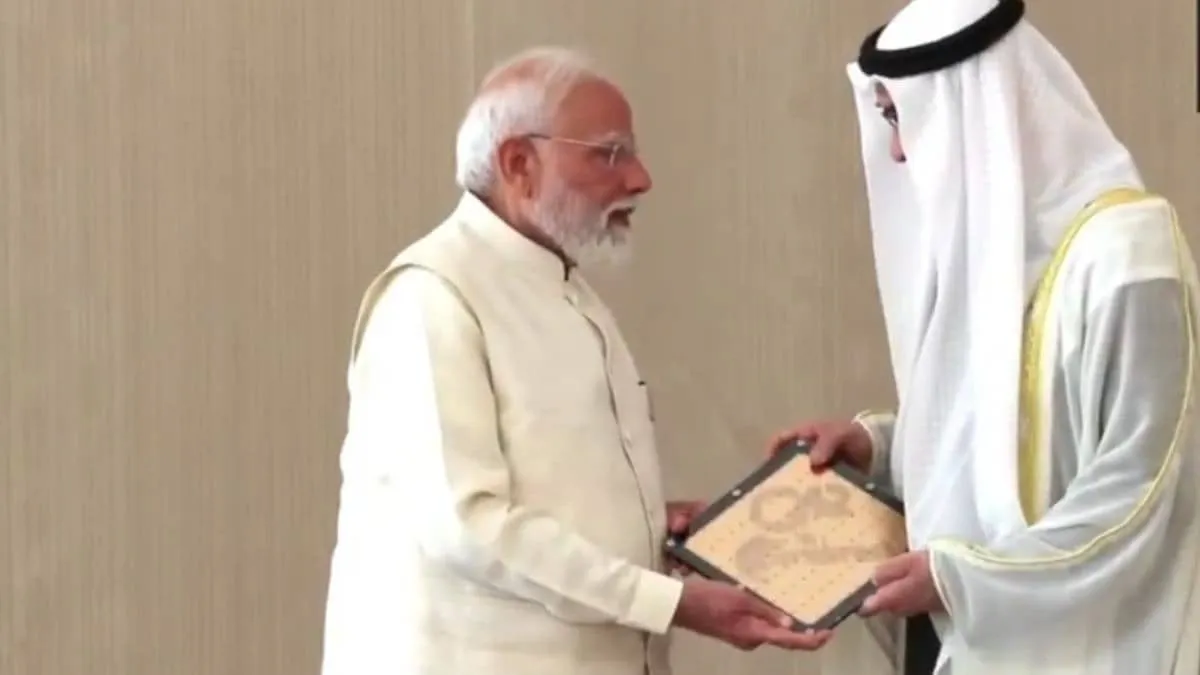
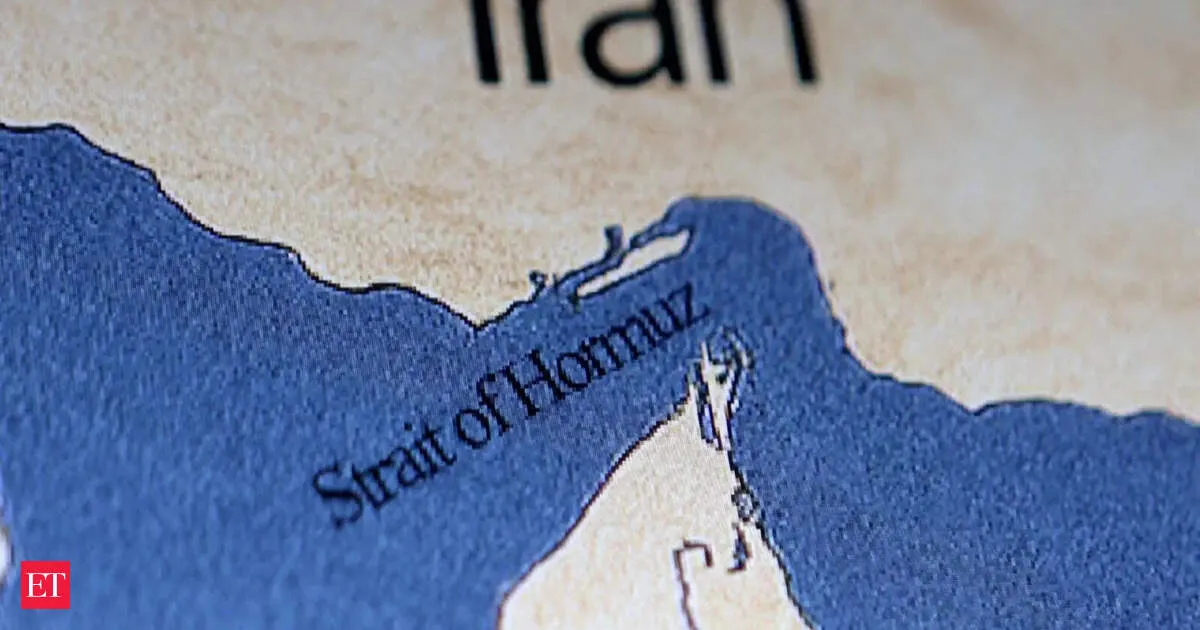
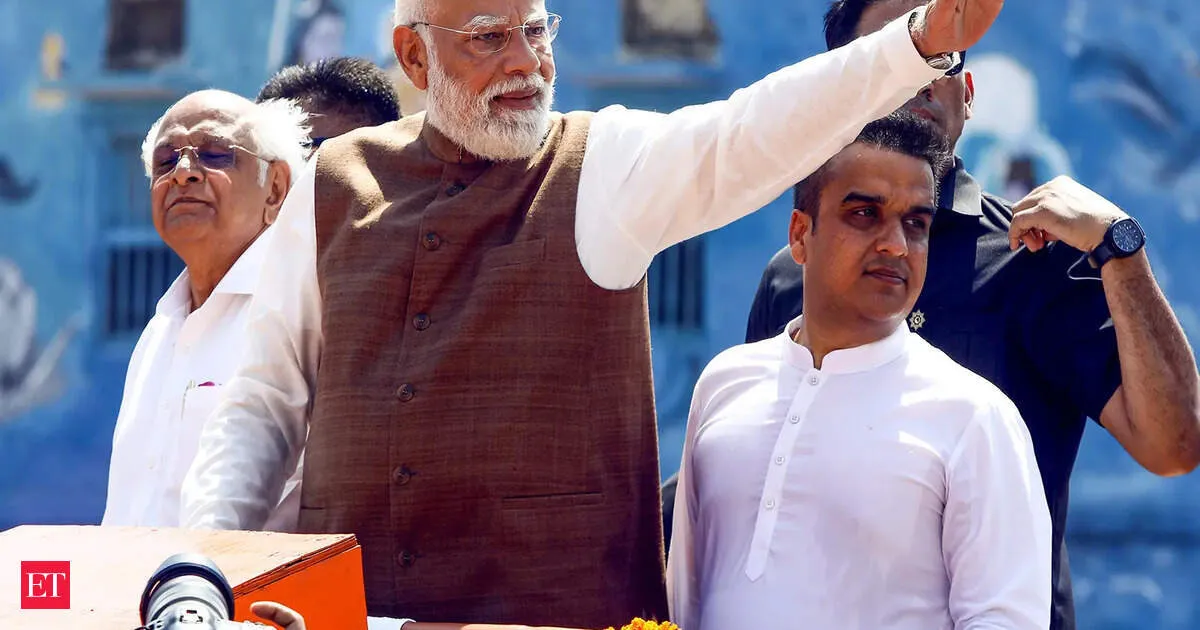
Prime Minister Narendra Modi’s UAE visit delivers two energy pacts aimed at strengthening India’s fuel safety net. India’s IOCL agreed with ADNOC for expanded, long-term LPG shipments, building on the UAE’s role as nearly 40% of total LPG supply. In parallel, ISPRL and ADNOC will expand underground strategic crude storage, extending their 2018 Mangaluru partnership. The deals come as Strait of Hormuz disruptions raise global oil pressure, and the UAE’s OPEC+ exit helps enable direct contracts.
Your news, in seconds
Get the Beige app — every story in 60 words, updated hourly. Free on iOS & Android.
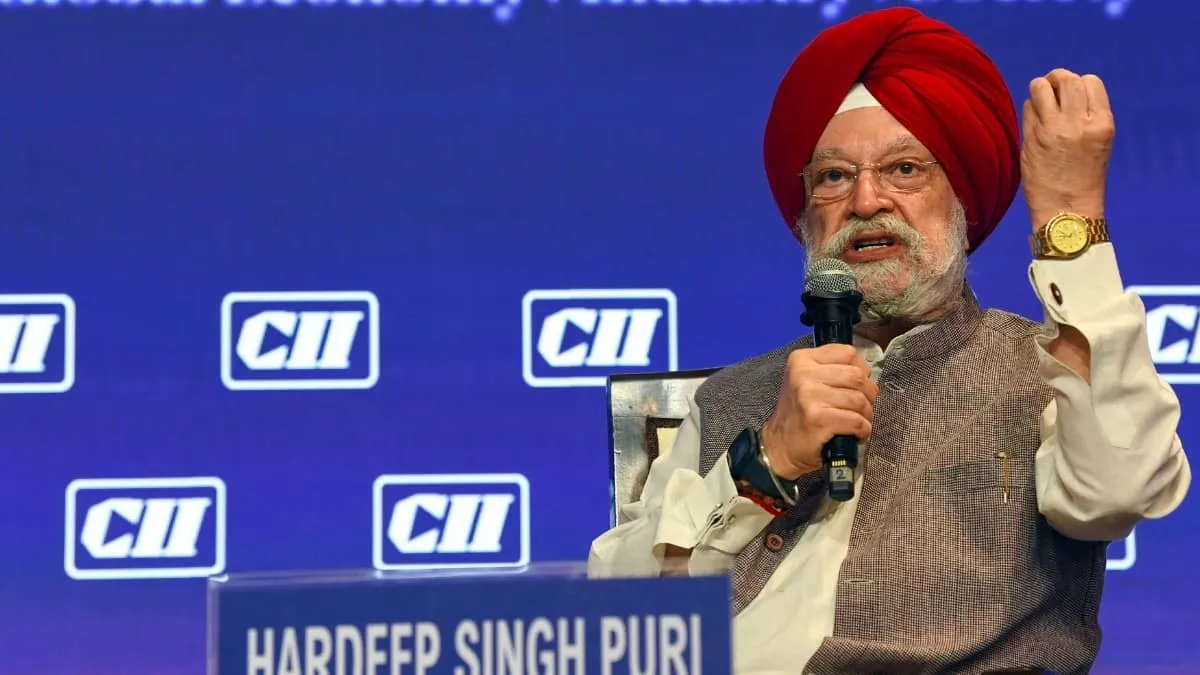
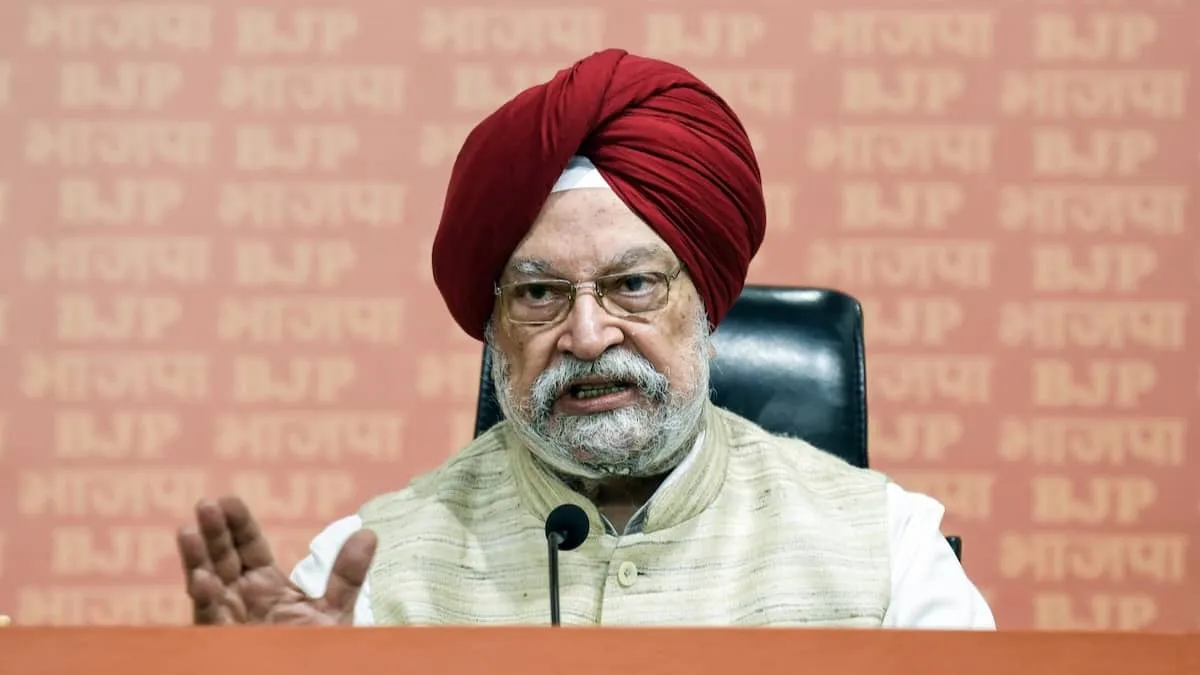
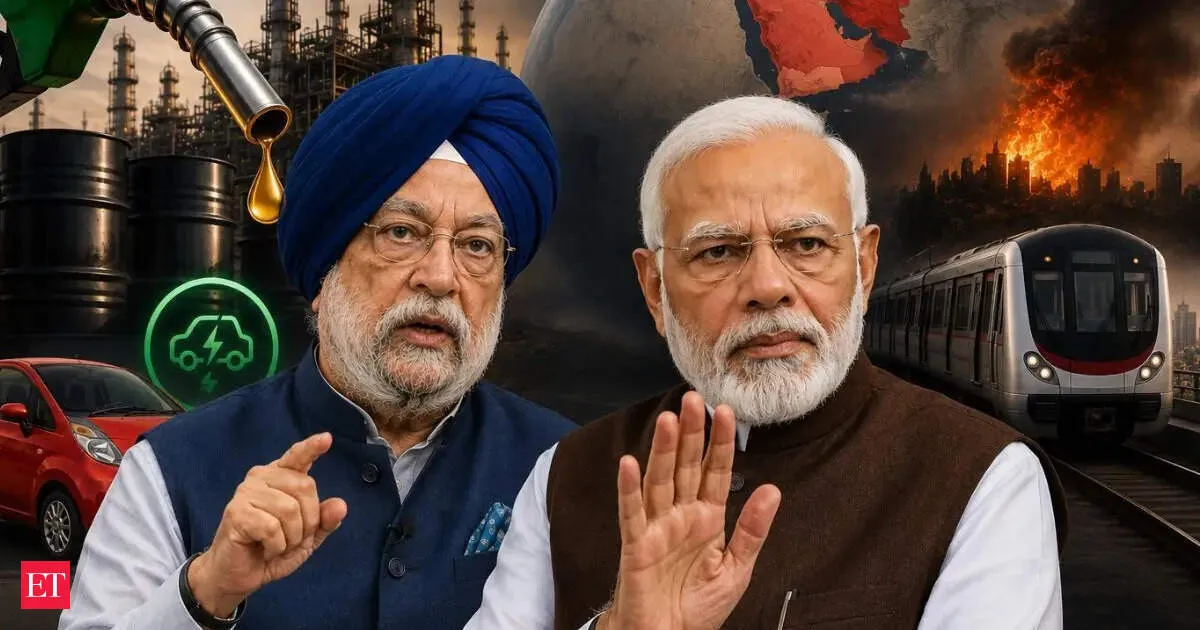
Petroleum and Natural Gas Minister Hardeep Singh Puri has dismissed reports about India rejecting Russian LNG and warned against “lockdown” rumours. Speaking at the CII Annual Business Summit, he said India has not raised fuel prices for four years and currently holds 60 days of crude oil, 60 days of LNG and 45 days of LPG. Responding to Reuters-linked claims, Puri said the country never imported Russian LNG or LPG from Russia, and that opposition-led panic is misleading.
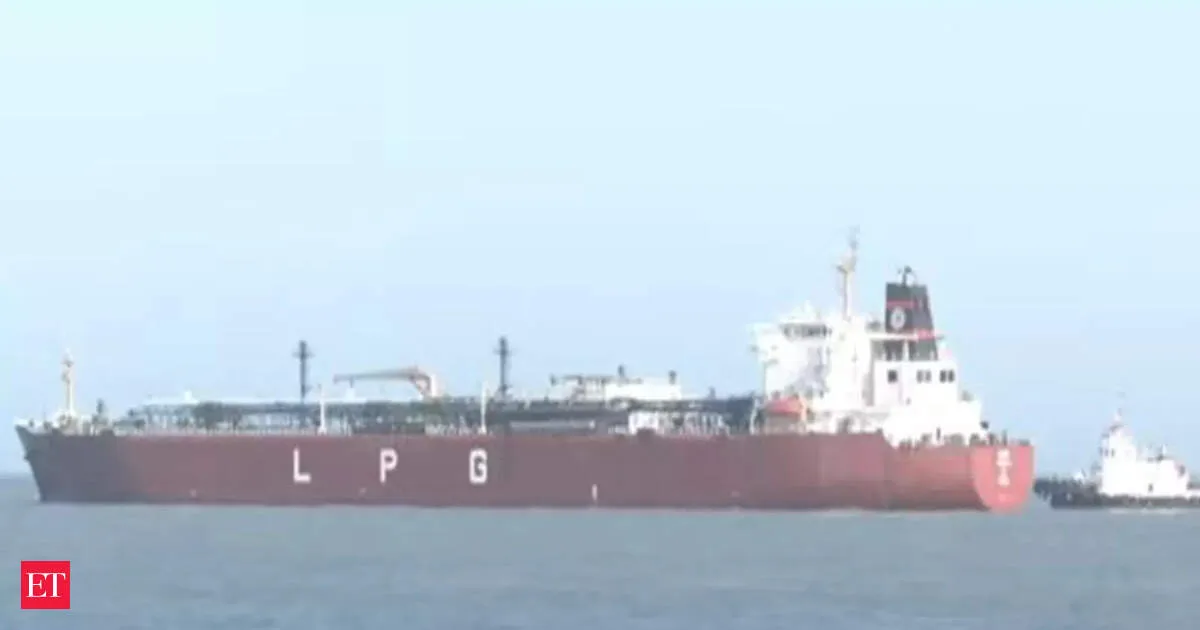
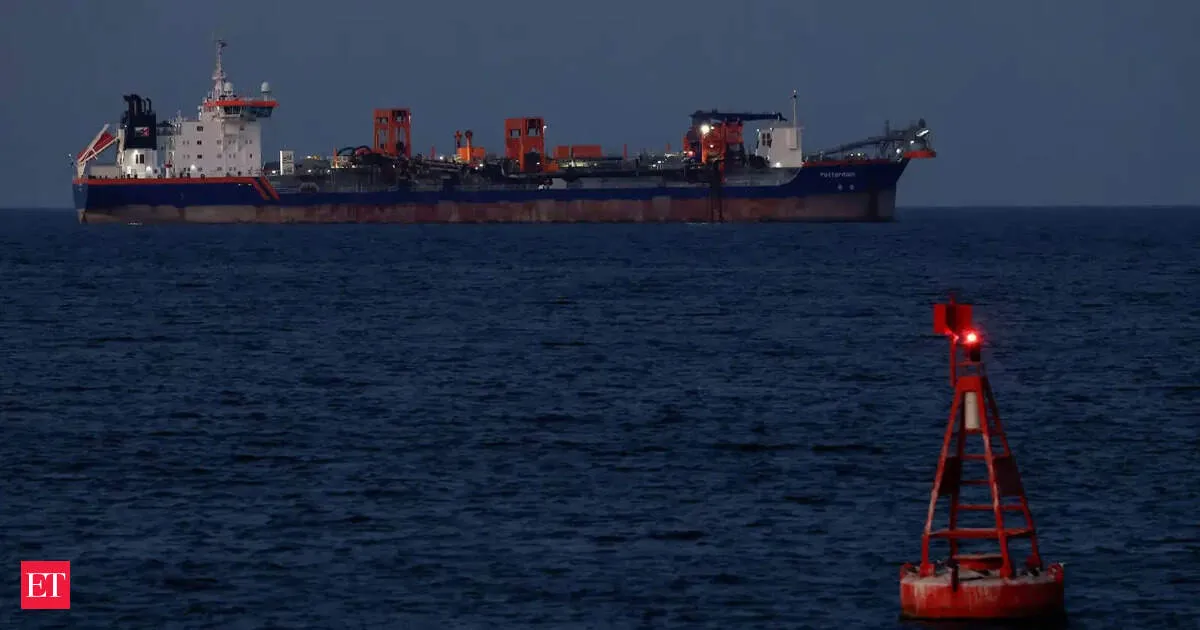
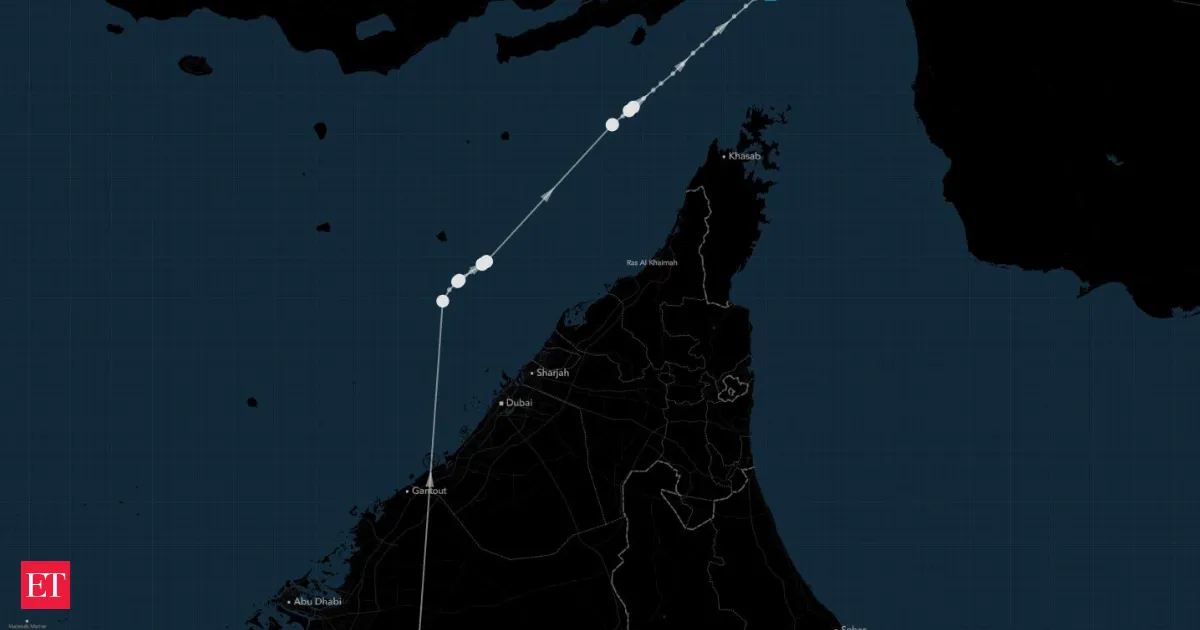
Two LPG carriers bound for India successfully transited the Strait of Hormuz amid ongoing US-Iran restrictions and a stalled push for a ceasefire. Ship-tracking shows Symi appeared in the Gulf of Oman after going dark, while NV Sunshine followed after changing its indicated destination. Together with other recent crossings since Sunday, the total reached ten large energy ships. The flow continued even as some vessels remained near a US blockade line and one US-turned supertanker idled nearby.
Two LPG carriers transporting cooking gas for India have crossed the Strait of Hormuz, despite recent tensions in the region. The move follows an attack on the dhow Haji Ali that sank, with 14 crew rescued by the Omani Coast Guard. Another carrier, SYMI, is set to arrive May 16, while NV SUNSHINE follows May 18.
Two LPG cargo vessels carrying supplies for India have safely crossed the Strait of Hormuz and are expected to reach Indian ports in the coming days. The move comes amid an ongoing West Asia crisis, highlighting the Centre’s push to protect energy deliveries and keep fuel supply uninterrupted even as regional risks remain elevated.
Never miss a story
Set alerts for the topics and sources you care about. Download Beige for free.
India-bound LPG tanker MV Sunshine is safely transiting the Strait of Hormuz with support from the Indian Navy and related agencies. Iran’s Deputy Foreign Minister said stability in the strait would improve safety and invited Indian efforts to ease regional tensions, citing strong India-Iran cultural links.
Prime Minister Narendra Modi’s upcoming visit to the UAE is expected to focus on energy security, with sources pointing to likely agreements on Liquefied Petroleum Gas and Strategic Petroleum Reserves. The cooperation comes as the UAE moves on from OPEC+, and officials say the talks will also strengthen trade and investment while addressing priorities for the Indian diaspora.
India’s retail inflation is holding steady despite West Asia tensions, with imported inflation easing slightly. However, the report warns the next phase may hinge on how quickly fuel prices pass through and how summer crops perform. LPG shortages have pushed up restaurant and accommodation costs, while softer gold and silver helped cool personal care inflation.
Manipur authorities have dismissed claims of shortages of LPG, petrol, and diesel, saying supply is adequate. The government is countering misinformation and urging residents not to panic buy or hoard. It also warned that black marketing and illegal sales will face strict action. Fuel pumps flouting directives may face legal consequences as enforcement ramps up.
Reading on mobile?
Open Beige in the app for a smoother experience — free on iOS and Android.
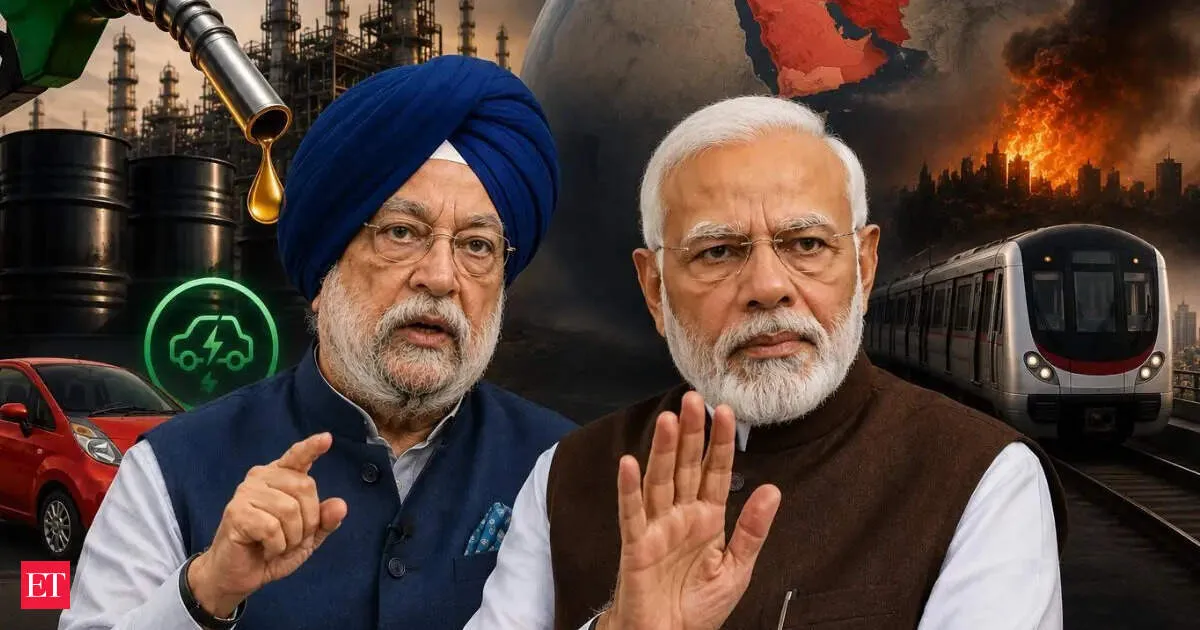
Union Minister Hardeep Singh Puri played down concerns that Modi’s fuel conservation push could lead to lockdown-style restrictions. He said India’s energy picture remains stable, citing rising domestic LPG production and large existing oil and LPG reserves. The reassurance comes as West Asia tensions spur tighter attention on fuel usage and supply reliability.
Petroleum and Natural Gas Minister Hardeep Singh Puri told the CII Annual Business Summit India has no fuel shortage and said LPG production has been scaled up to 56,000 tonnes. Yet he cautioned that global pricing is squeezing oil companies’ profitability, warning of fiscal strain that could limit how long OMCs can carry losses.
Amid heightened tensions in West Asia and Prime Minister Modi’s appeal to conserve petrol and diesel, Oil Minister Hardeep Singh Puri dismissed any plans for a lockdown. He said LPG production has been boosted and urged people to cut fuel and foreign exchange spending—through practices like work from home and reducing costly travel and gold imports—while promoting self-reliance.
Even after crude oil prices jumped around 50%, petrol and diesel are still sold at rates last seen about two years ago, leaving fuel firms to absorb the gap. LPG prices were hiked in March by Rs 60 per cylinder, but remain below actual costs. Analysts warn the resulting Q1 fuel losses could erase expected fiscal-year earnings.
Follow your favourite sources
Track sources, tags and categories — all in the Beige app.
India’s Petroleum Ministry says fuel and LPG supplies are stable despite global disruptions, citing secure crude oil inventories and refineries operating at peak capacity. It reports no nationwide fuel shortages. Still, the government is urging households to cut energy use by using public transport, carpooling, and shifting toward electric vehicles to reduce costs and import dependence.
The LPG carrier Tara Gas, linked to prior Iranian cargoes, is transiting the Strait of Hormuz while declaring Indian crew and ownership. Fully laden and moving via a Tehran-approved route, it underscores how ships use declared identities and sanctioned pathways to navigate out of the Persian Gulf during heightened blockades and enforcement pressures.
Petrol and diesel prices may rise by ₹5 to ₹7 per litre nationwide by May 15, sources say. The expected increase follows a global crude oil price uptick and mounting pressure on domestic oil marketing companies to bring retail rates in line with international benchmarks. An LPG price revision could also be considered, adding to household cost concerns.
Households across India are reporting SMS alerts demanding they surrender LPG cylinders under the “One Household, One Gas Connection” policy. The move targets families with active PNG (piped natural gas) connections, aiming to curb black marketing and improve cooking-gas distribution. Consumers can verify their connection status online or by contacting customer care to understand next steps.
Stay informed on the go
Bite-sized news from 100+ trusted sources, right in your pocket.
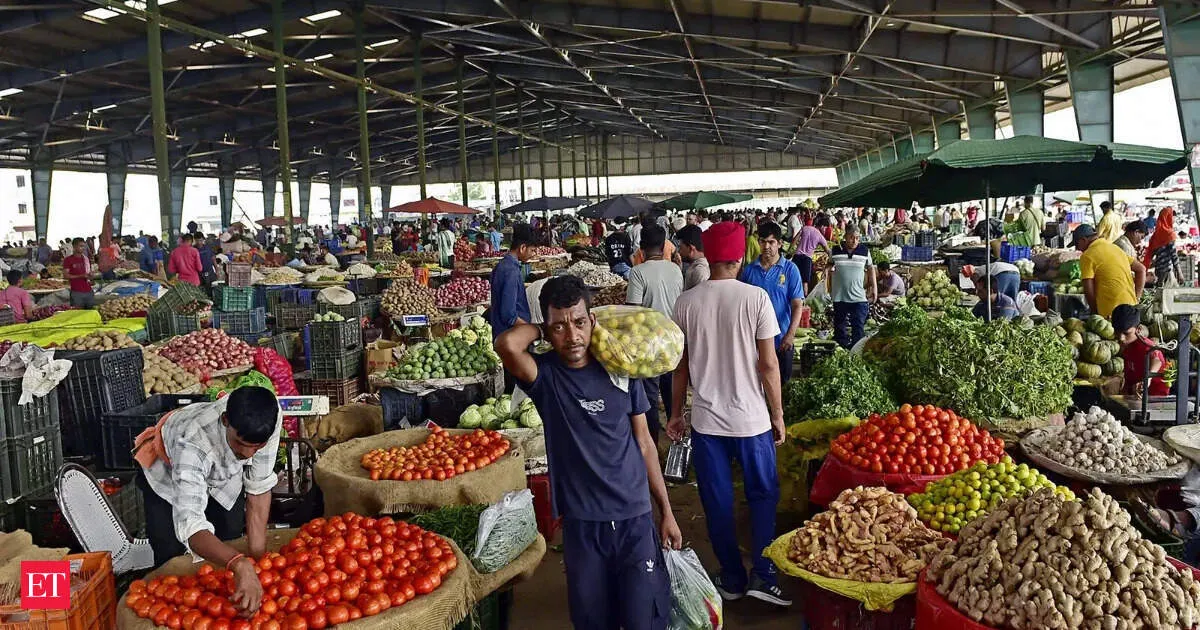
April thali costs increased about 2% year-on-year for both vegetarian and non-vegetarian meals, with higher tomato prices, vegetable oil, and LPG weighing on household spending. Onion and potato declines helped cushion the impact, but the non-veg segment also felt pressure as broiler prices rose around 2%.
India’s state-run oil companies reportedly incurred losses of about Rs 30,000 crore, even as fuel and LPG prices were held steady during a global energy disruption. The move helped ensure uninterrupted supplies for consumers. Government excise duty cuts further cushioned the financial blow, setting India apart from countries where retail fuel prices jumped sharply.
Swipe through stories, personalise your feed, and save articles for later — all on the app.