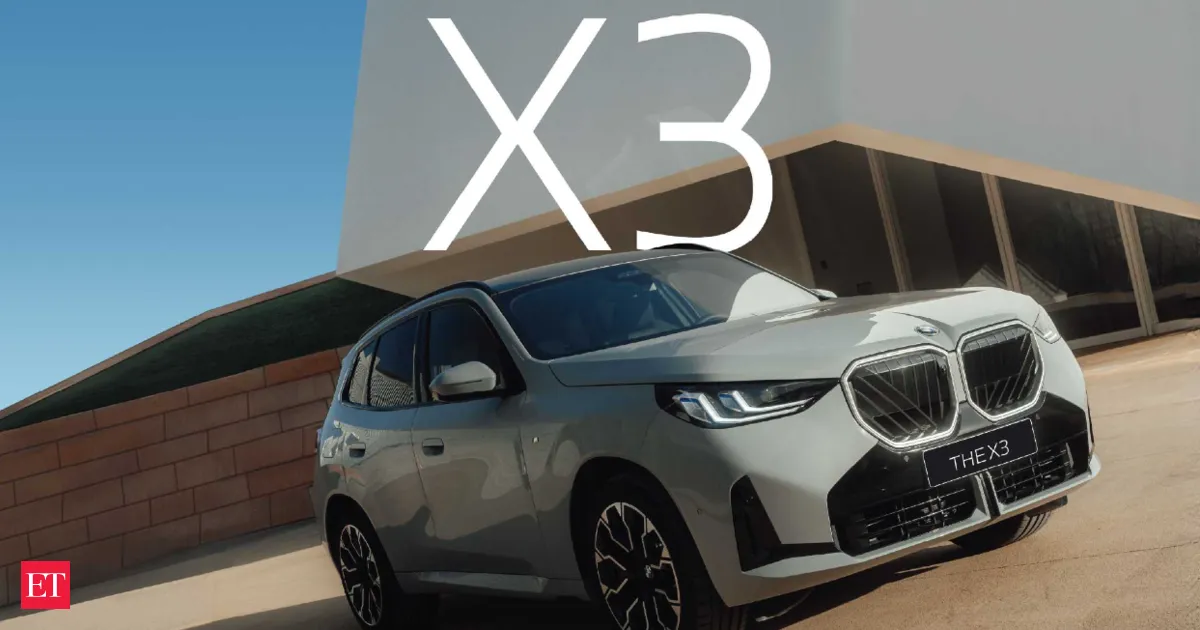
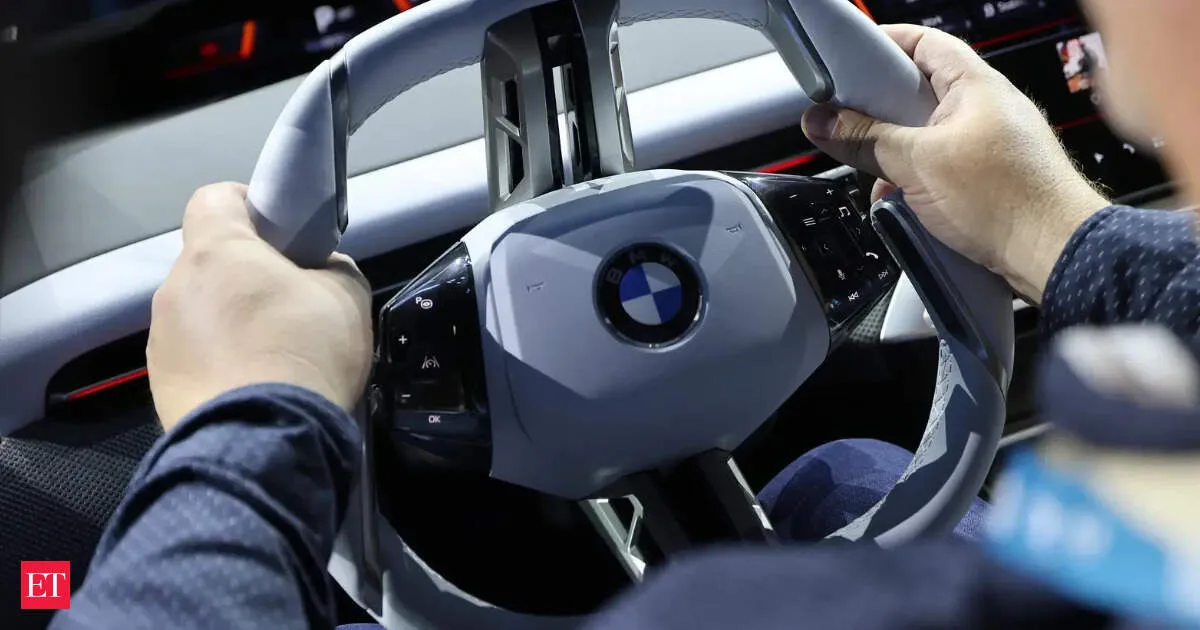
Luxury car sales in India rose only 3% in the March quarter, with roughly 14,000 vehicles priced over Rs 40 lakh finding buyers. The slowdown trails the wider market as affluent customers hold onto cash amid geopolitical and economic uncertainty. Still, BMW stood out with a 17% sales jump, underscoring uneven demand across brands.
A West Asia ceasefire is expected to revive India’s luxury car market as executives at Mercedes-Benz, BMW Group, and Audi say customers who postponed purchases plan to return to showrooms. Companies have also pre-stocked parts to protect supply chains. With sentiment set to improve, sales are likely to strengthen in the coming months.
Your news, in seconds
Get the Beige app — every story in 60 words, updated hourly. Free on iOS & Android.
Mercedes-Benz India reported a 7% rise in Q1 2026 sales to 5,131 units, pointing to sustained strength in the luxury segment. The company expects another record year in 2026-27, led by high-end demand and growing interest in electric models. Mercedes-Benz also plans value-led expansion with launches including the CLA BEV and new AMGs.
BMW expects India’s luxury car market to double its share by 2030, driven by younger, affluent aspirational buyers. The automaker points to rising affluence and a generational change in spending habits as key catalysts. As luxury vehicles become more accessible and desirable, the segment is set for major expansion, with momentum expected to continue beyond 2030.
BMW India says uncertainty from rising Gulf tensions is changing what high-net-worth customers prioritize, with many postponing major purchases—especially luxury cars. With fuel prices expected to climb, buyers are increasingly weighing electric vehicles for longer-term savings. The shift signals a cautious mood among affluent consumers and a potential acceleration in EV interest.
Swipe through stories, personalise your feed, and save articles for later — all on the app.