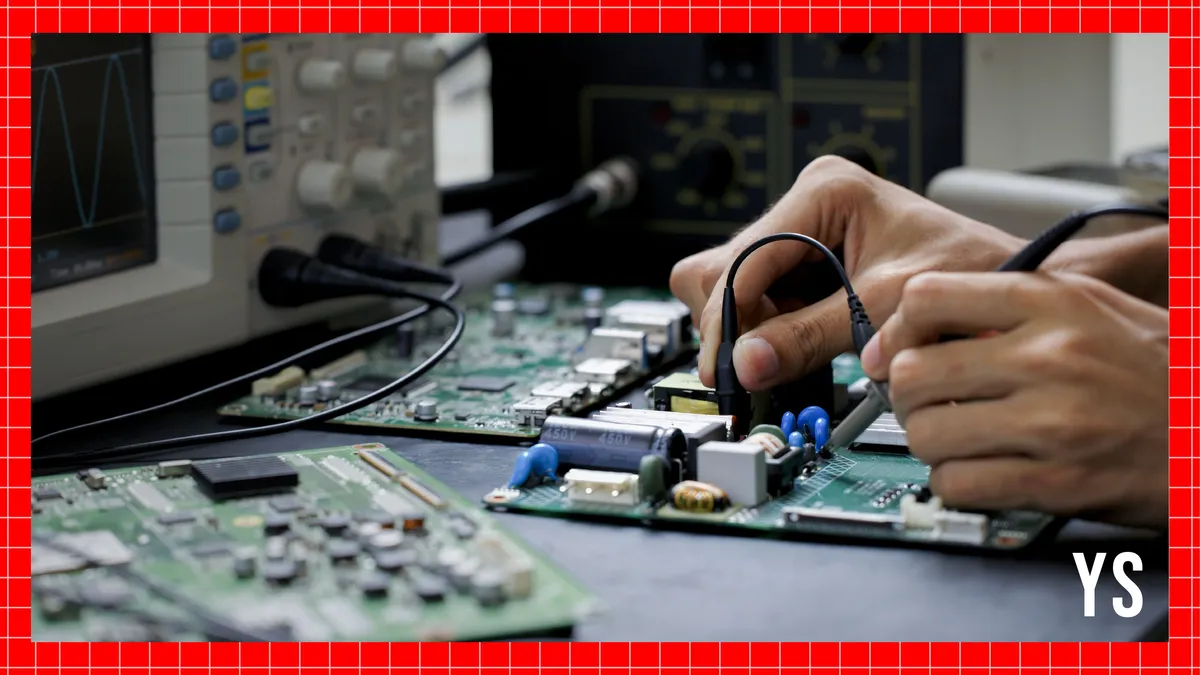
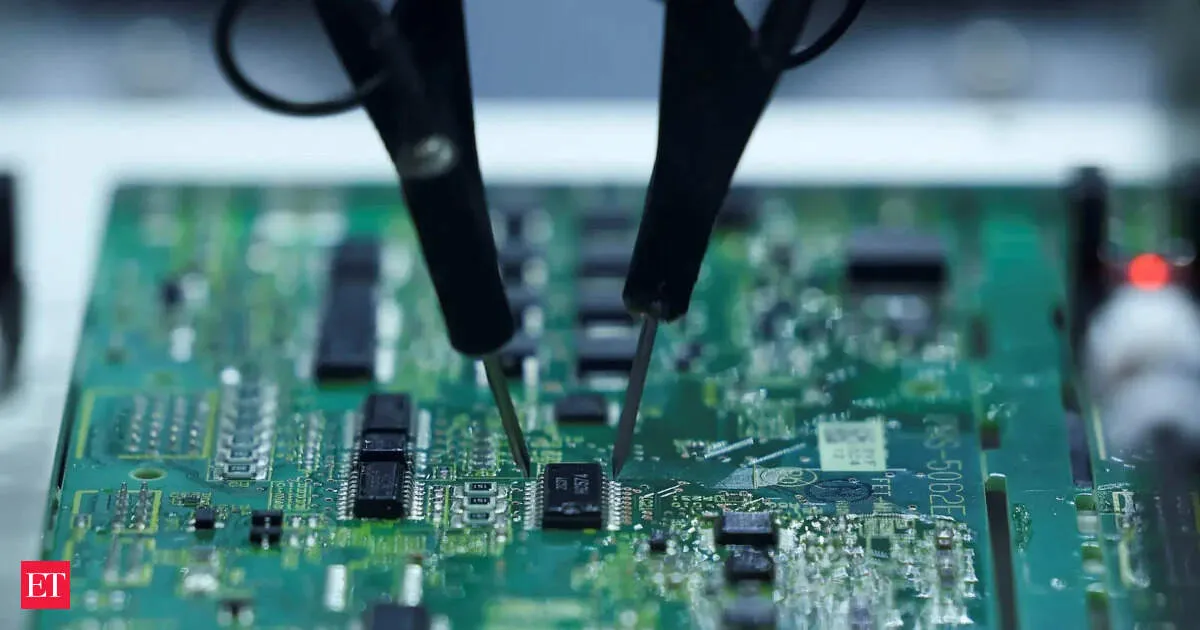
Union Minister Ashwini Vaishnaw virtually laid the foundation stone for the Sahasra Semiconductor facility in Bhiwadi, Rajasthan—an SME-led ATMP/OSAT chip packaging plant worth over ₹400 crore. The 57,000 sq. ft. site will start at about 60 million units annually and aims for 400–600 million units within 2–3 years. Built with Class 10K and 100K cleanrooms, it already ships more than 60% of output abroad while supporting India’s push to deepen semiconductor capabilities.
Zhou Qunfei, China’s richest woman, went from rural Hunan factory shifts after leaving school at 15 to building Lens Technology, a precision manufacturing powerhouse. From a risky glass-screen printing workshop in 1993, her company grew into a critical supplier for Apple and later expanded its materials expertise into electric vehicles, AI hardware, smart cockpit systems, robotics and even aerospace-linked applications. A state banquet seat between Tim Cook and Elon Musk underscored how manufacturing giants now shape global tech supply chains.
Your news, in seconds
Get the Beige app — every story in 60 words, updated hourly. Free on iOS & Android.
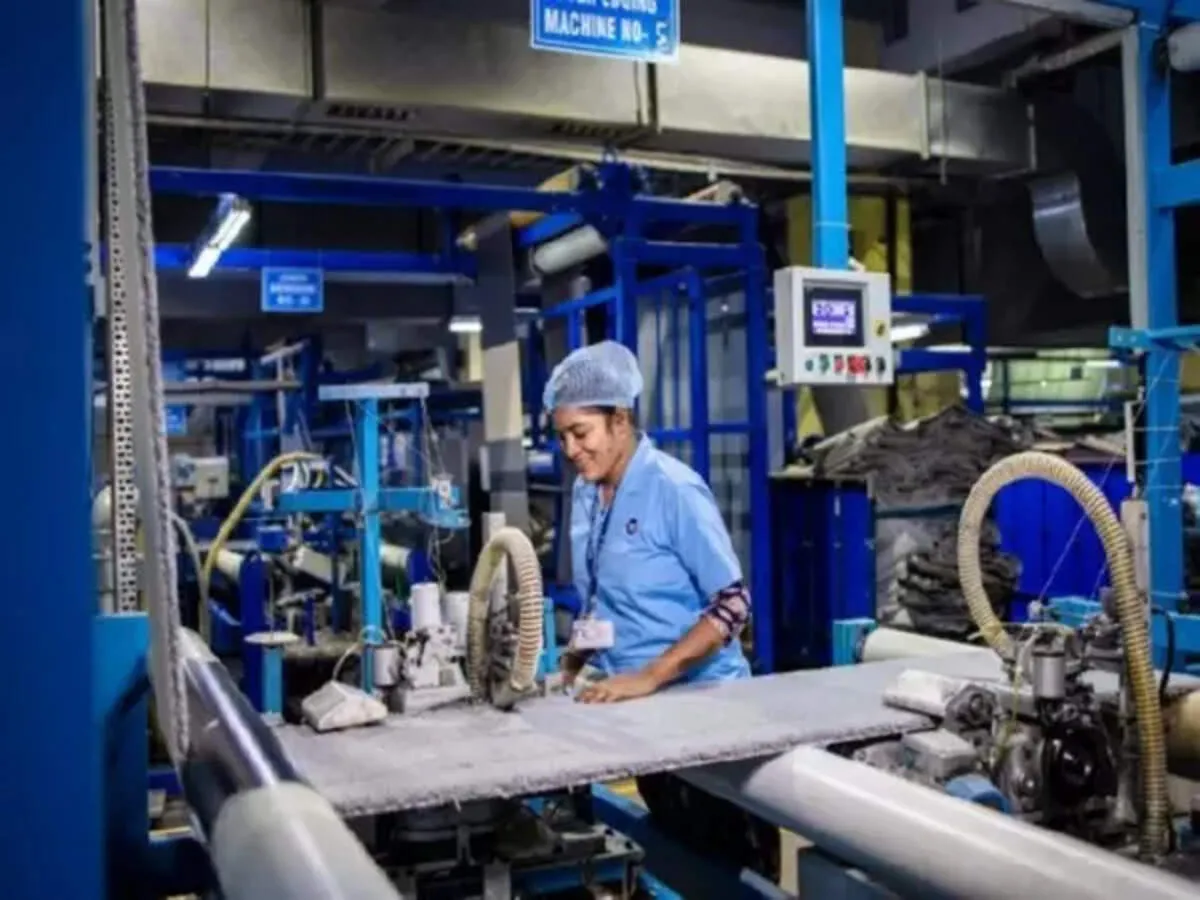
Latest IIP data for FY26 shows India’s manufacturing is growing but not where jobs are. General IIP rose about 4.1% in FY26, yet manufacturing has averaged only ~3.3% annually since FY15. Capital-intensive, domestic-demand sectors like capital goods, metals, and infrastructure are performing strongly and building linkages. Meanwhile labour-intensive, export-oriented industries are contracting or barely growing: wearing apparel fell 5.3% in 2025-26, textiles grew just 1.2%, and other manufacturing collapsed. Analysts argue exports need a tailored push.
The Union government has extended timelines for a global tender under a Rs 7,280-crore scheme aimed at boosting domestic manufacturing of sintered rare earth permanent magnets. Bid submission now ends on June 29, up from May 28, while technical bids will be opened on June 30, 2026 instead of May 29. The response to bidder queries will be issued on June 9. Approved by the Cabinet in November 2025, the programme targets 6,000 MTPA of integrated magnet capacity, cutting import dependence across EVs, wind, electronics, and defence.
Legend of Toys, a mass premium Indian toy brand, has raised Rs 21 crore in a Pre-Series A round backed by investors including Singularity Early Opportunities Fund. The funding will support expansion into new play categories, stronger sourcing and manufacturing, and increased marketing and digital efforts in India and overseas. The company’s growth comes as India’s toy sector shifts from imports to local production, fueled by higher import duties and tougher quality rules, including mandatory BIS certification from January 2021.
Flying Wedge Defence & Aerospace (FWDA) says it has launched its first international manufacturing node in Portugal for its autonomous combat aircraft, Kaal Bhairava. The move, via a partnership with SKETCHPIXEL LDA, is part of FWDA’s “Operation 777” plan to create a global defence technology network with manufacturing footprints beginning outside India.
Never miss a story
Set alerts for the topics and sources you care about. Download Beige for free.
HFCL, known for telecom equipment, plans to invest Rs 230 crore to set up a defence manufacturing facility in Andhra Pradesh. The plant will produce multi mode hand grenades and related products, with operations targeted by December 2027. Funding will come from a mix of internal accruals, debt, and convertible warrants, marking a push into defence manufacturing.
TSMC has upgraded its long-term outlook for the global semiconductor industry, now forecasting the market will exceed $1.5 trillion by 2030. The company credits accelerating demand from artificial intelligence and high-performance computing, and says it expects rapid growth in advanced chip production while expanding manufacturing capacity in the US, Japan, and Germany.
The government is pressuring manufacturers to ramp up induction cooktop production as it plans to acquire millions of units in the next 18 months. The move aims to accelerate a shift away from LPG cooking toward electricity-based cooking, signaling a major policy push on household energy choices and industrial capacity.
Carrier Global says it is working to minimise price increases in India despite global supply constraints. The company is investing $100 million in a new facility in Andhra Pradesh to scale production. It expects strong double-digit growth for the next decade, aiming to meet rising domestic demand while also boosting exports from the expanded capacity.
Reading on mobile?
Open Beige in the app for a smoother experience — free on iOS and Android.
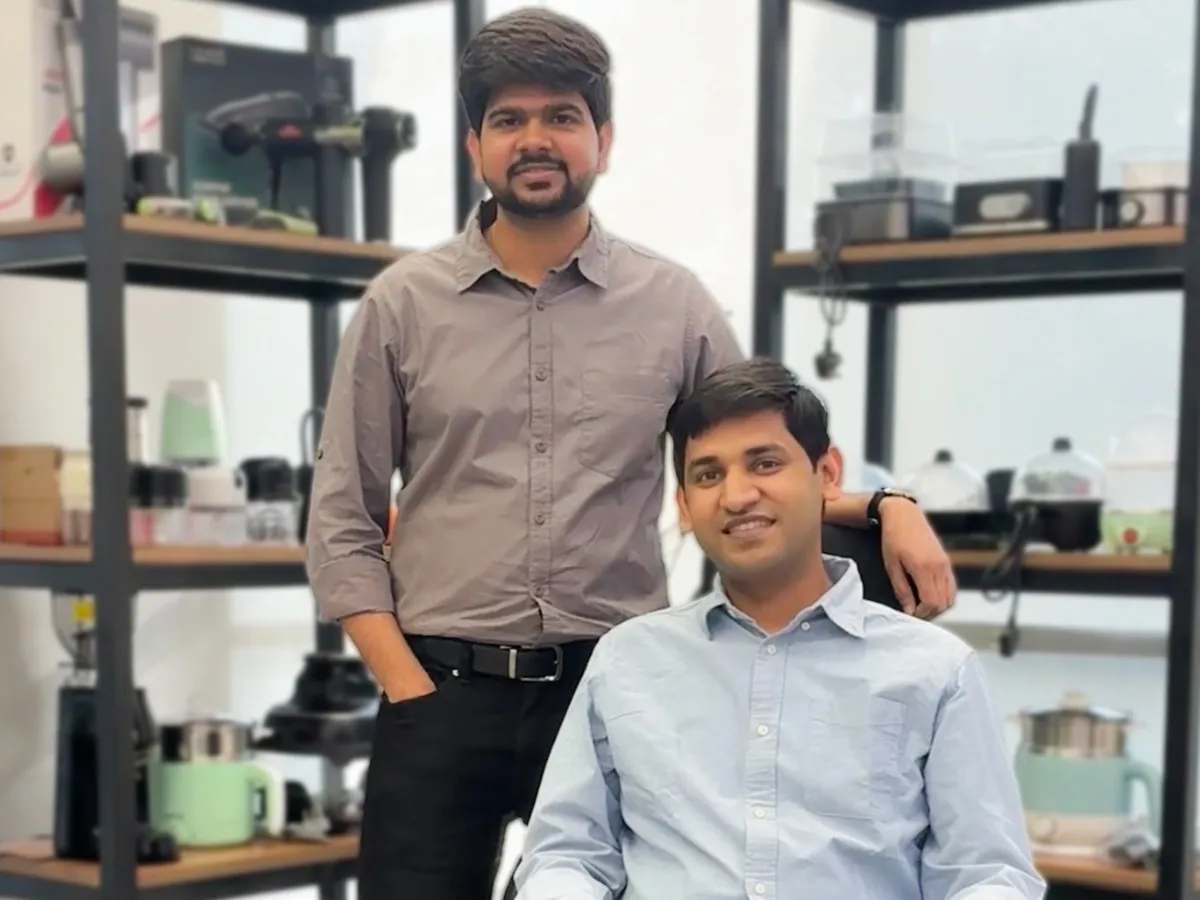
Mekr Technologies, a New Delhi design-and-manufacturing startup, has raised Rs 67 crore in a Series A led by Avaana Capital, with Titan Capital Winners Fund participating. The funds will go into R&D, tooling, manufacturing automation and supplier localisation to improve export readiness. Mekr positions itself as an ODM platform merging engineering, prototyping, certification and mass production to reduce reliance on imported components.
Bodo Moller Chemie has launched an aerospace warehouse facility in Bengaluru, aimed at supplying advanced materials to aviation and industrial manufacturers. The centre supports civilian and military production as well as repair and maintenance operations. With India’s aerospace and electronics sectors expanding, the company expects strong growth ahead and deeper local supply capabilities.
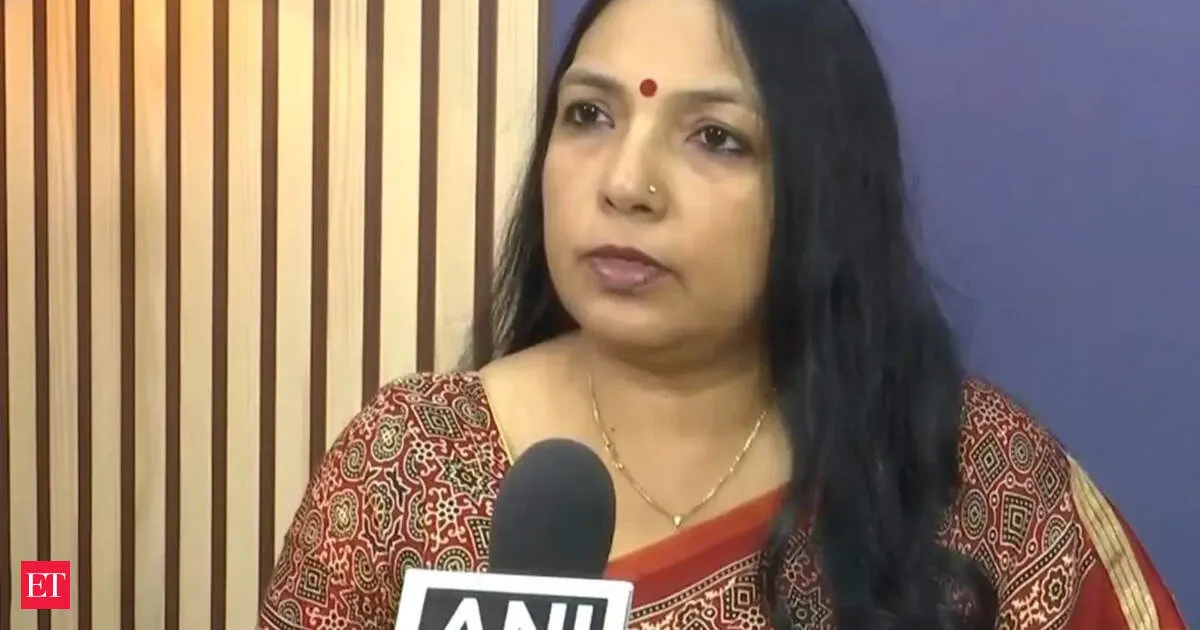
Consumer Affairs Secretary Nidhi Khare urged Indian manufacturers to make quality standards central to everyday operations to boost global competitiveness. She said markets are no longer driven only by cost and scale, but by quality, safety and reliability. Her message points to stricter processes, better compliance and stronger trust as key to competing abroad.
Hindustan Zinc has signed an MoU with Group Nirmal to set up a zinc wire manufacturing facility in Rajasthan. The plant will produce high-grade zinc wire for sectors including infrastructure and automotive, aiming to strengthen domestic zinc manufacturing. The collaboration is designed to support higher-value industrial applications and expand India’s capacity for specialized zinc products.
Follow your favourite sources
Track sources, tags and categories — all in the Beige app.
Consumer appliance startup Mekr Technologies has raised Rs 67 crore from Avaana Capital and Titan. The fresh funding will expand manufacturing capacity, boost exports, and accelerate indigenization to reduce import dependency. Mekr’s model partners with major brands while handling design, engineering, and assembly, with the money earmarked for R&D, supplier localization, and automation aimed at global markets.
India is zeroing in on 100 products where domestic manufacturing needs to scale up, including auto parts, with a goal of serving global markets. The government plans a Made in India Brand Scheme after a pilot in steel to assure quality and drive value addition. Firms are being urged to invest long-term, aided by fresh free trade deals and AI’s manufacturing impact.
Portugal’s Minister of State for Economy says his country is ready to play a bigger role in India’s infrastructure and manufacturing agenda as trade relations grow. He points to opportunities across renewable energy, IT, textiles, and advanced manufacturing, urging joint ventures and technology transfer to deepen collaboration and accelerate business on both sides.
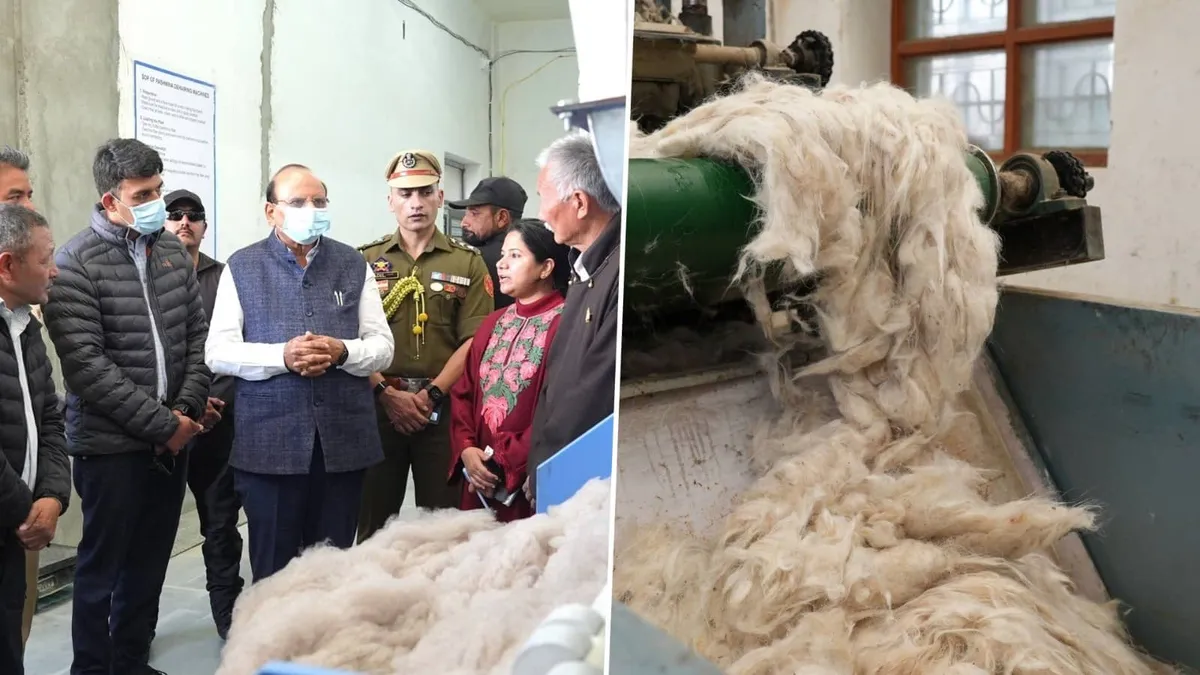
Ladakh is modernising its pashmina industry, moving the famed craft from nomadic Changthang pastures toward global supply chains. At a dehairing plant in Leh, raw fibre from goats is processed through multiple stages, aiming to scale quality, efficiency, and market reach while preserving the region’s heritage that has endured for centuries.
Stay informed on the go
Bite-sized news from 100+ trusted sources, right in your pocket.
India’s semiconductor mission is accelerating. Two plants are already operational, while the third is set to start production in July and a fourth facility is expected to be up by November-December. Alongside chip manufacturing, India is also expanding data centers and AI-related production—aiming to strengthen resilience against global economic headwinds.
Toyota has announced plans for a new car factory in Maharashtra that can roll out 100,000 vehicles a year. Production is expected to begin in the first half of 2029 at the Bidkin Industrial Area, with the plant set to produce a new SUV model. The project is estimated to generate about 2,800 jobs.
Swipe through stories, personalise your feed, and save articles for later — all on the app.