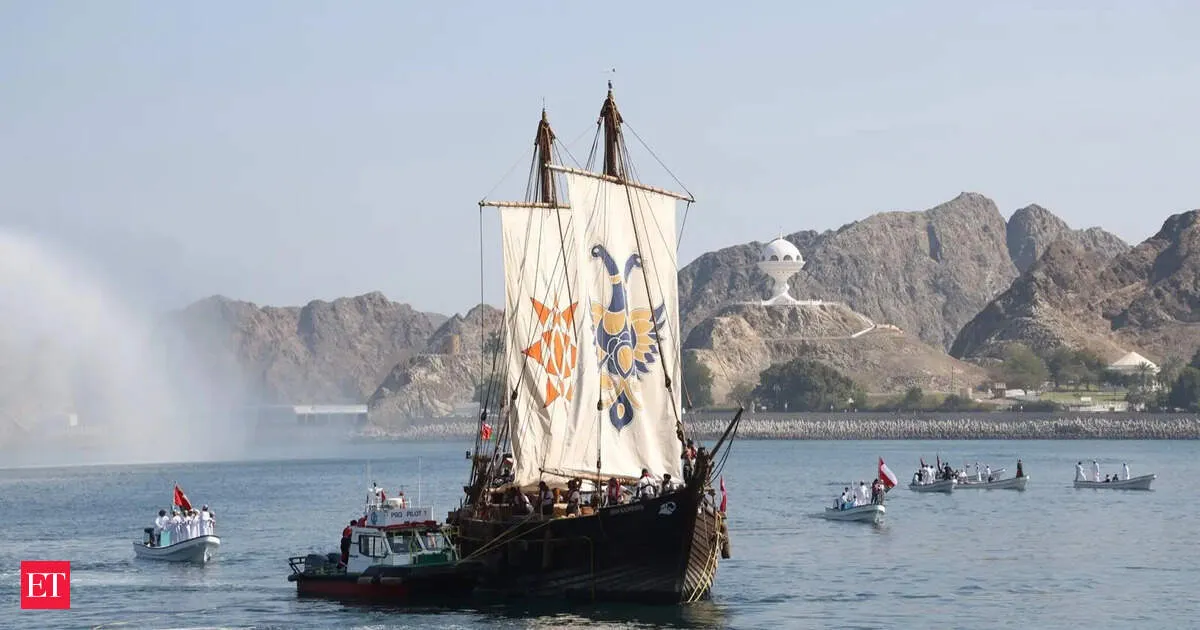
A UN event at headquarters in New York celebrated the Indian Navy’s traditional stitched-plank sail vessel INSV Kaundinya’s maiden voyage from Porbandar to Muscat. Co-organised by the Indian and Oman missions, the programme highlighted centuries-old Indian Ocean trade routes and peaceful maritime exchange, while speakers linked the theme to today’s shipping-route pressures. Indian officials referenced tensions around West Asia’s waterways, stressing cooperation, trust, and the Law of the Sea framework as oceans governance needs shared purpose.
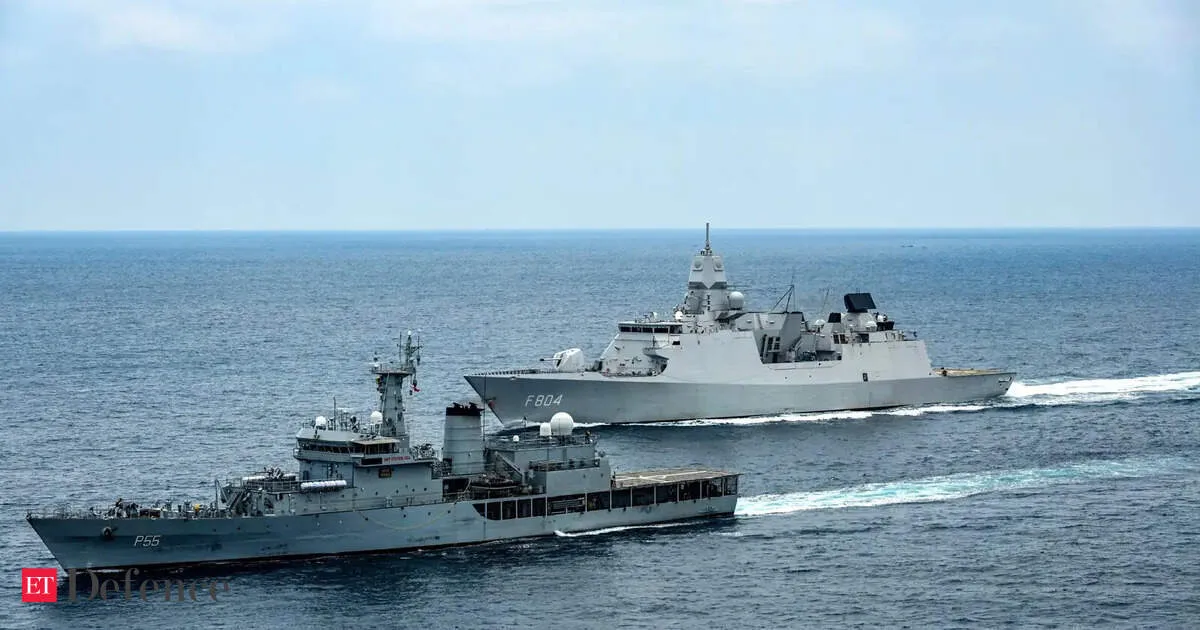
The Indian Navy’s INS Sharda took part in a PASSEX with the Royal Netherlands Navy frigate HNLMS De Ruyter off Kochi. The exercise featured interoperability drills and wrapped up with a traditional steam past, designed to improve operational understanding and reinforce practical maritime cooperation between the two countries.
Your news, in seconds
Get the Beige app — every story in 60 words, updated hourly. Free on iOS & Android.
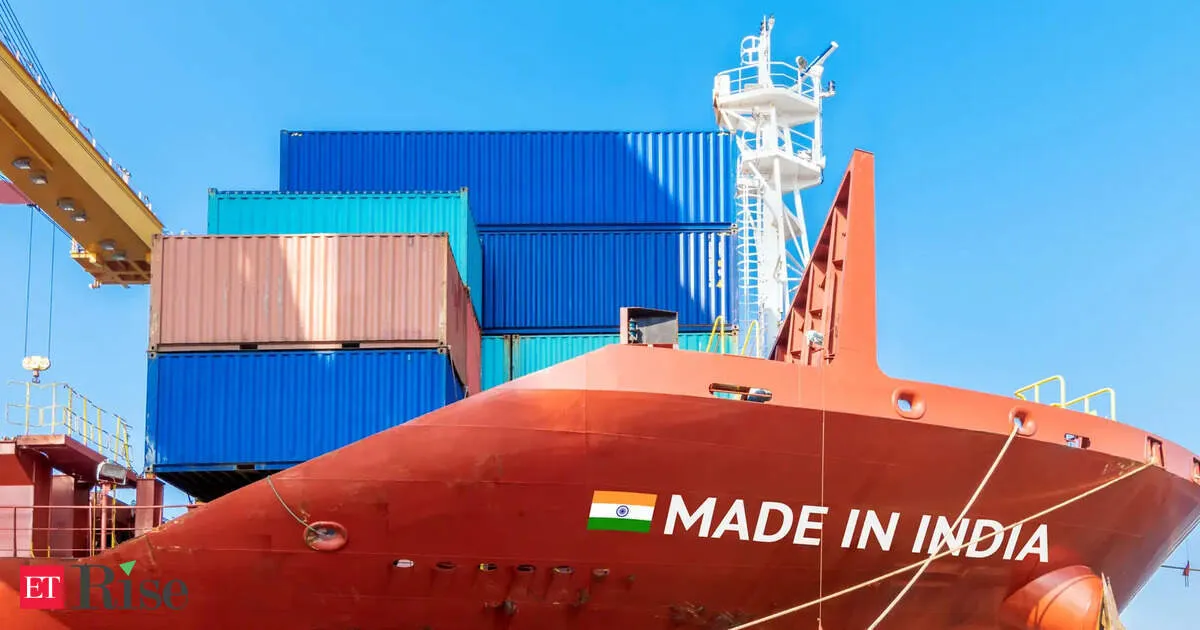
India’s shipping ministry has extended a key subsidy for Indian companies that flag merchant ships, pushing the scheme’s timeline to FY2030-31. The move is designed to strengthen India’s maritime fleet and expand its global shipping role, while offering financial backing to shipping firms participating in government cargo tenders.
As US and Iran talks fail to reach a consensus on ending the conflict, President Trump says Iran’s proposal falls short and leadership appears “confused and disjointed.” Despite some improvements noted, he declines any threat of military escalation. Meanwhile, Tehran announces new maritime measures, while a report cites Pentagon estimates that the US blockade in the Gulf of Oman has cost Iran nearly $4.8 billion.
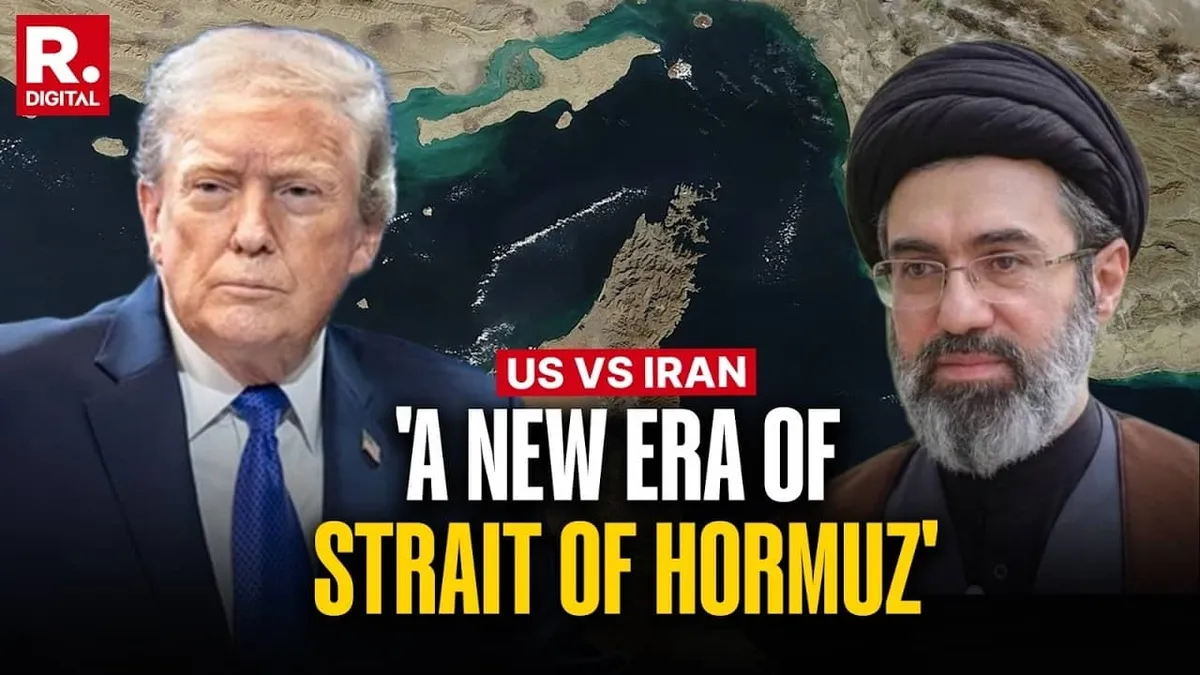
Iran’s Ayatollah Mojtaba Khamenei delivered a rare televised public statement, warning the United States that the “only place” it belongs in the Persian Gulf is at the bottom of its waters. The written message was read on state TV, with remarks signaling US losses and framing the warning as a response to a perceived humiliating defeat.
India is strengthening its bid to emerge as a more competitive maritime nation, driven by policy shifts, faster infrastructure development and growing private sector participation. Port performance is improving, and India’s integration into global trade is increasing, positioning the country for stronger shipping and export capabilities in the coming years.
Never miss a story
Set alerts for the topics and sources you care about. Download Beige for free.
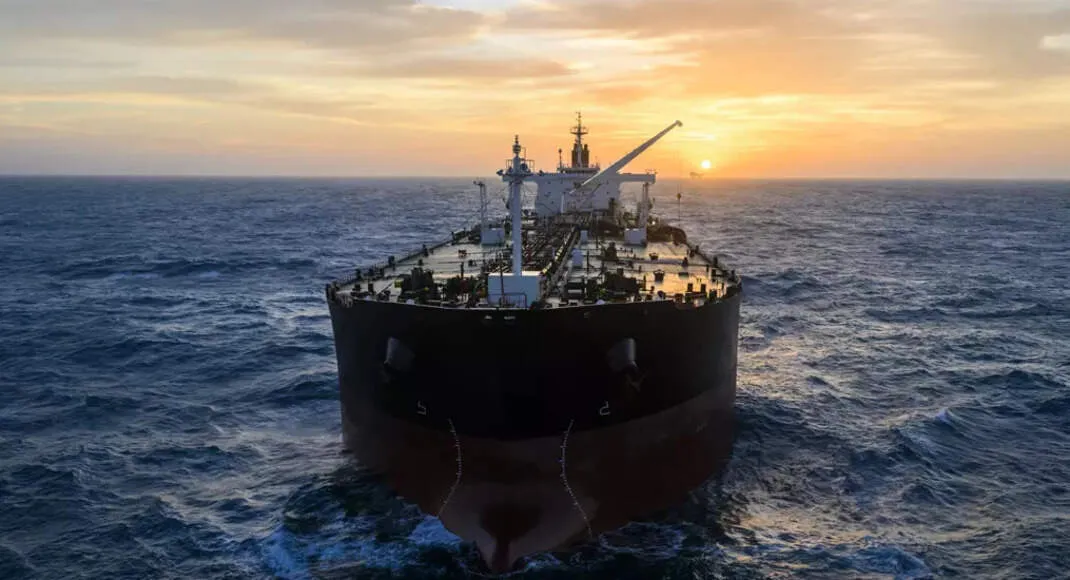
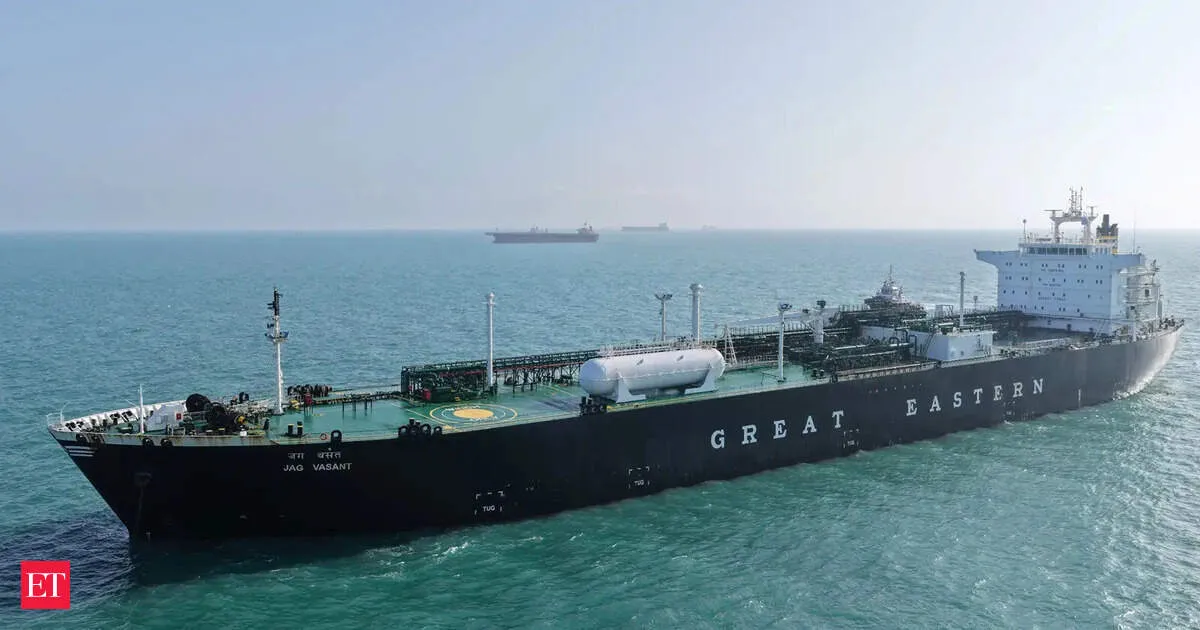
With global crude tanker rates rising again, India is considering building and owning its own oil shipping fleet to reduce dependence on expensive transport. The challenge: tankers demand huge upfront capital and specialized expertise to design and operate at scale. What worked for iPhones may not translate easily to crude carriers.
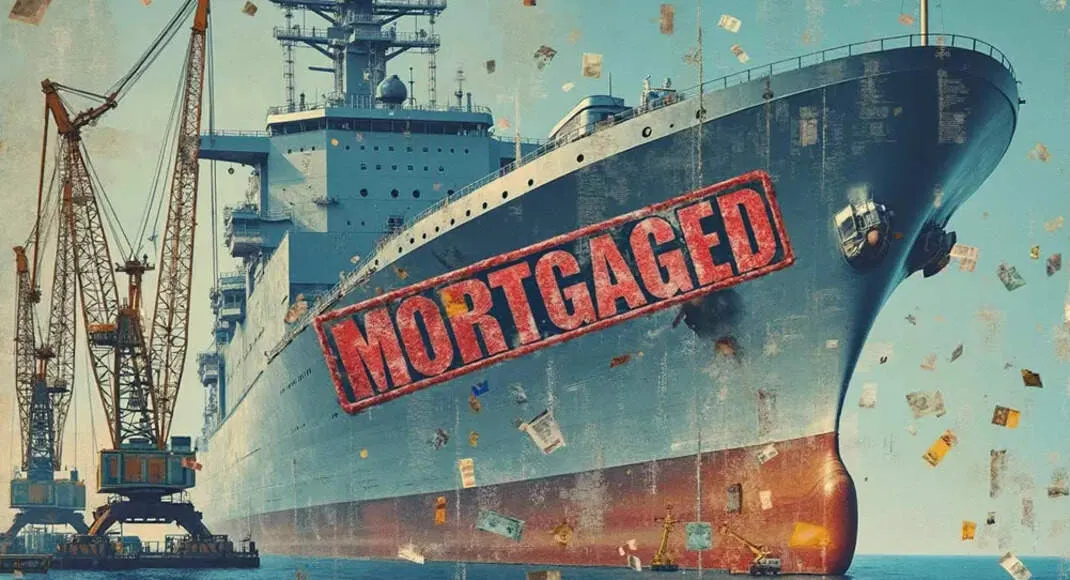
India’s updated shipping law has replaced the decades old 1958 framework, but banks remain unable to treat vessels as collateral. The gap is keeping credit from reaching shipowners and slowing financing that could modernize fleets and strengthen ports. The big question: can lending rules catch up with policy so India can truly position itself as a maritime hub?
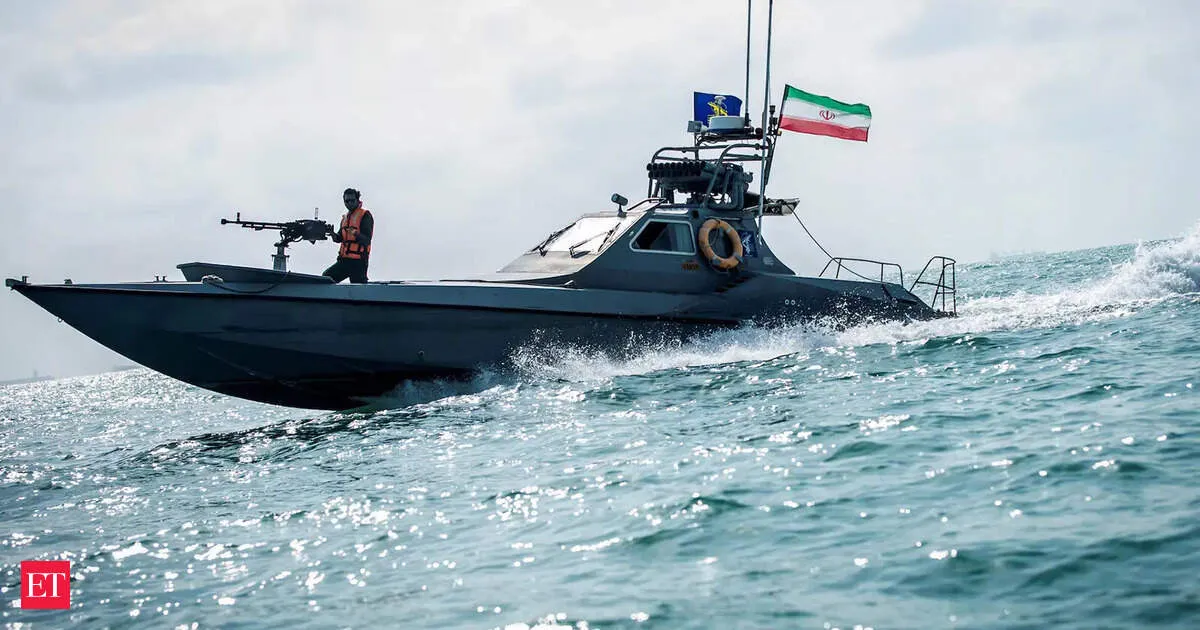
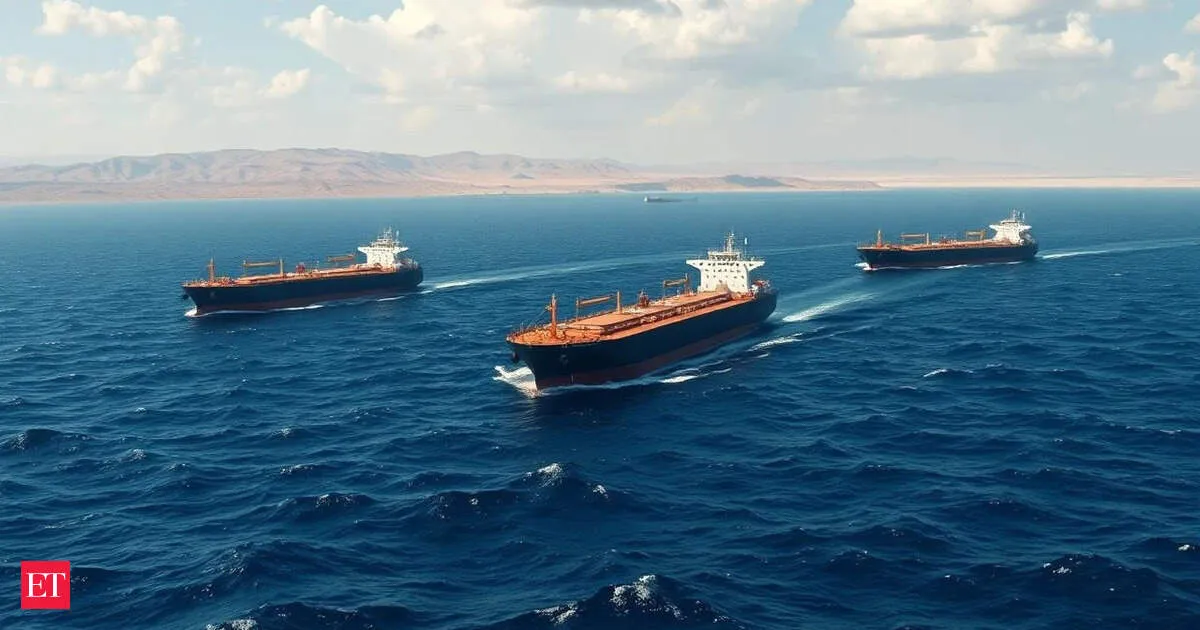
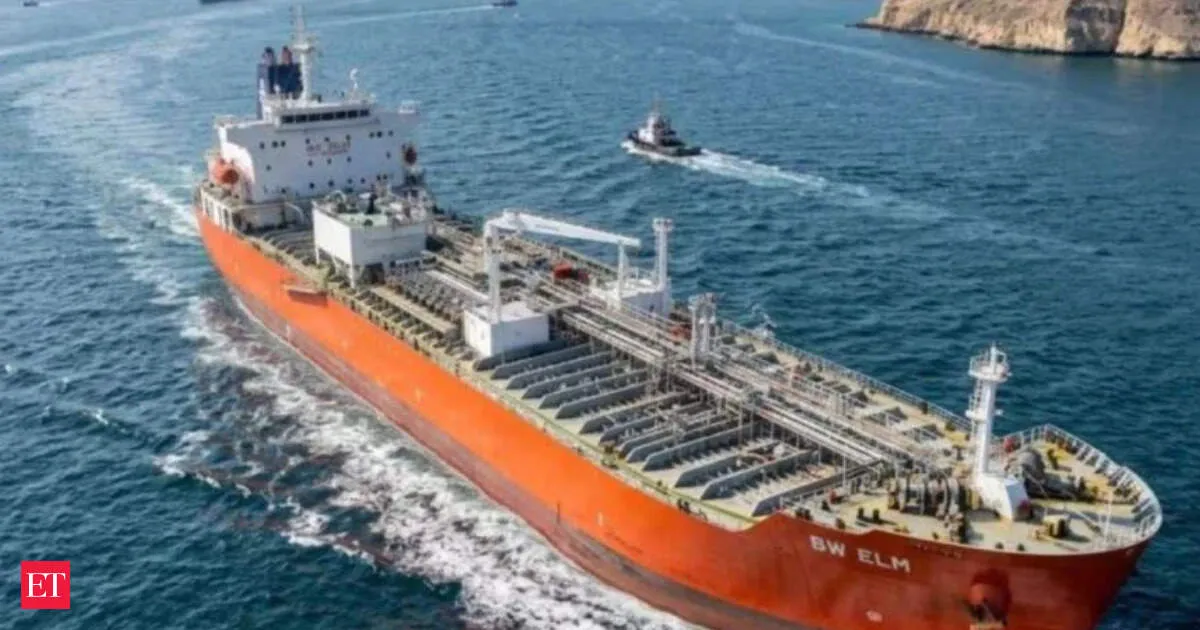
Iran says it captured two foreign ships and fired on a third near the Strait of Hormuz, accusing them of violating transit rules. At least one Indian seafarer is reported among the crew of a vessel taken by Iran, though all Indian seafarers on the affected ships are said to be safe. The move comes after the US seized an Iranian ship.
Amid regional tensions, India’s Ministry of External Affairs said 10 Indian ships have safely exited the Strait of Hormuz, but 14 vessels remain stranded in the Persian Gulf. The government is in contact with Iranian authorities for the safe return of the stranded ships. Separately, the MEA confirmed Commander Purnendu Tiwari remains detained in Qatar, with support efforts underway for him and his family.
Reading on mobile?
Open Beige in the app for a smoother experience — free on iOS and Android.
The Union Cabinet, chaired by Narendra Modi, has approved a ₹12,980 crore Sovereign Maritime Fund to insure Indian-flagged, India-bound and India-originating vessels. The decision is designed to improve maritime trade resilience, lower dependence on foreign insurers, and protect shipping operations as global uncertainties keep rising.
India and Singapore are working on a roadmap to build digital corridors and green shipping infrastructure, targeting decarbonisation in maritime trade. Officials say details on investment, future fuel demand, and required facilities are in the final stages. The plan pairs India’s green energy strengths with Singapore’s role as a major shipping hub, aiming to create new opportunities for both.
Maersk’s Niels Bruus says the toughest barrier to increasing women at sea is the mindset of men onboard, many of whom are not used to working with women on ships. The company plans to shift attitudes through training and hiring, targeting an equal split between women and men in cadet intake from India by 2027.
Swipe through stories, personalise your feed, and save articles for later — all on the app.