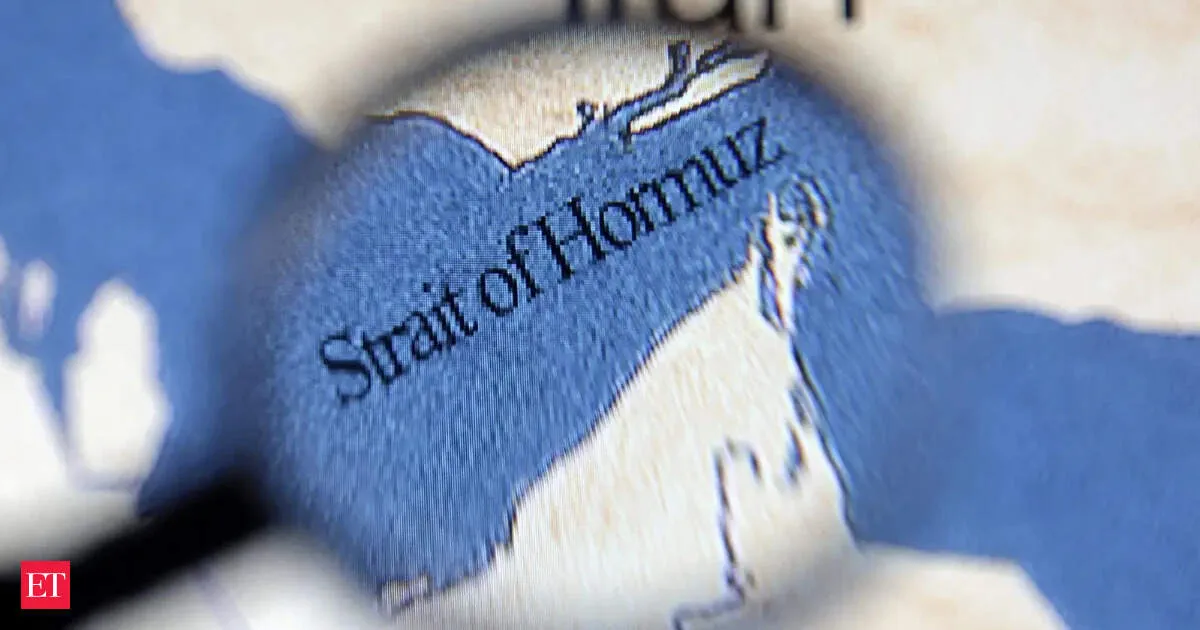
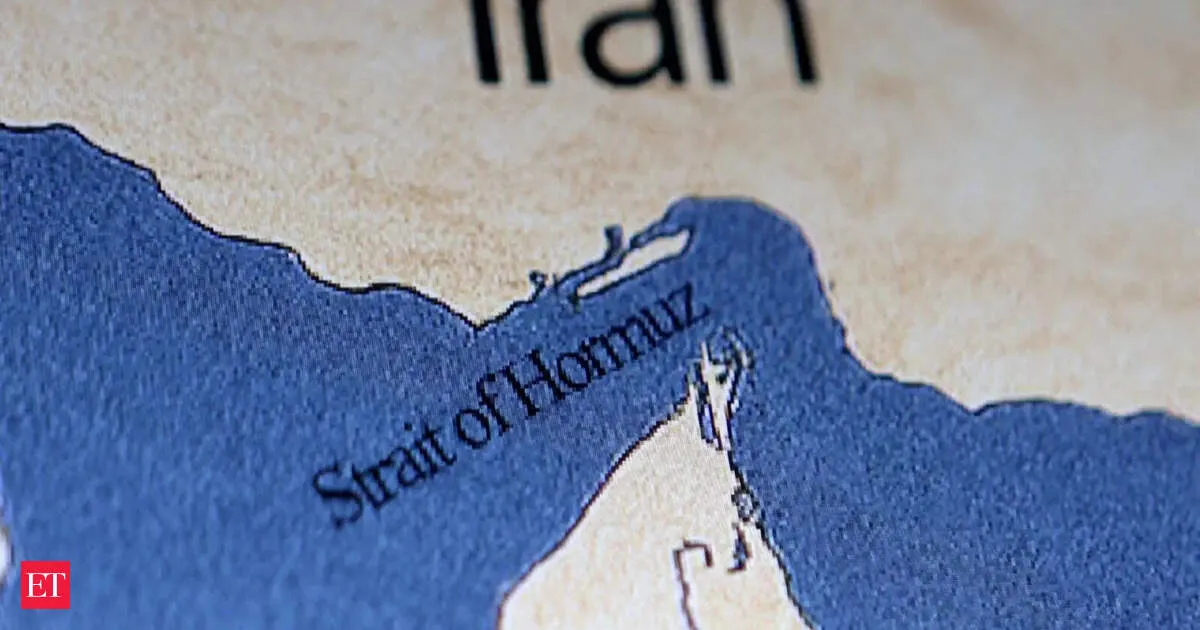
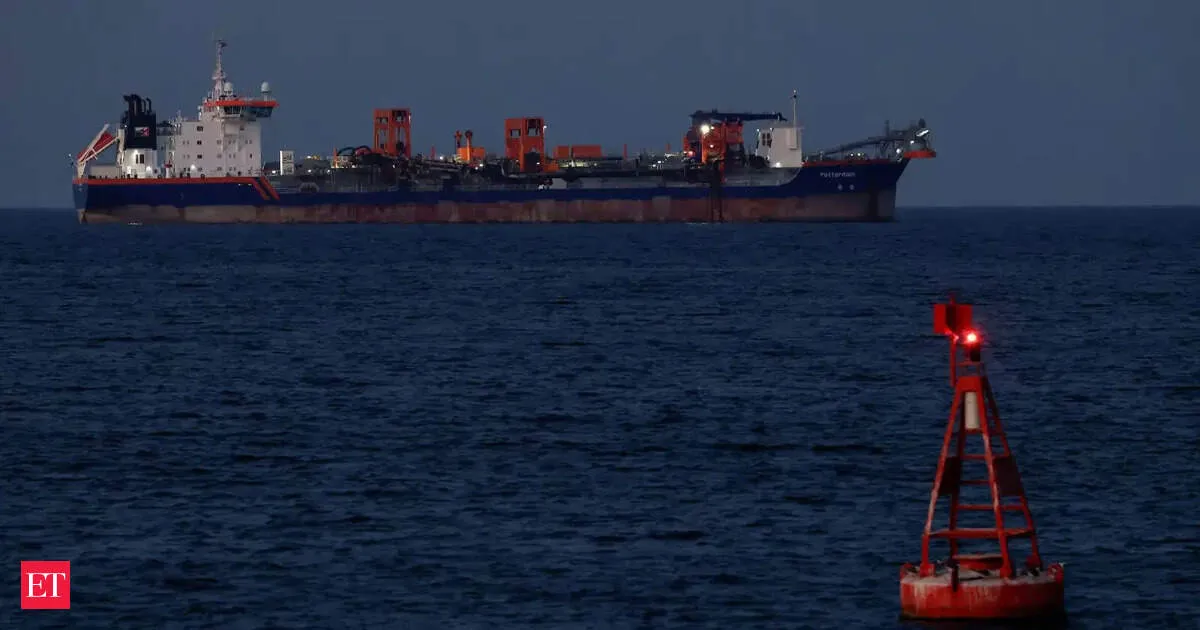
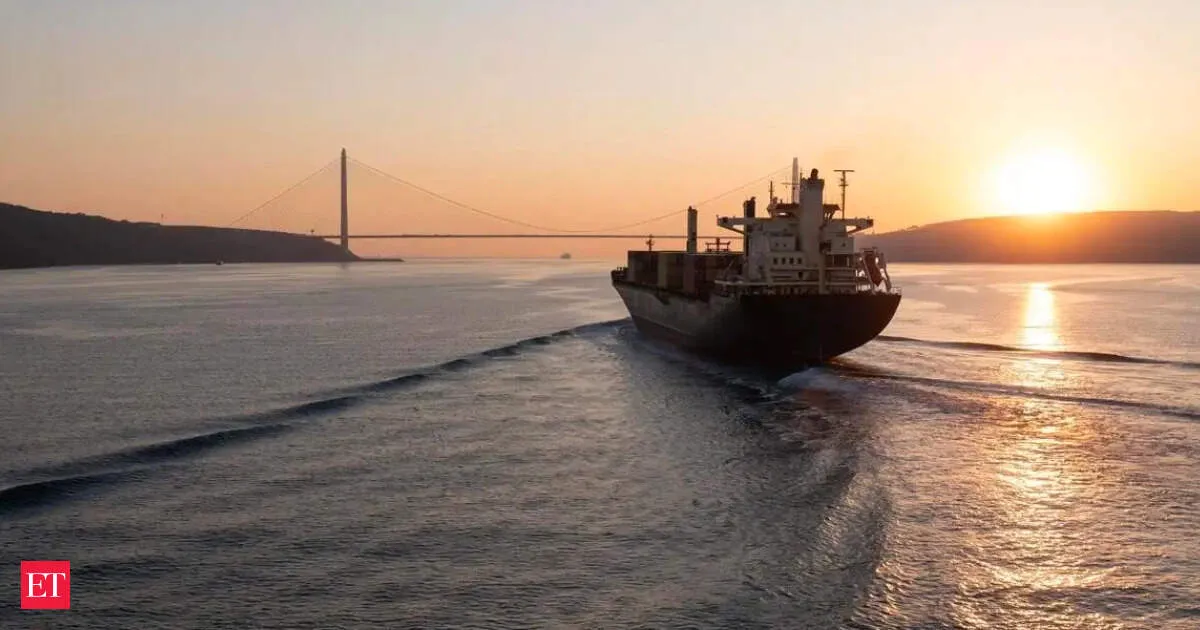
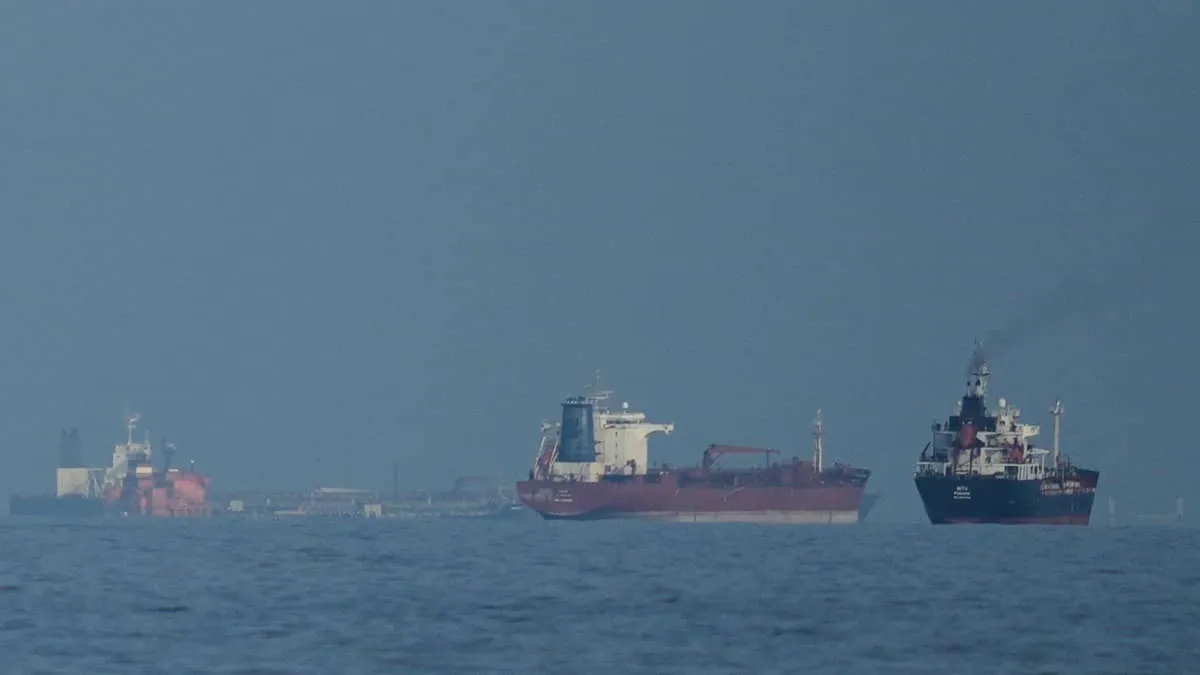
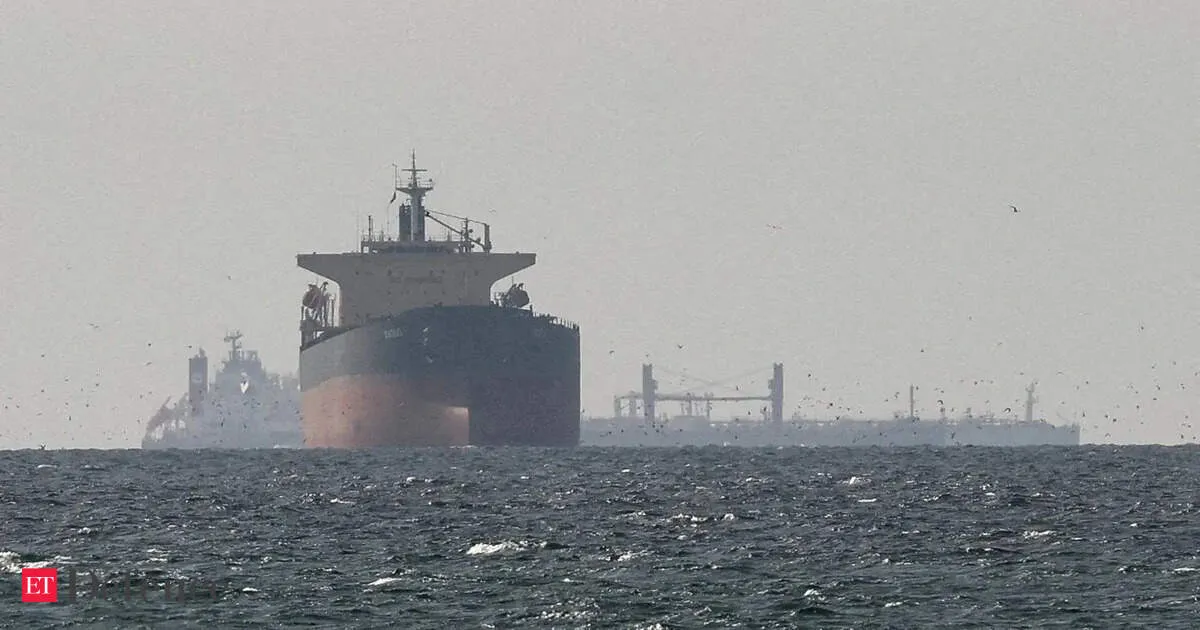
Iranian state TV says European countries are in talks with Tehran for permission to transit the Strait of Hormuz, following similar negotiations with East Asian states like China, Japan, and Pakistan. Iran has largely blocked shipping since a Feb 28 war with the US and Israel, though a fragile ceasefire has been in place since April 8. Tehran says it is preparing a professional system to manage traffic, benefiting cooperating commercial vessels while keeping the route closed to certain “freedom” operations.
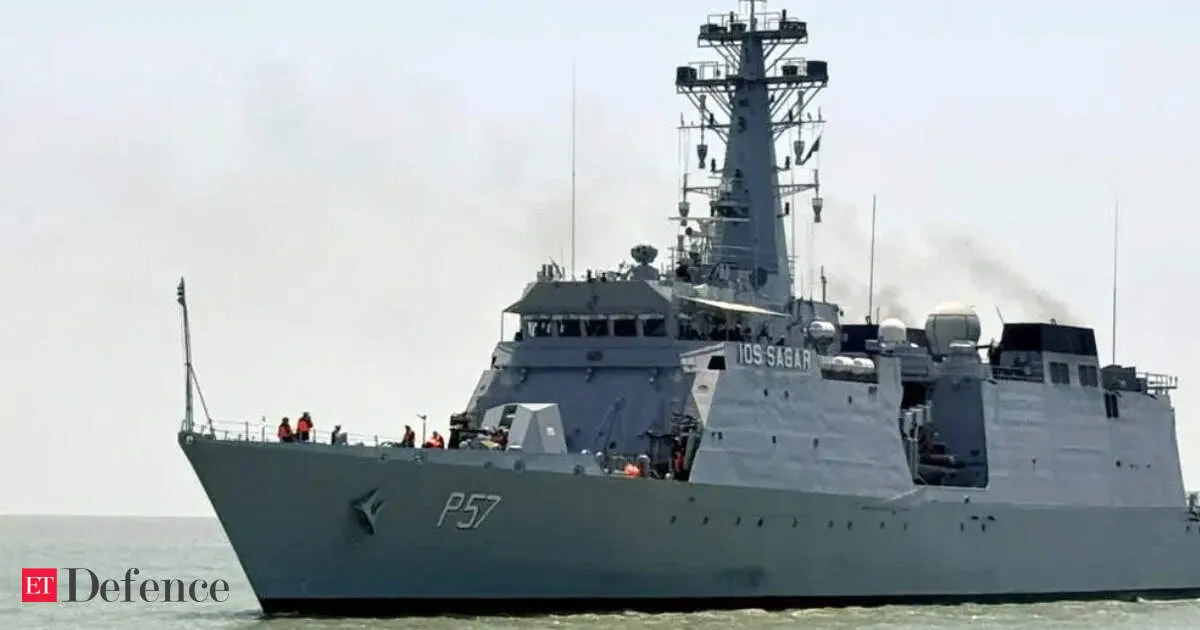
Indian Naval Ship Sunayna has docked at Colombo for a three-day port call as part of India’s IOS SAGAR deployment in the Indian Ocean Region. The initiative brings together a combined crew from India and 16 partner countries, including Sri Lanka, marking the deployment’s seventh port call since it set out from Mumbai in April 2026. During its stay, the ship will be open to visitors, including school children and members of the Indian diaspora, before it departs May 18 for a PASSEX with Sri Lanka’s Navy.
Your news, in seconds
Get the Beige app — every story in 60 words, updated hourly. Free on iOS & Android.
The UAE has strongly condemned an attack on an Indian-flagged commercial vessel off Oman’s coast, calling it a terrorist act and a dangerous escalation that endangers critical shipping lanes. India’s Ministry of External Affairs said the incident occurred on Wednesday as the ship sailed from Somalia. Omani authorities rescued all 14 crew members. The UAE warned the strike violates a UN Security Council resolution on freedom of navigation. It also cited the fragile Strait of Hormuz amid regional conflict and previous attacks on Indian-flagged ships.
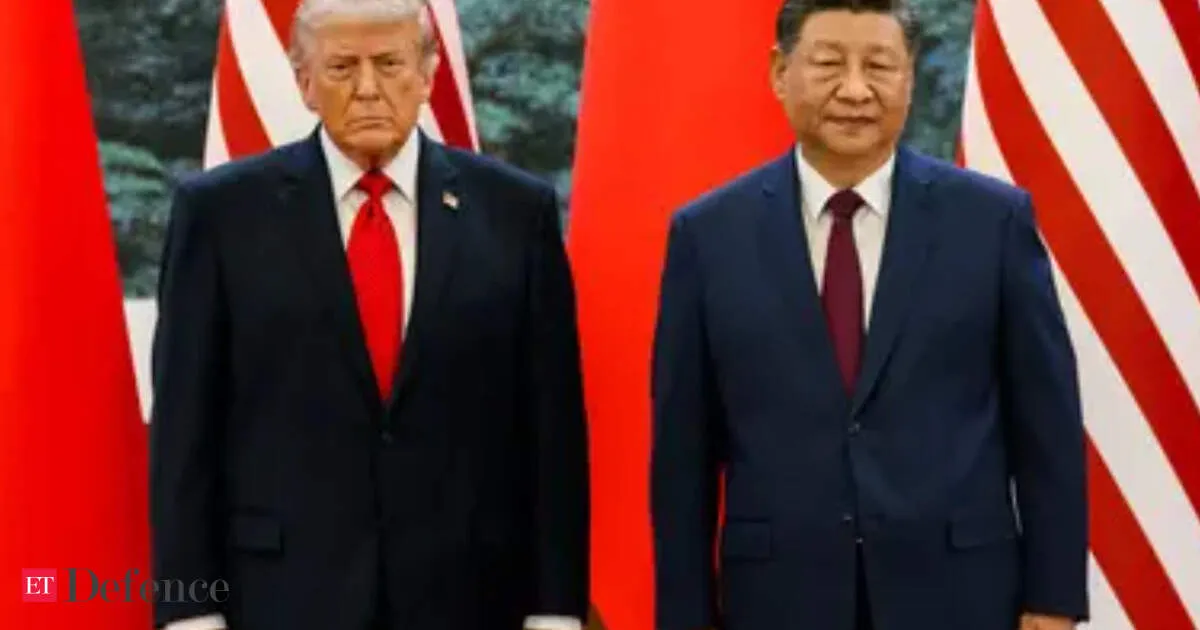
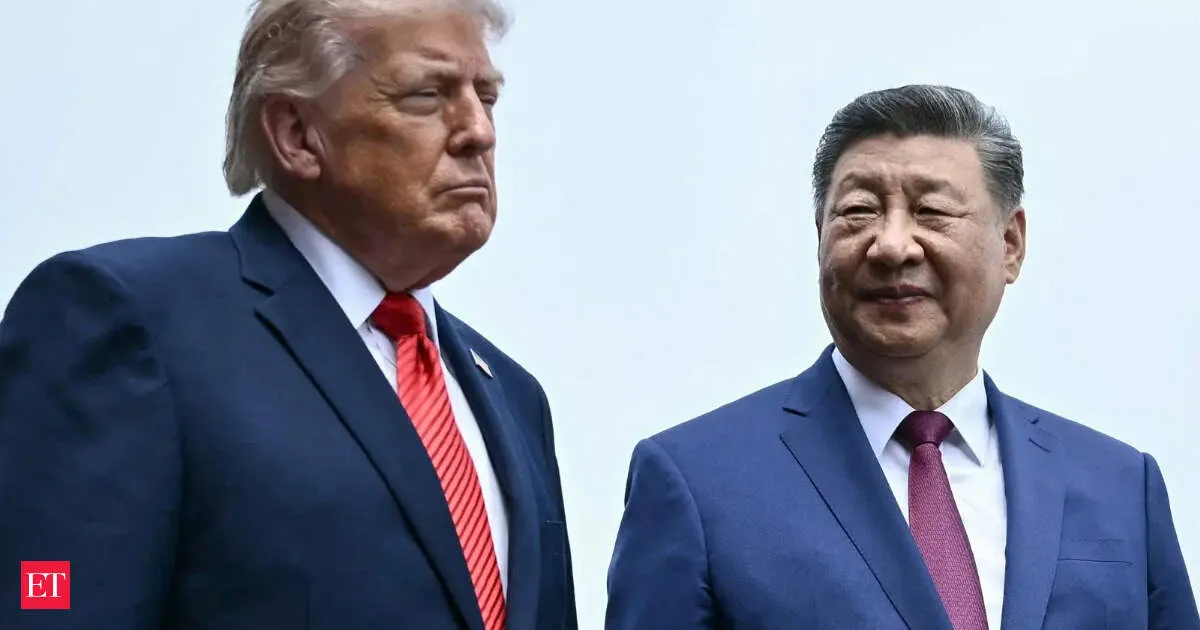
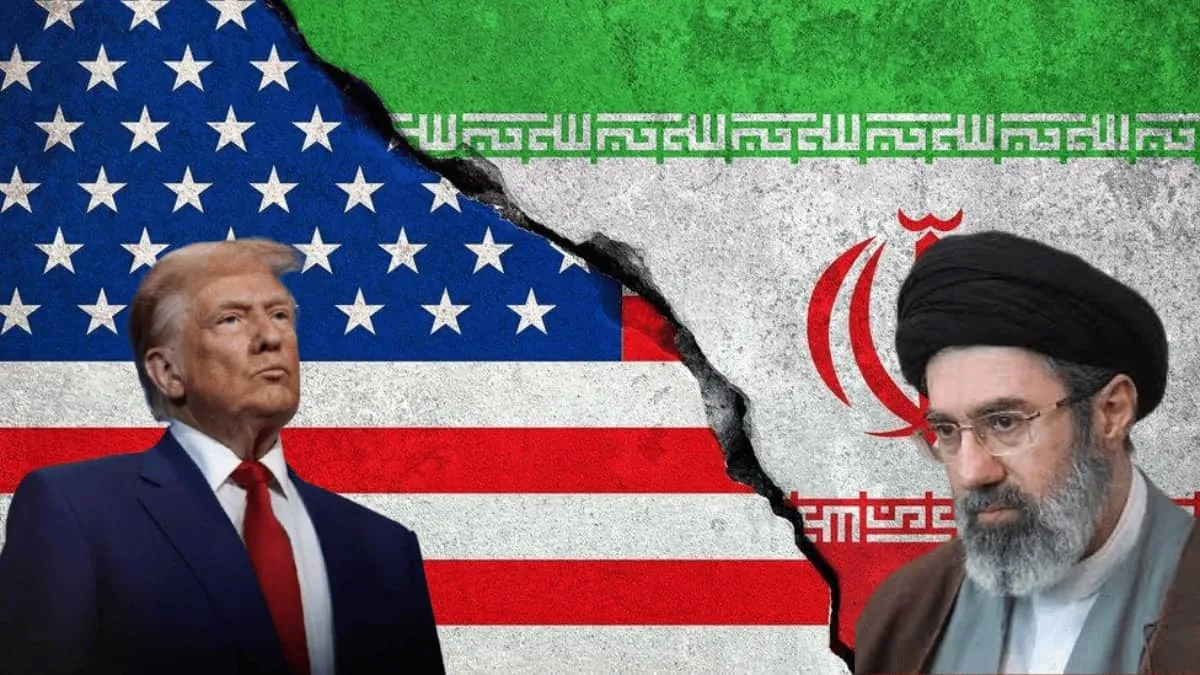
After meeting Xi Jinping in Beijing, Donald Trump said the US and China agreed Iran cannot be allowed to have nuclear weapons. He also claimed the Strait of Hormuz must reopen for global shipping, citing Xi’s opposition to militarising or tolling the waterway. Trump warned his patience is “running out” as US attacks pause but a port blockade continues, with talks stalled over Iran’s enriched uranium stockpile. Incidents include a sunk cargo vessel and unauthorised boarding near Fujairah.
After talks with China’s Xi Jinping, Donald Trump said his patience with Iran is running out, as the U.S. paused attacks but imposed a port blockade. Diplomacy to end the conflict has stalled because Iran refuses to shut its nuclear program and surrender its enriched uranium stockpile. The Strait of Hormuz remains effectively constrained after Iran responded to U.S.-Israeli strikes. Meanwhile, incidents near the UAE raised fears of escalating maritime control, affecting global energy flows.
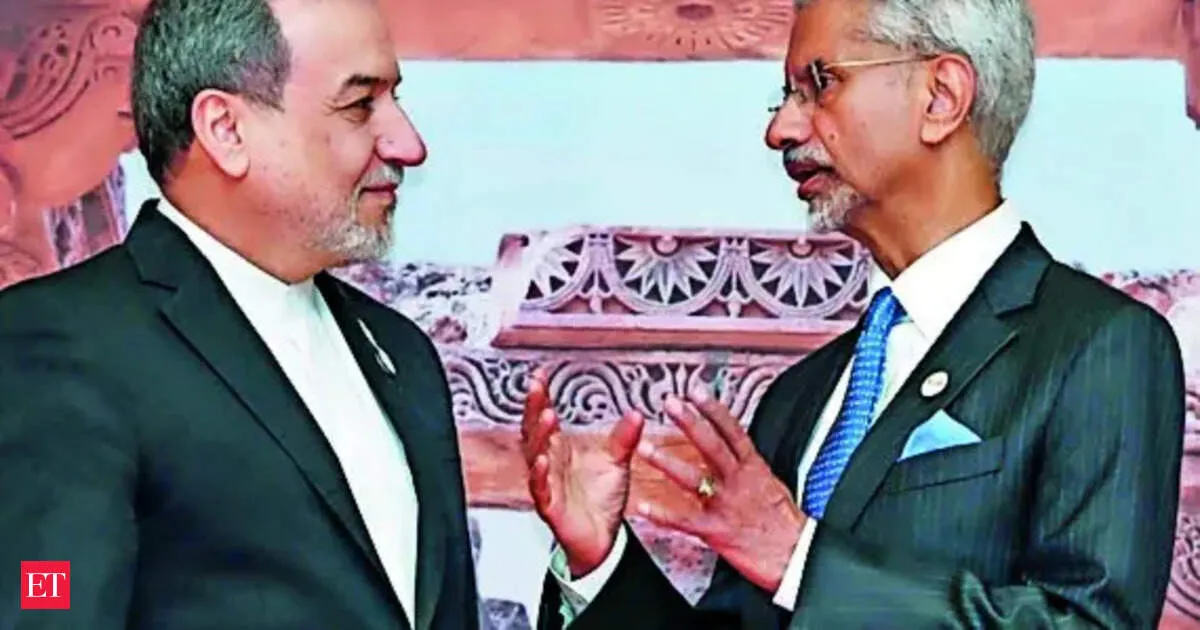
BRICS foreign ministers met in New Delhi to forge a common stance on the West Asia crisis, with India stressing dialogue, diplomacy, territorial sovereignty, and—above all—uninterrupted maritime navigation. The Strait of Hormuz and the Red Sea were repeatedly flagged as chokepoints vulnerable to tensions that could disrupt energy infrastructure and global trade. The meeting also tackled Gaza’s humanitarian catastrophe, calling for a sustained ceasefire and humanitarian access. India reiterated support for a two-state solution amid concerns over recent policy messaging.
Never miss a story
Set alerts for the topics and sources you care about. Download Beige for free.
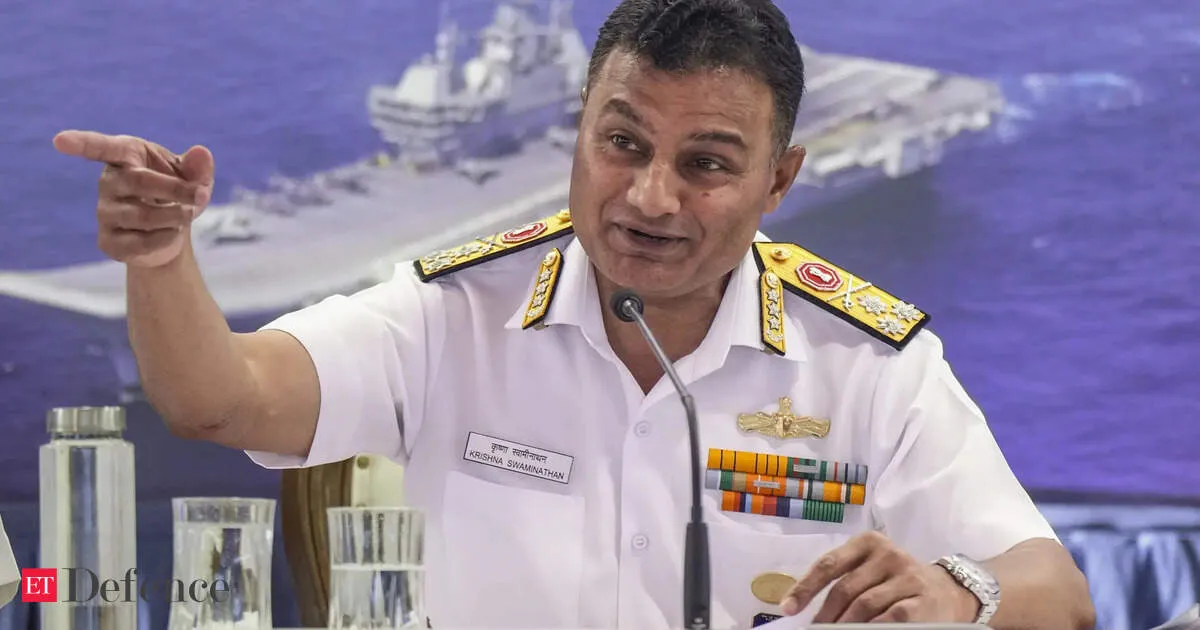
Vice Admiral Krishna Swaminathan, Navy chief designate and Western Naval Command flag officer commanding, said India is prepared to “quell” any misadventure originating across the border. He stressed that India has been a victim of terrorism “for several years” and cannot accept such activity, especially when it comes from foreign soil. He defended Operation Sindoor, launched after the 2025 Pahalgam attack, saying it targeted terrorist camps and infrastructures in Pakistan and Pakistan-occupied Kashmir to ensure India negotiates terrorism from strength.
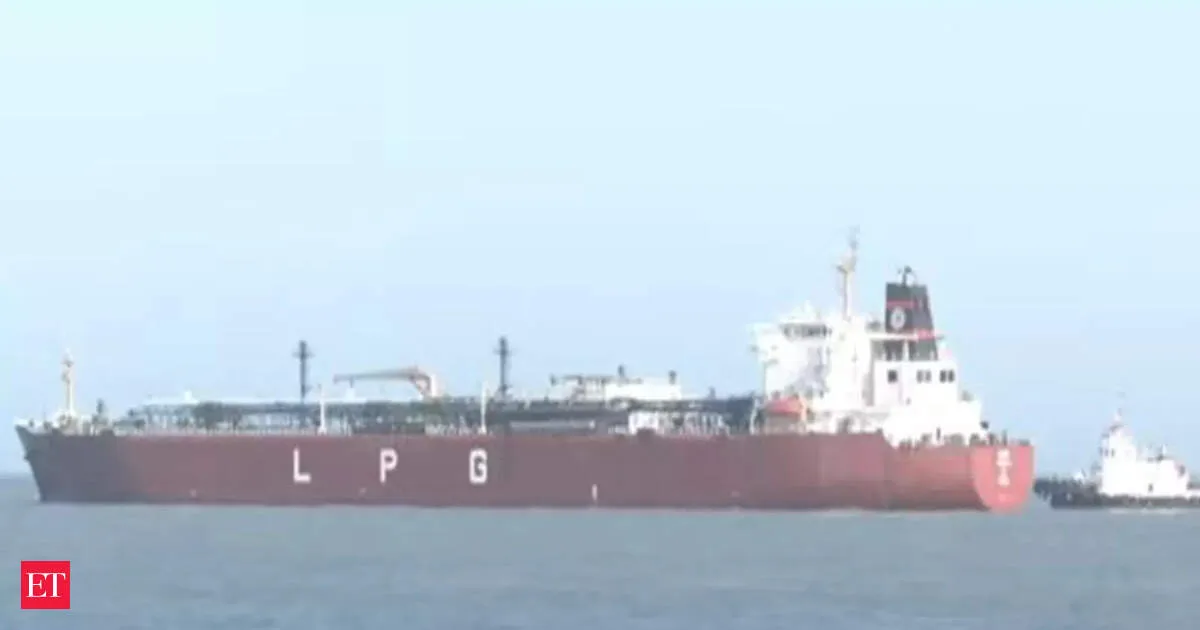
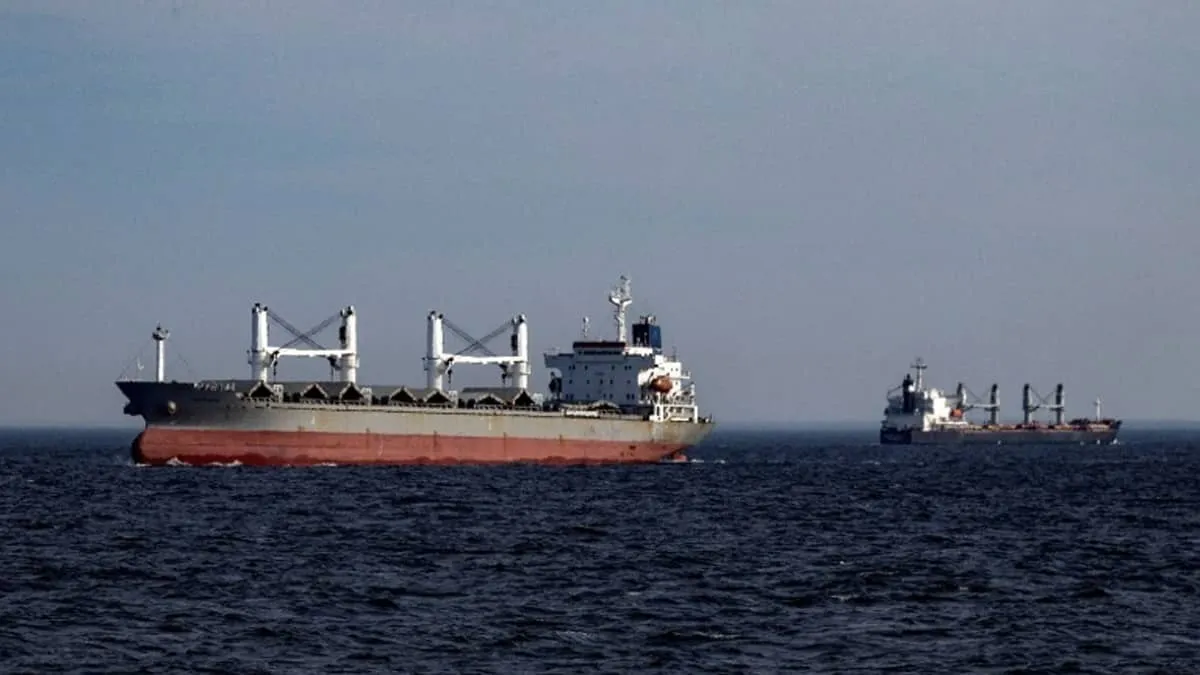
Two LPG carriers bound for India successfully transited the Strait of Hormuz amid ongoing US-Iran restrictions and a stalled push for a ceasefire. Ship-tracking shows Symi appeared in the Gulf of Oman after going dark, while NV Sunshine followed after changing its indicated destination. Together with other recent crossings since Sunday, the total reached ten large energy ships. The flow continued even as some vessels remained near a US blockade line and one US-turned supertanker idled nearby.
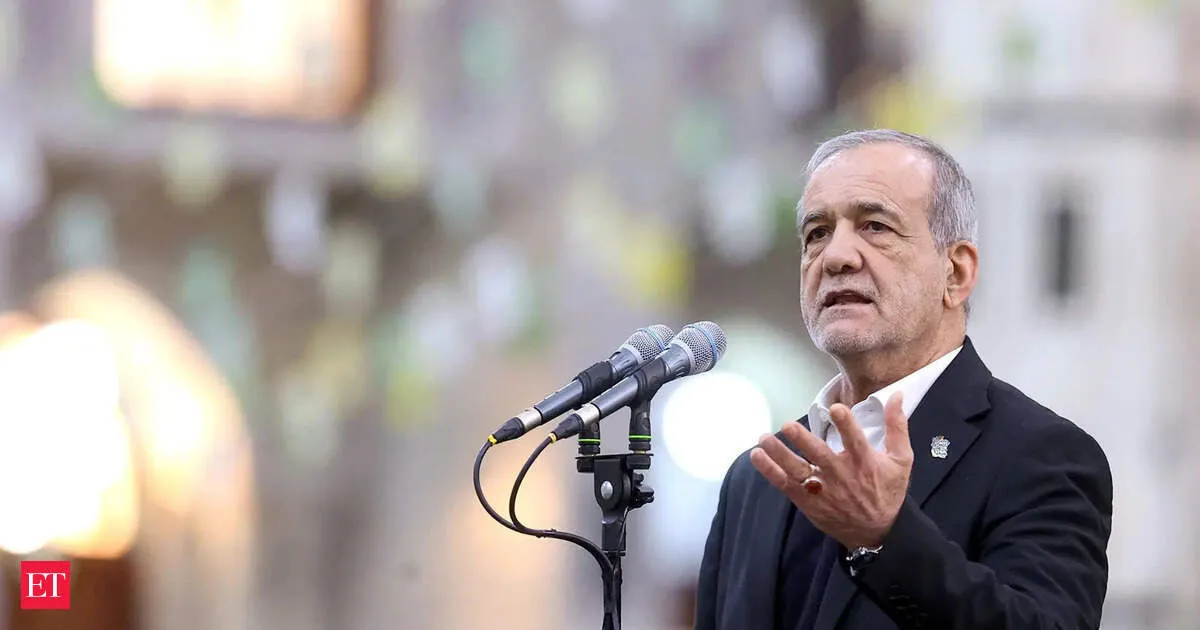
Iranian President Masoud Pezeshkian says dialogue with the United States does not mean surrender, stressing Tehran will not retreat on sovereignty or national rights. As a diplomatic step, Iran submitted its response to a US de-escalation proposal through Pakistani mediators, with talks aimed at ending regional war and restoring commercial shipping. But the tone turned tougher: Iran warned restraint is over, citing recent maritime strikes, issuing retaliation threats against US interests, and outlining a staged 14-point plan.
The United States and Iran are reportedly nearing a diplomatic breakthrough that could gradually reopen the Strait of Hormuz, a vital oil chokepoint carrying nearly one fifth of global energy supplies. The plan hinges on phased easing of a US naval blockade in exchange for Iran loosening restrictions on maritime movement. Reports point to a preliminary one page memorandum that could halt hostilities and trigger a 30 day negotiation window, with talks also covering nuclear issues, sanctions relief, and the return of shipping. Iran is yet to confirm acceptance.
Reading on mobile?
Open Beige in the app for a smoother experience — free on iOS and Android.
Two LPG carriers transporting cooking gas for India have crossed the Strait of Hormuz, despite recent tensions in the region. The move follows an attack on the dhow Haji Ali that sank, with 14 crew rescued by the Omani Coast Guard. Another carrier, SYMI, is set to arrive May 16, while NV SUNSHINE follows May 18.
The Ministry of External Affairs condemned an attack on an Indian-flagged commercial vessel off Oman’s coast, calling it “unacceptable.” In a statement, MEA spokesperson Randhir Jaiswal said the incident, which happened the previous day, puts innocent lives at risk and threatens freedom of navigation and international commerce amid ongoing concerns over attacks on civilian shipping.
India condemned an attack on an Indian-flagged ship off the Oman coast, saying targeting civilian vessels is unacceptable. The government reported that all Indian crew members onboard are safe and urged all parties to avoid actions that endanger civilian mariners or disrupt maritime trade. The incident underscores escalating security concerns in key regional shipping routes.
India’s Foreign Minister S Jaishankar says safe and unimpeded maritime trade routes are essential for global economic well-being, warning that turmoil in West Asia directly disrupts shipping and prices. Speaking at a BRICS meeting in New Delhi, he also urged an end to unilateral sanctions, arguing emerging economies need stability and constructive engagement.
Follow your favourite sources
Track sources, tags and categories — all in the Beige app.
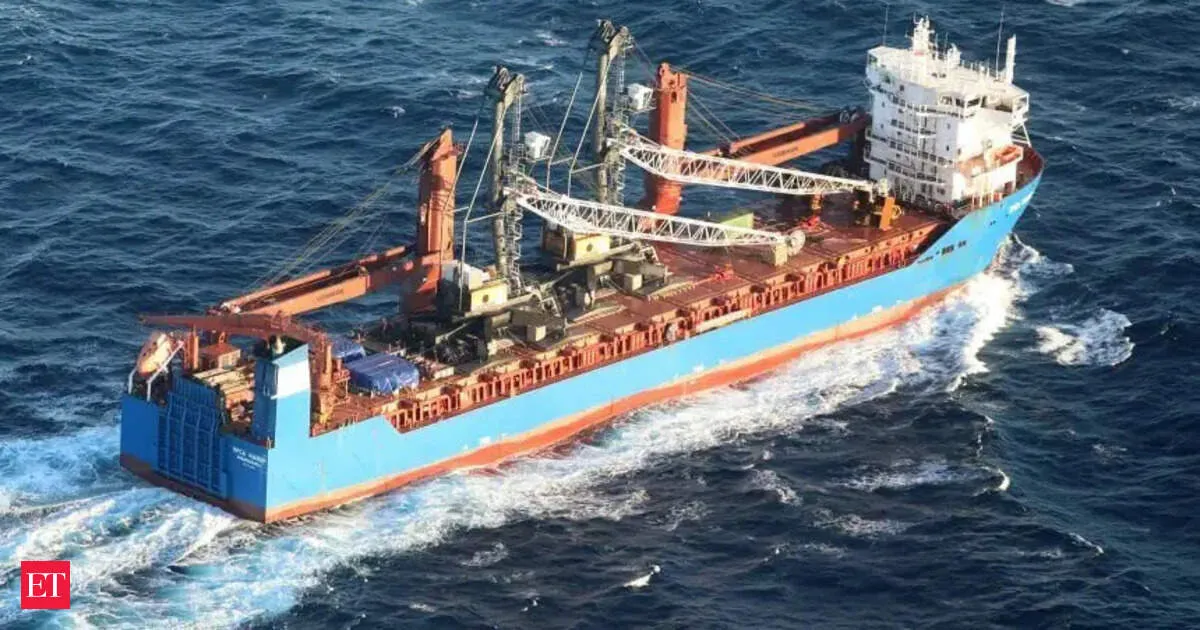
The Russian cargo ship Ursa Major sank near Spain amid competing accounts about what caused the disaster. Reports cite possible nuclear reactor cargo, US aircraft activity nearby, and contested Russian claims as investigators weigh findings. The incident has fueled speculation ranging from torpedo theories to broader NATO involvement, raising fresh security concerns over maritime routes and sensitive materials.
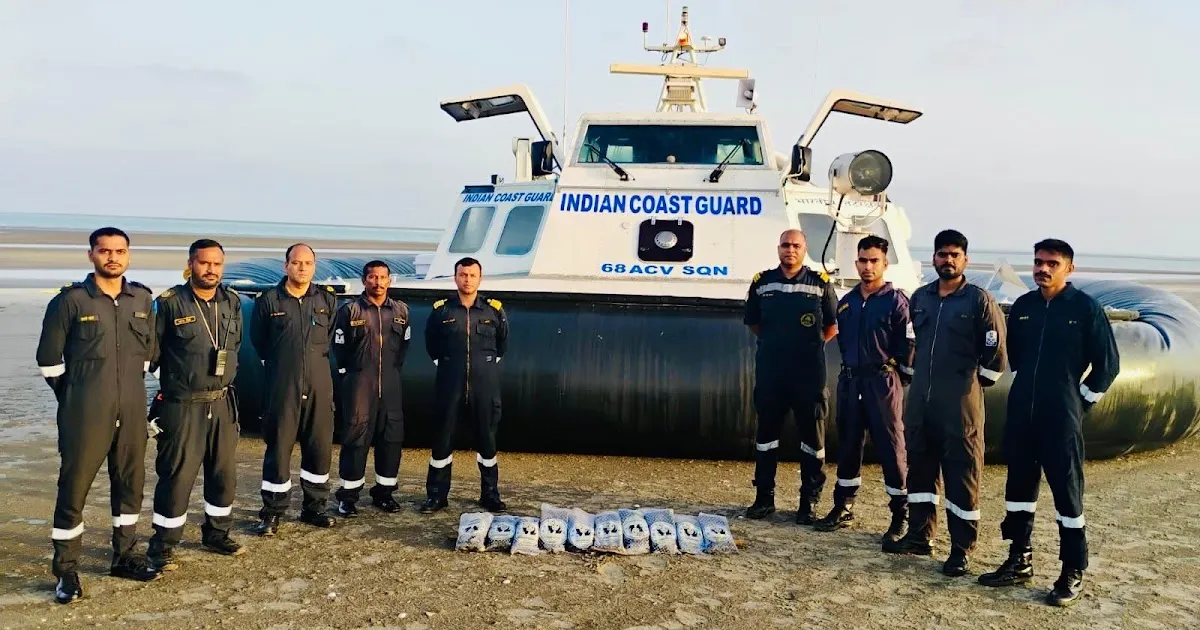
India has begun the girder laying for the 4th, 5th and 6th Air Cushion Vehicles (ACVs) for the Indian Coast Guard at Chowgule Shipyard in Goa. Indigenously fabricated with 50% local material under Aatmanirbhar Bharat, the multipurpose hovercrafts are designed for high-speed patrols, shallow-water reconnaissance, day-night search and rescue, and rapid interception and assistance to vessels in distress.
Amid instability in West Asia, Defence Minister Rajnath Singh said India is taking concrete steps to protect key supply chains and maintain reliable energy for citizens. He chaired a meeting focused on maritime security and economic resilience, noting the country’s petroleum reserves and urging fuel conservation to reduce financial pressure as global risks mount.
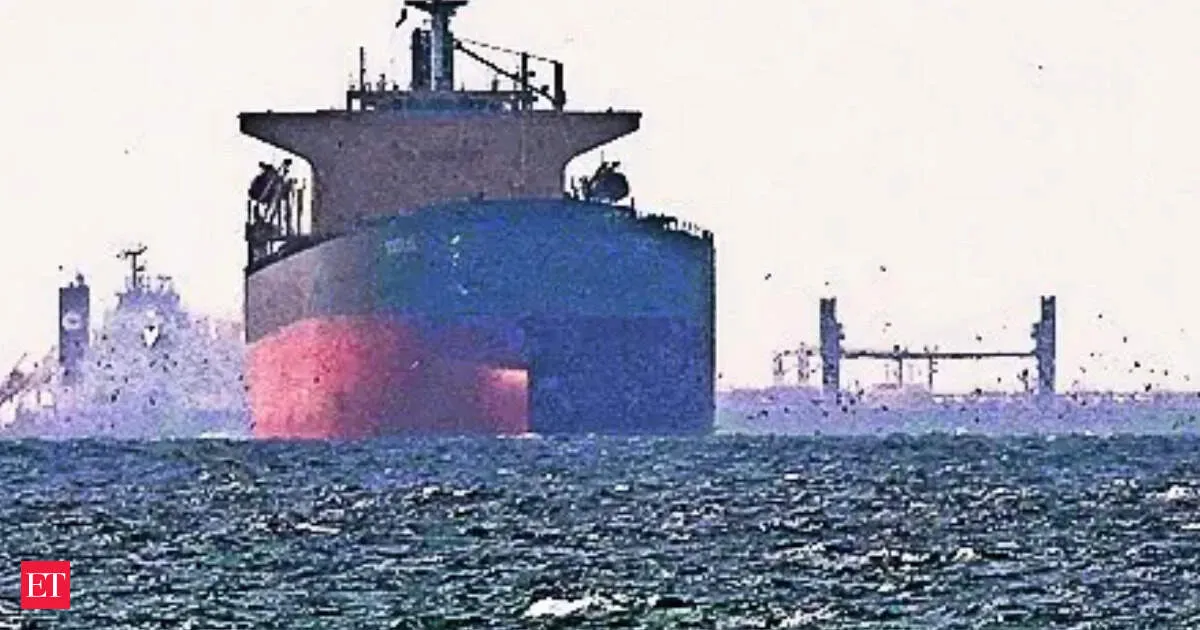
Crude oil supertankers have reportedly disabled tracking systems while passing through the Strait of Hormuz, a key chokepoint amid intensifying US-Iran tensions. At least three Very Large Crude Carriers navigated “dark,” transporting Iraqi and UAE oil to reduce the risk of detection during potential threats. The move highlights how shipping security is tightening while trade continues.
Stay informed on the go
Bite-sized news from 100+ trusted sources, right in your pocket.
US Central Command says its forces redirected 61 commercial vessels and disabled four more amid a continuing blockade-style standoff in the Strait of Hormuz. The announcement comes as Iran reportedly submitted a 14-point counter-proposal to a US peace plan, while both sides trade threats of retaliation, raising fears of further escalation across the Gulf.
South Korea says two unidentified aircraft struck the HMM Namu cargo ship in the Strait of Hormuz, causing flames and smoke. Seoul’s foreign ministry made the claim on Sunday, after the fire-damaged vessel reached Dubai. The ministry says the aircraft hit the port-side ballast tank’s outer plate at roughly one-minute intervals, escalating concerns over maritime security.
Swipe through stories, personalise your feed, and save articles for later — all on the app.