Metal stocks surged this week despite broader market volatility, lifting the Nifty Metal index around 4% as Adani Enterprises, Hindalco, and Vedanta climbed up to 11%. Analysts say investors should not chase momentum and instead look to buy on dips. The rally is linked to government increases in import duties on gold and silver to 15%, aimed at easing rupee pressure, plus industrial demand and supply disruptions—from copper-linked sulphuric acid issues to aluminium smelter disruptions in the Gulf.
The Nifty is holding a bullish structure but moving in a tight range, with resistance building near 24,600. Analysts point to mixed cues as traders wait for a clear move, watching 23,800 for support. Bank Nifty momentum is improving, suggesting participation may broaden once direction emerges. Stock picks are also in focus for active traders.
Your news, in seconds
Get the Beige app — every story in 60 words, updated hourly. Free on iOS & Android.
Indian markets face a heavy week with Q4 earnings from multiple companies set to drive stock-specific moves. Ongoing foreign institutional investors’ selling remains a key risk to sentiment. Investors will also track Middle East geopolitics, US market cues, crude oil prices, and the rupee’s movement versus the dollar for fresh triggers.
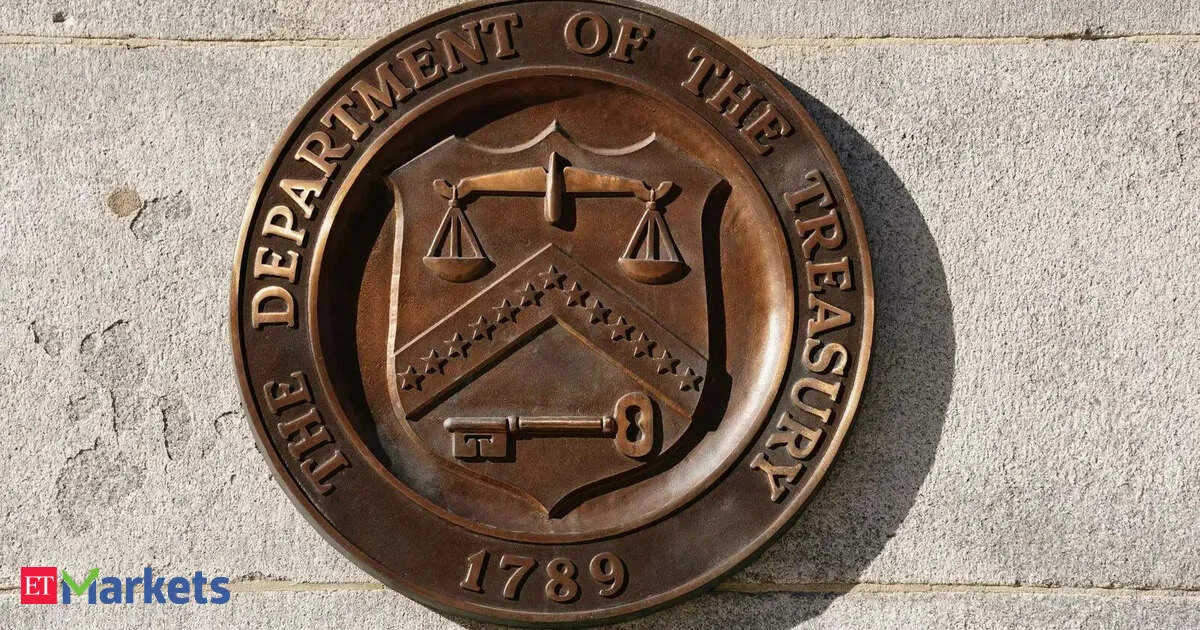
The US Treasury has lifted its estimate for current-quarter net borrowing to $189 billion after cash flows came in weaker than expected. For the next quarter, July-September, it projects $671 billion to be raised. Investors are watching for further updates, since changes in borrowing plans can influence rates and market expectations.
Nifty is expected to hover in a narrow 23,500–24,800 band as geopolitical tensions and elevated oil prices continue to weigh on sentiment. Despite the uncertainty, analysts are calling for a mildly positive bias and are pointing to specific trading strategies and stock picks, including ITC and Tube Investments, as possible gain opportunities.
US markets opened mixed as the S&P 500 and Nasdaq gained on strong earnings optimism. While corporate results helped lift sentiment, investors held back as concerns grew over the Middle East conflict potentially escalating. Those worries weighed on the Dow Jones, showing how geopolitical risk is still driving day-to-day trading even amid encouraging earnings.
Never miss a story
Set alerts for the topics and sources you care about. Download Beige for free.
Federal Reserve Chair Jerome Powell said the US economy is showing resilience despite an energy price shock tied to geopolitical tensions involving Iran. According to Reuters, Powell expects growth to stay above 2%, suggesting the impact of higher energy costs hasn’t derailed the broader economic momentum. The remarks come as markets weigh the path of inflation and policy.
Domino’s Pizza warned investors to expect weak growth in US same-store sales, pointing to pressured consumer sentiment and tougher competition in the market. The forecast rattled traders, with the company’s shares falling about 10% in early trading. Analysts will now watch whether promotions can offset demand softness and pricing pressure.
Indian IT stocks fell after mixed quarterly results from big names. TCS showed profit growth but annual revenue declined, while Infosys posted a profit that topped estimates yet missed revenue expectations. With both companies signaling weaker future growth, investors trimmed positions, sending shares lower despite earnings that initially looked resilient.
Market veteran Pashupati Advani says India’s rally may be fragile, pointing to unresolved risks like disruptions around the Strait of Hormuz that could affect oil and LNG imports. He also flags a near-term LPG crunch and growing pressure on IT jobs, citing visa curbs, AI disruption, and stagnant hiring—calling it a potential earnings shock.
Reading on mobile?
Open Beige in the app for a smoother experience — free on iOS and Android.
Energy sector mutual funds have rallied nearly 12% over the past three months, outpacing other fund categories as global energy prices climb. Analysts say the move may be cyclical rather than guaranteed. They recommend existing investors book partial profits, while new investors consider SIP or STP to reduce entry-time risk.
India’s markets defied a rough global backdrop, with the Nifty 50 ending 2025 near 26,000 for the 10th consecutive positive year. Fixed income strengthened too as yields fell. The rally is being linked to a broader economic and business upturn, creating cautious optimism for 2026, even as investor sentiment still lags behind the price action.
JPMorgan has downgraded Indian equities to Neutral from Overweight, warning that the Nifty could fall to 20,500 in a bear-case scenario, suggesting around 15% downside. The bank says the long-term outlook is intact, but near-term pressure could come from elevated valuations, Iran-related uncertainty, energy disruption risk, and emerging earnings concerns as FY27 estimates are cut.
After hitting a low of 12,514, the Sensex has tested the 12,800–12,000 support zone and then tried to bounce with a corrective rally. While the rebound attempt offers hope, analysts urge investors to wait for fresh signals before turning bullish, implying volatility remains a key risk until the market confirms a clearer trend.
Follow your favourite sources
Track sources, tags and categories — all in the Beige app.
Swipe through stories, personalise your feed, and save articles for later — all on the app.