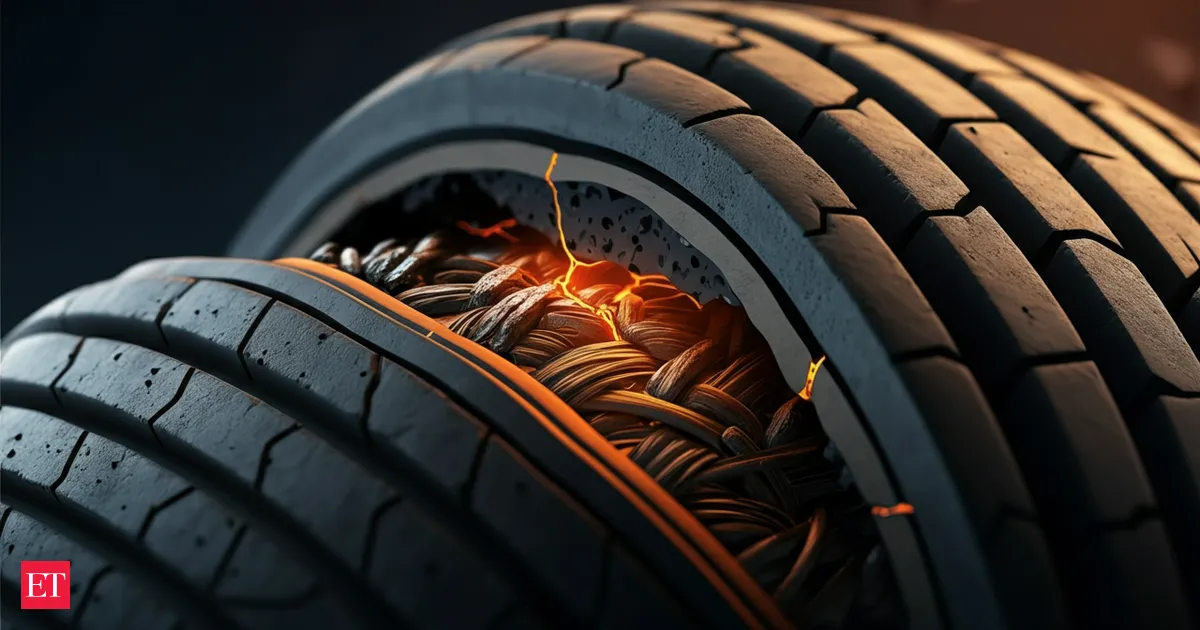
A decades-old mystery about how reinforced rubber stays extraordinarily strong may be solved. Researchers at the University of South Florida used about 1,500 molecular simulations to show that carbon black particles stop rubber from thinning as it stretches, forcing the material to resist volume changes. That shift in behavior helps explain the toughness behind tires and other reinforced elastomers.
Researchers from King’s College London and Trinity College Dublin say they’ve developed cyclotrialumane, a new aluminium compound that could act as a substitute for pricey platinum and palladium in industrial catalysts. Published in Nature Communications, the finding points to potentially cheaper, cleaner, and more sustainable manufacturing—if scaled beyond the lab.
Your news, in seconds
Get the Beige app — every story in 60 words, updated hourly. Free on iOS & Android.
Swipe through stories, personalise your feed, and save articles for later — all on the app.