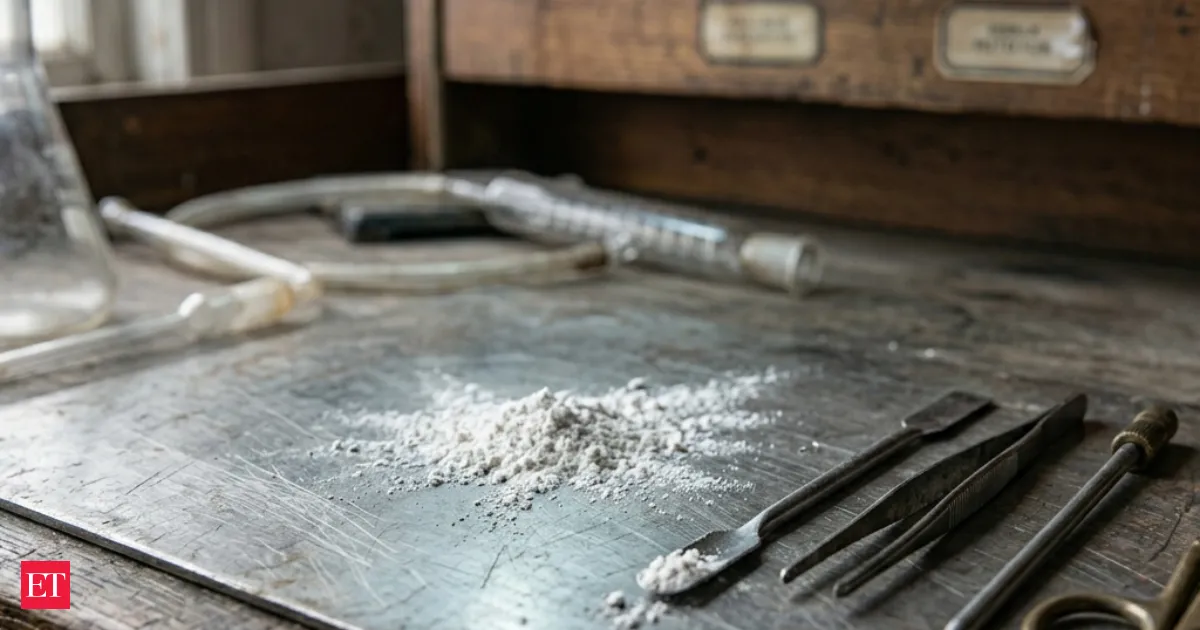
In 1938, chemist Roy Plunkett was testing refrigerant gases when a cylinder he expected to contain a gas was instead blocked and, upon opening, lined with a white, waxy substance. That material proved to be polytetrafluoroethylene (PTFE), better known as Teflon, later prized for extreme stability, heat resistance, chemical resistance, and very low surface energy—key to the non-stick reputation. Its widespread industrial use grew after World War II as fluoropolymers gained traction.
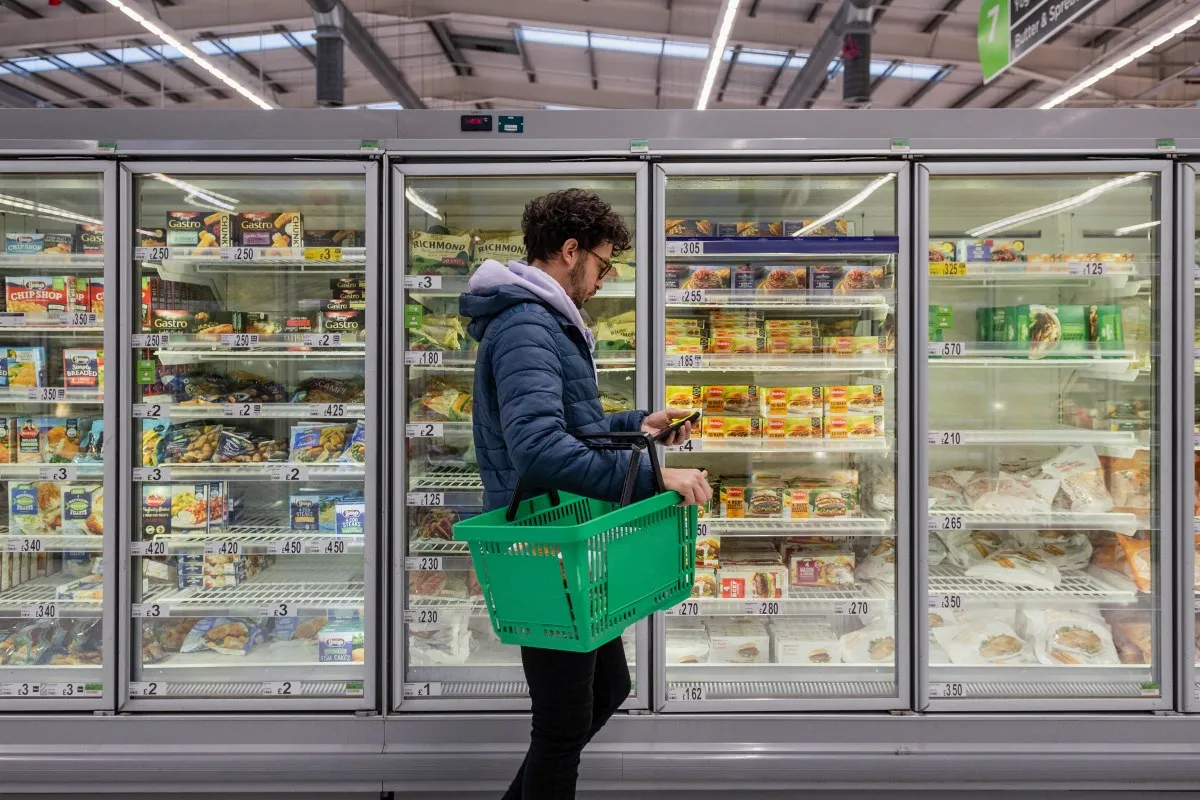
Researchers say barocal could enable refrigeration without traditional greenhouse-harming refrigerants. By applying pressure to “plastic crystals,” the material shifts state and absorbs heat, potentially offering a cheaper and nonpolluting alternative to today’s cooling systems. If results scale, it could disrupt everything from home fridges to cold storage for food and drinks.
Your news, in seconds
Get the Beige app — every story in 60 words, updated hourly. Free on iOS & Android.
Swipe through stories, personalise your feed, and save articles for later — all on the app.