India’s Ministry of Electronics and Information Technology (MeitY) is preparing to revisit the Rs 17,000 crore IT hardware production-linked incentive (PLI) scheme later in FY27, after initial disbursements and rising component manufacturing. Officials say AI servers and other AI-linked hardware are likely to be added to coverage as part of the next modification window. Incentive payouts are expected to surge in the second half of FY27, currently far below the pace projected as many firms’ claims begin clearing this year.
Vivekananda Global University (VGU) in Jaipur is betting that India’s next founders will build from home as remote-first work and Tier II support programs expand. The university has supported 200-plus startups, enabled over Rs 20 crore in funding, and embeds incubation, mentorship, and early grants into academics—helping founders access pilots, mentors, and investors without relocating to metros.
Your news, in seconds
Get the Beige app — every story in 60 words, updated hourly. Free on iOS & Android.
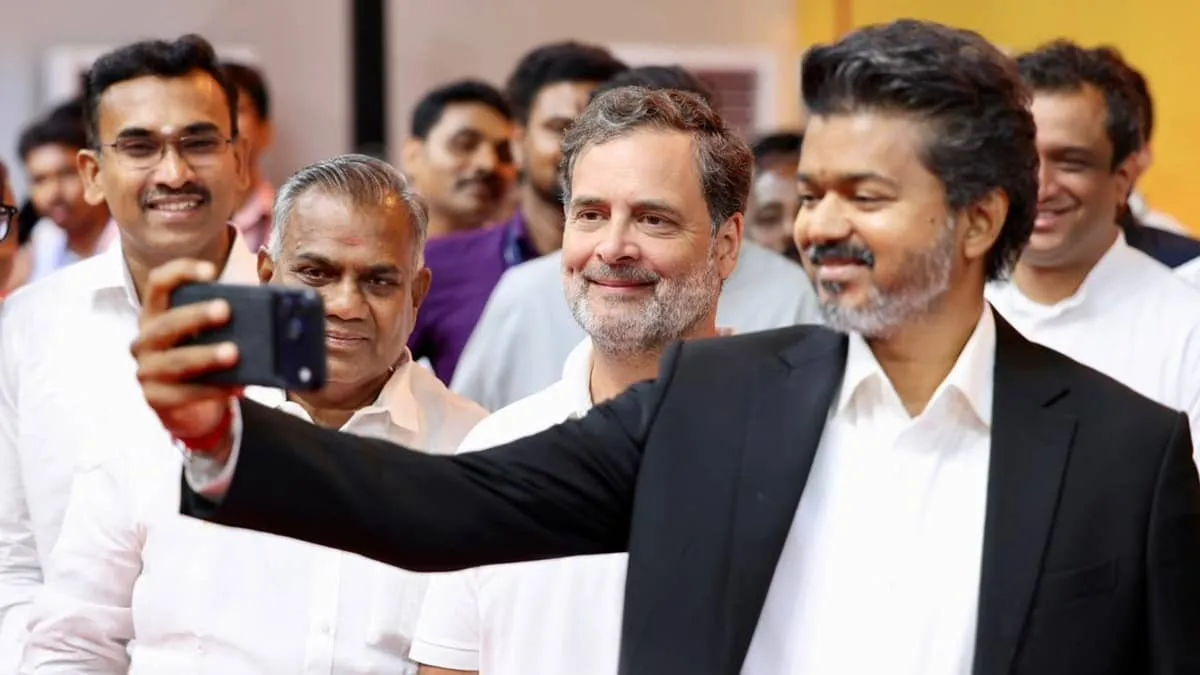
MeitY has denied involvement in blocking Rahul Gandhi’s Instagram posts about TVK chief Vijay’s swearing-in. The ministry says its internal system mistakenly flagged the content and that the posts have since been restored. The denial comes as Congress alleges suppression, escalating the dispute over social media moderation and political claims.
India’s online gaming industry is seeking guidance from the Ministry of Electronics and Information Technology on new gaming rules. Firms say they need clarity on how games will be classified, what compliance is required, and how approvals will work. They also argue that without a phased implementation, both user-safety steps and regulatory adherence could become unclear and inconsistent.
Starting May 1, 2026, India sees major policy shifts spanning everyday spending and digital regulation. Oil marketing companies have raised 19-kg commercial LPG cylinder prices by ₹993, while domestic LPG rates reportedly stay steady. At the same time, MeitY operationalised the Online Gaming Rules, 2026, setting up a unified regulator to target illegal “money games,” alongside fresh credit-card related rules.
MeitY has advised VPN providers and intermediaries to stop enabling access to blocked online betting and prediction markets, citing due-diligence duties under the IT Rules 2021. The ministry says users are bypassing restrictions through VPNs and converting rupees into stablecoins like USDC to participate. The warning intensifies India’s crackdown on real money gaming and opinion trading, despite legal ambiguity.
Never miss a story
Set alerts for the topics and sources you care about. Download Beige for free.
The Centre is reportedly negotiating with the US and Anthropic to create a way for Indian companies to access Claude Mythos without endangering critical infrastructure like power grids, telecom, and banks. Officials warn the model could fuel major cyber threats, with MeitY and banking regulators assessing risks and asking for faster incident response and stronger defenses.
India’s Ministry of Electronics and Information Technology has formed a new Technology and Policy Expert Committee to support the country’s AI Governance and Economic Group. Bringing together academics and industry leaders, the committee will provide both technical and policy guidance, helping the government craft AI regulations and manage international engagement with more informed decision-making.
Annalena Baerbock, President of the 80th session of the UN General Assembly, will visit India on April 28. She is set to meet External Affairs Minister S Jaishankar to discuss major multilateral issues and will pay homage to Mahatma Gandhi at Rajghat. The visit also features an interactive session on artificial intelligence governance and regulation with India’s Ministry of Electronics and IT.
India has notified the Promotion and Regulation of Online Gaming Rules, 2026, effective May 1, 2026. The rules operationalise the PROG Act, 2025 and set up the Online Gaming Authority of India (OGAI) to label prohibited money games, enforce via banks and payments, and require age and fair-play safeguards. e-sports and compliant social games get a clearer compliance path.
Reading on mobile?
Open Beige in the app for a smoother experience — free on iOS and Android.
India’s Online Gaming Act 2025 is set to overhaul the sector from May 1, with MeitY notifying the framework that creates the Online Gaming Authority of India. OGAI will classify games, enforce compliance, and can penalize or shut down platforms. Payments will face added scrutiny as banks and payment gateways must verify gaming registration certificates, while new user protections include age checks and responsible gaming safeguards.
India’s government is reportedly considering a limited exemption for early-stage startups from some compliance requirements under the proposed Digital Personal Data Protection (DPDP) bill. The rationale: easing pressure from data-handling obligations that could stifle startups while they develop data models and solutions. The DPDP draft also details strong penalties for breaches and proposes removing compensation provisions from the IT Act.
India is considering a major shift in AI governance, moving away from its earlier “light-touch” approach as risks mount around cybersecurity, deepfakes, and threats to critical sectors. A Mint report says a six-member TPEC and a 10-member inter-ministerial AIGEG are preparing fresh guidelines, potentially reshaping policy direction. The push comes amid Grok controversies, tighter intermediary rules, and court action over deepfakes.
India’s Ministry of Electronics and IT projects the digital economy will contribute nearly 20% of GDP by 2030, with growth powered by wider adoption of artificial intelligence across sectors. The forecast suggests AI will move beyond tech hubs into everyday services and industries, accelerating digitization and boosting economic output as adoption expands.
Follow your favourite sources
Track sources, tags and categories — all in the Beige app.
The Ministry of Electronics and Information Technology has pushed the deadline to May 7 for public feedback on proposed IT Rules amendments. The draft introduces clearer labelling requirements for synthetically generated information and requires intermediaries to comply with ministry advisories in writing. It also broadens oversight to user-generated news content, including provisions for emergency blocking.
MeitY has announced new rules for online games, exempting games without real money stakes from mandatory registration. Real money games will face stricter evaluation, while banks and payment firms will be responsible for enforcing bans. Competitive e-sports will be classified separately, and required user safety features are set to apply across platforms.
India’s MeitY has proposed a tougher labeling rule for social media platforms: synthetic or AI-generated content must carry labels continuously throughout playback, not just at the point of creation or sharing. The government says the change targets concerns around artificially generated information, and stakeholders have until May 7 to submit comments on the proposal.
Swipe through stories, personalise your feed, and save articles for later — all on the app.