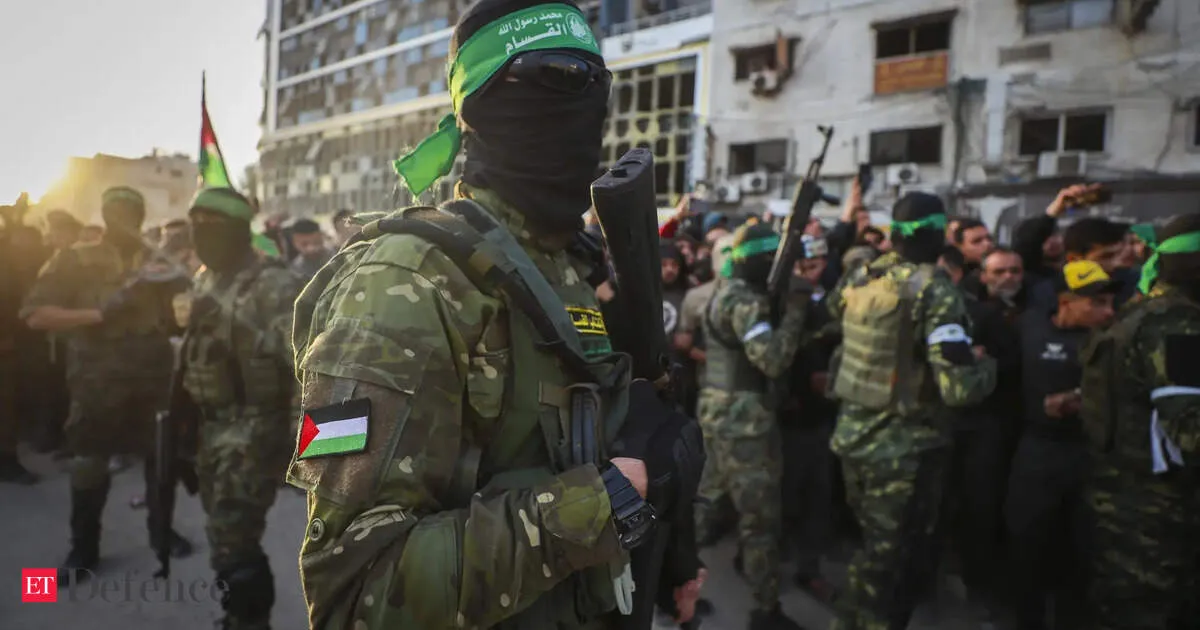
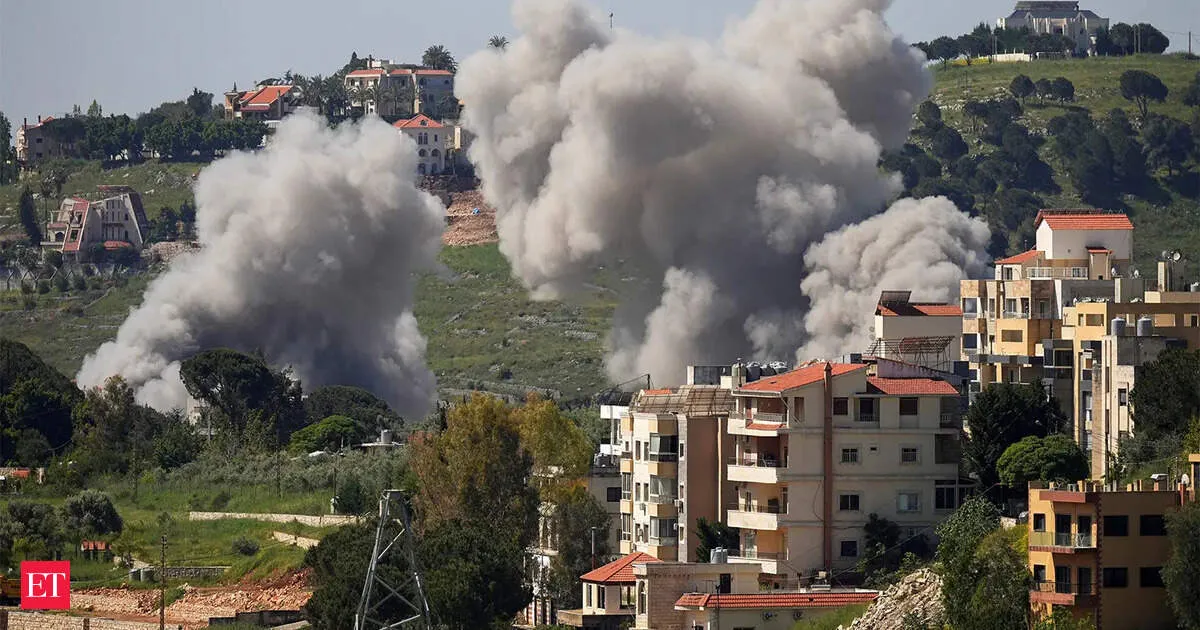
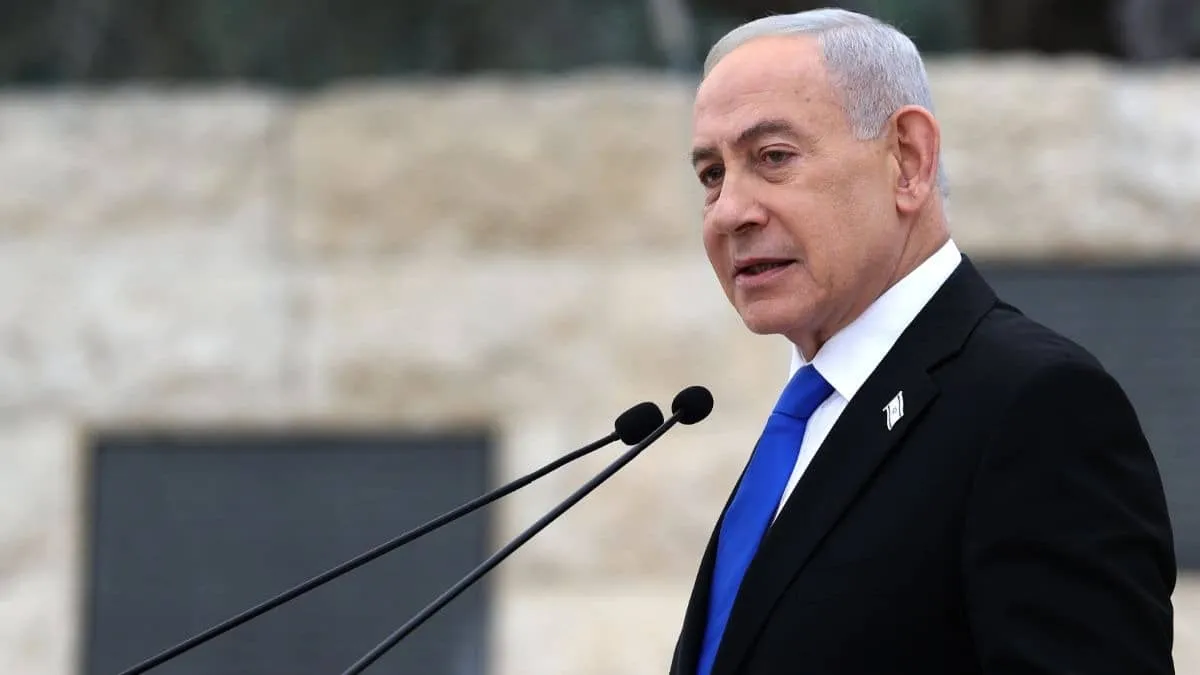
A senior Hamas official told Reuters that Izz al-Din al-Haddad, head of the group’s military wing, has died after Israeli airstrikes, a day after Israel said it targeted him. In Gaza City, witnesses reported that mosques announced his “martyrdom,” though Hamas has not officially confirmed. Israeli Prime Minister Benjamin Netanyahu and Defence Minister Israel Katz previously described Haddad as an architect of the October 7, 2023 attacks. The claim adds to tensions despite ongoing deadlocked indirect talks tied to a post-war plan for Gaza.
Gold fell to a more than one-week low on Friday, pressured by rising U.S. Treasury yields and a firmer dollar, which increase the opportunity cost of non-yielding bullion. The sell-off deepened as Middle East conflict sparked inflation concerns, lifting expectations for higher interest rates. Spot gold slid 2.6% to $4,527.80 per ounce, its lowest since May 5. Other precious metals also tumbled, with silver down 8.7% and on track for its worst day since March 3.
Your news, in seconds
Get the Beige app — every story in 60 words, updated hourly. Free on iOS & Android.
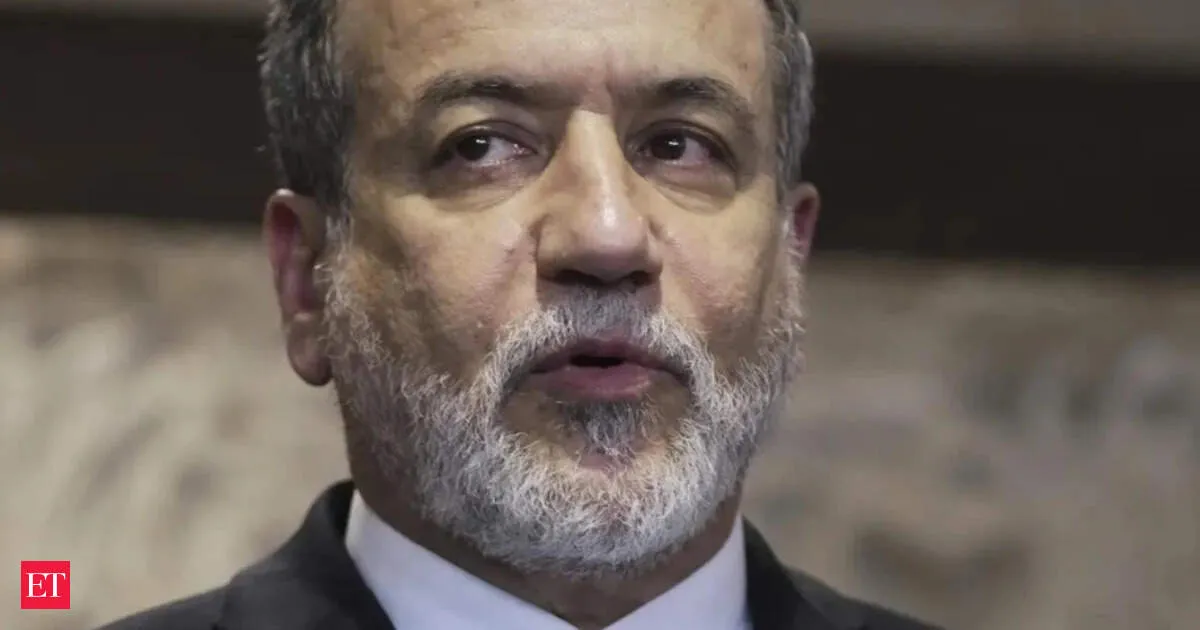
The UAE has rejected Iran’s accusations that Abu Dhabi plays an active role in the Middle East war, calling Tehran’s narrative an attempt to justify Iranian terrorist attacks. After Iran’s foreign minister told a Telegram audience that the UAE is a partner in aggression and warned that U.S. bases can’t ensure security, UAE minister Khalifa bin Shaheen Al Marar said the country has faced repeated attacks. He cited about 3,000 missile and drone strikes and stressed the UAE can deter aggression without external protection.
Iran’s foreign minister Abbas Araqchi said Tehran has “no trust” in the United States and will negotiate only if Washington is genuinely serious. Talks to end the Iran conflict are stalled after both sides rejected new proposals during Pakistan-mediated efforts. While Iran says vessels not at war with it may pass the Strait of Hormuz if they coordinate with Iran’s navy, Araqchi warned the situation remains “very complicated,” with Iran still prepared to resume fighting. Nuclear issues and Hormuz control are key hurdles.
Allied Blenders and Distillers, maker of Officer’s Choice whiskey, is leaning harder into premium and luxury spirits even as inflation concerns tied to the Middle East war linger. Managing Director Alok Gupta said the company is seeing strong double-digit growth in its Prestige & Above portfolio and a rising share in sales value, with profitability prioritized over mass volumes. P&A brands now make up about 47% of volumes and 58% of sales value, while margins are expected to expand to 300 bps by FY28.
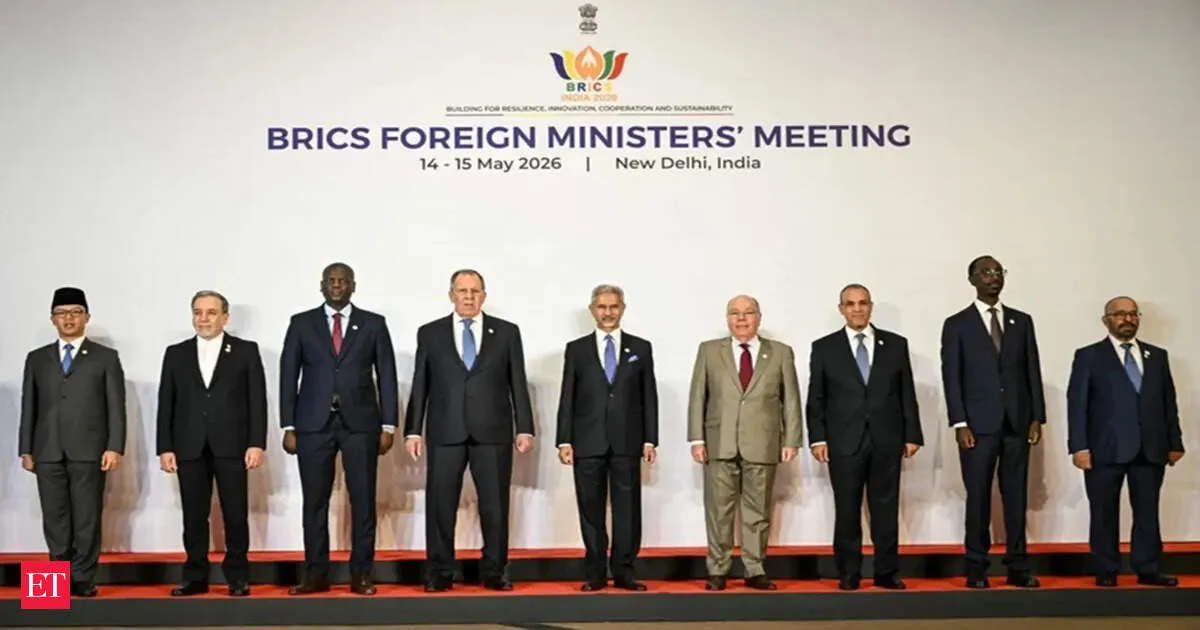
BRICS diplomats met in Delhi but failed to agree on a joint statement after two days of talks, forcing India to issue only a chair’s statement that laid bare deep divisions. The dispute centered on the Middle East conflict involving Iran, with Tehran accusing the UAE of direct involvement and blaming U.S. ally actions on Iranian soil. Iran said a BRICS member blocked parts of the final language. Despite gaps, BRICS reiterated calls for diplomacy, international law, and unity among the Global South.
Never miss a story
Set alerts for the topics and sources you care about. Download Beige for free.
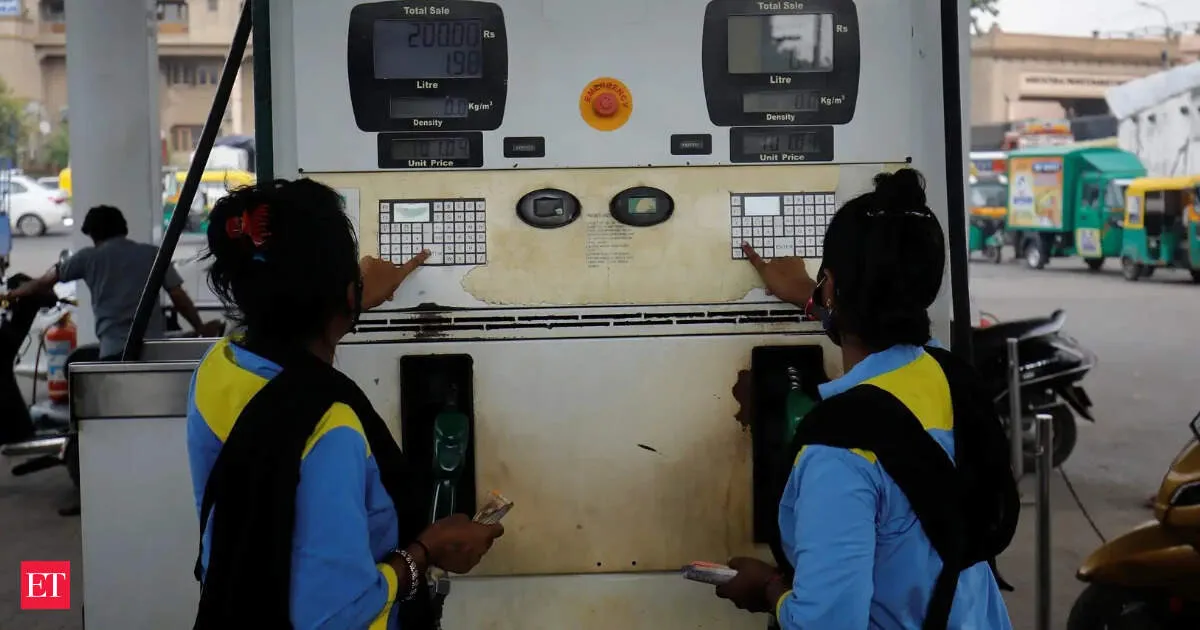
India’s state-run oil marketing companies raised petrol and diesel prices by roughly ₹3 per litre on Friday, the first increase in over four years. In Delhi, petrol climbed to ₹97.77 and diesel to ₹90.67 per litre. Economists say the move was expected as global crude prices surged amid the West Asia conflict and supply disruptions around the Strait of Hormuz. They caution that while the immediate inflation hit may be limited, higher transport and logistics costs could gradually raise prices of everyday goods.
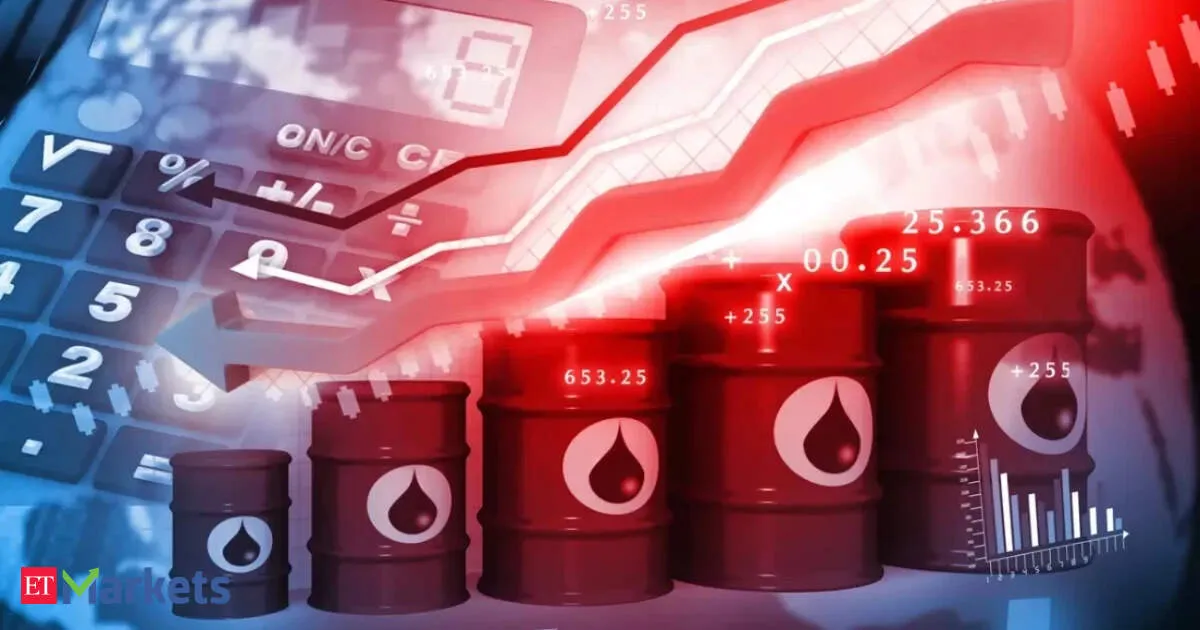
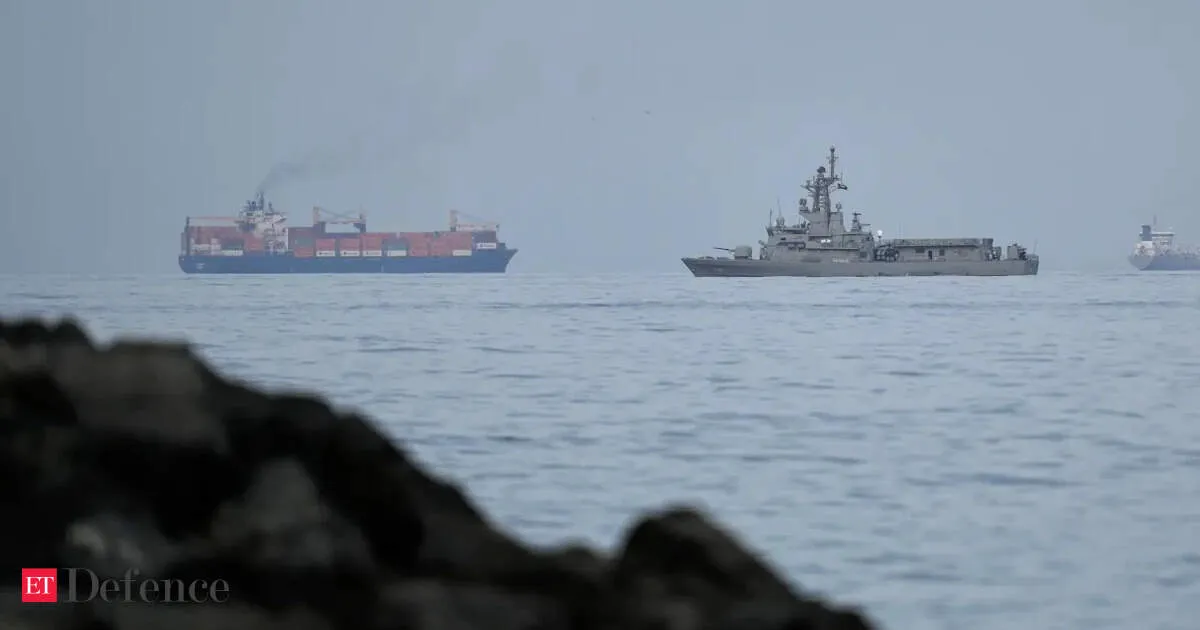
Oil prices climbed on Friday as fears of ship seizures and attacks persisted around the Strait of Hormuz, even with Iran claiming about 30 vessels passed since Wednesday evening. Brent futures rose 60 cents to $106.32 a barrel, while U.S. WTI gained 54 cents to $101.71. A ship reportedly seized by Iranian personnel off the UAE was reportedly headed for Iranian waters, and an Indian livestock-cargo vessel was sunk near Oman. Analysts cited tight supply as the main driver.
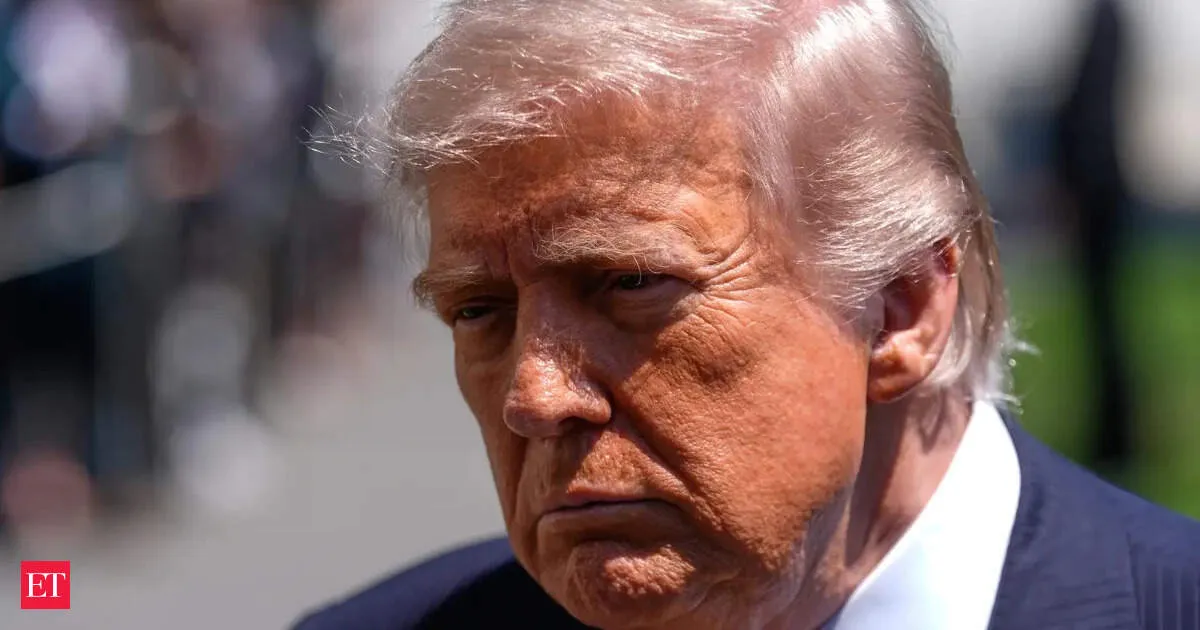
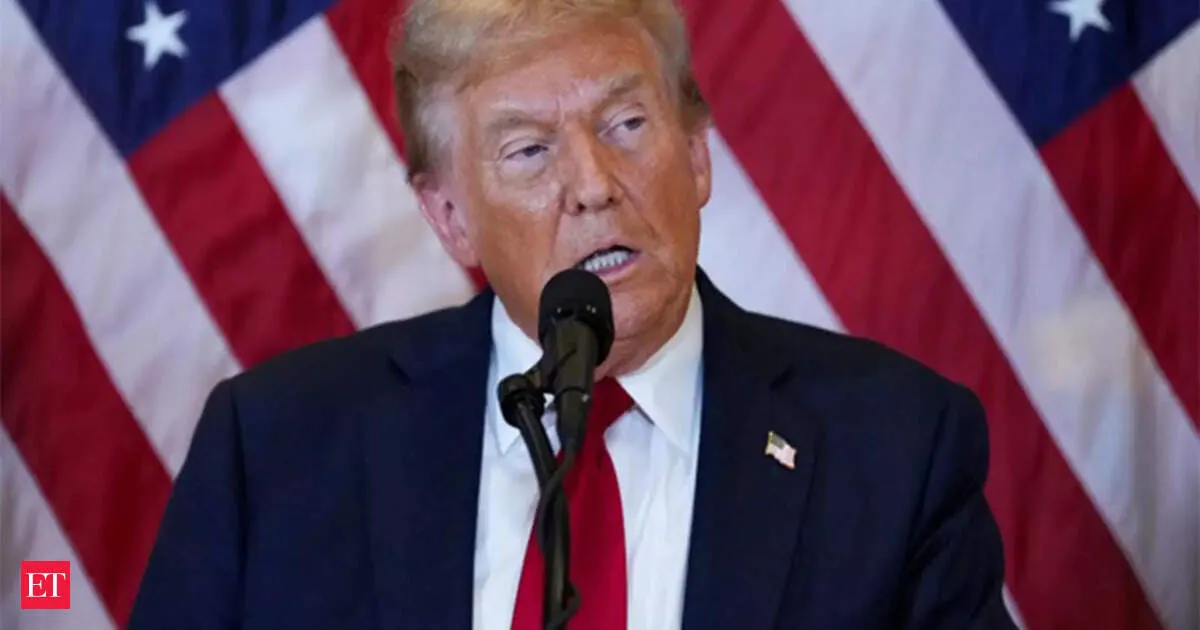
The U.S. House of Representatives narrowly defeated a Democratic-led resolution to halt President Donald Trump’s Iran war campaign unless Congress authorizes hostilities. The measure failed on a 212-212 tie, making it the closest possible outcome and the third House attempt this year. Democrats argue the Constitution reserves war-making authority for Congress, while Republicans and the White House defend Trump’s commander-in-chief powers. The Senate has also blocked similar efforts as votes have grown tighter.
Oil prices jumped more than $3 a barrel as U.S. and Iran failed to align on Washington’s peace proposal, leaving the Strait of Hormuz largely constrained and global supplies tight. Brent rose to about $104, while West Texas Intermediate climbed to roughly $99. President Donald Trump dismissed Iran’s reply as “unacceptable,” dashing expectations of an imminent ceasefire that could reopen oil transit. Market focus now shifts to Trump’s Beijing visit and whether China can pressure Tehran to reduce disruption.
Reading on mobile?
Open Beige in the app for a smoother experience — free on iOS and Android.
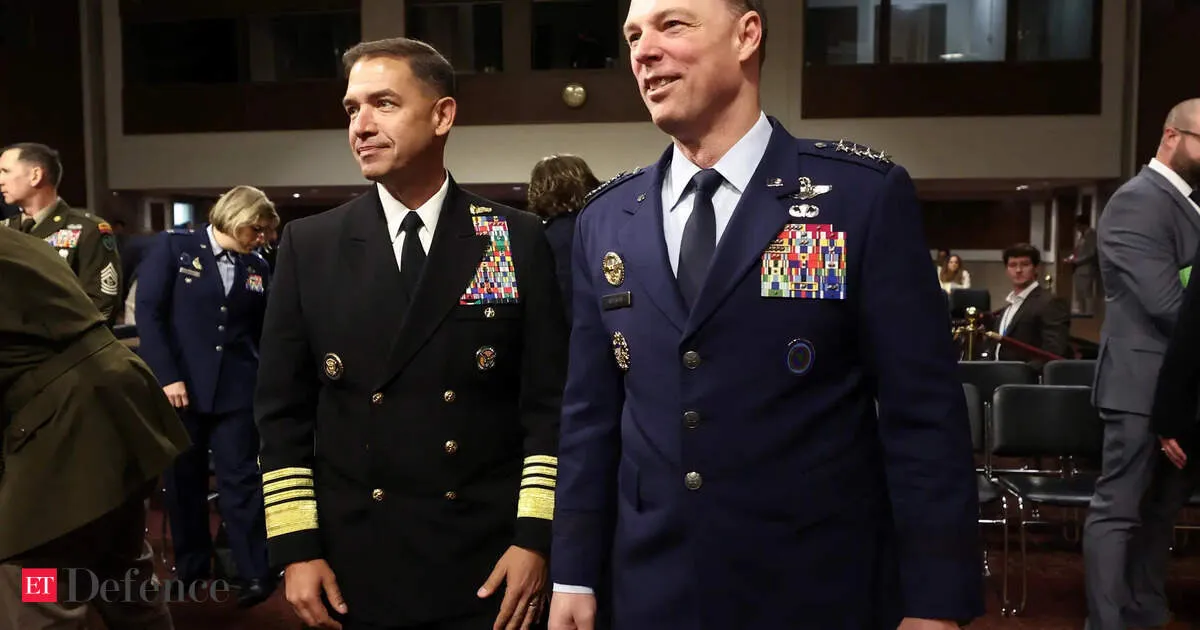
A senior U.S. admiral told a Senate committee that American bombings have dramatically reduced Iran’s ability to threaten neighbors and U.S. interests. Admiral Brad Cooper said Iran’s defense industry has been set back by roughly 90%, and that Tehran can no longer transfer arms and other resources to major regional allies, including Hezbollah in Lebanon, the Houthis in Yemen, and Hamas in Gaza. He also declined to directly respond to reports suggesting Iran still retains missile and drone capabilities.
Peace deal hopes with Iran dimmed after Donald Trump said any ceasefire is “on life support,” following Tehran’s rejection of a U.S. proposal. Iran’s negotiating list included halting fighting across fronts such as Lebanon, demanding compensation for damage, and ending a U.S. naval blockade—terms Trump dismissed as “garbage.” With the Strait of Hormuz effectively near-closed, shipping has slowed to a trickle, exports are curtailed, and Brent crude climbed above $104.50, intensifying global economic pressure.
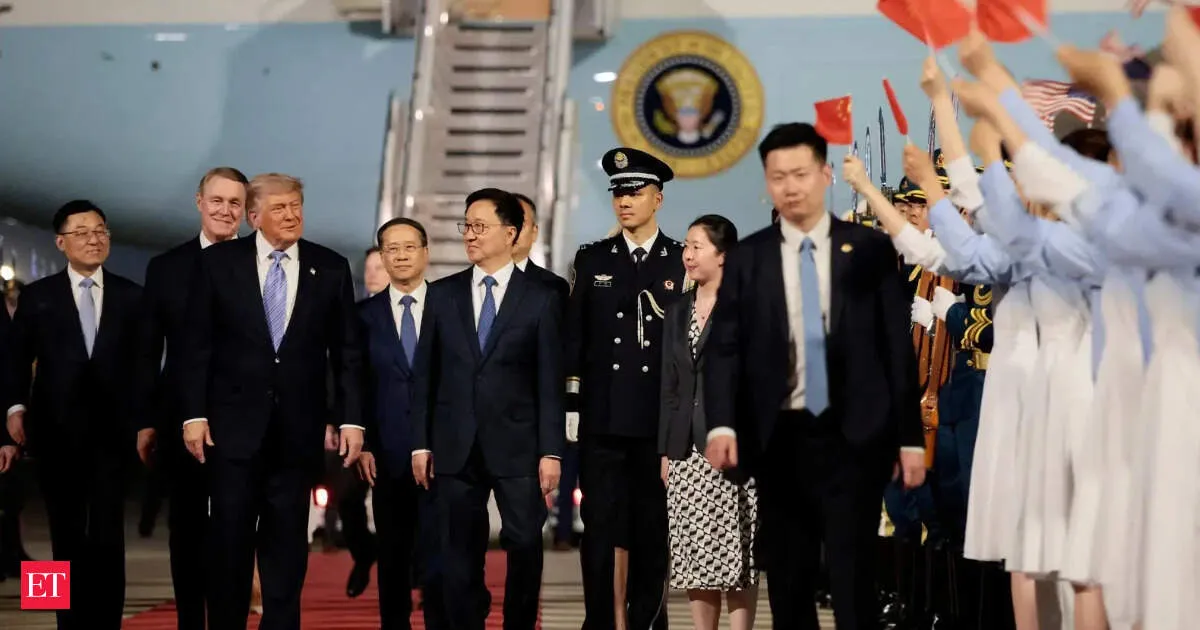
President Donald Trump is set to ask Xi Jinping for help ending the Iran conflict during talks this week, but analysts expect Beijing to offer only limited support. China may encourage Iran to return to negotiations, while resisting any move that would jeopardize its key economic and military links with Tehran, including dual-use supplies. The US has pressure tools like sanctions, yet experts warn the costs and potential retaliation are too high.
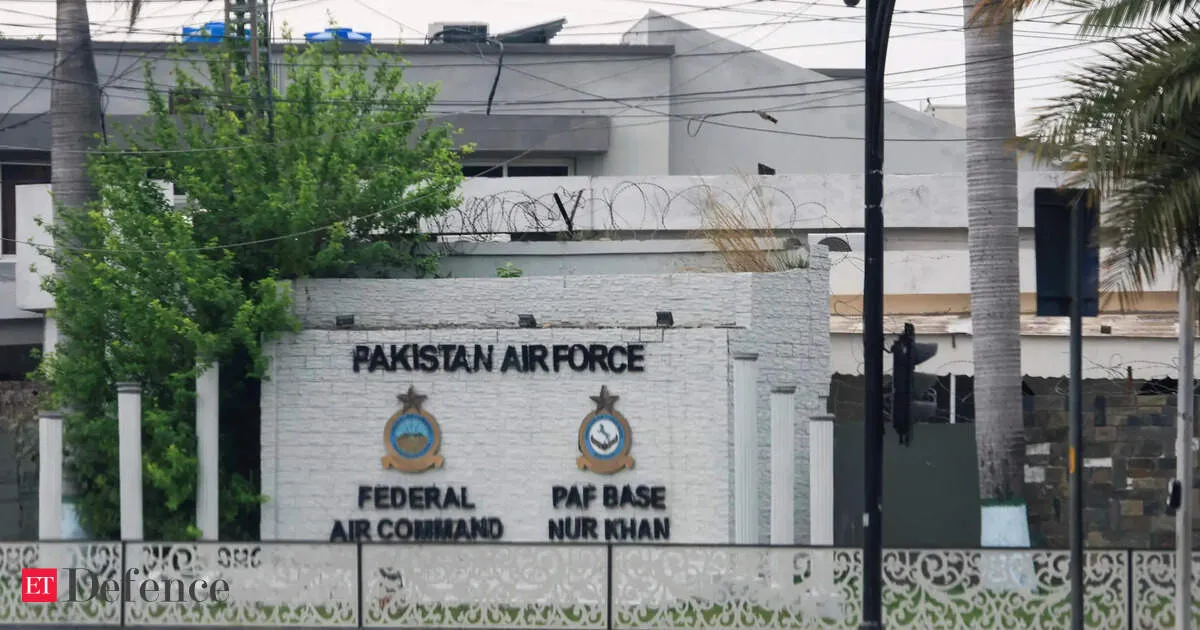
Pakistan has been trying to mediate an end to the US-Iran conflict, but CBS News citing US officials alleges it let Iranian aircraft use Pakistani airbases to reduce the risk of American strikes. The report says Iran moved both military and civilian planes for safety, including to Nur Khan airbase in April. Pakistan’s senior official rejected the claims, arguing Nur Khan is too public to conceal activity. Republican Senator Lindsey Graham urged a complete re-evaluation of Pakistan’s mediator role.
Follow your favourite sources
Track sources, tags and categories — all in the Beige app.
Global oil prices spiked Tuesday as Brent crude jumped above $105 a barrel, driven by renewed worries about the fragile US-Iran ceasefire and a sustained disruption at the Strait of Hormuz. The Strait has been effectively closed for around 70 days, raising the threat of a widening supply gap. Saudi Aramco’s warning of 100 million barrels lost weekly underscores how long the crunch could last. India, which imports nearly 90% of oil, faces rising costs, OMC cash hemorrhaging, and fresh pressure on the rupee and equities.
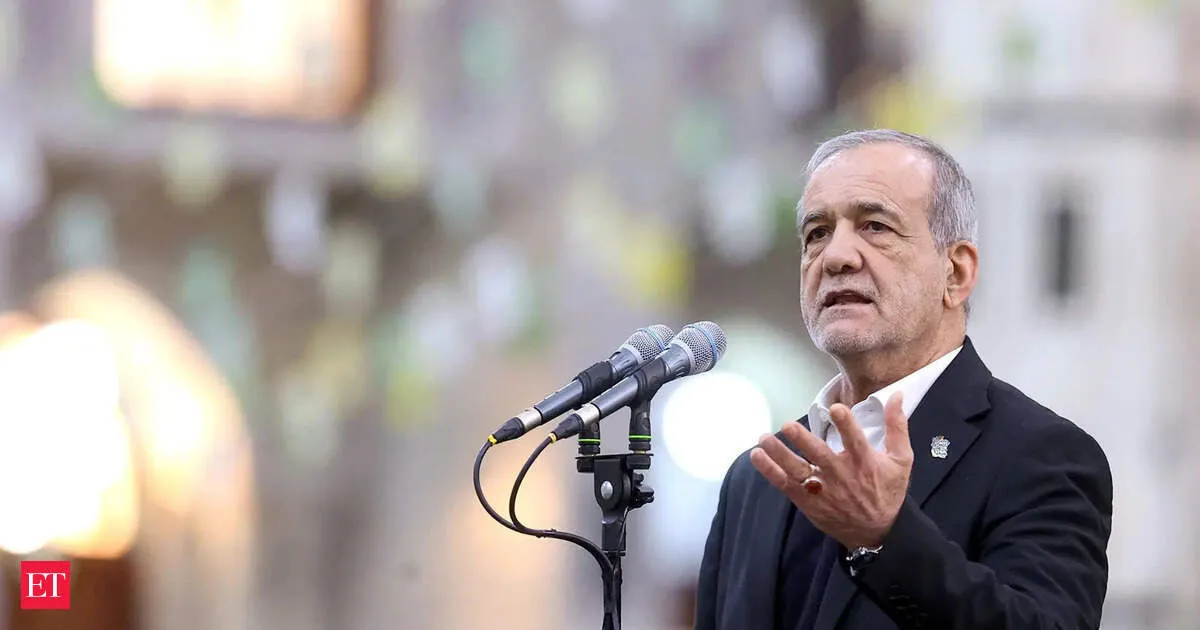
Iranian President Masoud Pezeshkian says dialogue with the United States does not mean surrender, stressing Tehran will not retreat on sovereignty or national rights. As a diplomatic step, Iran submitted its response to a US de-escalation proposal through Pakistani mediators, with talks aimed at ending regional war and restoring commercial shipping. But the tone turned tougher: Iran warned restraint is over, citing recent maritime strikes, issuing retaliation threats against US interests, and outlining a staged 14-point plan.
A fragile month-old ceasefire in the Iran war was tested again as a drone sparked a small fire on a commercial ship off Qatar and separate drones were reported entering UAE and Kuwait airspaces. The UAE blamed Iran for the incidents, while Kuwait said it responded to hostile drones. No casualties were reported. The episode comes as the U.S. seeks Iran’s response to a deal that would reopen the Strait of Hormuz, end shipping disruption, and curb Iran’s nuclear advances.
The UAE has rejected claims that Israeli Prime Minister Benjamin Netanyahu secretly traveled to the country during wartime to meet President Sheikh Mohammed bin Zayed. The UAE foreign ministry called the reports “entirely unfounded,” disputing a statement from Netanyahu’s office. The denial raises questions about who is driving the narrative amid heightened regional tensions.
Stay informed on the go
Bite-sized news from 100+ trusted sources, right in your pocket.
Oil prices rose slightly as investors waited for a Trump-Xi delegation-level meeting in Beijing, with traders tracking escalation risks from the Iran war. Brent and WTI edged higher. Gold climbed alongside a weaker dollar, while U.S. inflation pressures and Middle East uncertainty supported demand—pushing Indian gold discounts to a record.
A Hormuz-area shutdown tied to the Iran war is accelerating the global drawdown of oil inventories, worsening supply disruptions expected to last months. The IEA warns stocks are falling at a pace not seen since the Covid period, while demand is plunging and oil prices face sustained pressure. Some early signs hint the drawdown may start easing, but tightness could persist into October.
Swipe through stories, personalise your feed, and save articles for later — all on the app.