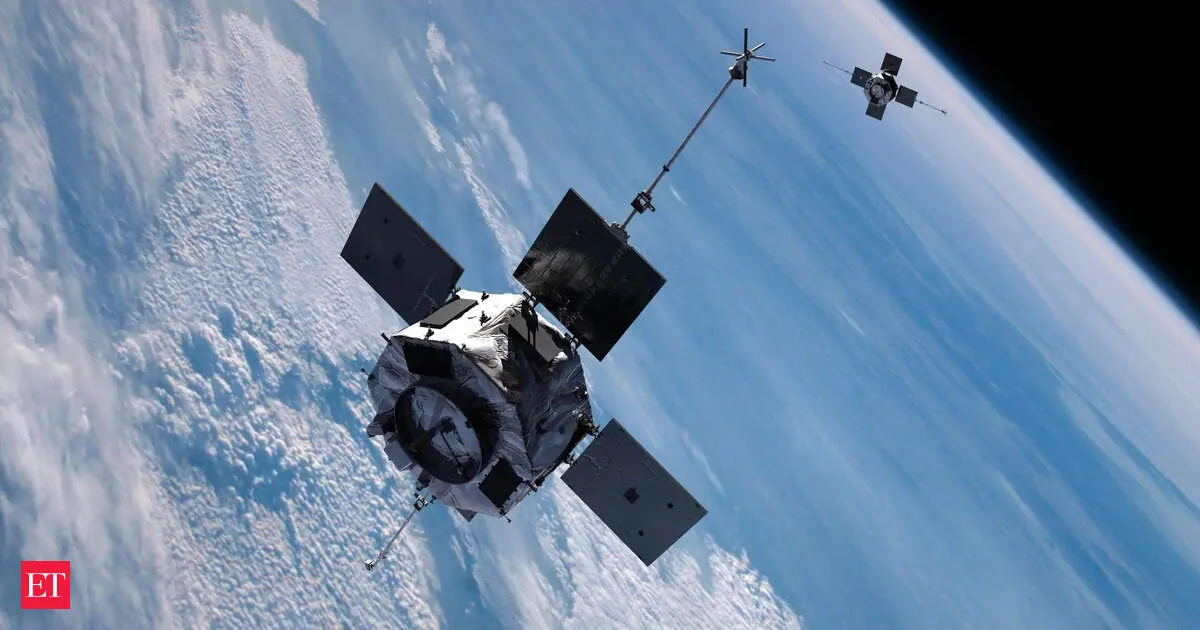
NASA’s Psyche spacecraft is making a high-speed practice swing past Mars to harness a gravity boost toward a rare metal asteroid. Named after the target, the robotic explorer will perform a slingshot at about 12,333 mph, snapping thousands of images along the way. The main rendezvous is planned for 2029, turning Mars flyby data into mission-critical prep.
Artemis II’s Orion capsule, named “Integrity,” opened its heavy hatch after splashdown in the Pacific, signaling the end of the historic Moon mission. Astronaut Reid Wiseman shared a rare onboard video showing the emotional first moments as the crew was greeted by Navy recovery divers and the Earth recovery team, captured from within the spacecraft itself.
Your news, in seconds
Get the Beige app — every story in 60 words, updated hourly. Free on iOS & Android.
NASA’s Perseverance rover has released a stunning 360-degree natural-color panorama from the rim of Jezero Crater, a spot nicknamed “Crocodile Bridge.” Built from 980 photos, the image highlights some of the oldest rocks in the solar system and is expected to sharpen scientists’ understanding of Mars’ early geological past and hidden history.
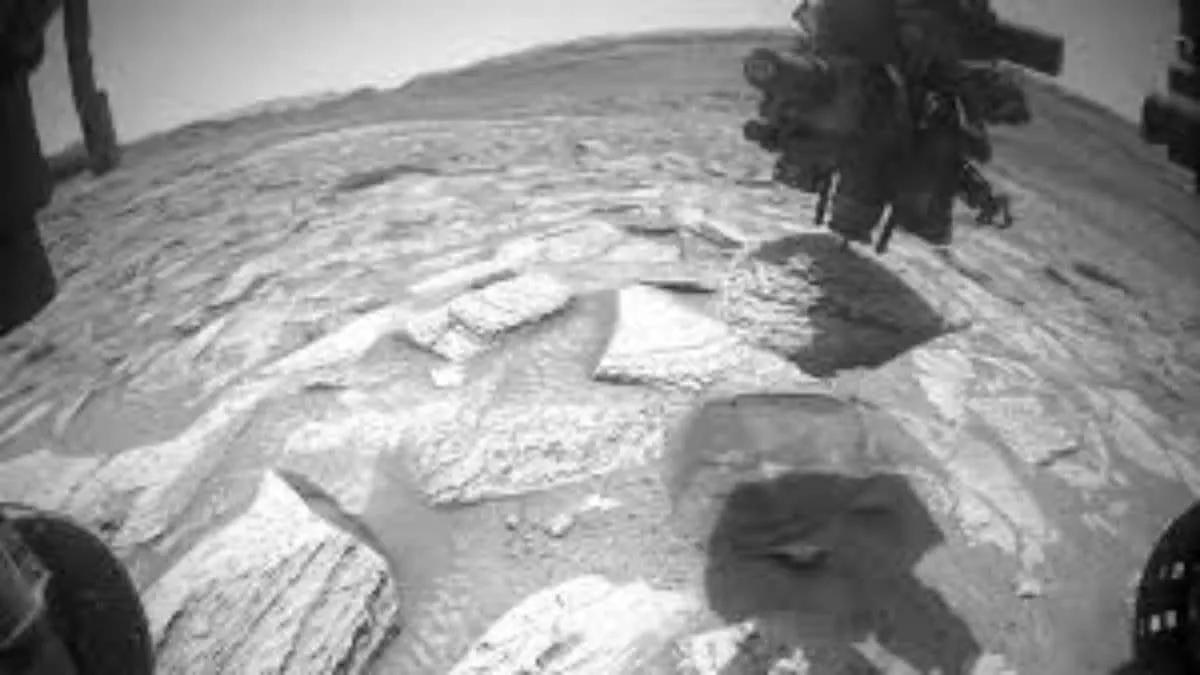
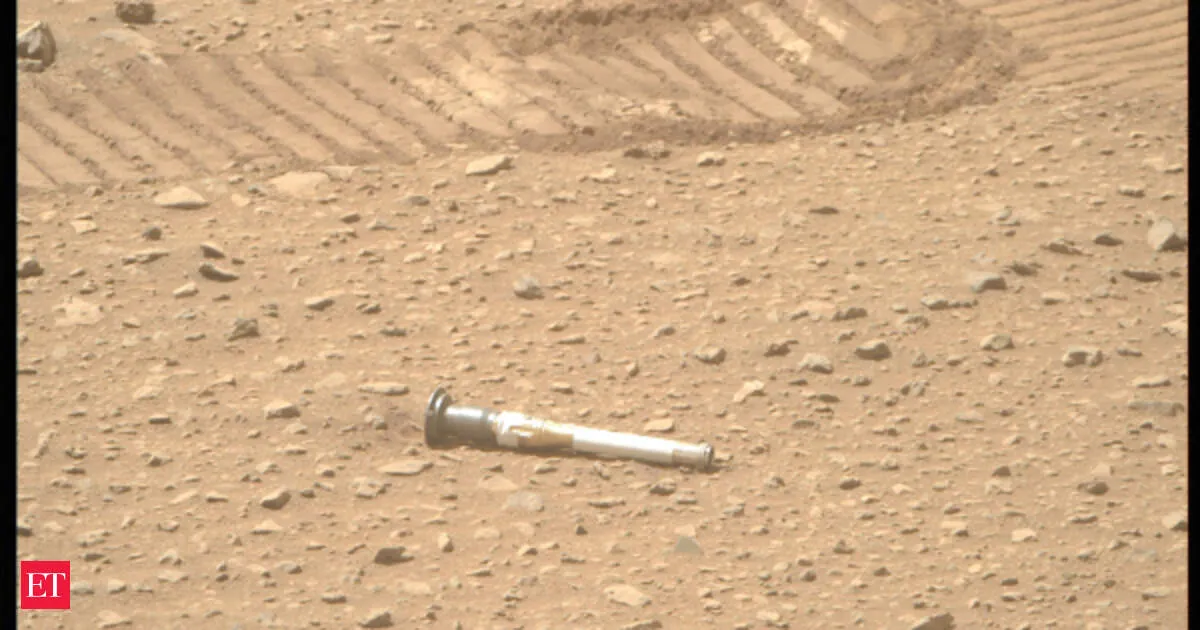
NASA’s Curiosity rover hit a rare “hostage” scenario on Mars when a massive rock called Atacama became stuck to its drill arm. The sampling mission effectively paused for nearly a week after the drill couldn’t retract or reposition, forcing controllers to wait out the complication before resuming operations.
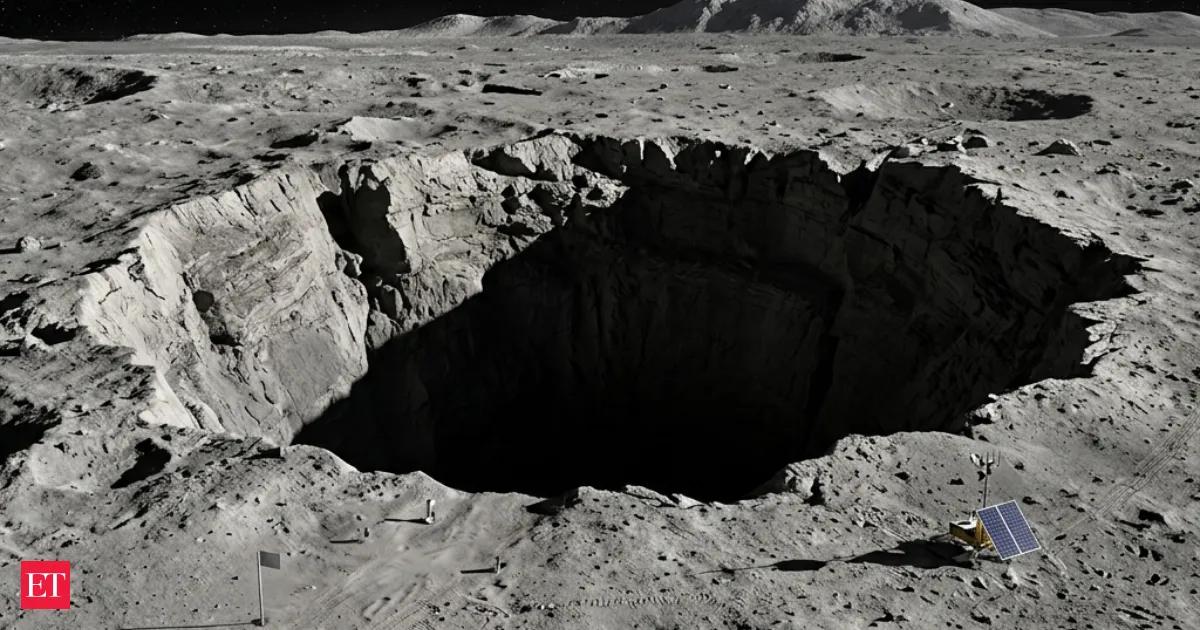
Scientists are turning to lunar lava tubes as promising shelter sites for future astronauts. These underground tunnels can offer strong protection from harmful radiation and extreme temperature swings. Researchers also suspect the tubes may hold valuable resources such as water ice, which could support long-term missions. With underground habitats potentially more practical than surface bases, study efforts are accelerating.
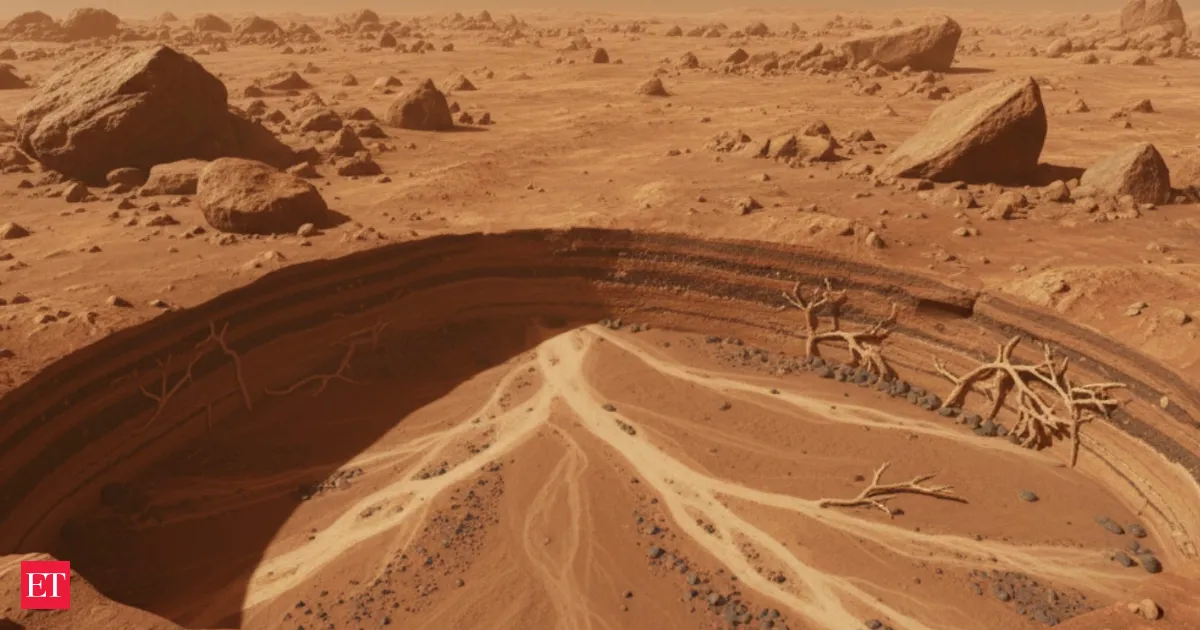
NASA’s Perseverance rover has found a buried river delta beneath Mars, with sediment layers showing water flowed long enough to deposit material repeatedly. Instead of a planet briefly wet in isolated bursts, Mars likely cycled through multiple sustained wet periods. The result rewrites its ancient climate story and strengthens the hunt for past life.
Never miss a story
Set alerts for the topics and sources you care about. Download Beige for free.
During NASA’s historic Artemis II lunar flyby, Commander Reid Wiseman’s crew made an unexpected choice: naming a moon crater after his late wife, Carroll Taylor. Wiseman said it wasn’t the plan, but the gesture felt right. His daughters watched the moment from Mission Control, as the mission also shattered distance records and grabbed mainstream attention.
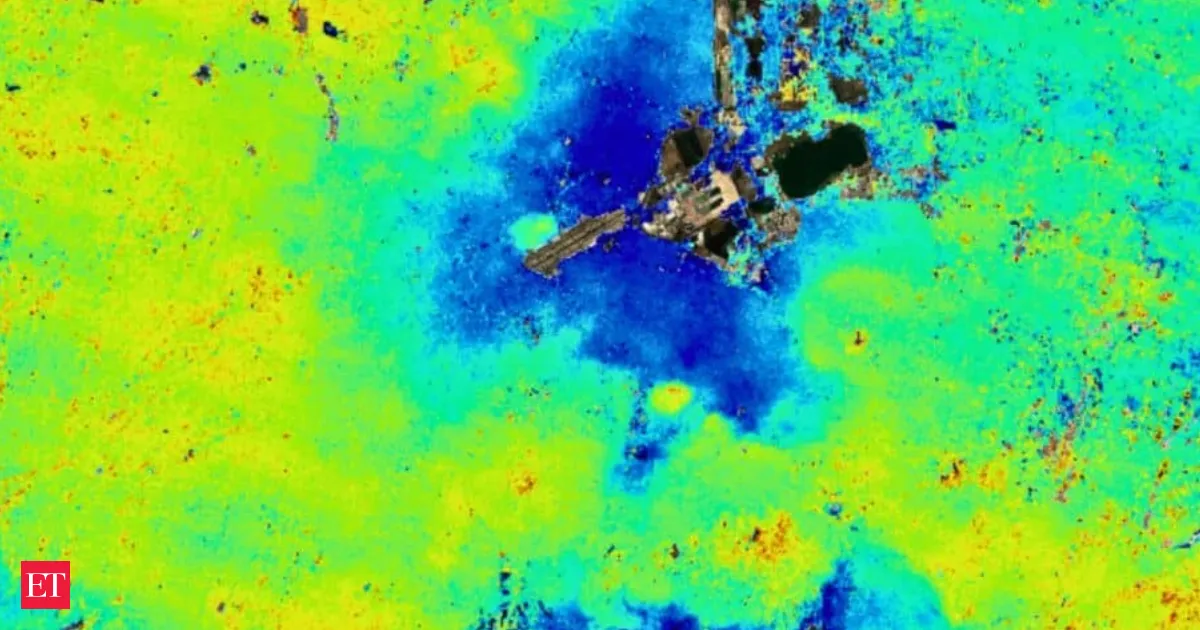
NASA’s NISAR satellite has captured troubling new measurements of Mexico City’s ground collapse, with some areas dropping nearly half an inch every month. The long-running sinking trend, worsened by groundwater extraction and rapid urbanization, is now being tracked with dual-frequency radar for sharper, neighborhood-level data. The findings could guide mitigation and safer urban planning.
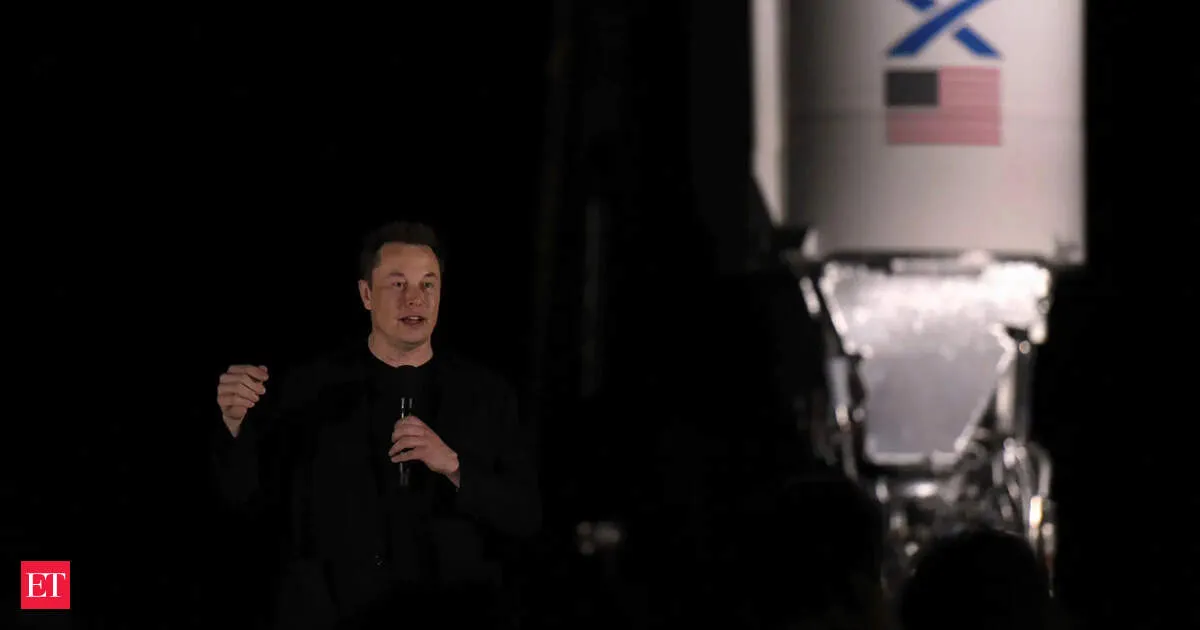
Elon Musk’s SpaceX origin story goes back to 2001, when an attempted rocket purchase from Russia fell through. Instead of giving up, Musk pivoted from buying to building, setting the stage for SpaceX’s 2002 launch. After years of setbacks, the company evolved into a major NASA partner focused on making space travel more affordable.
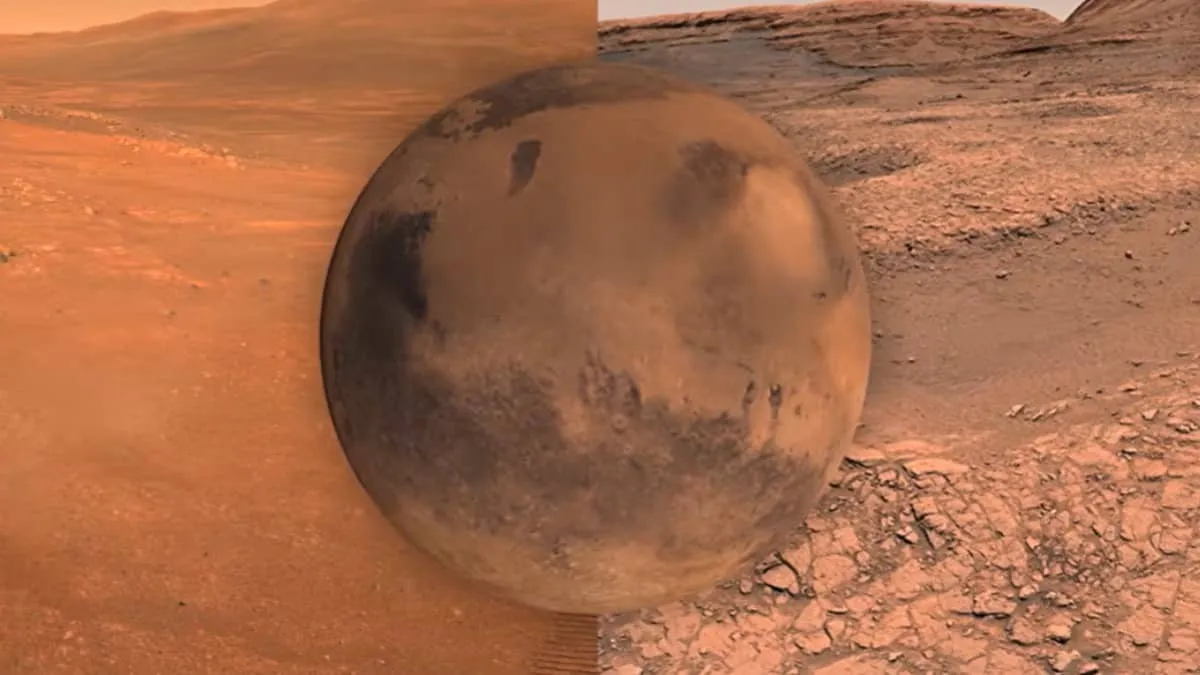
NASA’s Curiosity and Perseverance rovers have shared two stunning 360-degree panoramas captured from opposite sides of Mars. The views stitch together the planet’s violent past, ancient water landscapes, and the lingering mystery of whether microbial life ever took hold. By exploring “time-traveling” layers of history, the rovers aim to narrow where life’s clues might still remain.
Reading on mobile?
Open Beige in the app for a smoother experience — free on iOS and Android.
NASA has slipped Artemis III to no earlier than late 2027, extending delays for its next crewed Moon mission. The setback stems from technical problems across the mission chain, including lunar landing system issues tied to SpaceX and Blue Origin, cryogenic fuel storage challenges, and concerns around Orion’s heat shield readiness.
US President Trump signaled that NASA could attempt a Moon landing before his term ends while meeting the Artemis 2 crew. The comments blend political timing with the realities of deep-space engineering, with Trump also asking whether the office itself allows a president to go to space. The remark follows the crew’s historic mission milestones.
A Mars image that looked like a perfect square from a 2001 NASA flyover sparked speculation about artificial structures. But later, sharper views from the Mars Reconnaissance Orbiter revealed the “square” was actually an uneven cliff face. The lesson: angles and lighting can turn ordinary terrain into baffling shapes that go viral fast.
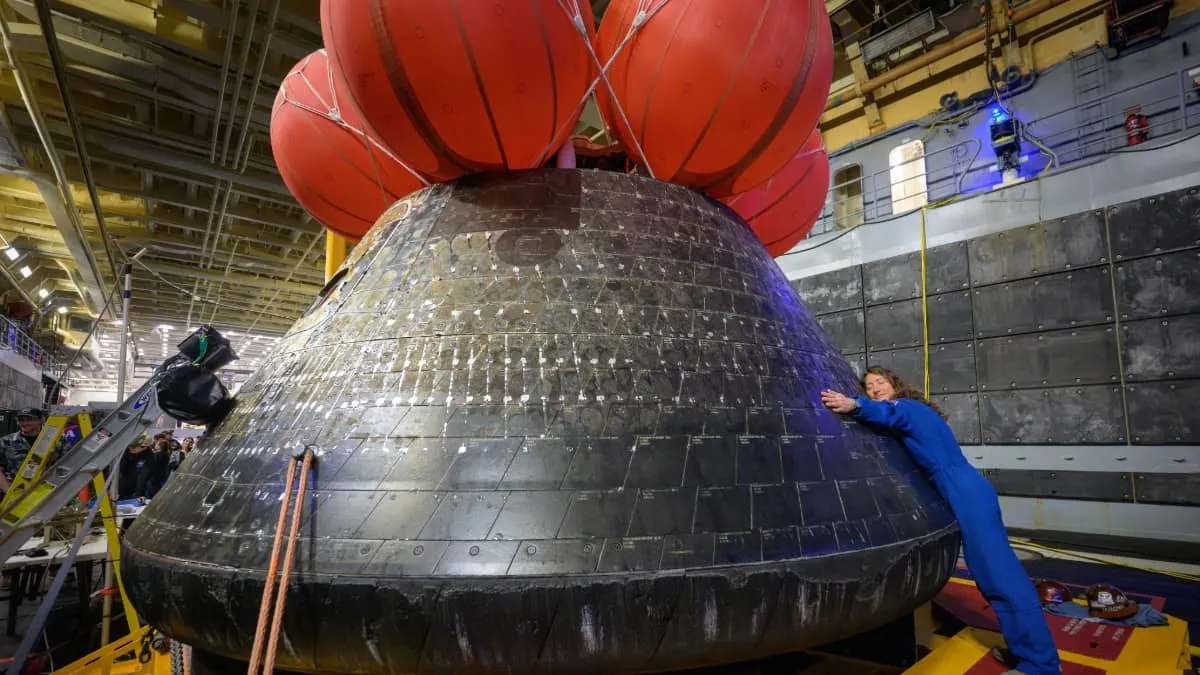
NASA’s Artemis II crew module has returned to Florida’s Kennedy Space Center nearly a month after launching on the first crewed lunar mission in over 50 years. The capsule, carrying four astronauts who orbited the Moon, is now back at its start point for post-mission processing and analysis, marking another milestone in the Artemis program’s push toward sustained exploration.
Follow your favourite sources
Track sources, tags and categories — all in the Beige app.
The Artemis II Orion capsule has returned to Florida after completing a historic crewed lunar mission, and NASA says its heat shield is performing even better than it did during Artemis I. At the same time, Artemis III progress continues: the SLS rocket’s core stage and boosters have arrived, with a 2027 launch planned to test key lunar landing technologies.
NASA has released a striking new composite image of the Pinwheel Galaxy Messier 101, combining observations from the Hubble Space Telescope and the James Webb Space Telescope. Roughly 25 million light-years away, the 170,000-light-year wide spiral galaxy appears in multi-wavelength detail, highlighting a vast stellar population estimated at nearly one trillion stars.
This Earth Day, NASA launched an interactive experience called “Your Name in Landsat.” Type your name and the tool generates it using actual satellite imagery, with each letter formed from natural landscapes captured from space. The result is a visually striking, personalized view of Earth that turns geography into typography—showing how Landsat data can create art from real data.
Astronomers say Comet 3I/Atlas is an interstellar visitor likely among the oldest ever confirmed, possibly dating back about 11 billion years. Traced to a cold, isolated part of the Milky Way that hadn’t yet formed a solar system, it arrived harmlessly after being discovered last summer. Multiple telescopes tracked it as it passed Mars and approached Earth in late 2024.
Stay informed on the go
Bite-sized news from 100+ trusted sources, right in your pocket.
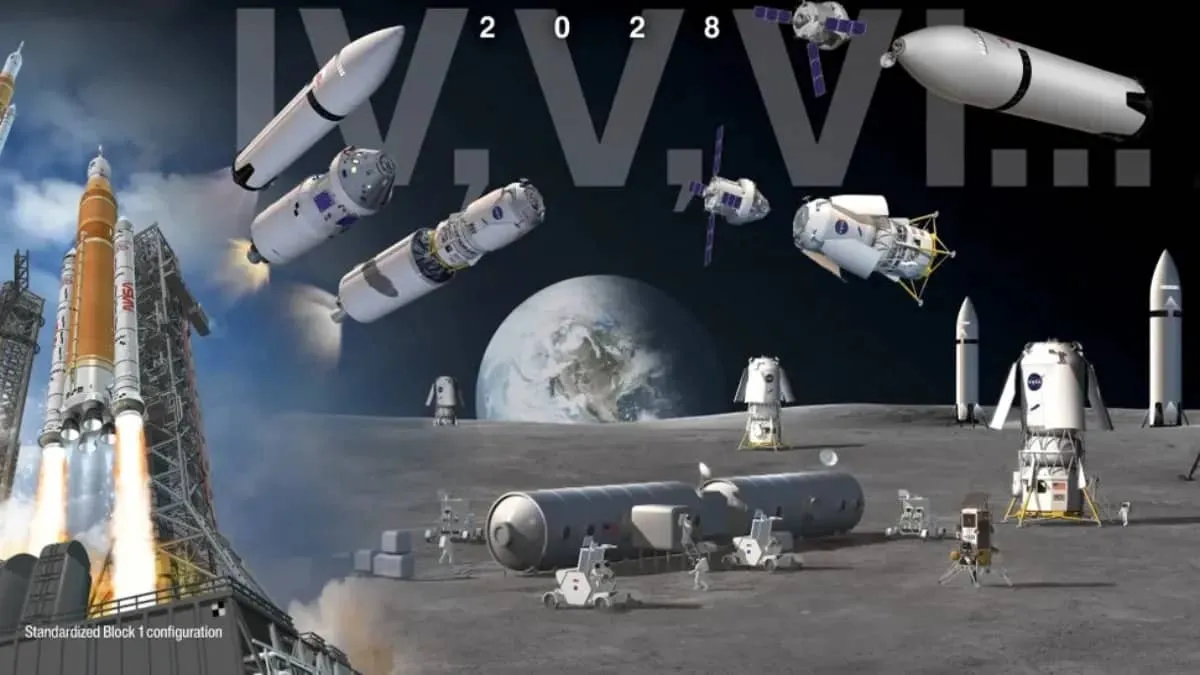
NASA has cleared its Artemis moon rocket for an April launch, setting up humanity’s first lunar trip in more than 50 years. Artemis II was delayed after fuel leak and helium system issues. Now, incoming administrator Jared Isaacman is overhauling the program and moving the moon landing goal to Artemis IV to target 2028.
NASA’s Artemis II is scheduled to launch Wednesday with three men and one woman, the first crewed journey to the Moon since 1972. The mission is designed to kick off a new era of American lunar exploration, amid global pressure and comparisons to China’s goal of landing humans on the Moon by 2030.
Swipe through stories, personalise your feed, and save articles for later — all on the app.