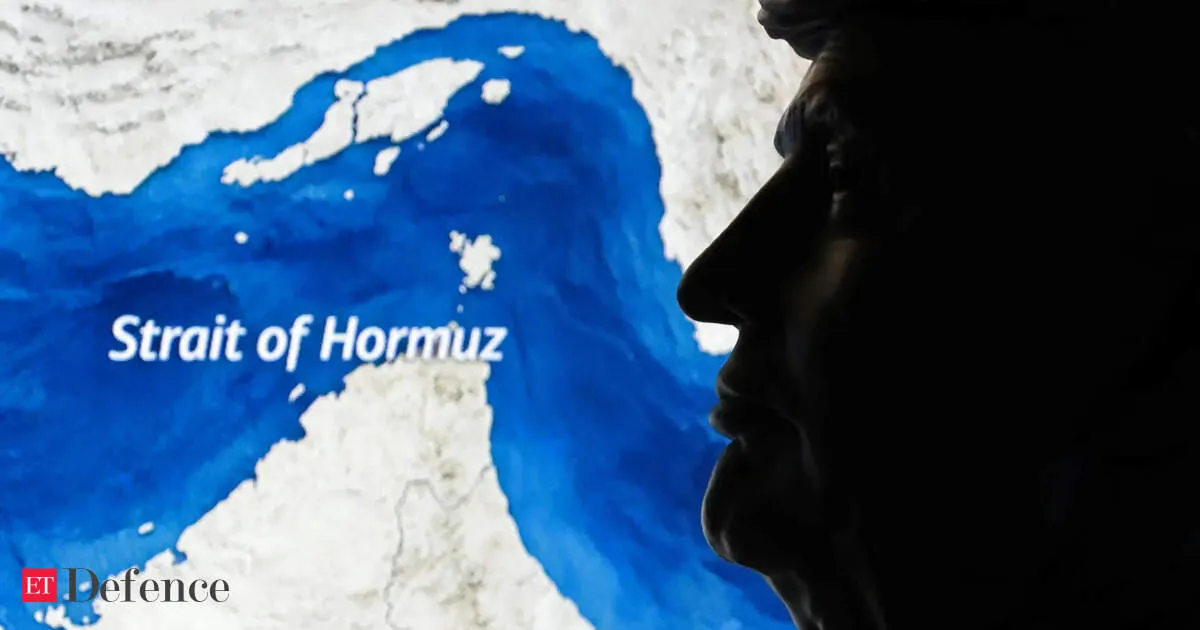
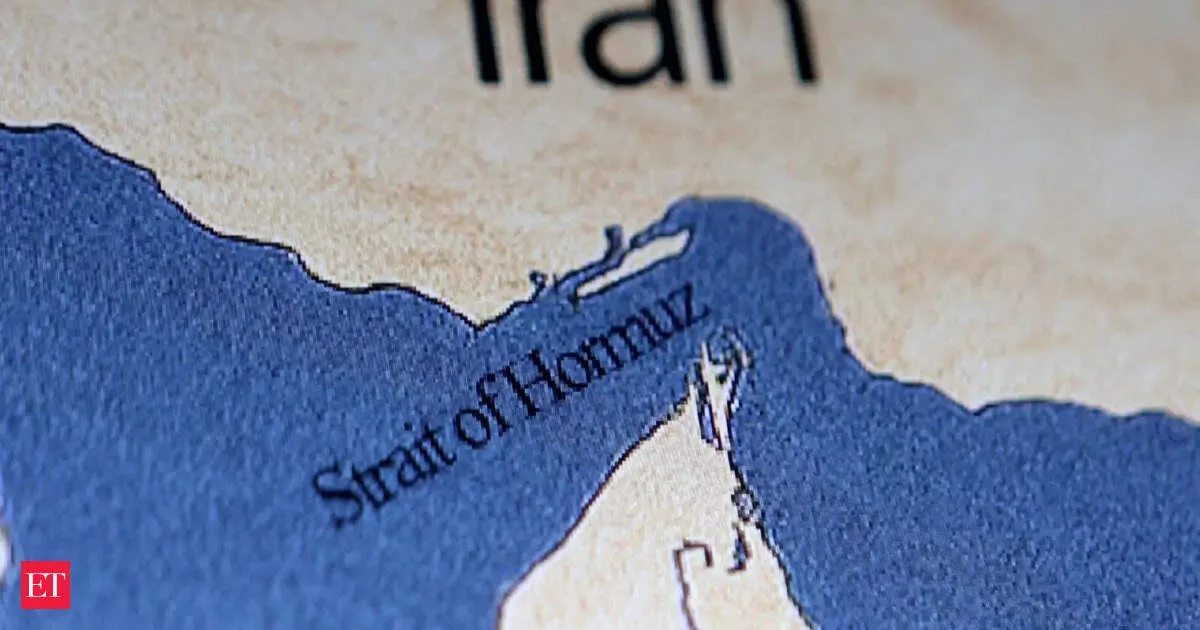
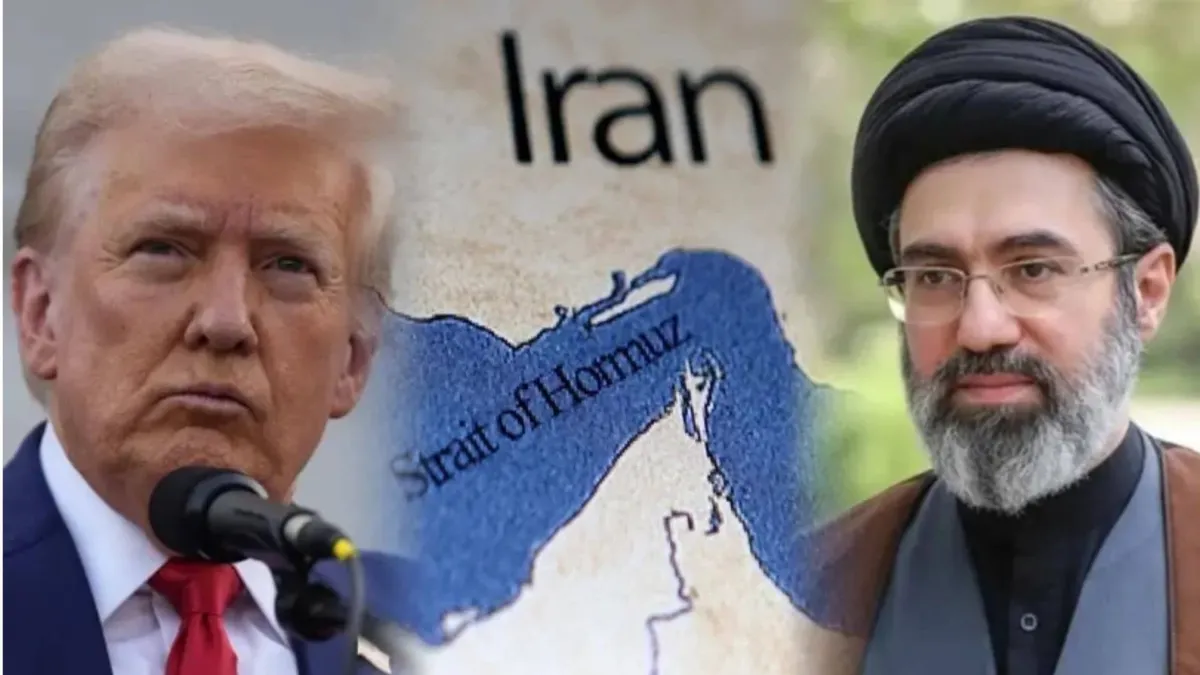
Despite a proposed path to end the war, US and Iran remain locked in rising Gulf tensions after renewed clashes tested a fragile ceasefire. US officials say their intelligence points to Iran’s ability to withstand a naval blockade for months. The UAE has also been targeted, and Washington is still waiting for Iran’s response to the latest offer.
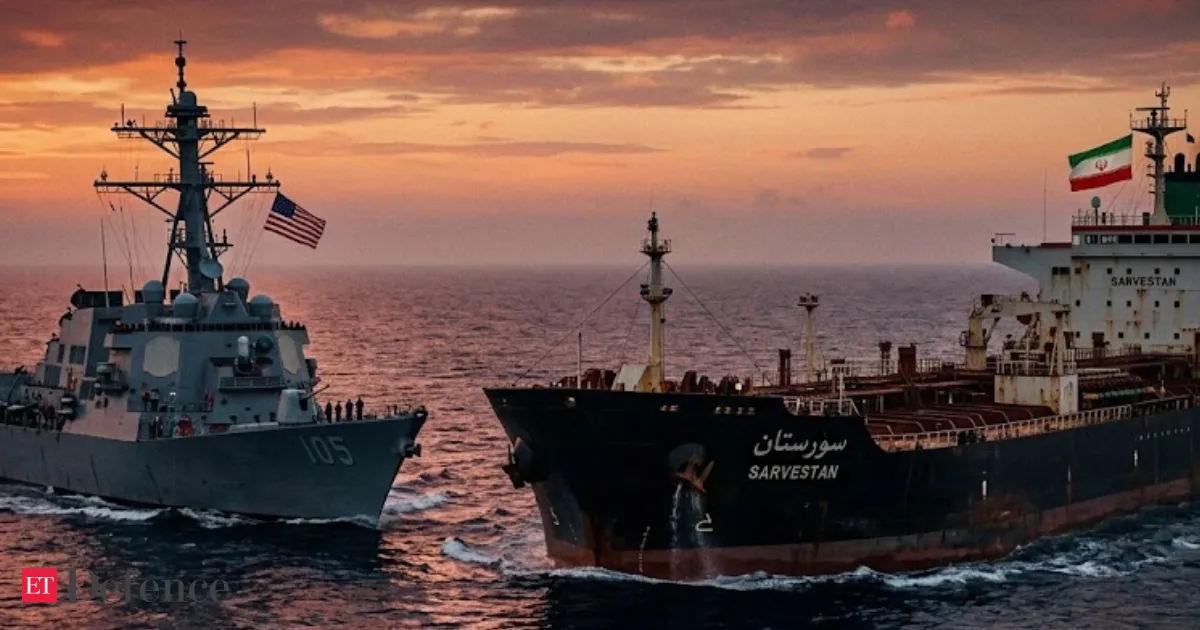
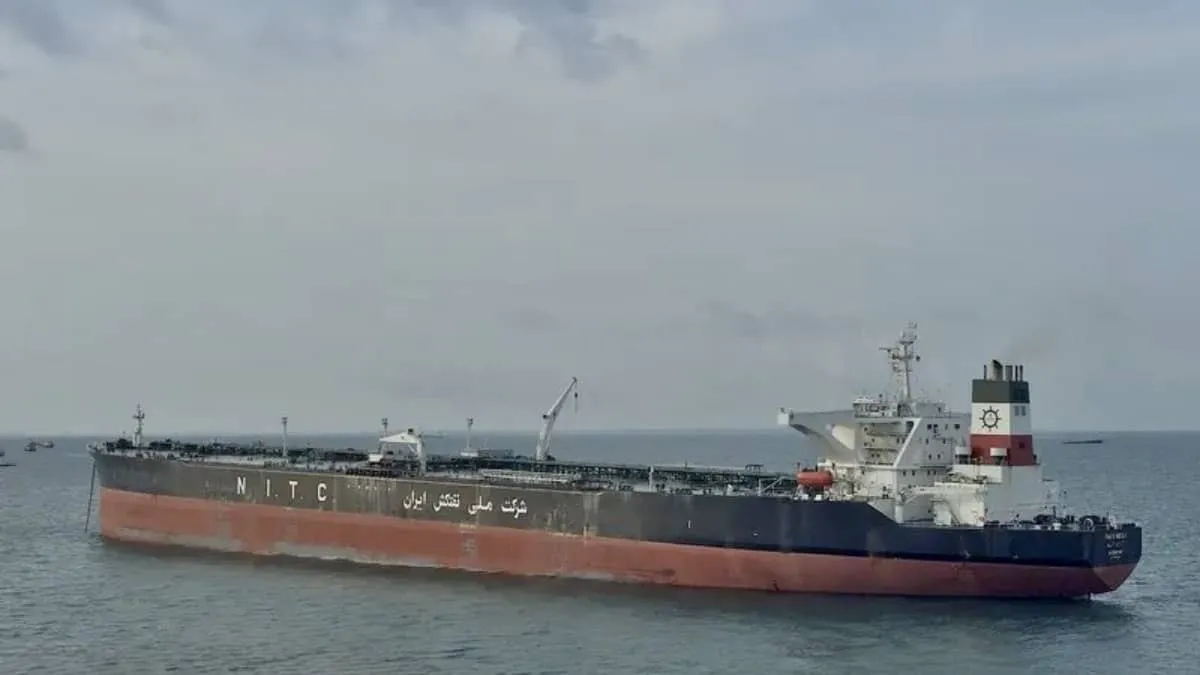
A US fighter jet damaged the rudder of an Iranian-flagged oil tanker in the Gulf of Oman on Wednesday, alleging the vessel tried to breach a US blockade. The strike came even as an official ceasefire was in place and negotiations for a war-ending agreement continued. US Central Command says several warnings were issued before the action.
Your news, in seconds
Get the Beige app — every story in 60 words, updated hourly. Free on iOS & Android.
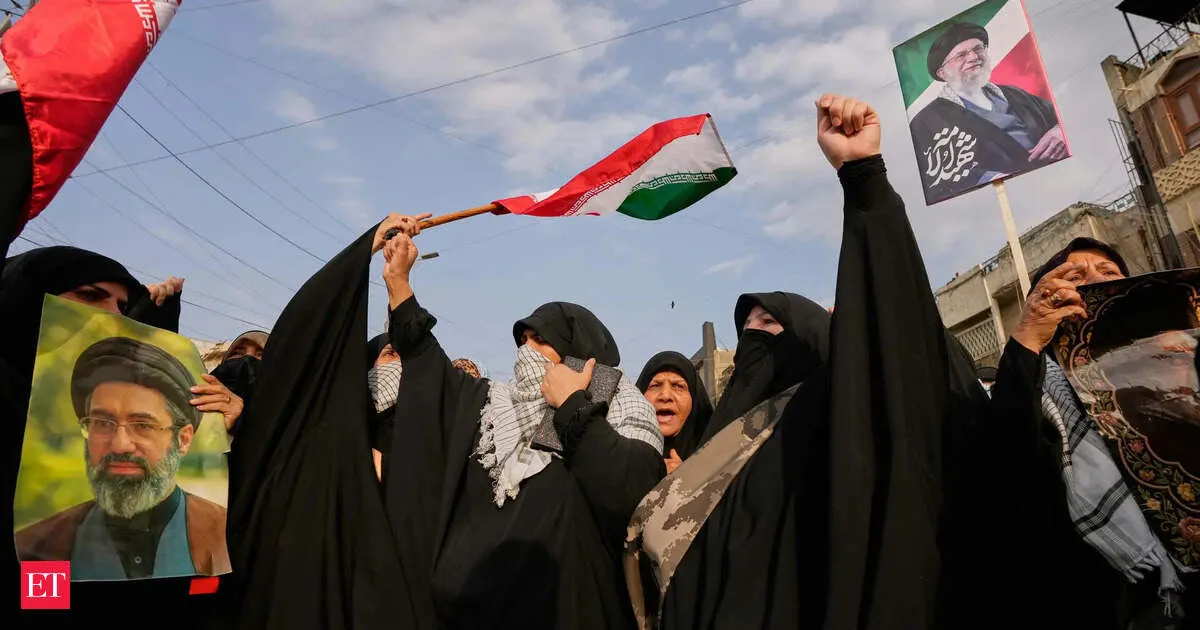
Iran’s top negotiator Mohammad Bagher Ghalibaf says the US is trying to force Tehran to “surrender” through layered tactics. In a Telegram voice message, he cites a suspected naval blockade alongside economic pressure and “media manipulation” aimed at weakening national cohesion. The remarks raise tensions as Washington and Tehran remain locked in competing narratives over pressure and maritime actions.
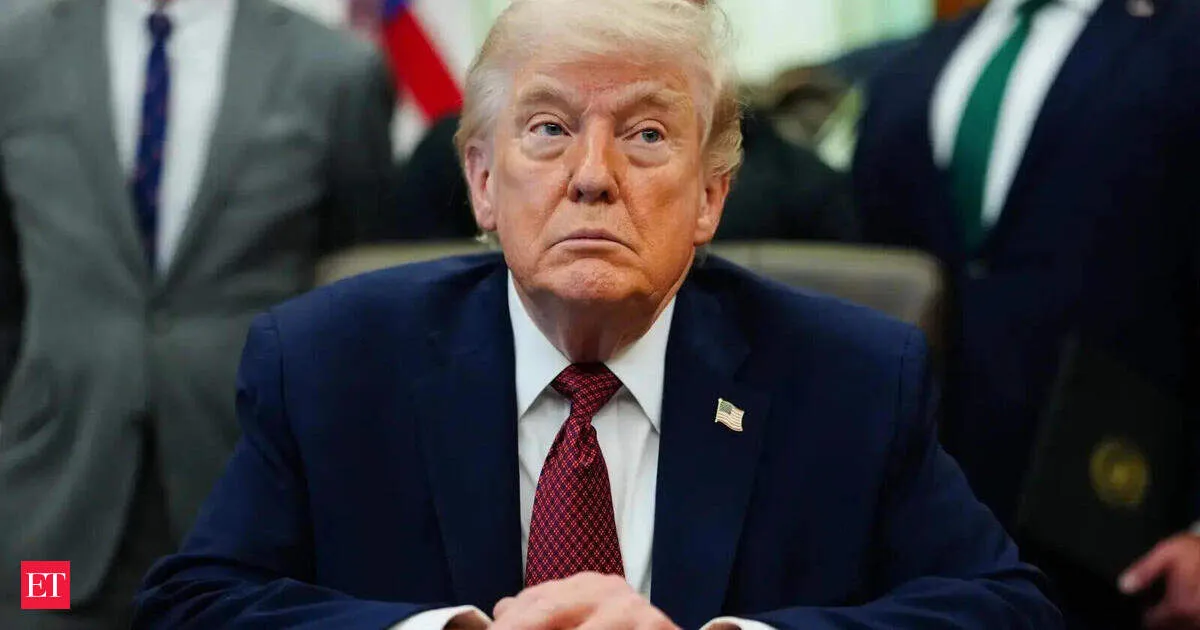
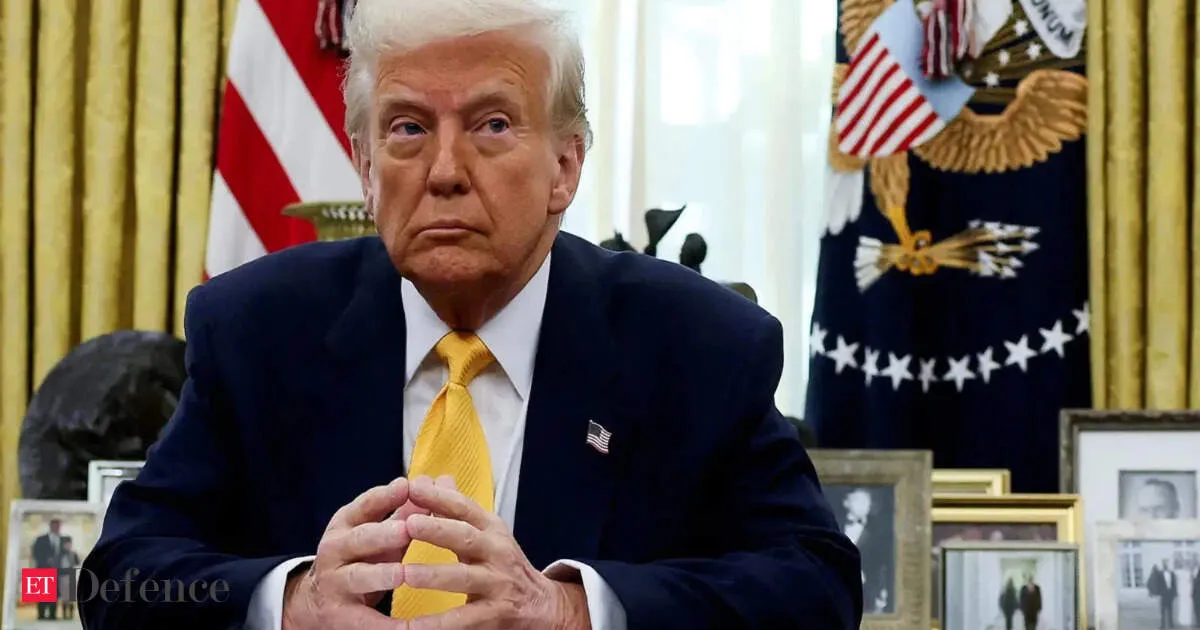
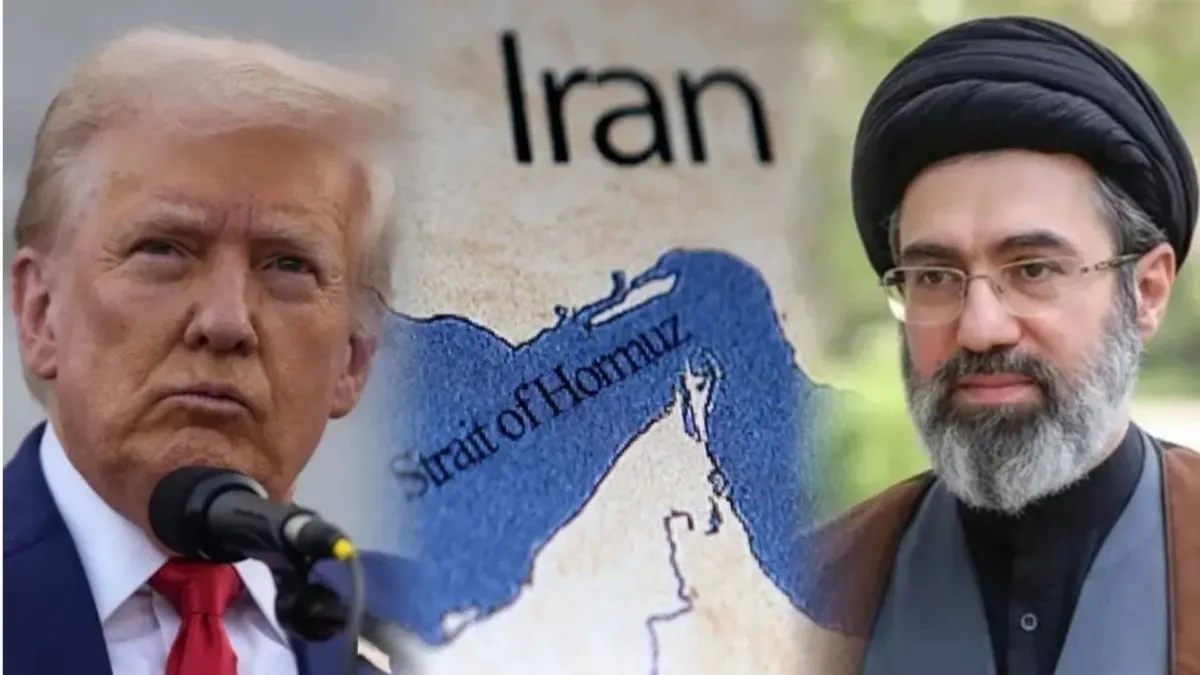
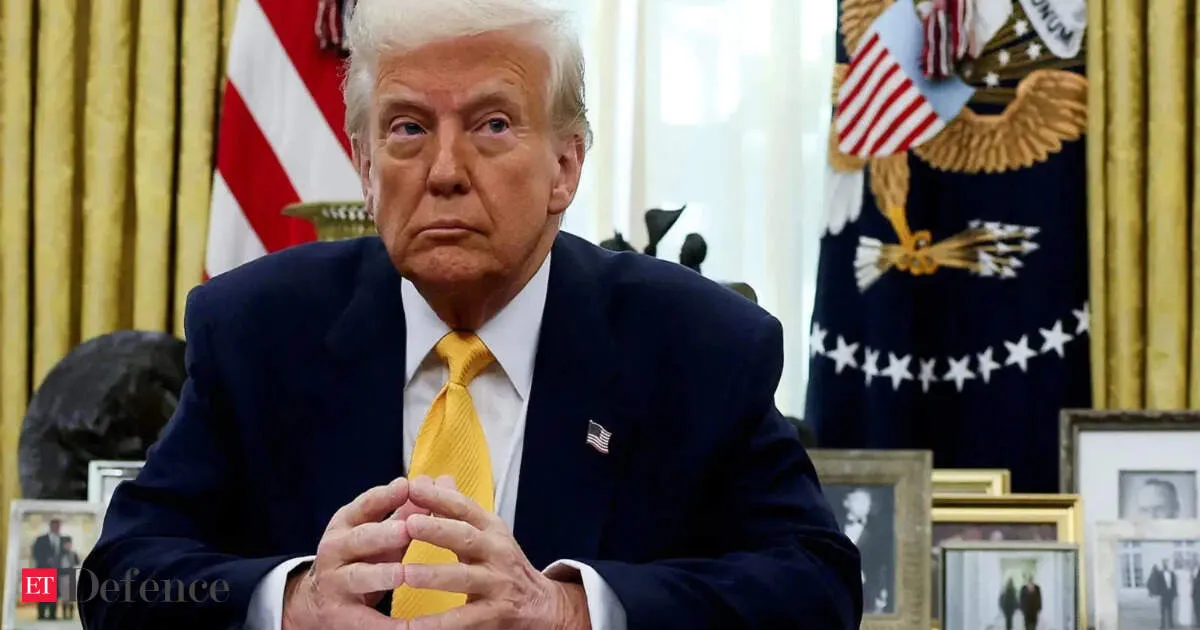
President Donald Trump issued a sharp ultimatum to Iran, saying the US will end Operation Epic Fury and lift a naval blockade on Iranian ports if Iran agrees to current negotiations, keeping the Strait of Hormuz open. If Iran rejects the talks, Trump warned bombing would restart at far higher intensity than before, escalating regional tensions.
Donald Trump says the US will temporarily pause “Project Freedom,” meant to help commercial shipping in the Strait of Hormuz, after requests from Pakistan and others. The move comes as Washington reports military gains against Iran and progress toward a possible deal. However, Trump stressed the naval blockade of Iran’s ports will remain in place.
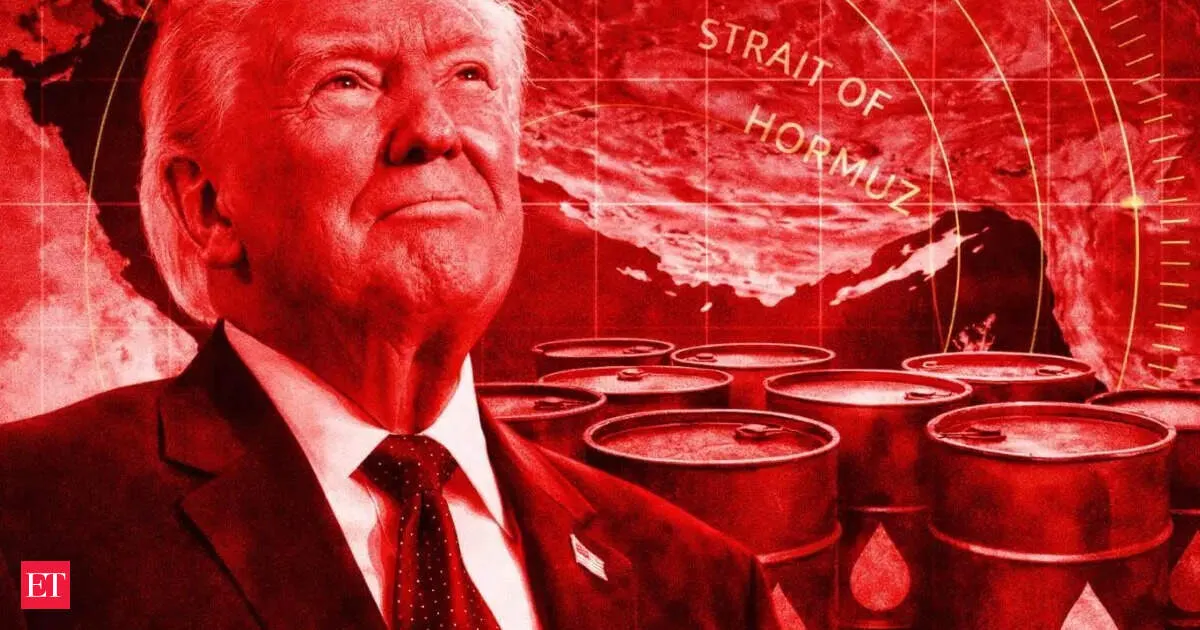
In a tense US-Iran update, President Trump claims the blockade on Iranian ports is succeeding and urges Tehran to “just give up.” Iran’s military warns of “unprecedented action” if the blockade persists, while asserting restraint is aimed at enabling diplomacy. The live updates also note Trump considering a possible reduction of US troops in Germany, adding further pressure on Western posture.
Never miss a story
Set alerts for the topics and sources you care about. Download Beige for free.
American Marines intercepted the commercial vessel M/V Blue Star III in the Arabian Sea, then searched it to verify whether it planned to call at an Iranian port. The ship was released after the US confirmed it would not head to Iran. The move comes as US forces enforce a blockade of Iranian ports following Tehran’s closure of the Strait of Hormuz.
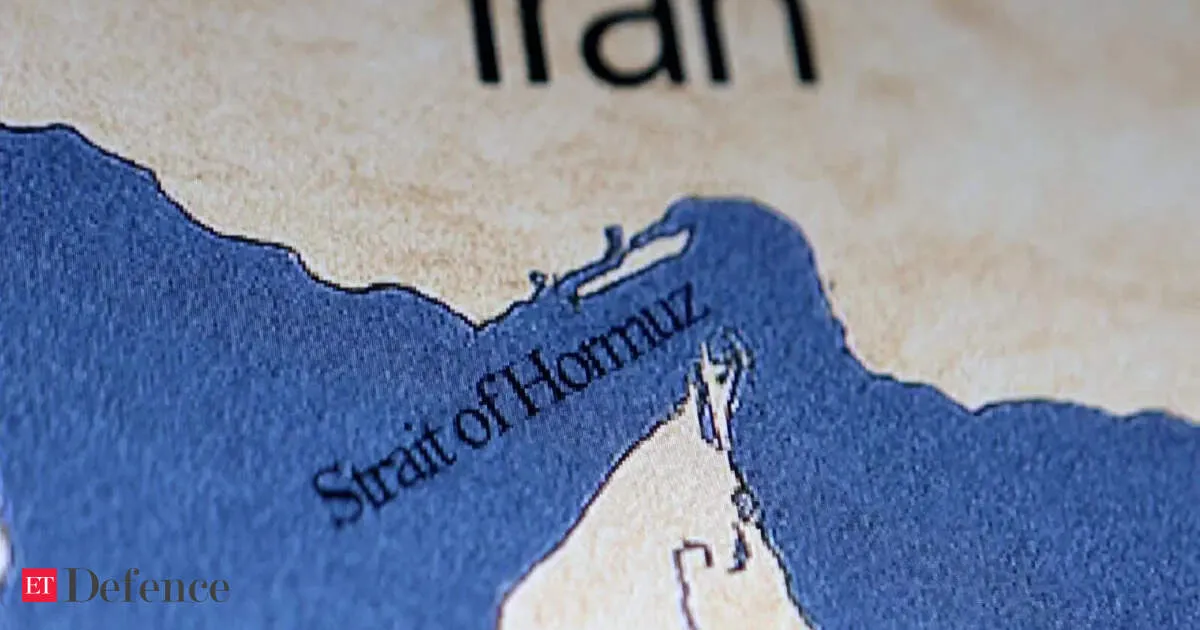
Iran’s military warned that it could attack US forces entering the Strait of Hormuz after President Trump announced a new US maritime operation to guide ships. Iran claimed it had hit a US warship, but the US military denied any vessel was struck. The US said it is supporting the mission and enforcing a naval blockade on Iranian ports.
US Central Command has reportedly drawn up plans for limited strikes on Iran to break a deadlock in nuclear negotiations, even as President Trump has not authorized any military action. Trump is said to prefer a naval blockade strategy, which Iran warns could trigger unprecedented retaliation if pressure continues.
Iran is signaling it will not give up its leverage over the Strait of Hormuz or soften its nuclear stance even as the US maintains a naval blockade. President Trump says any deal requires Iran to abandon nuclear ambitions first, while Tehran explores counter-strategies, including enlisting regional actors, to raise pressure on Washington.
Reading on mobile?
Open Beige in the app for a smoother experience — free on iOS and Android.
Iran has restarted the age-old oil tanker Nasha, pulling the vessel from retirement to ease a looming storage crunch. Kharg Island—its main crude hub—is nearing capacity, but exports have stalled under US sanctions and a naval blockade. With few alternatives, Tehran is turning to sea-based storage to hold excess crude at least for now.
Pakistan has reportedly enabled a legal pathway for Iran-bound cargo to move via land, effectively weakening the US naval blockade strategy. The development coincides with Pakistan’s role in mediating a potential US-Iran ceasefire, even as the US Treasury announced fresh sanctions on Iran. The combined moves raise questions about how airtight Washington’s isolation efforts truly are.
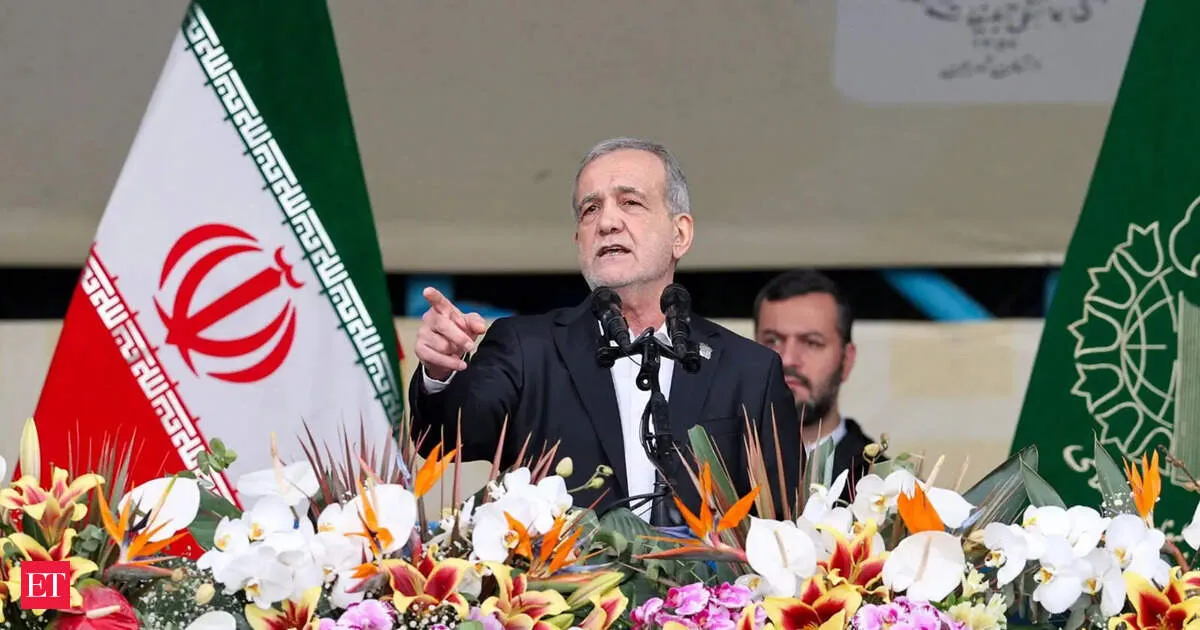
Iranian President Masoud Pezeshkian told Pakistan PM Shehbaz Sharif that Iran will not hold direct talks with the United States under pressure or threats. He pointed to a US naval blockade and hostile actions as the main stumbling blocks, urging Washington to remove those barriers first. The comments come as broader peace efforts remain stalled.
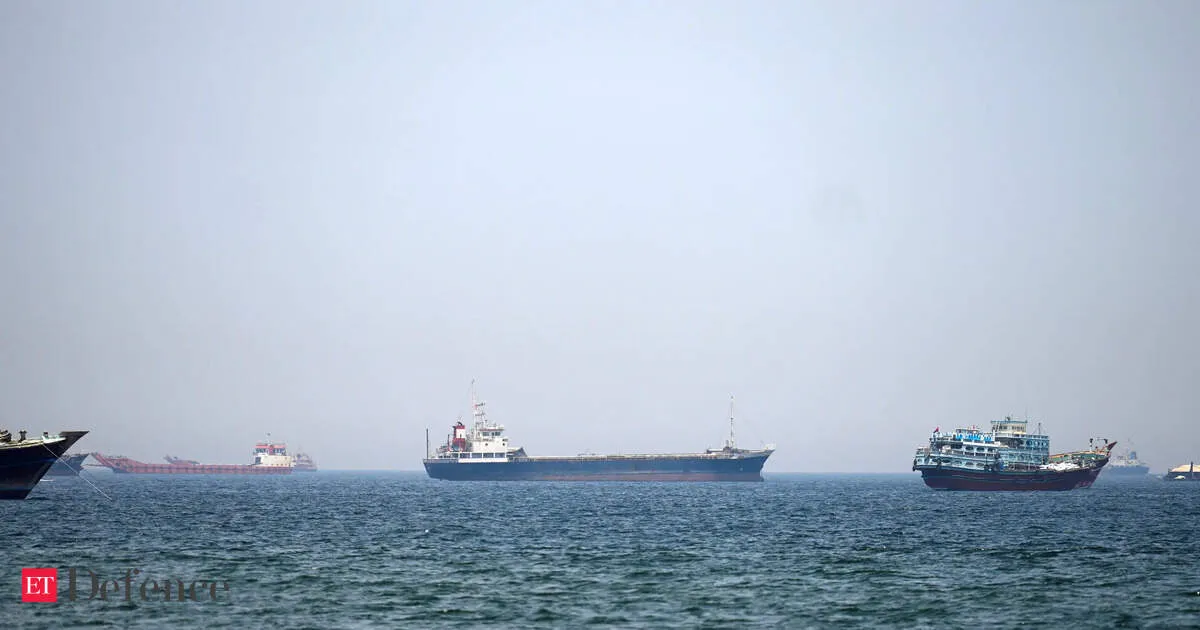
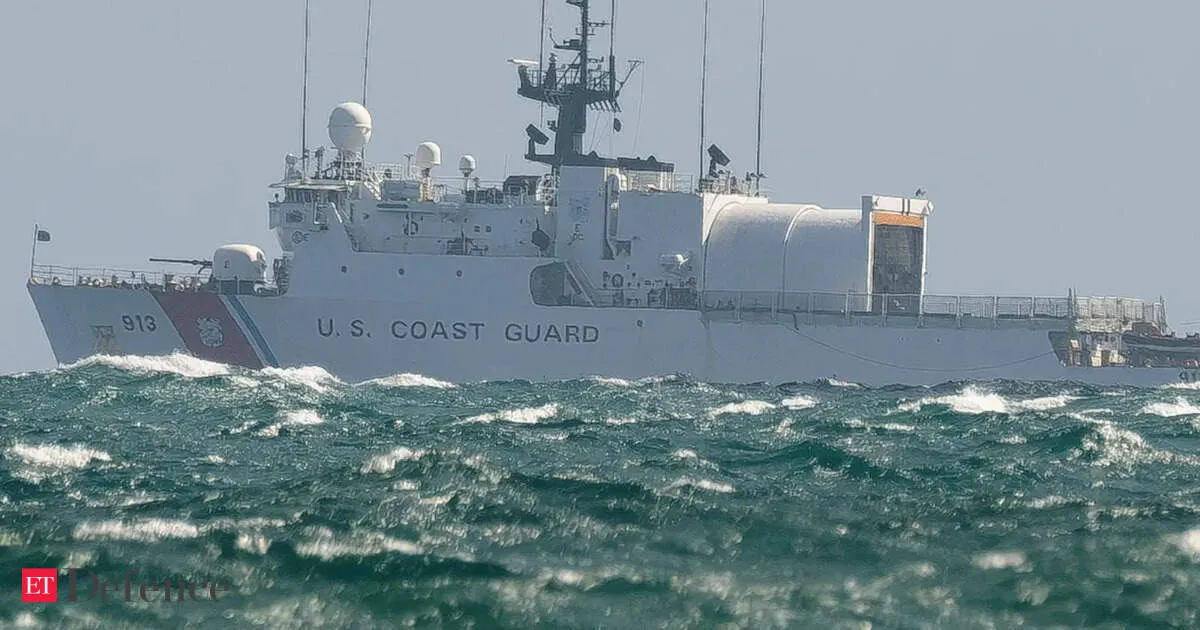
The US military says it intercepted 31 vessels, mostly oil tankers, as part of a blockade targeting Iran’s port activity. The move follows Iran firing at commercial ships in the Strait of Hormuz. President Trump extended a ceasefire while keeping restrictions in place, which Iran called an act of war. The US also linked any permanent deal to Iran surrendering enriched uranium.
Follow your favourite sources
Track sources, tags and categories — all in the Beige app.
President Trump has extended a ceasefire with Iran to try to end a costly conflict, but negotiations appear stuck. Iran’s top condition: the U.S. must lift the naval blockade before any agreement is even considered. With Iran’s leadership showing no signs of collapse, Trump’s path to peace looks increasingly difficult and politically risky.
Iran’s UN envoy Amir Saeid Iravani says Tehran has received signals that the US could be ready to ease its naval blockade. Iravani also urged the United Nations to push for the immediate release of Iran’s seized vessel Touska, calling the US move unlawful. The comments suggest potential diplomatic movement even as tensions remain high.
Iran’s parliament speaker Mohammad Bagher Ghalibaf says the Strait of Hormuz will not reopen while the US maintains a naval blockade. He called the blockade a “blatant violation of the ceasefire,” arguing that achieving a full ceasefire is pointless if the restrictive measures remain in place. The statement heightens uncertainty for regional shipping routes.
President Donald Trump extended the US-Iran ceasefire as a looming deadline approached, injecting brief optimism that talks could resume. But uncertainty remains: VP Vance’s Islamabad trip was paused amid Iran’s hesitation, while the US naval blockade continues. Tehran says negotiations won’t move forward unless the blockade is lifted first, leaving the deadlock unresolved.
Stay informed on the go
Bite-sized news from 100+ trusted sources, right in your pocket.
Swipe through stories, personalise your feed, and save articles for later — all on the app.