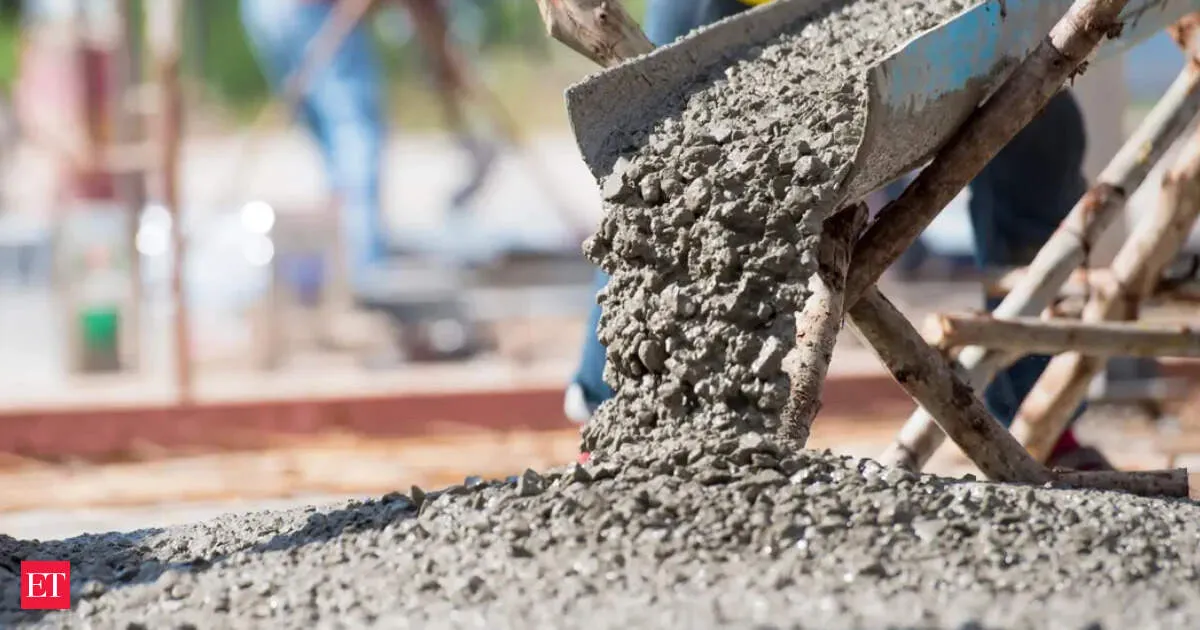
A new study argues the cement industry could dramatically cut emissions by switching raw materials. Instead of limestone, scientists propose using carbon-free, calcium-rich silicate rocks like basalt. Because limestone must be heated above 1,500°C—releasing large amounts of CO2—basalt-based production could cut emissions by more than 80% in theory, and by over 25% even with today’s fossil-fuel-heavy energy. The research also suggests existing technologies could enable the change, producing standard Portland cement.
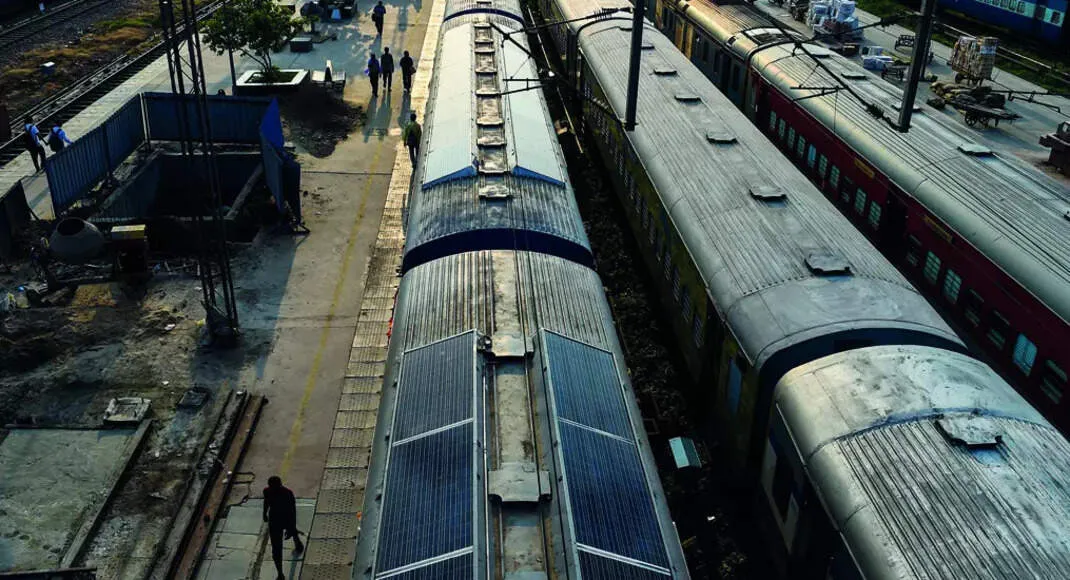
The Railway Board has pulled up Indian Railways zones for lagging behind on environmental initiatives, urging faster execution and timely completion. The push is tied to the 2030 goal of becoming a net zero carbon emitter. Despite a significant fund allocation last year, overall progress has been slow, prompting the Board to demand speed and accountability.
Your news, in seconds
Get the Beige app — every story in 60 words, updated hourly. Free on iOS & Android.
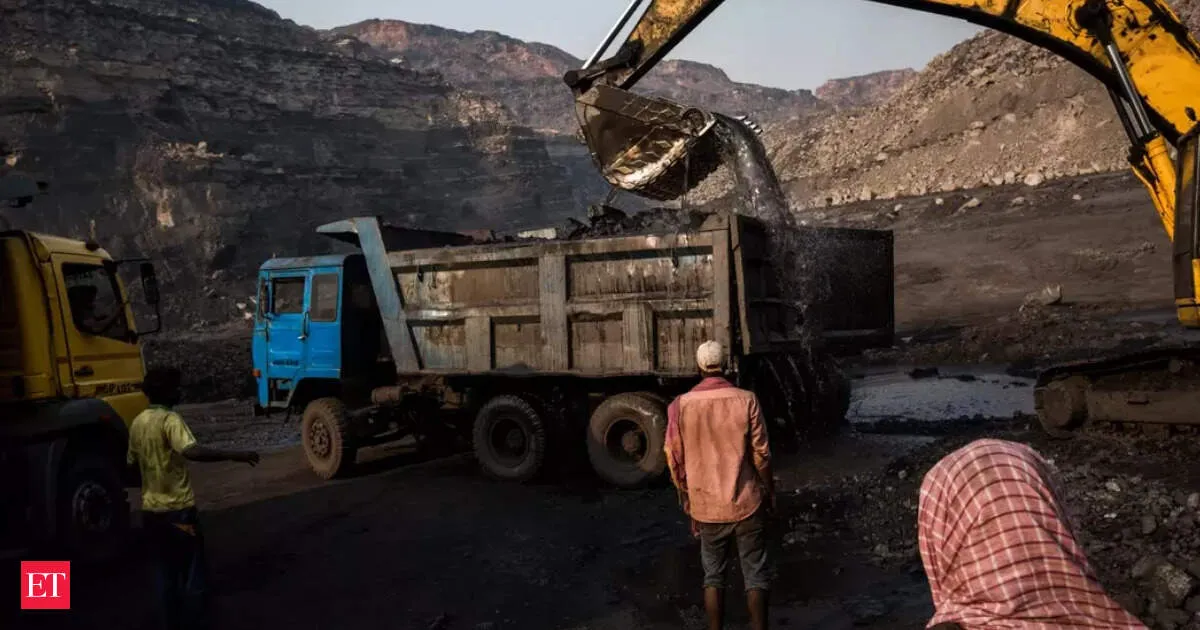
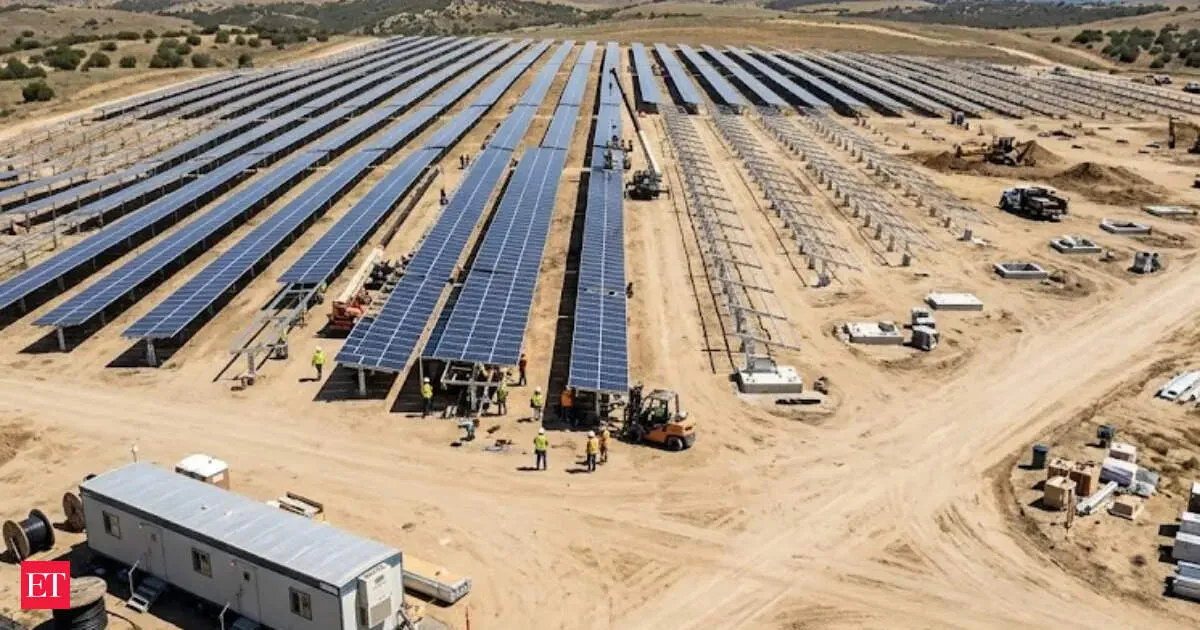
Coal India Limited has commissioned a 100 MW solar power project in Gujarat, backed by a commissioning certificate from the Gujarat Energy Development Agency. The move signals a fresh push in the state-owned miner’s renewable expansion as it works to raise its solar capacity and progress toward becoming a net zero energy entity.
France has released a detailed roadmap to stop using fossil fuels across its economy. Coal is slated to end by 2030, oil by 2045, and gas by 2050—each with a firm deadline. The plan was announced at an international conference in Santa Marta, Colombia, aimed at accelerating the shift away from planet-heating fuels.
Bamboo producers and sector players are pushing a climate-focused shift for India’s construction and real-estate industry. Their argument: bamboo can replace high-carbon materials, helping reduce emissions while supporting a pathway beyond net zero. If adopted at scale, bamboo may turn a low-cost renewable resource into a practical decarbonization lever for the built environment.
Indian Railways wants to reach carbon neutrality by 2030 using a mix of electrification, renewables, and water conservation. But it also plans to meet about half its net-zero target by planting 3 billion trees. The catch: carbon offsetting through plantations is increasingly questioned worldwide over whether it reliably delivers long-term emissions cuts.
Never miss a story
Set alerts for the topics and sources you care about. Download Beige for free.
Expanding nuclear power seems like an obvious route to reliable, always-on zero-emissions electricity, but opposition in Europe, Japan, and the US persists. Despite that resistance, the momentum for new nuclear construction is shifting to Asia, with China, India, and South Korea leading, while Russia and Turkey also add more plants.
Sunkonnect has unveiled a four-year push to cut 15% carbon dioxide emissions in educational institutes across India. The plan targets 34 million tonnes of CO2 reduction by installing solar rooftops on more than 5,000 schools, alongside energy audits, LED upgrades, and improved waste management. The goal is energy-efficient, net-zero campuses.
GAIL plans to invest Rs 3,800 crore to build 700 MW of solar capacity across Uttar Pradesh and Maharashtra. The plan features a 600 MW solar project in Jhansi with battery storage, alongside a 100 MW solar project in Maharashtra. The move is designed to expand GAIL’s renewable portfolio and advance its net-zero targets.
Swipe through stories, personalise your feed, and save articles for later — all on the app.