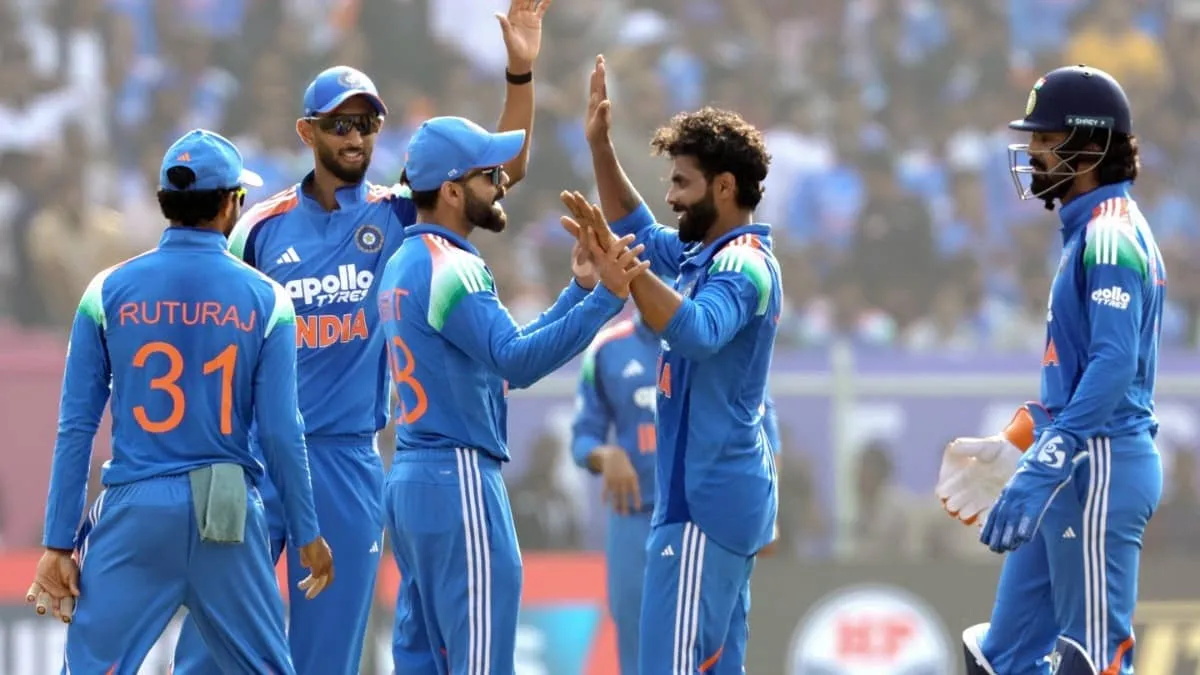
India have retained the No. 1 position in the latest ICC Men’s ODI Team Rankings after the annual update, but their cushion is now razor-thin. India sit on 118 rating points, slipping by one, while New Zealand remain second with 113. Australia stays third on 109. South Africa climbed to fourth with 102, overtaking Pakistan (98). The rankings heavily weight matches since May 2025 and shape direct qualification prospects for the ICC Men’s Cricket World Cup 2027.
Chris Wood will captain New Zealand at the World Cup with a clear mission: secure their first-ever tournament win and “create some history.” The striker said he believes the squad can compete despite the challenge ahead. New Zealand’s Group G campaign starts next month against Iran, Egypt and Belgium.
Your news, in seconds
Get the Beige app — every story in 60 words, updated hourly. Free on iOS & Android.
Indian students applying for New Zealand visas are facing longer processing times, with applications averaging around 30 working days—nearly twice as long as Chinese applicants. While rejection rates have reportedly improved, the slow turnaround is worrying students and immigration professionals, raising doubts about whether New Zealand will remain as attractive a study destination.
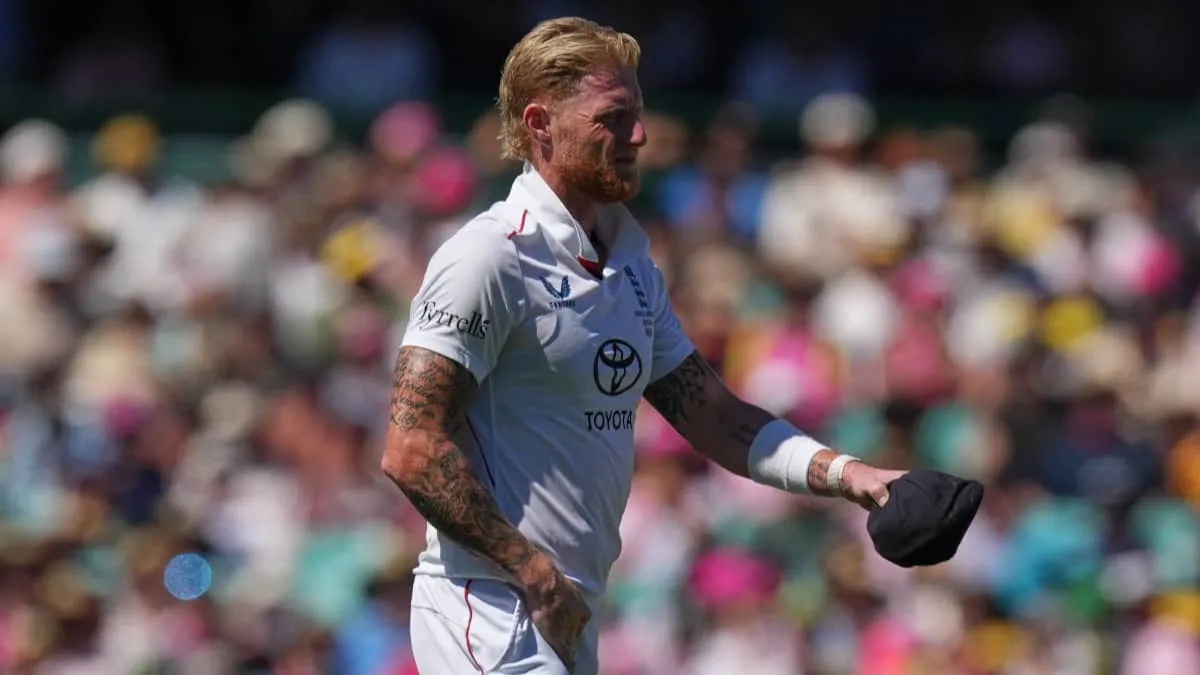
The ECB has picked three uncapped players—wicketkeeper-batter Thomas Rew, top-order batter Emilio Gay and fast bowler Sonny Baker—for England’s 15-member squad for the opening Test against New Zealand at Lord’s. The maiden call-ups add fresh faces to the side as England prepare for their first Test challenge against the visitors.
New Zealand is quickly becoming a top study abroad pick for Indian students as the India-New Zealand FTA reshapes mobility. Policy stability and clearer post-study work pathways are boosting confidence, while students are applying a sharper cost-benefit lens. The result is a shift away from old destination habits toward choices backed by practical outcomes.
Immigration New Zealand says a surge of scam calls is targeting international students and migrants. Fraudsters impersonate INZ officials, claim urgent visa problems, and pressure victims to share personal information or make payments. The warning urges recipients to hang up immediately and report any suspicious call activity, especially when callers demand quick action.
Never miss a story
Set alerts for the topics and sources you care about. Download Beige for free.
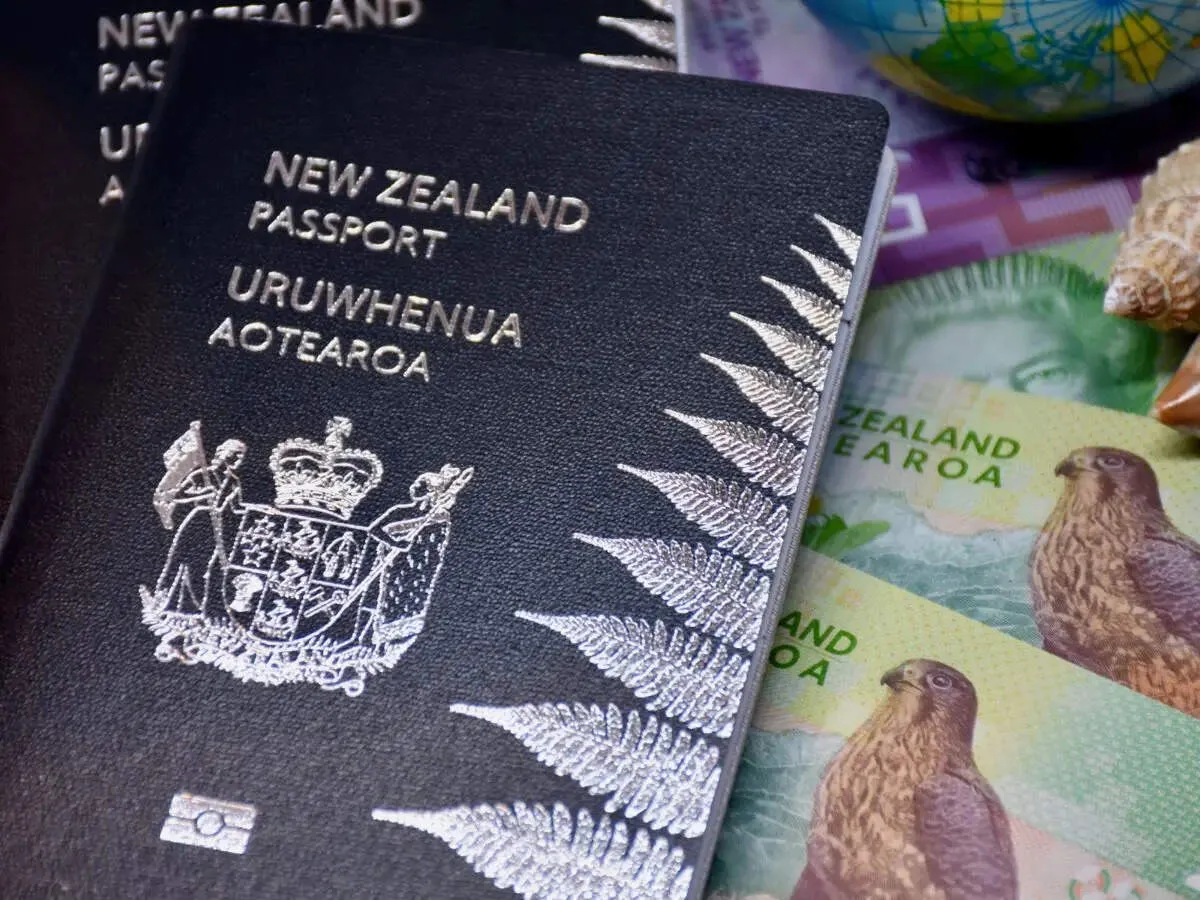
New Zealand’s government has announced a mandatory citizenship test starting in 2027, prompting many migrants to apply earlier than planned. The test will include 20 questions on civic rights and democratic values. Supporters say it strengthens integration, but critics warn of added costs, language hurdles, and extra challenges for refugees and people with learning or accessibility needs.
New Zealand plans to introduce a citizenship test for migrants starting in late 2027. Applicants will need to answer at least 15 out of 20 multiple-choice questions covering the Bill of Rights Act, human rights, and democratic principles. The government says the move will help ensure future citizens understand both their responsibilities and privileges before gaining citizenship.
New Zealand’s oceans and fisheries minister Shane Jones has ignited controversy over remarks about a proposed India free trade agreement. He suggested it could bring migrants and a “tsunami of butter chicken,” a line that drew sharp criticism from India’s community and lawmakers, who said it was racist. The comments have put the FTA debate back in focus, alongside questions of tone and cultural respect.
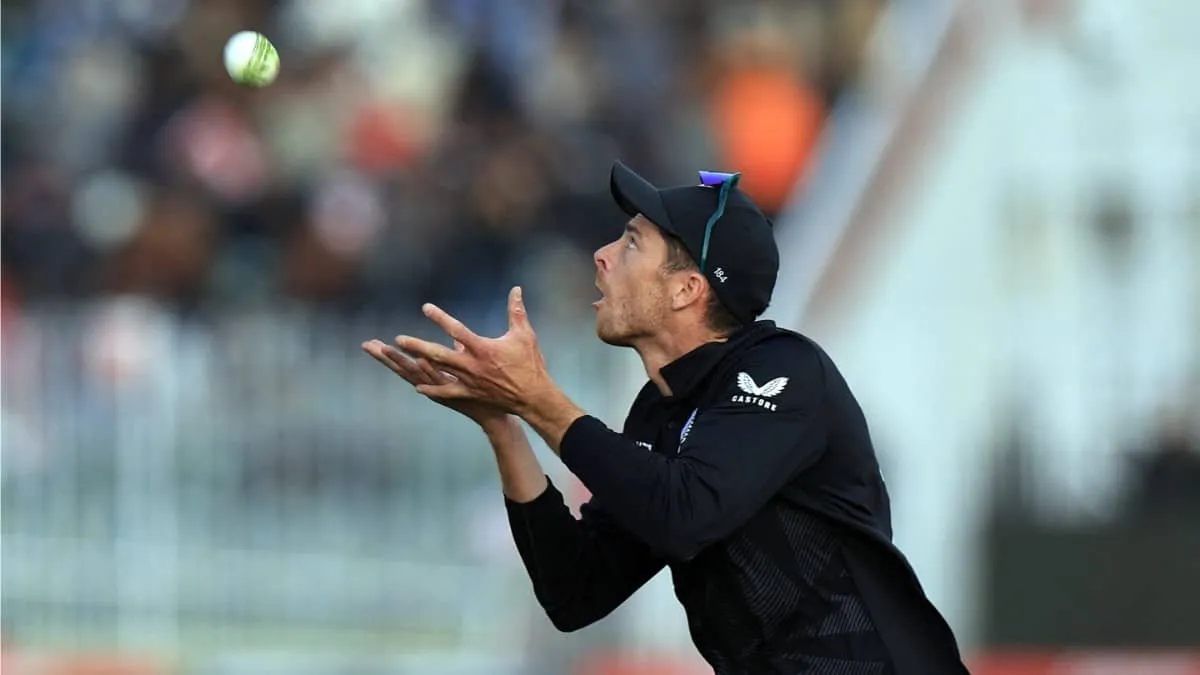
New Zealand captain Mitchell Santner has reportedly suffered a serious setback during IPL 2026, sidelining him for almost a month. The injury is expected to keep him out during key fixtures, potentially forcing New Zealand and his IPL side to reshuffle roles and tactics. Fans will be watching for updates on his recovery timeline and return match date.
Reading on mobile?
Open Beige in the app for a smoother experience — free on iOS and Android.
India’s engineering exports to New Zealand are expected to double within five years, with shipments projected to reach USD 280–300 million. The shift is driven by a new free trade agreement that offers zero-duty market access for all Indian goods, aiming to strengthen the engineering sector and expand opportunities for MSMEs through easier, cheaper exports.
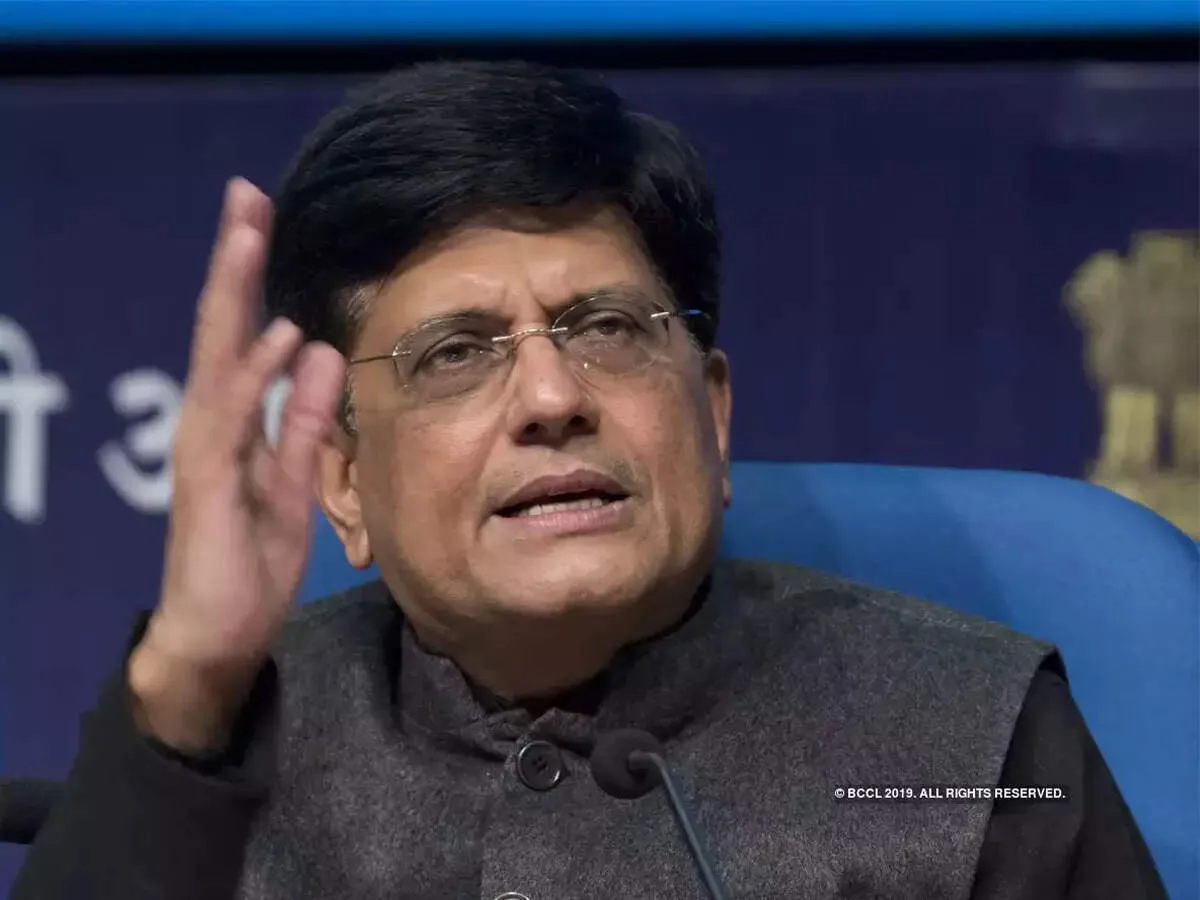
Trade isn’t the only headline in the new India–New Zealand free trade agreement. Commerce minister Piyush Goyal says education should be a key bridge, urging joint degree programmes and expanded student exchanges to strengthen people-to-people links. The push aims to convert closer economic cooperation into longer-term academic and cultural connections between the two countries.
India and New Zealand have signed a comprehensive Free Trade Agreement in Delhi, wrapping one of India’s fastest negotiations with a developed nation. The deal offers zero-duty access for 100% of Indian exports, with major gains in textiles, leather, and gems, while also introducing 5,000 annual visa slots for professionals and extended student work rights. Crucially, dairy, poultry, and sugar remain excluded to protect domestic farmers.
India’s Free Trade Agreement with New Zealand is expected to give exporters a major boost, with GJEPC aiming for 200% growth over three years. Exports are projected to rise from $16.61 million to nearly $50 million, as zero-duty access creates a competitive advantage versus China and Thailand. The deal also opens fresh opportunities across the Oceania market.
Follow your favourite sources
Track sources, tags and categories — all in the Beige app.
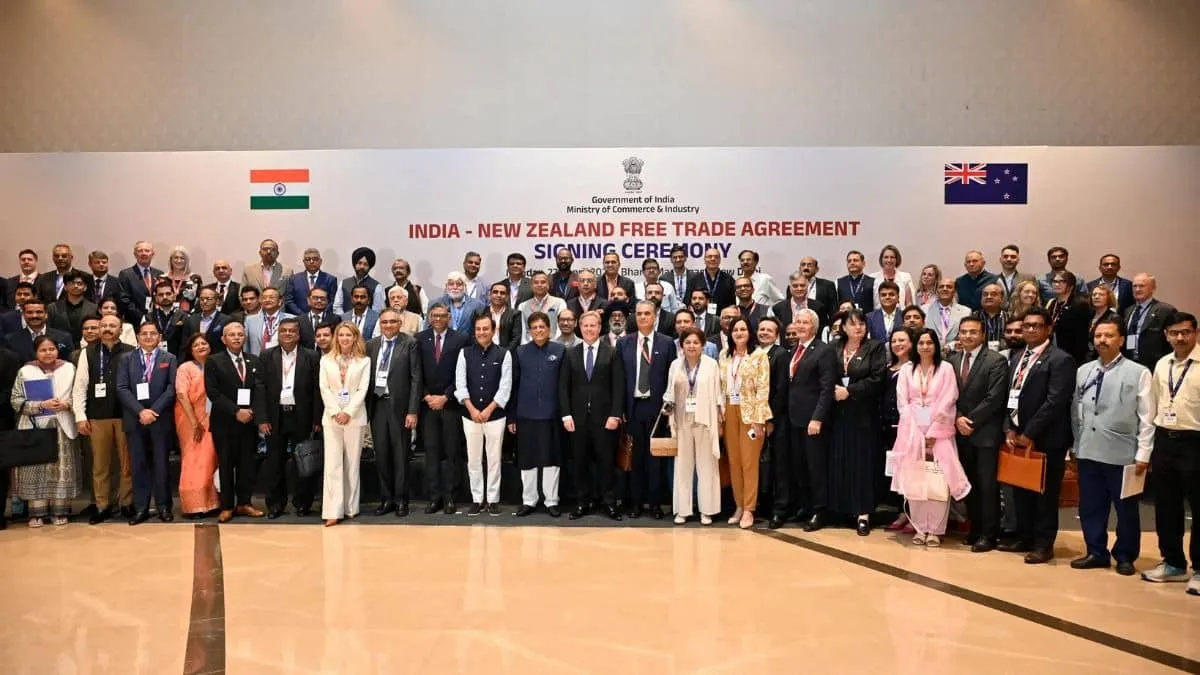
India and New Zealand have signed a landmark “new generation” Free Trade Agreement after negotiations concluded in December 2025. The pact was executed at Bharat Mandapam and is framed as people-centric and jobs-driven, supporting India’s Viksit Bharat 2047 vision. Backers say the deal could unlock fresh investment flows and trade opportunities, with visa-related elements drawing particular attention.
India and New Zealand have signed a landmark free trade agreement after about a decade of negotiations. The pact opens new routes for trade and investment, giving India duty-free access for multiple exports and expanding opportunities in services. In return, New Zealand secures immediate market access for over half of its exports to India, marking a major shift in bilateral commerce.
India and New Zealand have concluded a comprehensive Free Trade Agreement, one of India’s quickest deals with a developed nation. The FTA, launched in March 2025 and finalized rapidly, promises 100% duty-free access for Indian exports and a binding $20 billion investment commitment into India over 15 years. The agreement also strengthens India’s Indo-Pacific strategy.
India and New Zealand will sign a Free Trade Agreement on April 27, 2026, creating dedicated visa pathways for 5,000 Indian professionals and 1,000 Work and Holiday visas. The deal is designed to boost labor mobility and expand opportunities across IT, healthcare and education, while also supporting students with post-study work rights.
Stay informed on the go
Bite-sized news from 100+ trusted sources, right in your pocket.
India and New Zealand are close to signing a free trade agreement after talks restarted in 2024, ending a decade-long pause. The proposed pact targets doubling bilateral trade to $5 billion over the next five years, as both sides look to expand market access and strengthen economic ties after years of delays.
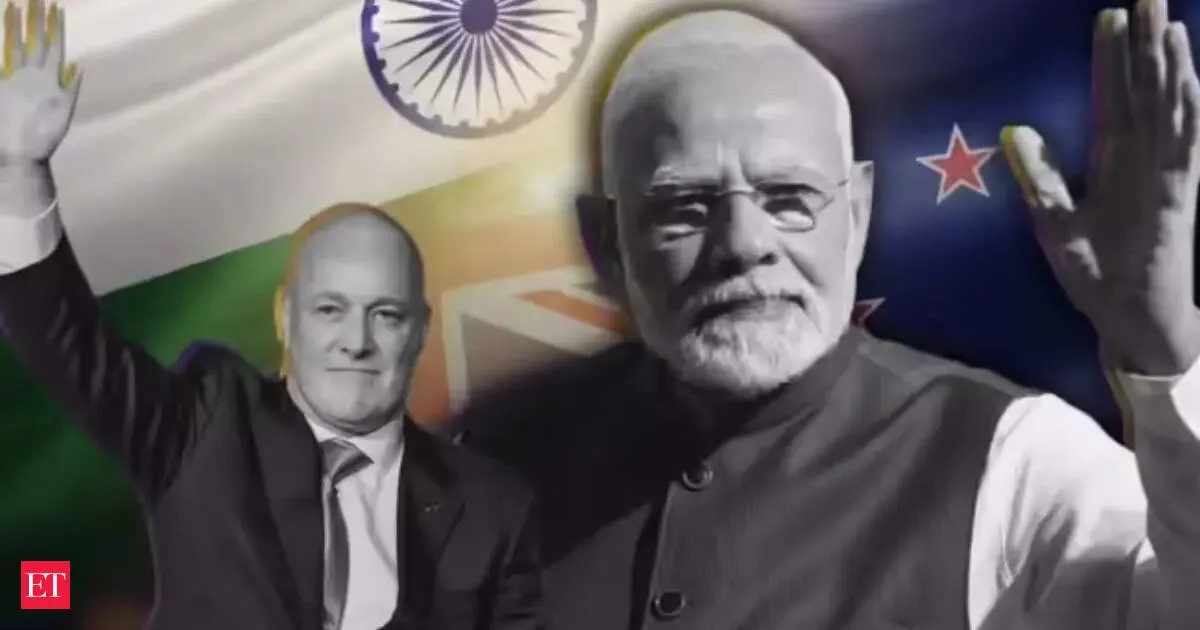
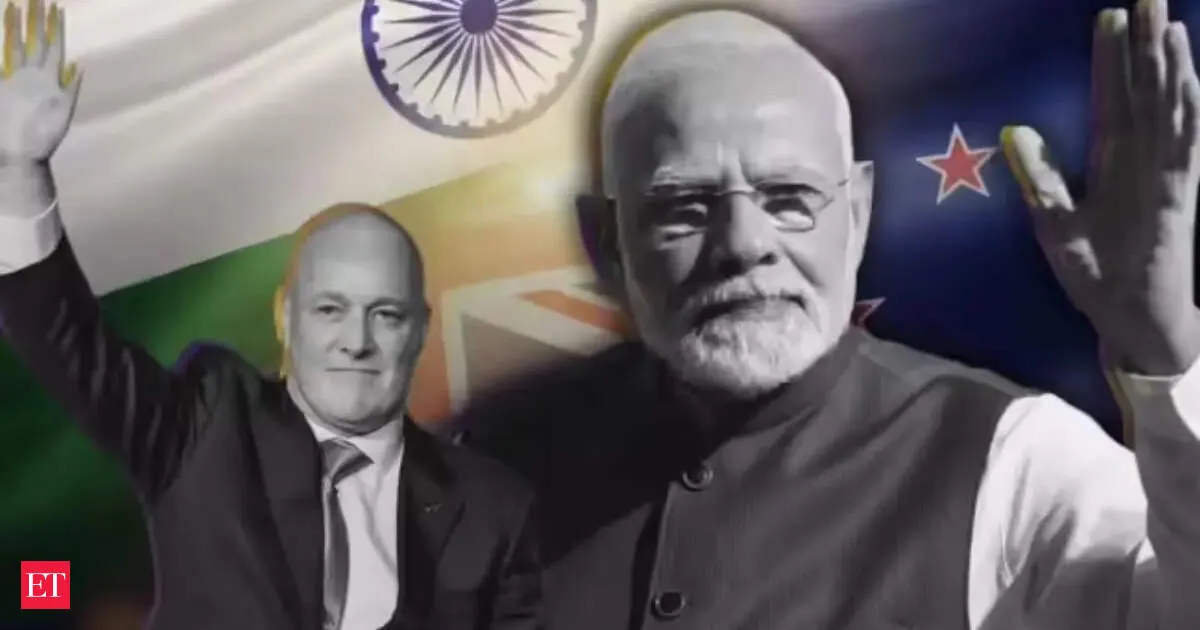
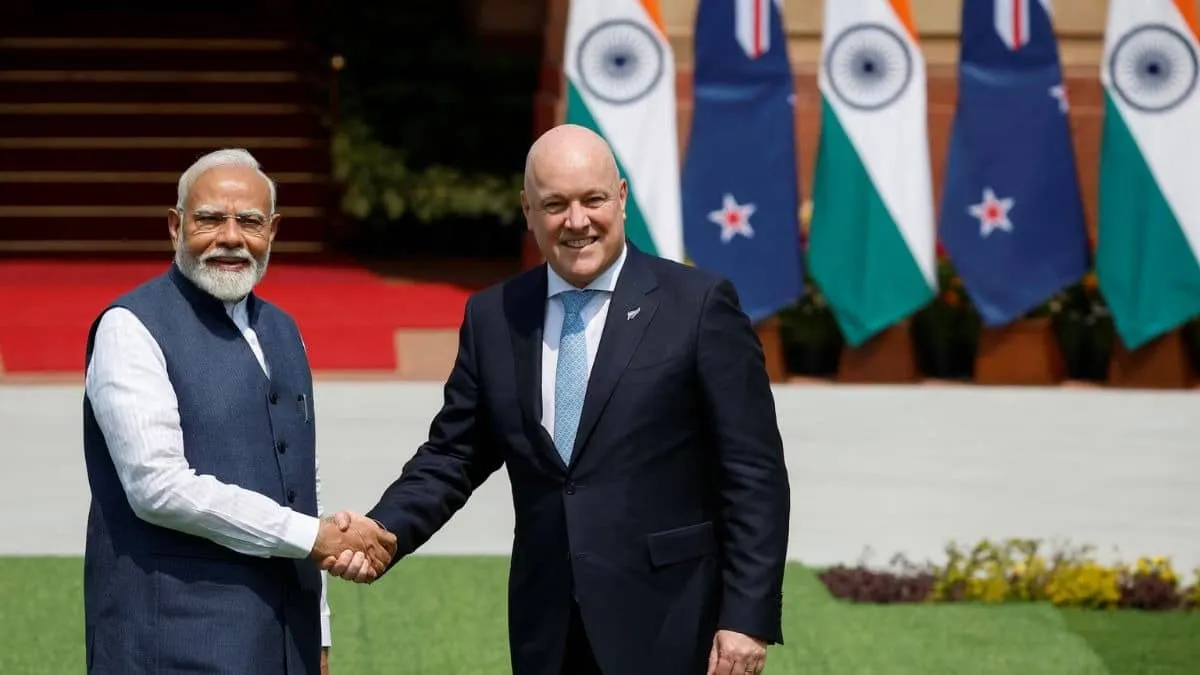
New Zealand Prime Minister Christopher Luxon says a landmark free trade agreement with India will be signed on Monday. The deal is set to give Kiwi exporters unprecedented access to India’s 1.4 billion consumers and fast-growing economy, with expectations of higher incomes, new jobs, and a stronger global competitive position for New Zealand businesses.
Swipe through stories, personalise your feed, and save articles for later — all on the app.