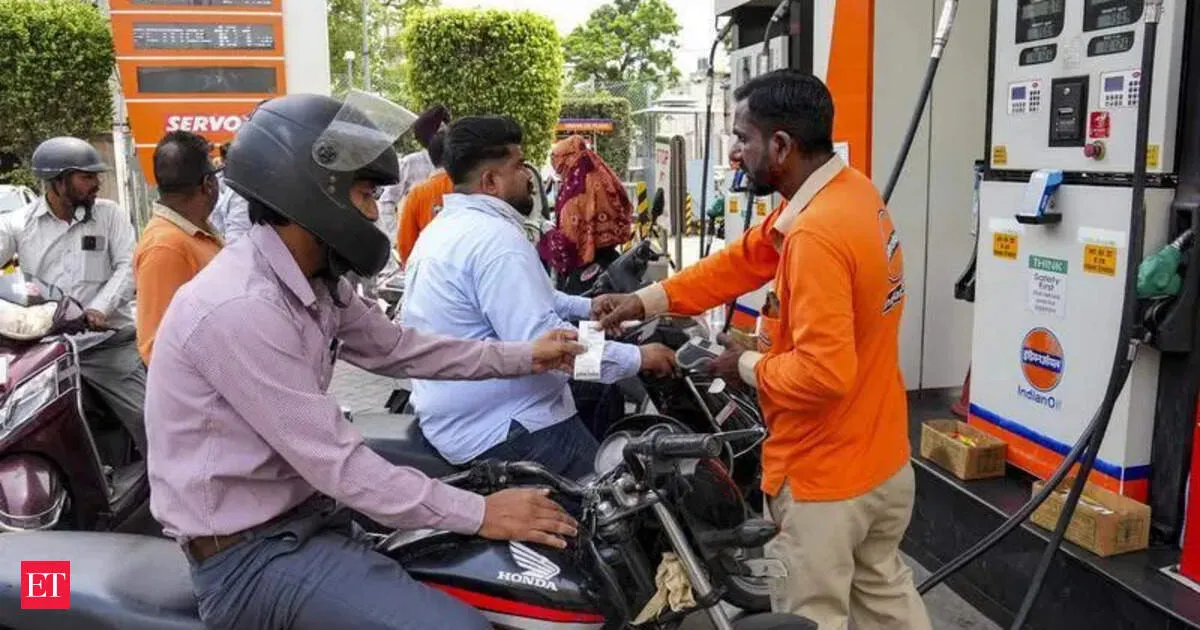
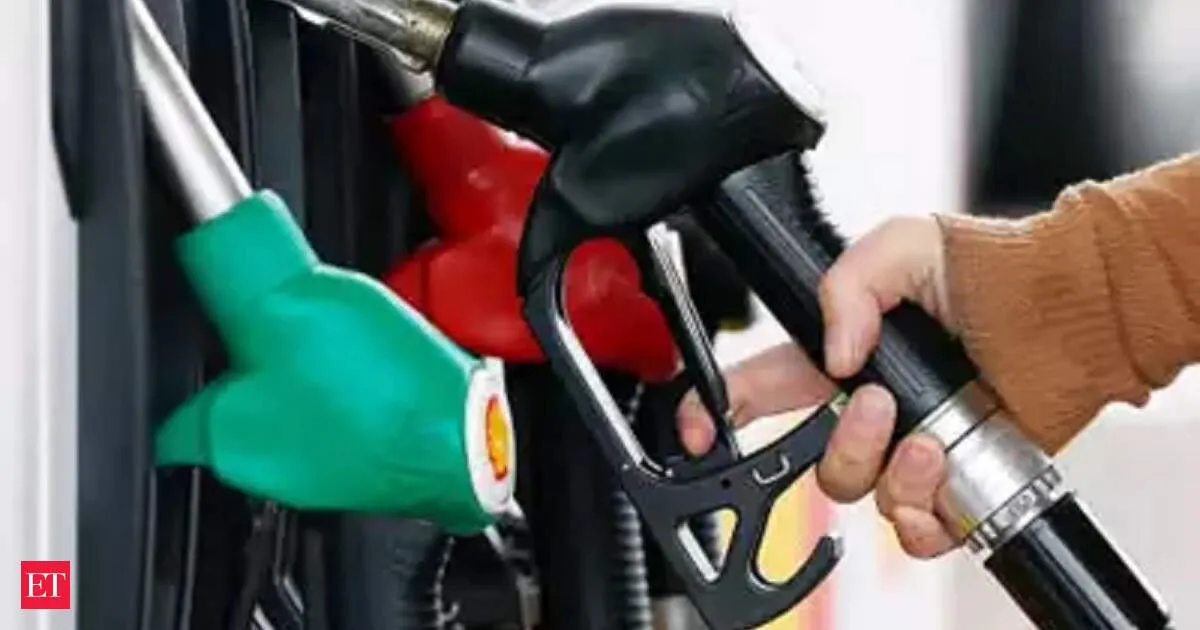
India has revised its energy export policy by imposing a special additional excise duty (SAED) of ₹3 per litre on petrol exports for the first time since the West Asia crisis began. From May 16, the government also cuts levies on diesel exports to ₹16.5 per litre (from ₹23) and on ATF to ₹16 per litre (from ₹33). At the same time, the road and infrastructure cess on petrol and diesel exports will be zero, while domestic fuel duty rates and consumer prices remain unchanged.
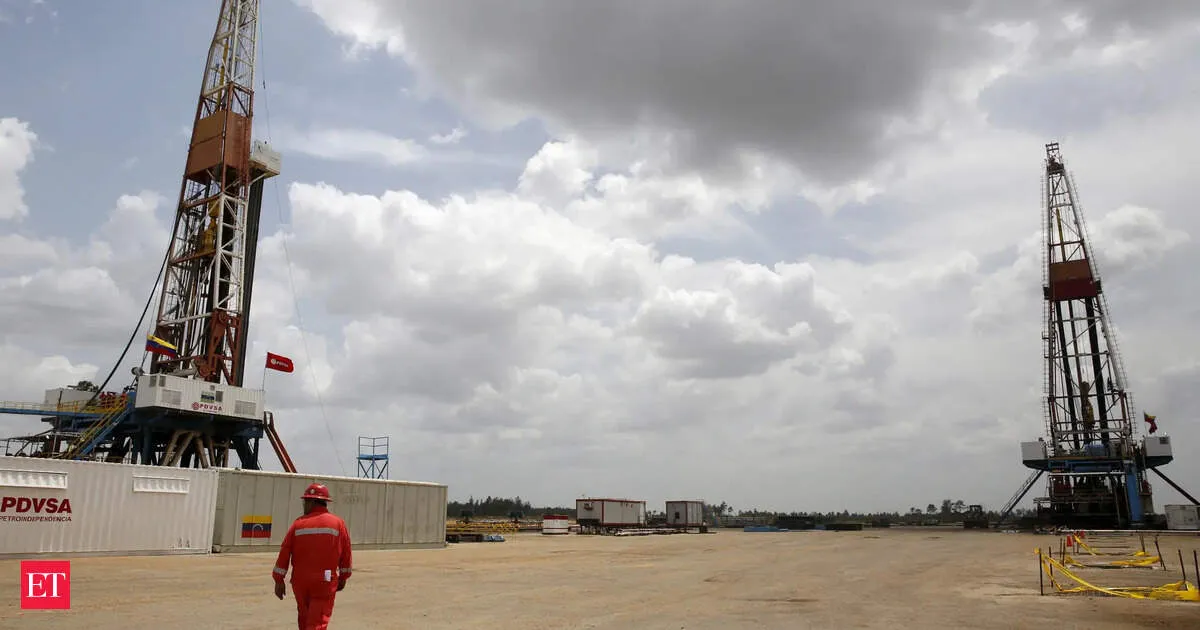
India has extended bid submission deadlines for oil and gas exploration under two government licensing tracks, setting the new cut-off for both at June 19. The tenth licensing round, launched in February 2025, has now received its fifth extension since its debut, following a prior deadline of May 29. Separately, the eleventh round under the Open Acreage Licensing Policy (OALP), introduced in March, was also extended to the same date. The Directorate General of Hydrocarbons offered no reason.
Your news, in seconds
Get the Beige app — every story in 60 words, updated hourly. Free on iOS & Android.
From India to China, governments are rolling out a patchwork of measures to blunt rising energy costs tied to the U.S. Israeli war on Iran. Policies range from fuel tax tweaks and strategic reserve releases to subsidies, tax cuts, and external financing. Some countries are also pushing conservation and accelerating domestic supply and alternative energy to reduce future shocks.
India has reduced royalty rates for crude oil and natural gas production, aiming to accelerate domestic exploration and output. The biggest cuts apply to deepwater and ultra-deepwater fields, where the new framework can offer zero royalty for an initial period. The policy is designed to make difficult reserves more economically viable and attract investment into domestic energy supply.
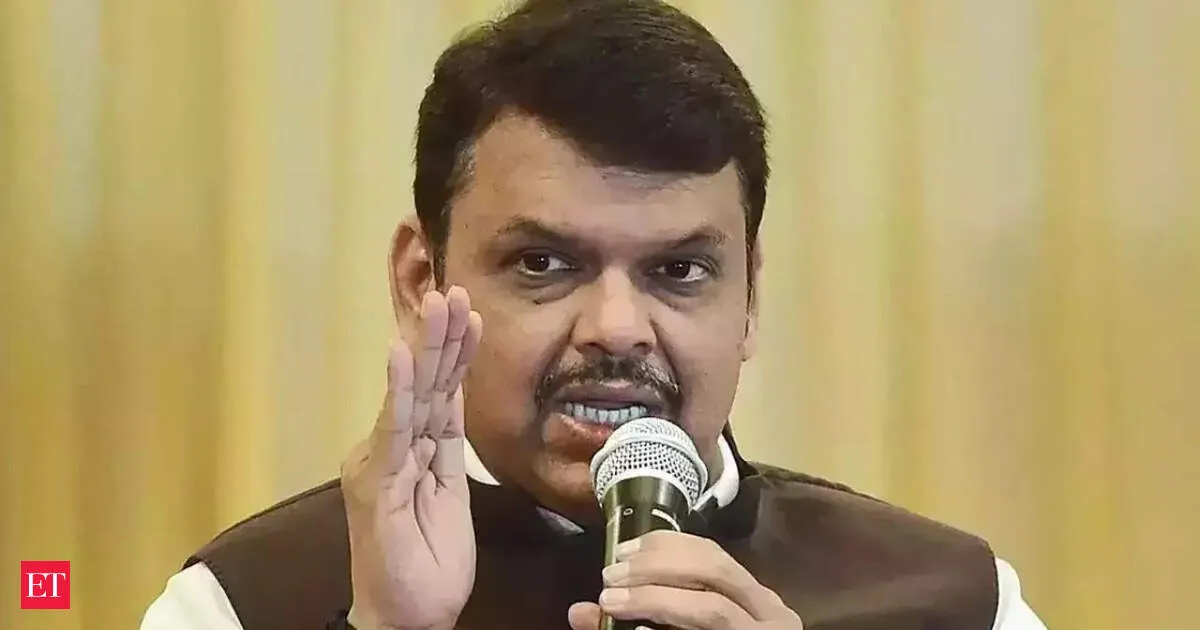
Maharashtra Chief Minister Devendra Fadnavis echoed Prime Minister Narendra Modi’s call for responsible consumption as West Asia tensions disrupt oil and gas supplies and push prices higher. Fadnavis cautioned that improper fuel use could worsen shortages in India. Modi also urged citizens to cut edible oil consumption and shift toward natural farming to reduce pressure on imports.
Indian engineering firms are making inroads into the Middle East’s oil and gas supply chains as global energy companies expand their supplier rosters. With buyers prioritizing wider vendor bases and compliance-ready partners, firms that meet stringent standards are winning approvals, including growing recognition for players like LSI-MECH Engineers, amid ongoing regional energy infrastructure investment.
Never miss a story
Set alerts for the topics and sources you care about. Download Beige for free.
ADNOC has pledged $55 billion for new projects over the next two years, shortly after the UAE officially left OPEC. The announcement comes after decades of OPEC membership tied to Abu Dhabi’s role since 1967, highlighting how the UAE plans to reshape its energy strategy immediately following the cartel exit.
Reliance Industries is ramping up liquefied petroleum gas (LPG) production while cutting alkylates, a gasoline-blending component. The company is doing this to offset expected losses from reduced Middle East LPG imports. With India facing a severe cooking fuel shortage, the government has urged refiners to maximize LPG output to protect household supply.
India has ruled out financial support for state-run fuel retailers that face losses from selling transport fuels below market prices. Even as prices rise for industrial customers and jet fuel for foreign carriers, retail rates for gasoline, gasoil, LPG, and jet fuel for Indian carriers remain unchanged. The government says the focus is protecting retail consumers.
India’s decade-long push to expand oil and gas production has delivered little on the ground. In 10 years, the government awarded 172 blocks and saw extensive exploration, yet only one marginal field produces. Experts cite geological hurdles and a shift of risk to companies, deterring global capital, while state-run firms dominate auctions—leaving imports as the default supply.
Reading on mobile?
Open Beige in the app for a smoother experience — free on iOS and Android.
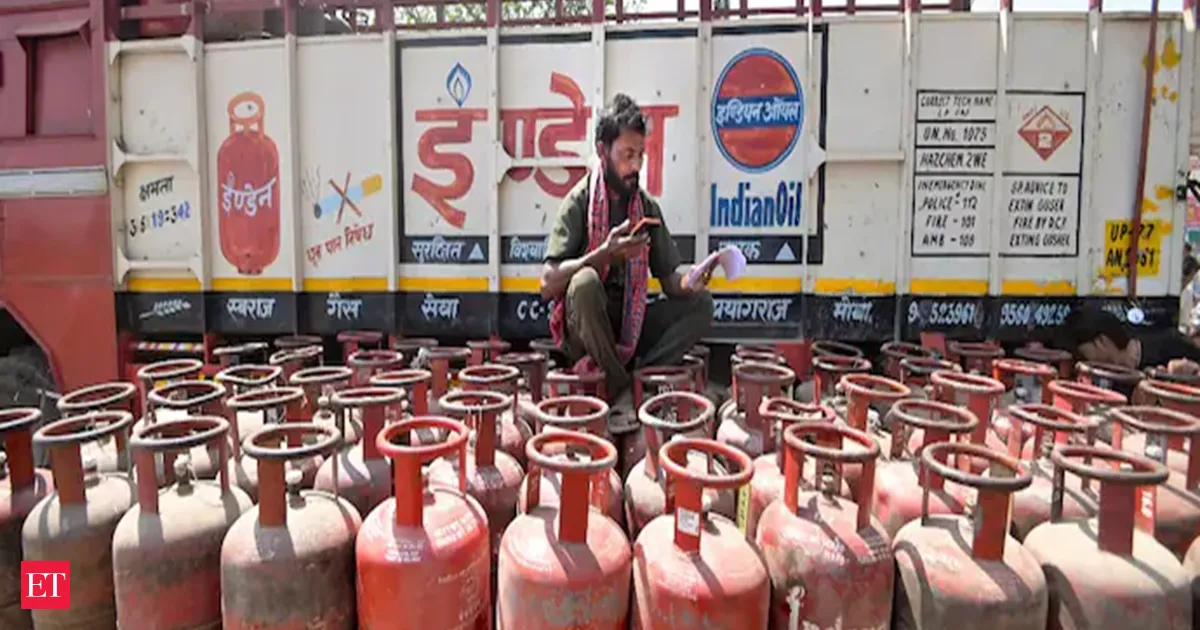
On May 1, 2026, commercial LPG cylinder prices rose sharply by Rs 993, reaching Rs 3,071.50 in Delhi. The hike is attributed to the US-Iran-Israel conflict and disruptions linked to the Strait of Hormuz affecting global supply chains. Despite the commercial spike, domestic 14.2 kg cylinder rates remain unchanged, with Delhi priced at Rs 913.
Shell’s $16.4 billion plan to buy ARC Resources is a major readout of a renewed global push into Canada’s oil and gas. With conflict in the Middle East and disruption fears around the Strait of Hormuz, “safer” production markets are gaining attention, reversing a decade-long trend of foreign divestment.
European Commission President Ursula von der Leyen says EU energy support must be targeted to vulnerable households and industries. Otherwise, the bloc risks wasting billions as the Iran war and tensions near the Strait of Hormuz push oil and gas prices higher. The warning comes as EU states prepare and adjust their energy aid amid market volatility.
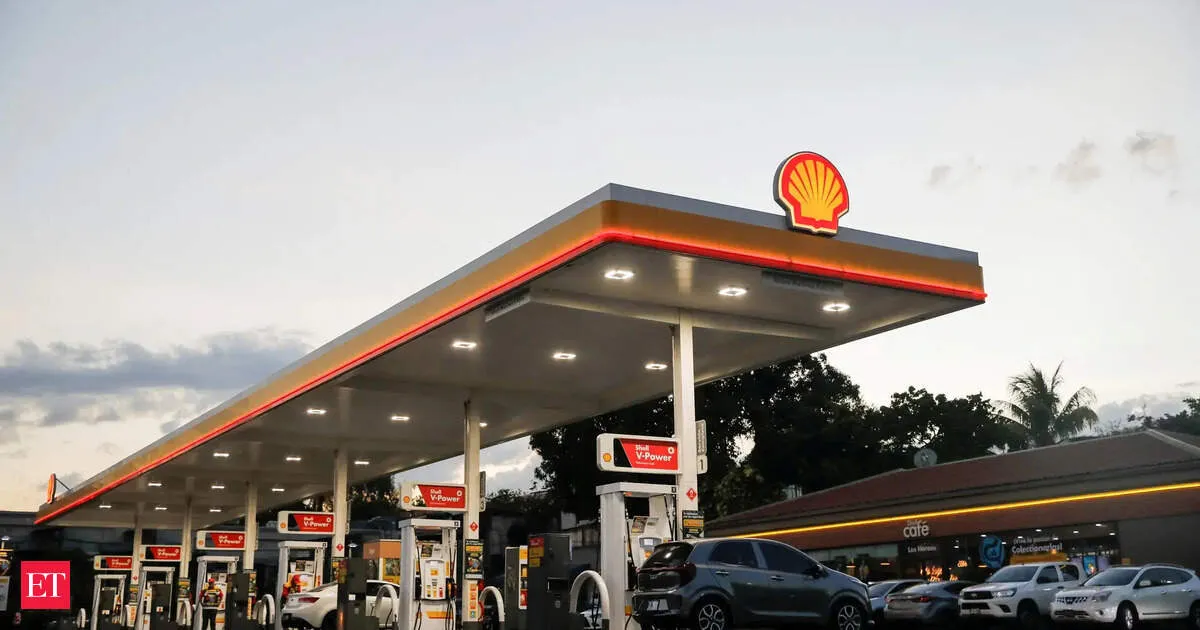
Shell has agreed to acquire Canada’s ARC Resources in a $16.4 billion deal aimed at boosting production and expanding its footprint in the Canadian energy landscape. The move is seen as especially significant for Shell’s LNG ambitions, potentially strengthening supply and influence in a market where upstream scale and timing matter.
Follow your favourite sources
Track sources, tags and categories — all in the Beige app.
Reliance Industries’ March quarter brought pressure on oil and gas, but digital, telecom, and retail helped cushion results. Investors are now looking closely at non-oil performance for the next phase of earnings momentum. The company’s new energy GIGA factory is expected to start operating this year, while telecom ARPU inched up and retail grew, though EBITDA gains stayed muted.
India has denied an RTI request seeking details of Russian crude oil imports between June 2022 and June 2025. The Petroleum Planning and Analysis Cell said the figures were commercially confidential and linked to strategic interests. The Central Information Commission backed the refusal, and also flagged transparency issues with the PPAC website that failed to provide reliable information.
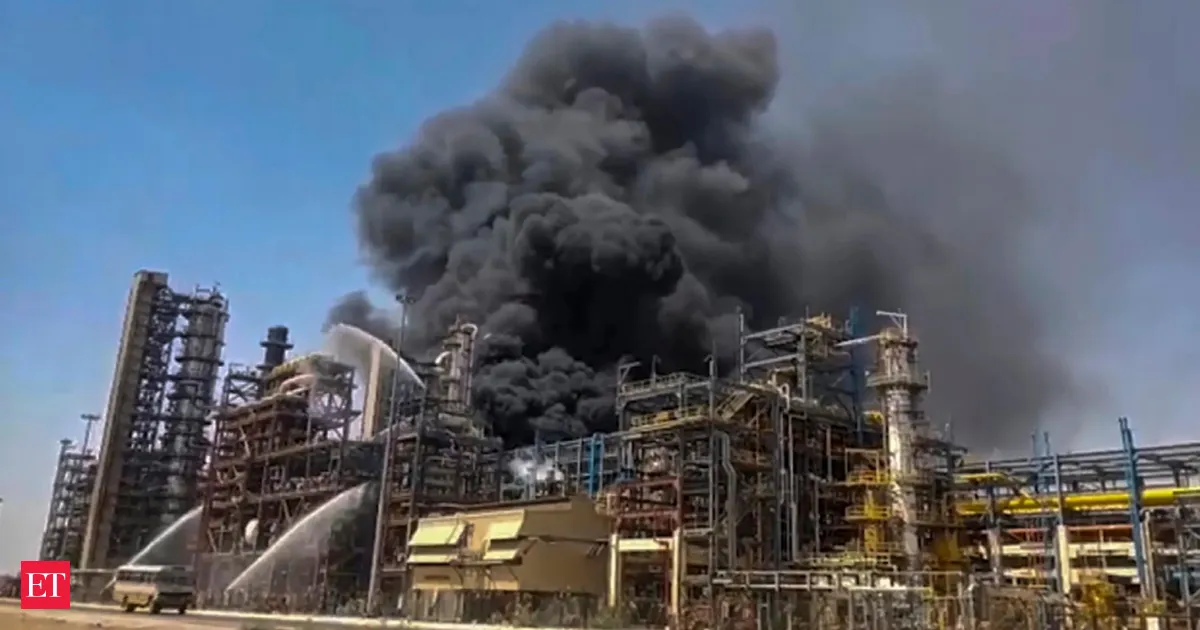
HPCL says its Rajasthan refinery’s Crude Distillation Unit will restart in May after an April 20 fire. The company reports investigations found the blaze was contained, confined to the heat exchanger stack and affecting only six exchangers along with related auxiliary equipment, aligning with its earlier assessment and paving the way for recovery plans.
The Iran conflict is reviving global dependence on hydrocarbons, undermining clean energy momentum. Renewables still struggle with storage and grid upgrades, while alternatives such as green hydrogen remain costly. As countries prioritize energy security, the spotlight is returning to gas supplies and nuclear expansion, with EV targets in danger of slipping.
Stay informed on the go
Bite-sized news from 100+ trusted sources, right in your pocket.
Reliance Industries’ Oil-to-Chemicals segment saw margin pressure in the March quarter as crude premiums jumped amid West Asia supply disruptions tied to Iran-war risks. Higher freight and insurance added to costs, offsetting otherwise strong global refining margins. O2C EBITDA fell 3.7% year-on-year, reflecting fuel-cost strain and policy interventions.
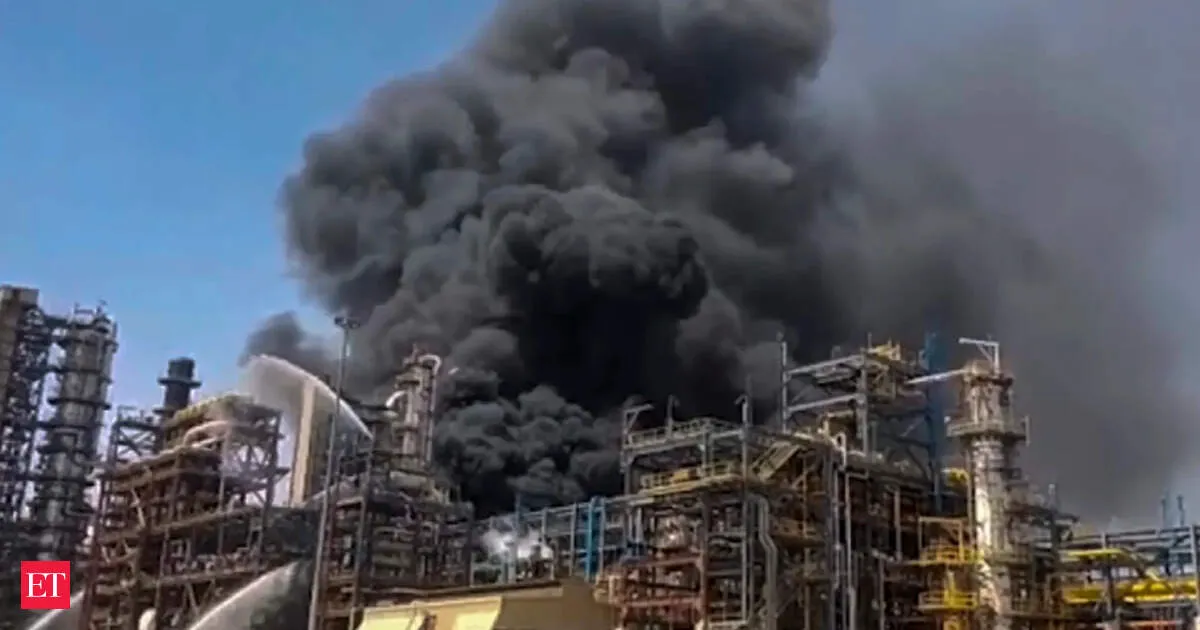
A fire broke out at the HPCL Rajasthan Refinery in Pachpadra, with officials saying a suspected hydrocarbon leak likely triggered the blaze. Emergency teams brought the situation under control quickly, and there were no reported injuries. The refinery’s Crude Distillation Unit was isolated as investigations begin. Prime Minister Narendra Modi’s scheduled dedication visit has been postponed.
Swipe through stories, personalise your feed, and save articles for later — all on the app.