As India awaits an extension of a US waiver allowing purchases of sanctioned Russian crude, Russian Foreign Minister Sergey Lavrov claimed Moscow has increased oil supplies to New Delhi. Speaking to media on the sidelines of BRICS foreign ministers meetings in New Delhi, he said the shipment rise is visible in publicly available trade data. Lavrov met Prime Minister Narendra Modi and External Affairs Minister S Jaishankar, discussing energy trade, defense production, and assurances on fertilisers and coking coal.
Facing heightened concerns over oil imports amid the US Israel conflict, India is weighing a stronger push toward higher ethanol blends to reduce foreign dependency. But the move isn’t cost free: scaling ethanol can raise ecological questions and stress food-linked resources. Policymakers must balance energy security with sustainability and affordability before expanding blends further.
Your news, in seconds
Get the Beige app — every story in 60 words, updated hourly. Free on iOS & Android.
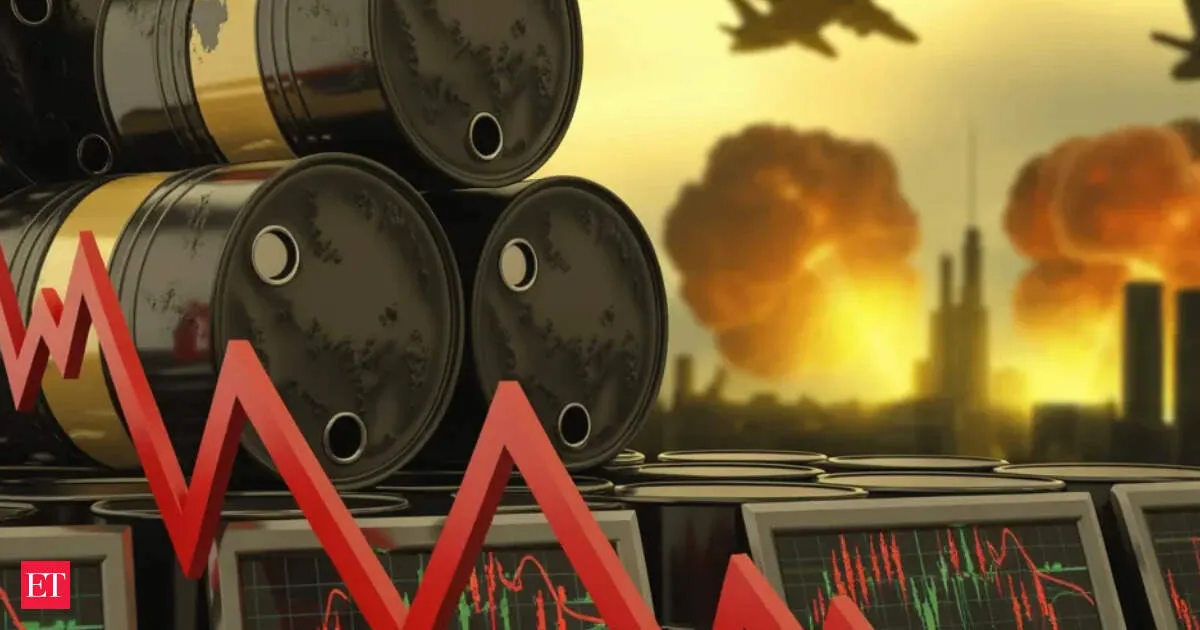
The West Asia conflict has highlighted India’s exposure to energy shocks, reigniting pressure to cut crude oil imports and strengthen energy security. An RBI MPC member said tackling import bills and inflation requires more domestic exploration and a quicker shift toward alternative energy sources. The goal: protect economic growth even as global instability drives costs higher.
India’s Ministry of Road Transport and Highways has issued draft rules to add E85 and E100 ethanol blends into the Central Motor Vehicles Rules. The plan follows the nationwide push to E20 and is designed to cut heavy oil imports by increasing ethanol’s share. If adopted, it would mark a major step toward flex-fuel compatibility and a reshaped fuel ecosystem.
Morgan Stanley says India may benefit from the West Asia conflict with a potential $800 billion capex boost across energy, defence, fertilisers and data infrastructure. But the brokerage warns the upside comes with real headwinds: India’s heavy dependence on oil and fertiliser imports could keep costs and risks elevated even if investment momentum rises.
Pakistan’s Prime Minister Shehbaz Sharif warned the cabinet that the US-Iran conflict has reversed two years of economic gains. He said the oil import bill has surged from about $300 million to $800 million, deepening debt pressures. Sharif urged unified action and said diplomatic mediation should continue to stabilize the situation.
Never miss a story
Set alerts for the topics and sources you care about. Download Beige for free.
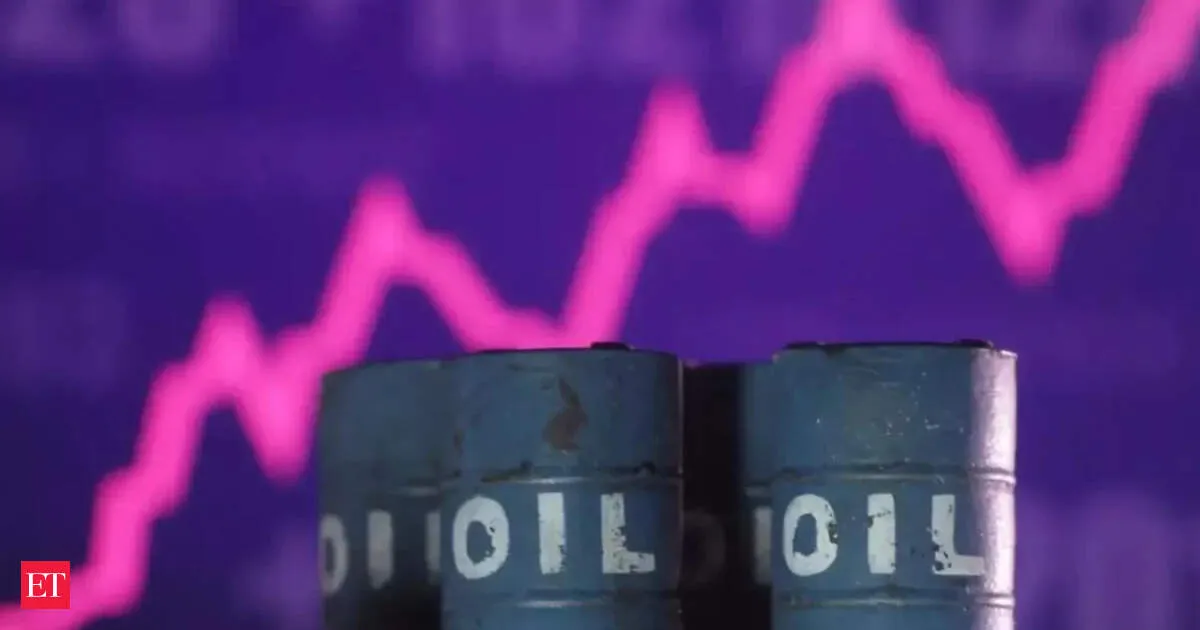
India is moving fast to plug a crude oil shortfall triggered by disruptions in the Middle East. Refiners are boosting Russian imports, aided by a US waiver, while reviving alternative supply lines from Africa, Iran, and Venezuela. The shift is helping India avoid fuel shortages that other regions have faced, even as logistics and contract costs remain challenging.
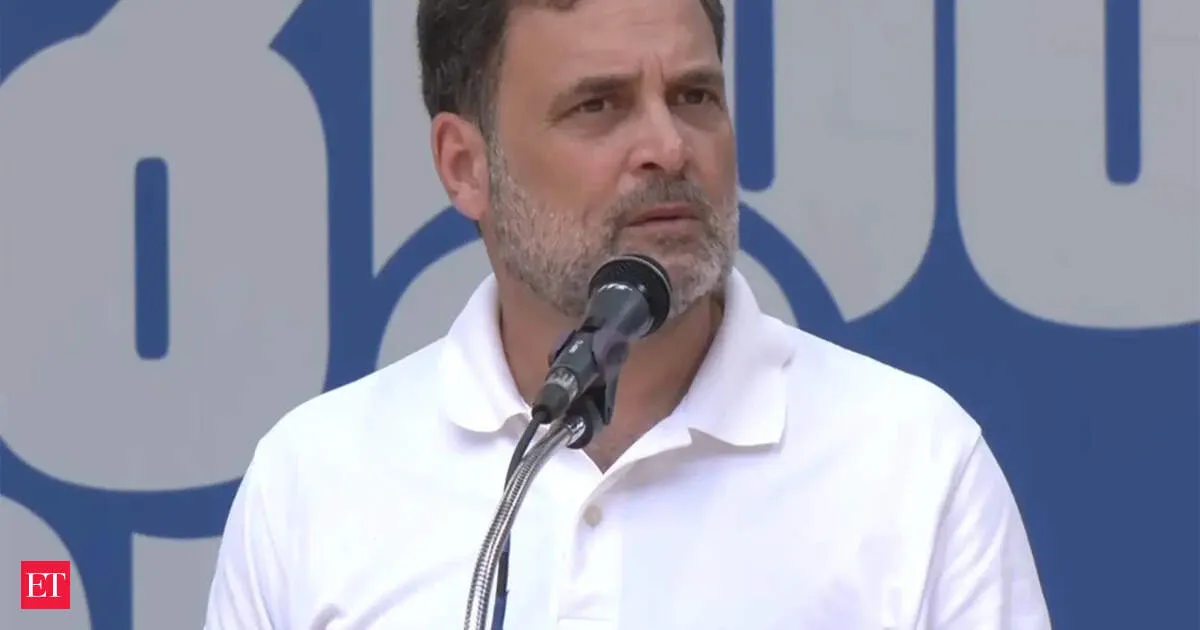
Congress leader Rahul Gandhi sharply attacked the RSS, calling it “Rashtriya Surrender Sangh.” He said RSS leader Ram Madhav exposed the group’s “fake nationalism” in India and “pure servility” in the US. The remarks come after Madhav criticized India’s move to stop oil imports from Iran and Russia and accept higher US tariffs, framing it as surrender to Washington.
India is set to fast-track flex-fuel vehicles that can run on higher ethanol blends, aiming to curb dependence on imported oil. The push comes as crude markets stay jittery due to geopolitical shocks, including conflicts affecting Middle East energy supplies. If adoption accelerates, ethanol could become a buffer against oil price spikes and import volatility.
India is exploring ethanol blending in petrol beyond the current 20% benchmark and is also pushing flex-fuel vehicles to enable higher biofuel use. The government is holding discussions with industry stakeholders as it plans for a broader shift in transport fuel. The goal: reduce dependence on imported oil while strengthening domestic biofuel production and consumption.
Reading on mobile?
Open Beige in the app for a smoother experience — free on iOS and Android.
The Reserve Bank of India has launched a special foreign exchange window to provide dollars to state-run refiners, a step designed to ease rupee pressure. The supply is expected to be routed through state-run lenders, reducing the heavy daily dollar demand tied to oil imports. Analysts say the move could support rupee appreciation in the near term.
The Indian rupee strengthened on Friday after a Reuters report said the RBI took a step to curb state-run oil companies’ dollar demand. That action built on earlier measures which have already narrowed the rupee’s underperformance versus other Asian currencies over the past fortnight. Traders expect reduced FX pressure from these demand controls to support the currency in the near term.
Market veteran Pashupati Advani says India’s rally may be fragile, pointing to unresolved risks like disruptions around the Strait of Hormuz that could affect oil and LNG imports. He also flags a near-term LPG crunch and growing pressure on IT jobs, citing visa curbs, AI disruption, and stagnant hiring—calling it a potential earnings shock.
The Indian rupee slid past 95 per dollar, recording its steepest annual fall in 14 years. After a brief early recovery, strong dollar demand from oil companies and importers drove the currency to fresh lows, while RBI intervention helped it end at about 94. The pressure has been especially heavy over the past month.
Follow your favourite sources
Track sources, tags and categories — all in the Beige app.
ONGC Videsh was created to secure overseas oil assets and reduce India’s reliance on imports. But after six decades, energy self-reliance still feels out of reach. The story highlights how ambitious global sourcing plans can be undermined by evolving markets, shifting strategy, and persistent demand for external supply.
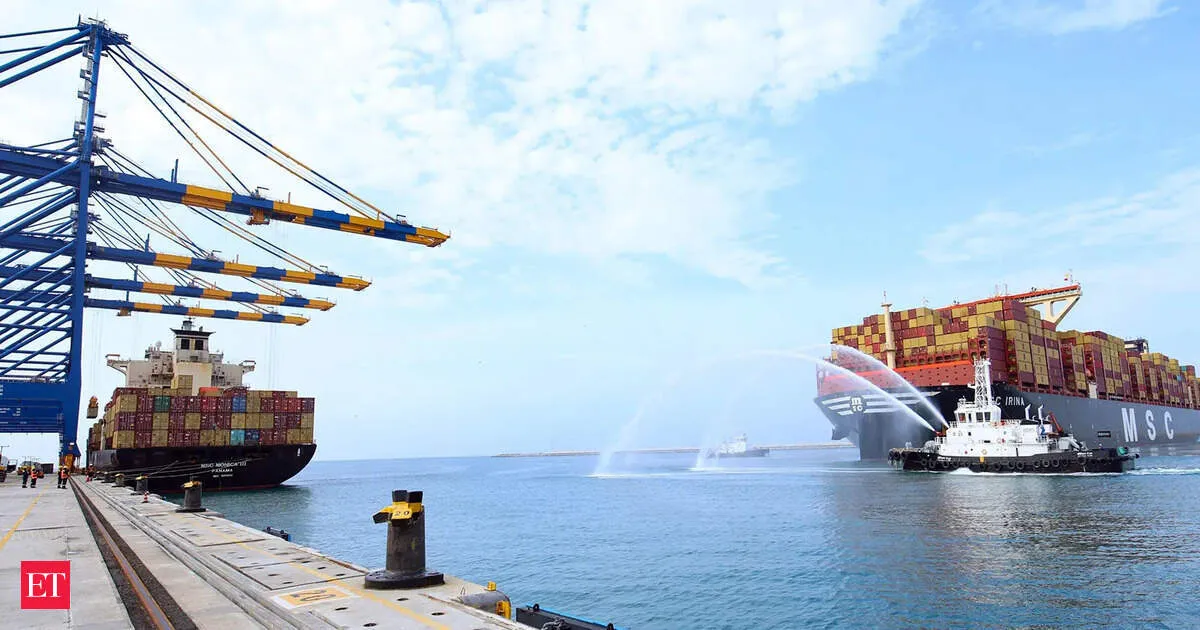
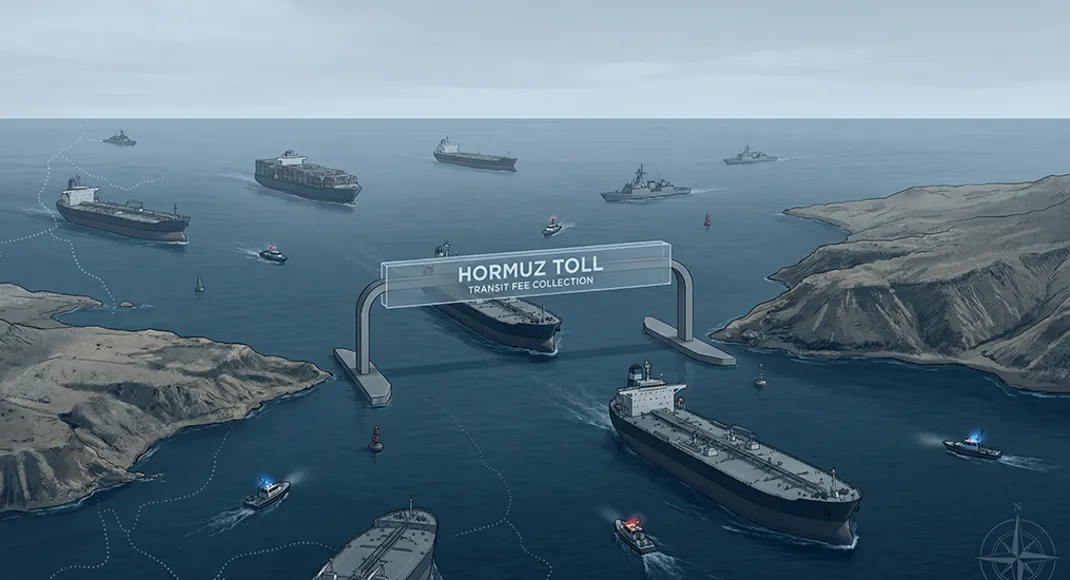
Iran’s new USD1 war toll per barrel passing through the Strait of Hormuz could push India’s annual oil import bill up by nearly INR10,000 crore. Though it breaches transit passage rights, India still has room to act—using diplomatic and legal levers—to protect energy supplies and contain costs.
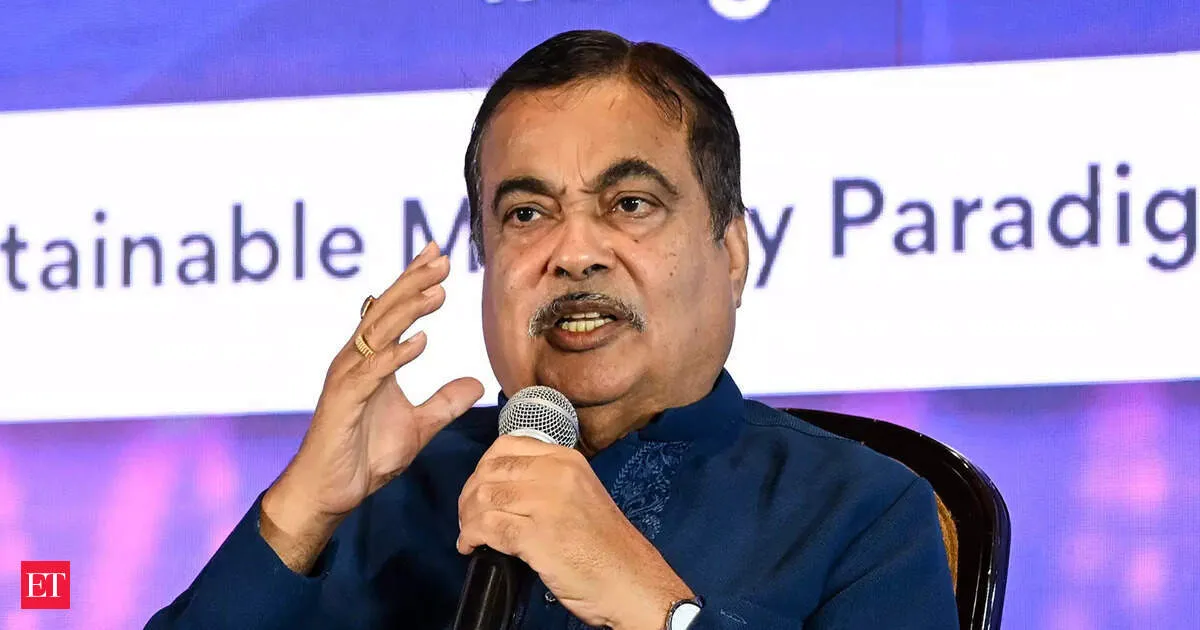
Nitin Gadkari says India should target 100 percent ethanol blending soon to improve energy self-reliance as global oil markets stay uncertain. With India currently importing about 87 percent of its oil, the push will accelerate alternative and biofuel production. Green hydrogen is also flagged as a future fuel option.
India’s current account deficit is set to widen as expensive oil imports strain foreign exchange inflows, with the Iran conflict adding further pressure. Economists warn RBI steps may only deliver short-lived support to the rupee. If the oil cost shock persists, the deficit could expand enough to push India into a balance of payments shortfall for a second straight year.
Stay informed on the go
Bite-sized news from 100+ trusted sources, right in your pocket.
Swipe through stories, personalise your feed, and save articles for later — all on the app.