Bitcoin drifted toward $79,000 as rising US Treasury yields, renewed inflation worries, and high oil prices triggered a risk-off mood across global markets. The pullback followed a failed attempt to regain the $82,000–$82,500 resistance band, with trading around $78,799. In 24 hours, Bitcoin fell about 2% and Ethereum slipped 1%. Overall crypto market value fell roughly 2% to $2.63 trillion, while analysts flagged ETF flows, macro liquidity, and on-chain behavior as key for the next move.
Crude oil surged nearly 8% over the week, pushing Brent to $109.26 and WTI to $105.42, as renewed U.S. and Iran rhetoric dimmed hopes for a quick deal on ship attacks near the Strait of Hormuz. While a ceasefire remains, expectations for rapid reopening have weakened, raising fears of longer disruptions to oil and LNG flows through a route carrying nearly one-fifth of global supplies. Analysts warn pricing could stay volatile if Hormuz closure drags into June or beyond.
Your news, in seconds
Get the Beige app — every story in 60 words, updated hourly. Free on iOS & Android.
As the US-Iran conflict shows no signs of ending, former UN Economic Advisor Santosh Mehrotra warns India faces a fresh oil-driven spiral. He says every USD 10 rise in global oil can widen India’s current account deficit by about 0.3% of GDP and similarly lift CPI. With GDP and CPI revisions already reflecting the “current situation,” he fears prolonged war effects. He points to Strait of Hormuz disruptions, tighter LPG supply hurting restaurants and ceramics, and a diesel hike that could further spread inflation to consumers.
ICICI Bank Global Markets warns India’s external balance may worsen as a West Asia conflict keeps oil prices elevated, with crude averaging near USD 100 per barrel. Even with resilient services exports, it expects the current account deficit to land around 1.5–2% of GDP, assuming non-essential imports are curbed and capital inflows improve as global risk sentiment stabilizes. April data showed goods exports up 14% but imports rose faster, led by an 82% jump in gold.
Wall Street reversed its recent momentum on Friday, pushing the S&P 500, Nasdaq, and Dow Jones lower as investors retreated from a stretched technology rally. The sell-off gathered pace alongside rising Treasury yields, with the 30-year yield moving above 5.1% amid inflation worries. Oil surged after Trump’s comments on Iran, lifting West Texas and Brent above key thresholds. Market hopes were also dampened by a Trump-Xi summit that delivered fewer breakthroughs than traders expected.
With Brent crude climbing to around $100 a barrel from $73 since the Middle East unrest began on February 28, India’s core sectors face fresh cost pressure. New Supply and Use Tables from the statistics ministry show petroleum products embedded in intermediate inputs across industries. Iron ore is the biggest standout, with petroleum accounting for 56.7% of intermediate consumption in 2023-24, followed by mining at 56% and land transport at 54.7%, putting multiple supply chains at risk.
Never miss a story
Set alerts for the topics and sources you care about. Download Beige for free.
Longer-dated U.S. Treasury yields rose to their highest levels in a year as oil prices climbed and renewed fears of Middle East energy disruptions intensified inflation worries. Friday’s jump followed comments from President Donald Trump and Iran’s foreign minister, which dimmed hopes for a quick deal to end attacks and seizures near the Strait of Hormuz. Investors were further spooked by fresh inflation data showing energy impacts already boosting both consumer and producer prices, pushing yields up across the curve.
U.S. stock futures tracking the Nasdaq and S&P 500 dropped more than 1% as Treasury yields jumped amid rising inflation worries tied to the Middle East conflict. The 10-year Treasury yield hit 4.54%, the highest since early June 2025, while bond markets priced in faster rate hikes and weaker growth. Even after Wall Street’s AI-fueled record closes, Brent crude climbed almost 3% to about $109 as the Strait of Hormuz remained closed, pressuring oil-heavy sectors like airlines.
Gold prices are tumbling sharply, falling over 13% since the U.S.-Iran conflict escalated on February 28. Spot gold dropped 2% to around $4,557 per ounce, the lowest in weeks, with losses extending for a fourth straight session. The move is being blamed on rising oil prices fueling renewed inflation fears, higher U.S. Treasury yields, and a stronger dollar. Markets have also grown more skeptical about near-term rate cuts, weighing on the non-yielding metal.
European shares tumbled on Friday as a deadlock in U.S.-Iran talks hit risk appetite, rattled energy markets, and revived slowdown concerns. Trump said his patience with Iran is running out after agreeing with Xi Jinping that Tehran must not obtain nuclear weapons and should reopen the Strait of Hormuz. Global bonds fell and oil rose. U.S. and European inflation prints this week pointed to the Iran war’s effects in consumer and producer prices, boosting expectations of further ECB tightening.
Reading on mobile?
Open Beige in the app for a smoother experience — free on iOS and Android.
India’s merchandise trade deficit widened to $28.38 billion in April, beating Reuters’ $26.5 billion forecast, as imports surged and energy costs rose amid conflict in the Middle East. Exports rose to $43.56 billion, but imports climbed to $71.94 billion from $59.59 billion. Services trade offered partial support, lifting estimated overall exports of goods and services to $80.80 billion. The rupee took pressure and policymakers intervened, while Modi urged fuel conservation and curbs on non-essential imports and travel.
Morgan Stanley believes India can lift nominal growth toward 12% even as a West Asia crude oil crisis squeezes the global outlook. The bank says earnings growth has already turned after a six-quarter mid-cycle slowdown and should improve further, supported by RBI and government reflationary steps such as rate cuts, bank deregulation, liquidity infusion, and targeted capex in energy, defence, semiconductors, fertilisers, and data centres. Challenges remain, including limited direct AI exposure for equities and AI disruption risks for services exports.
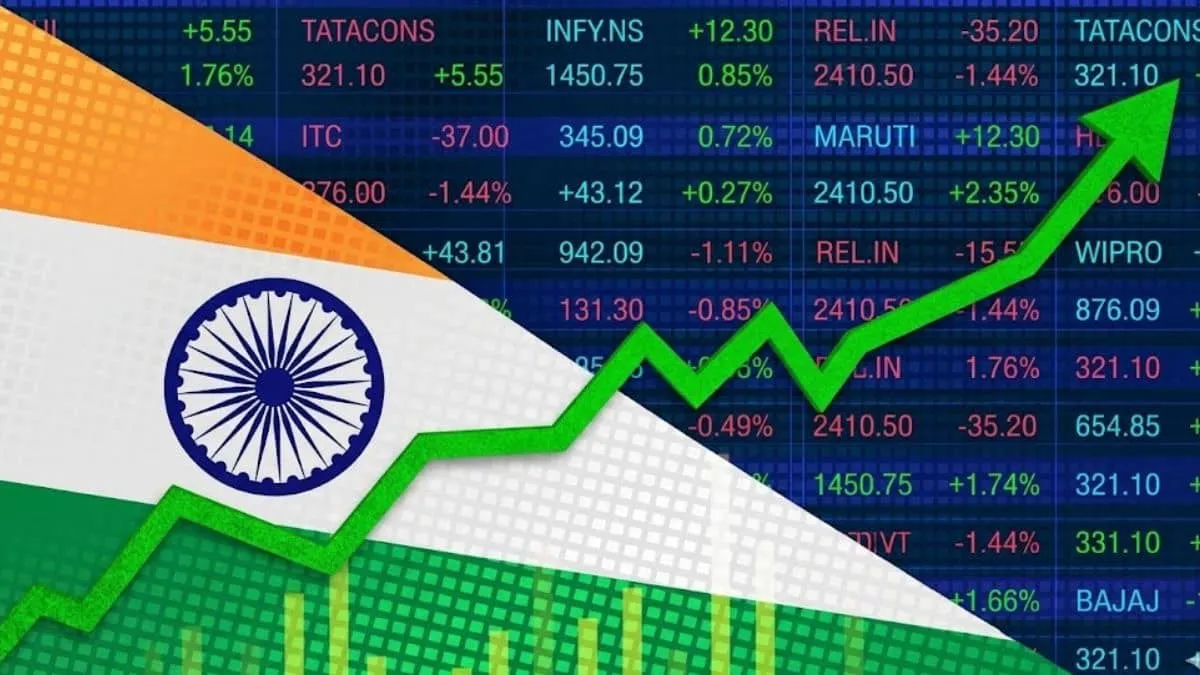
Indian equities bounced back after early-week jitters, helped by fuel hikes being passed to consumers and fading concerns around the Adani group. But market expert Sandip Sabharwal says the next leg of the bull run hinges less on corporate earnings and more on global macro forces—commodity prices, inflation, and Middle East geopolitical risk. Investors are watching what happens in Iran after Donald Trump’s China visit, with crude possibly cooling only if tensions ease.
The Indian rupee weakened on Friday, edging close to its record low as oil stayed above $100 a barrel and US bond yields climbed. It fell 0.2% to 95.94, near the 95.9575 record hit the prior session, but state-run banks’ dollar sales helped prevent a deeper slide. Brent rose above $107 after fresh Iran-related uncertainty. India also raised petrol and diesel prices by more than 3% for the first time in four years, while markets priced about 90 bps of potential hikes, alongside expectations of Fed tightening.
Follow your favourite sources
Track sources, tags and categories — all in the Beige app.
Investors are bracing for US Treasury yields to stay elevated, driven mainly by oil prices rising amid a prolonged Middle East conflict and persistent inflation above the Fed’s target for nearly five years. Long-dated yields, including the 10-year benchmark, have surged—up about 45 basis points since early March and hitting an 11-month high. Higher borrowing costs could weigh on growth and equities, while Warsh must manage inflationary pressures beyond the Fed’s direct control.
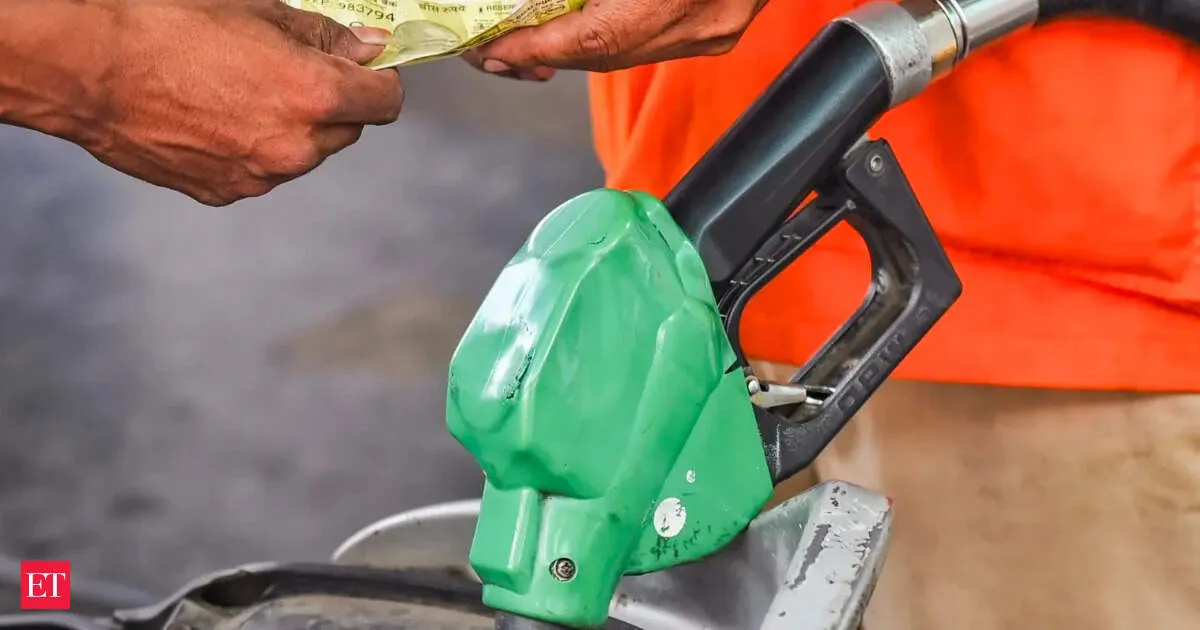
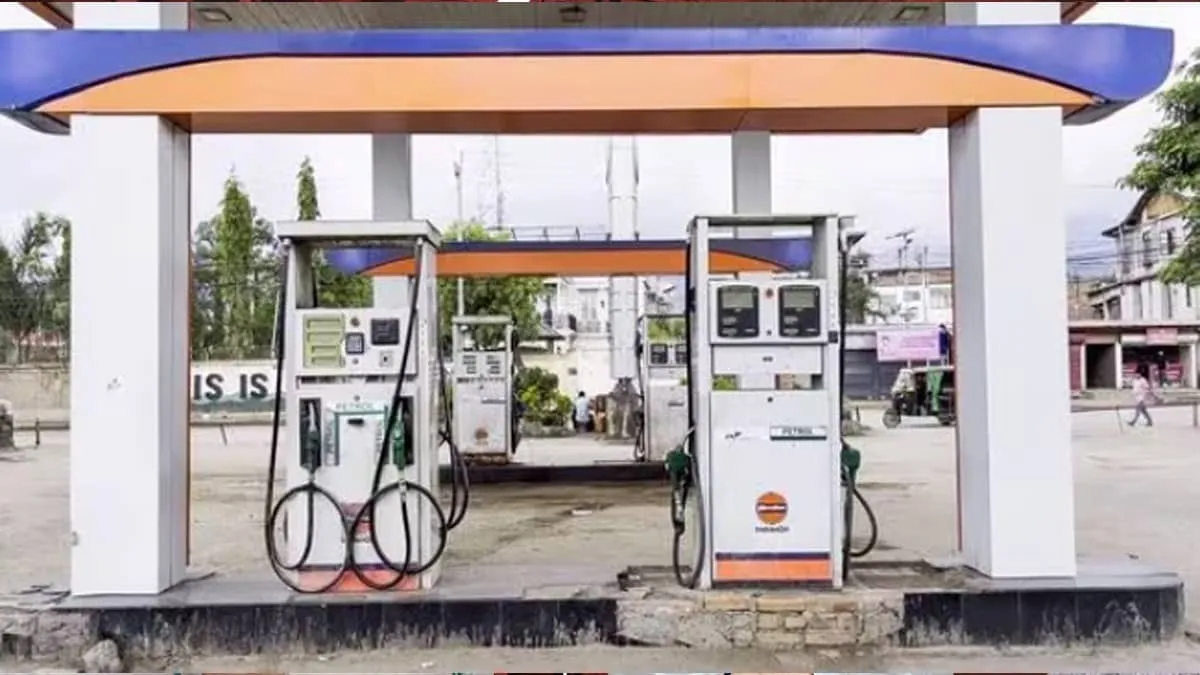
State-owned OMCs in India raised petrol and diesel prices by Rs 3 per litre nationwide, the first major change in nearly four years. Retail rates soon broke the psychological Rs 100 mark in most metros, with Hyderabad recording the highest petrol at about ₹110.89 per litre, ahead of Kolkata and Mumbai. The move is linked to the Iran-US conflict, rising Brent crude near $126 and a Strait of Hormuz disruption. Economists warn inflation could cascade into logistics and daily essentials.
Oil prices rose Friday, pushing Brent above $105 a barrel, as traders grew wary of ship attacks and seizures near the Strait of Hormuz despite Iran’s claim that around 30 vessels crossed safely. Markets are also tracking US China talks in Beijing. A US naval blockade remains active, and a commercial ship was reportedly seized before being taken into Iranian waters. With the IEA warning the market may stay severely undersupplied until October, analysts warn the squeeze could last into late 2027.
Gold prices slid to a more-than-one-week low and were on track for a weekly decline as surging energy costs reignited inflation worries and raised the prospect of higher-for-longer interest rates. Traders also kept a close watch on the Trump Xi meeting, while the Fed signaled no near-term policy change. With the dollar firming, the pressure intensified. Meanwhile, India is set to restrict gold imports to 100 kilograms under an advance authorization scheme.
Stay informed on the go
Bite-sized news from 100+ trusted sources, right in your pocket.
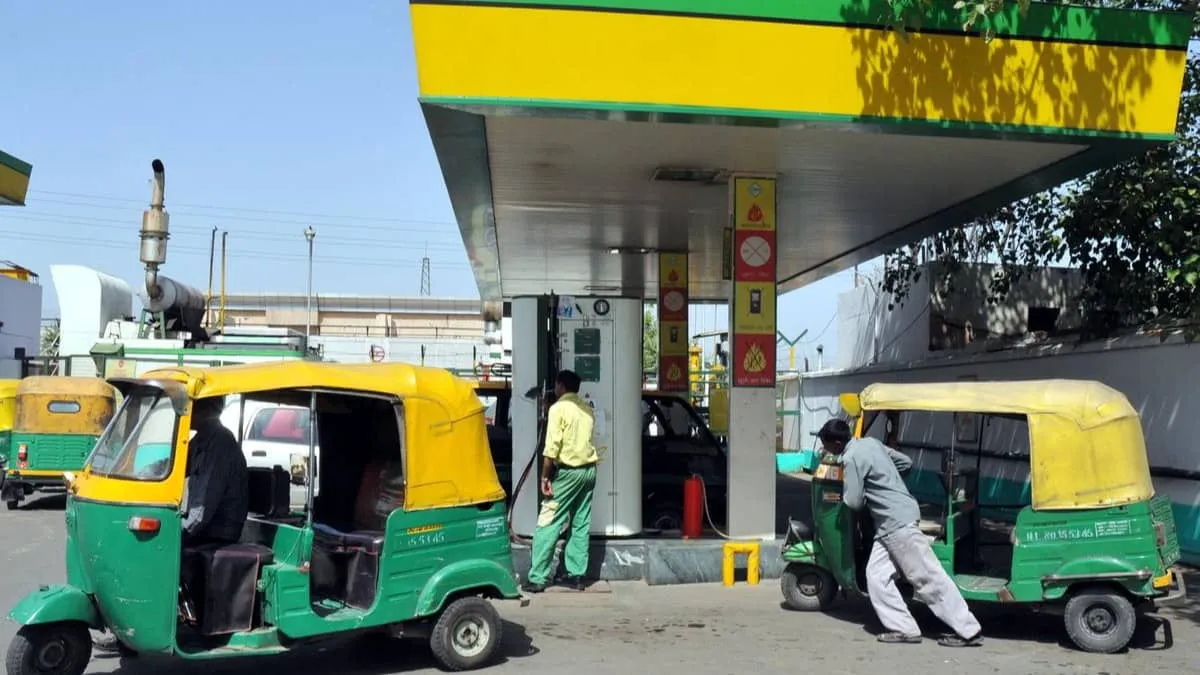
CNG prices in India have been increased by ₹2 per kg in multiple regions after petrol and diesel rates rose amid ongoing disruptions to the Strait of Hormuz, a key oil transit route. With nearly 20% of the world’s oil supply normally passing through the strait, shipping disruptions and tighter LNG flows have pushed crude and fuel costs higher. In the Mumbai Metropolitan Region, CNG now costs ₹84 per kg. Auto-rickshaw and taxi operators are pressing for fare revisions as further increases loom.
Oil prices rose on Friday as investors stayed nervous about attacks and seizures tied to the Strait of Hormuz, even after Iran said around 30 vessels had crossed since Wednesday evening. Brent futures climbed to $106.32 a barrel and WTI to $101.71, with analysts pointing to tight supply as the dominant driver. The White House said Donald Trump and Xi Jinping agreed on keeping Hormuz open, while a ship was reportedly seized near the UAE. Separately, an Indian livestock cargo vessel sank off Oman.
Swipe through stories, personalise your feed, and save articles for later — all on the app.