Globbel has officially launched a unified cross-border ecommerce platform aimed at helping brands expand internationally across 16 markets in weeks rather than years. The system combines logistics orchestration, localized payments, tax and regulatory compliance, and marketplace or D2C storefront integrations into a single operating layer—built on Stelcore infrastructure that supports thousands of brands.
India’s biggest fintech firms are shifting from disruption to regulation by actively chasing multiple licences across payments, lending, and wealth management. Companies such as PB Fintech, Mobikwik, and Paytm are using licensed operations to manage the full customer lifecycle and grow revenues, helped by regulatory pressure and stronger investor confidence in compliant models.
Your news, in seconds
Get the Beige app — every story in 60 words, updated hourly. Free on iOS & Android.
Chief Economic Advisor V Anantha Nageswaran asked large companies to release working capital to MSMEs without delays. He said quicker payments can ease MSMEs’ working-capital crunch and reduce their funding costs, which often climb when invoices stretch. The appeal targets payment timelines as a lever to improve liquidity across the MSME ecosystem.
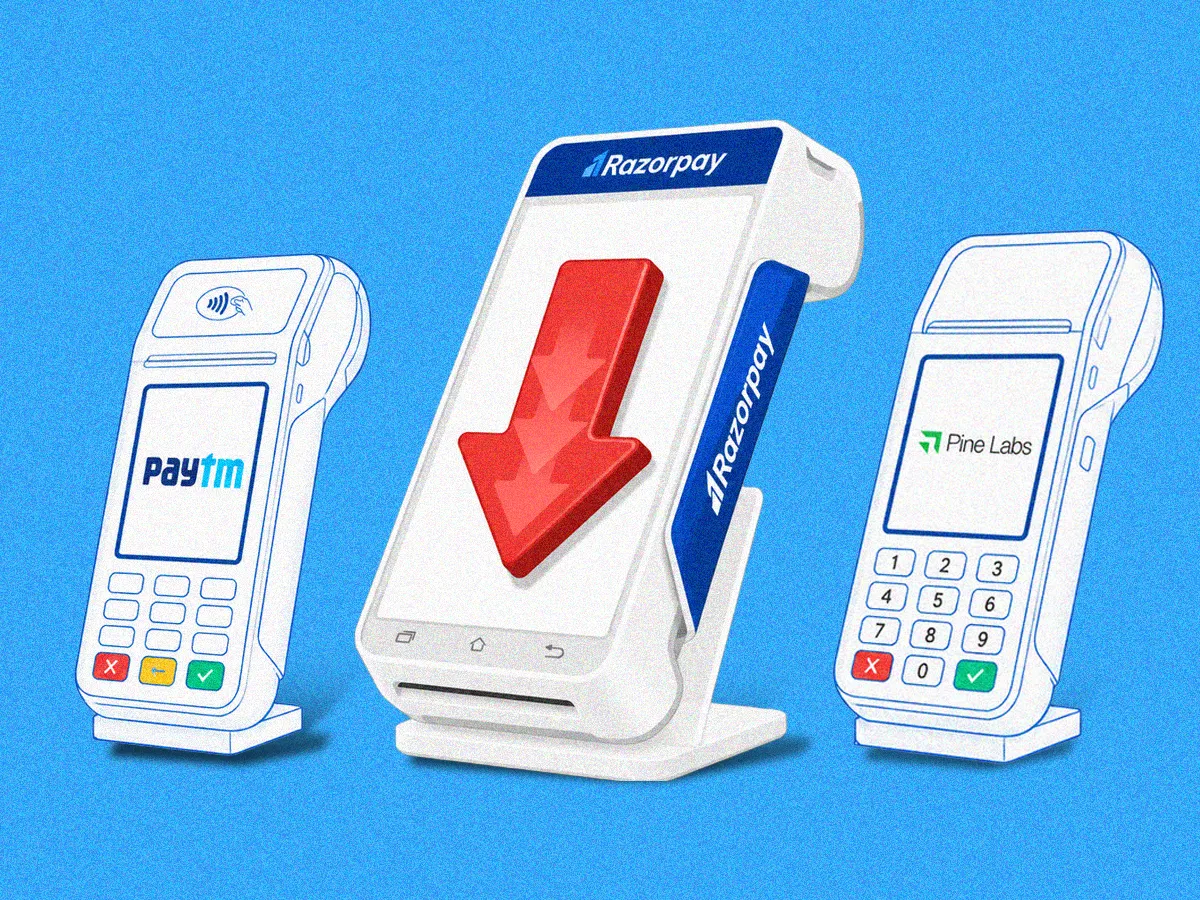
Razorpay is scaling back its offline expansion after sluggish growth in that vertical. Instead, it’s concentrating on merchants that need both online and offline payment solutions following its Ezetap acquisition. The move supports Razorpay’s IPO preparations and a focus on strengthening a more profitable core business rather than expanding field operations aggressively.
Meesho’s board has approved an investment of up to Rs 100 crore into its payments subsidiary, Meesho Payments Private Limited (MPPL). The capital will flow via share subscriptions, including a rights issue, to strengthen MPPL’s operations and growth. Meesho says the move will also improve MPPL’s ability to meet regulatory requirements and expand its payment services.
PhonePe has unveiled an AI-driven system, powered by AI coding assistants and its “Integration Intelligence,” aimed at speeding up merchant payment gateway integrations. The company says the process that typically takes weeks can now be completed in minutes, enabling faster onboarding and earlier payment acceptance—especially benefiting small and medium businesses.
Never miss a story
Set alerts for the topics and sources you care about. Download Beige for free.
American Express is rolling out its Agentic Commerce Experiences kit to let AI agents register, receive permission, follow an “intent contract,” and pay using single-use tokens within the Amex network. The system emphasizes control and proof during disputes, but its validation logic is still largely opaque, raising trust and auditability concerns outside Amex’s closed loop.
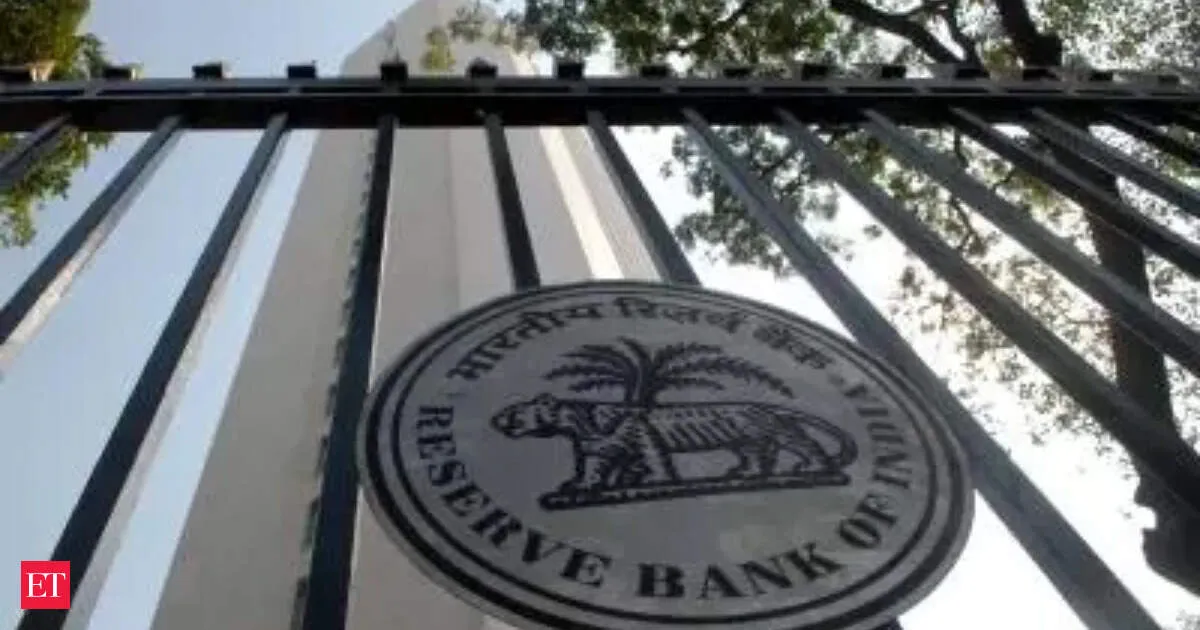
RBI has appointed Rojit Jain as a new deputy governor for a three-year term, effective Monday. He has taken over several key departments previously managed by T Rabi Sankar, while Shirish Chandra Murmu now oversees currency management and payment systems. Jain will also steer areas spanning IT, fintech, and financial markets, broadening the RBI’s tech and market focus.
Visa card payments in the UAE are expected to feel noticeably faster after Emirates NBD was appointed as the National Net Settlement Service agent. Domestic card transactions can be settled locally in dirhams, cutting processing time and reducing dependence on international rails for routine purchases.
Tech Mahindra plans to acquire an 85% stake in Canadian wealth management firm Avant Techno Solutions for CAD 28 million. The move is designed to strengthen its BFSI capabilities, with a focus on payments modernization and wealth platform services. The acquisition is expected to close by July 31, supporting financial institutions as they push through digital transformation.
Reading on mobile?
Open Beige in the app for a smoother experience — free on iOS and Android.
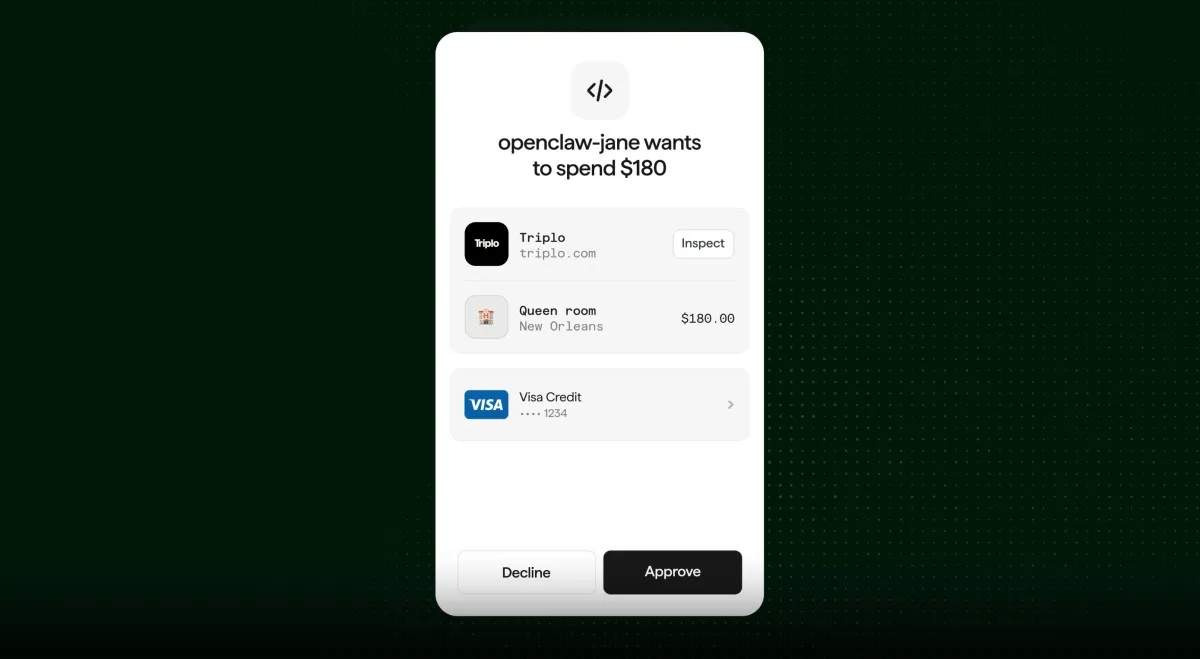
Stripe has introduced Link, a digital wallet designed for everyday payments and for the next wave of AI agents. Users can connect cards, banks, and subscriptions, then grant AI agents permission to spend through secure approval flows—aiming to automate shopping without handing over full control.
PayU is accelerating an AI-led payments strategy to support agentic commerce as UPI usage and digital transactions continue to climb. The company says it’s investing in automation alongside trust and compliance layers, enabling faster, high-frequency payments. AI use cases are expanding across merchant onboarding, risk management, and customer support as it scales operations.
A new wave of eCommerce fraud is spreading in India, with organised groups using device farming to run large-scale scams. Reports say these networks exploit returns and cashback incentives, then target accounts with saved payment details for high-value transactions. The activity is concentrated in tech hubs, forcing platforms to tighten security without harming user experience.
Paytm shares are likely to stay volatile after the RBI cancelled Paytm Payments Bank’s licence, forcing the bank’s closure. Paytm says there should be no material impact because the banking unit was already separated earlier. Bernstein, though wary about the RBI’s regulatory tone, believes disruption will be limited and that licensing opportunities may still emerge.
Follow your favourite sources
Track sources, tags and categories — all in the Beige app.
The RBI has cancelled the licence of Paytm Payments Bank, saying it can no longer conduct banking business under the Banking Regulation Act. The move raises fresh questions for customers and the wider Paytm ecosystem, as the regulator formally ends the bank’s authority to operate. Details on next steps for users are now the key focus.
India is moving cautiously on a central bank digital currency, aiming not just for payments tech but to reduce leakages in welfare delivery. Though its early rollout looks small next to China’s massive e-yuan adoption, officials believe a successful system could scale quickly—potentially making India one of the world’s biggest CBDC issuers.
The RBI has released draft guidelines for prepaid payment instruments, focusing on stronger compliance and better customer protection. The proposal highlights expanded use of UPI-linked wallets for foreign visitors and deeper integration between prepaid instruments and UPI rails. The RBI also plans stricter handling of dormant balances, signaling tighter oversight for issuers and platforms.
NPCI’s profits are rising, but banks running UPI payments are struggling to handle the growing transaction load. Industry guidance points to performance upgrades that range from quick, straightforward changes to more complex system overhauls. The goal is to keep UPI processing fast and reliable as volumes surge.
Stay informed on the go
Bite-sized news from 100+ trusted sources, right in your pocket.
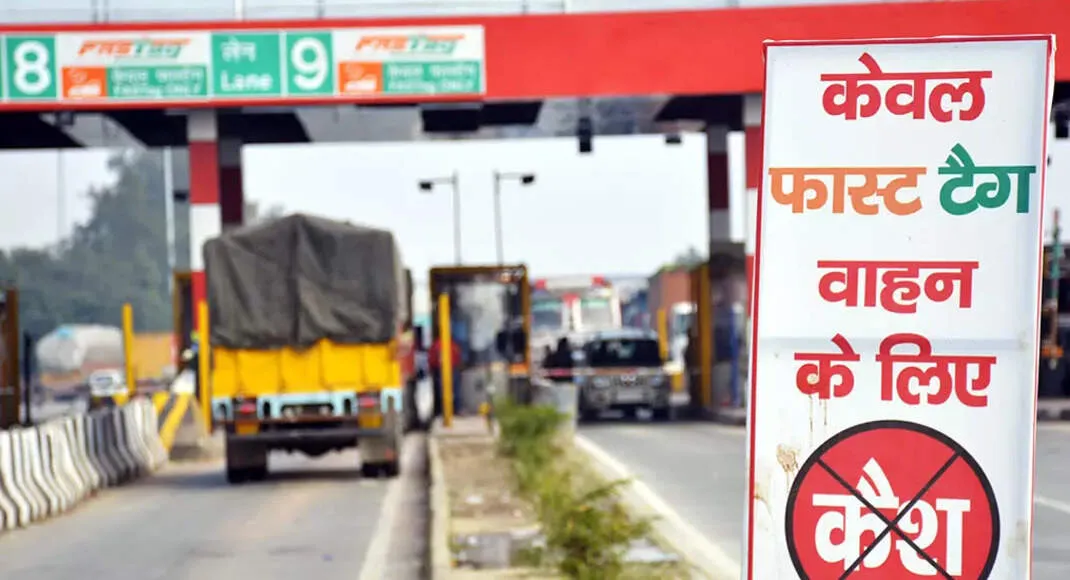
Logi-fintech firm 1Pay says it can bring structure to India’s vast, fragmented trucking ecosystem by leveraging the widespread adoption of FASTag. The company’s growth plan banks on digital payments and better fleet operations, but it also has to compete in a crowded field where other players are pushing similar logistics-tech digitisation.
MeitY has announced new rules for online games, exempting games without real money stakes from mandatory registration. Real money games will face stricter evaluation, while banks and payment firms will be responsible for enforcing bans. Competitive e-sports will be classified separately, and required user safety features are set to apply across platforms.
Swipe through stories, personalise your feed, and save articles for later — all on the app.