India’s latest petrol and diesel price increase could fan out into wider retail inflation, economists warn. Analysts estimate fuel hikes may add 10–25 basis points to headline CPI, with effects starting to show in May data and strengthening in June. Transporters expect road freight charges to rise 2.5–3% as diesel, tolls, tyres, maintenance and compliance costs climb. The squeeze may worsen further as rising milk prices stack on top of fuel-driven pressure on household budgets and food delivery.
Telangana Chief Minister A Revanth Reddy has demanded the Centre roll back a recent increase in petrol and diesel prices, calling it unjustifiable and damaging to multiple sectors. In an X post, he said the justification tied to the US-Iran war amounts to breaking the backbone of the common man. Reddy claimed the government promised before elections in four states and one Union Territory that prices would not rise, yet increased them by more than Rs 3 within days.
Your news, in seconds
Get the Beige app — every story in 60 words, updated hourly. Free on iOS & Android.
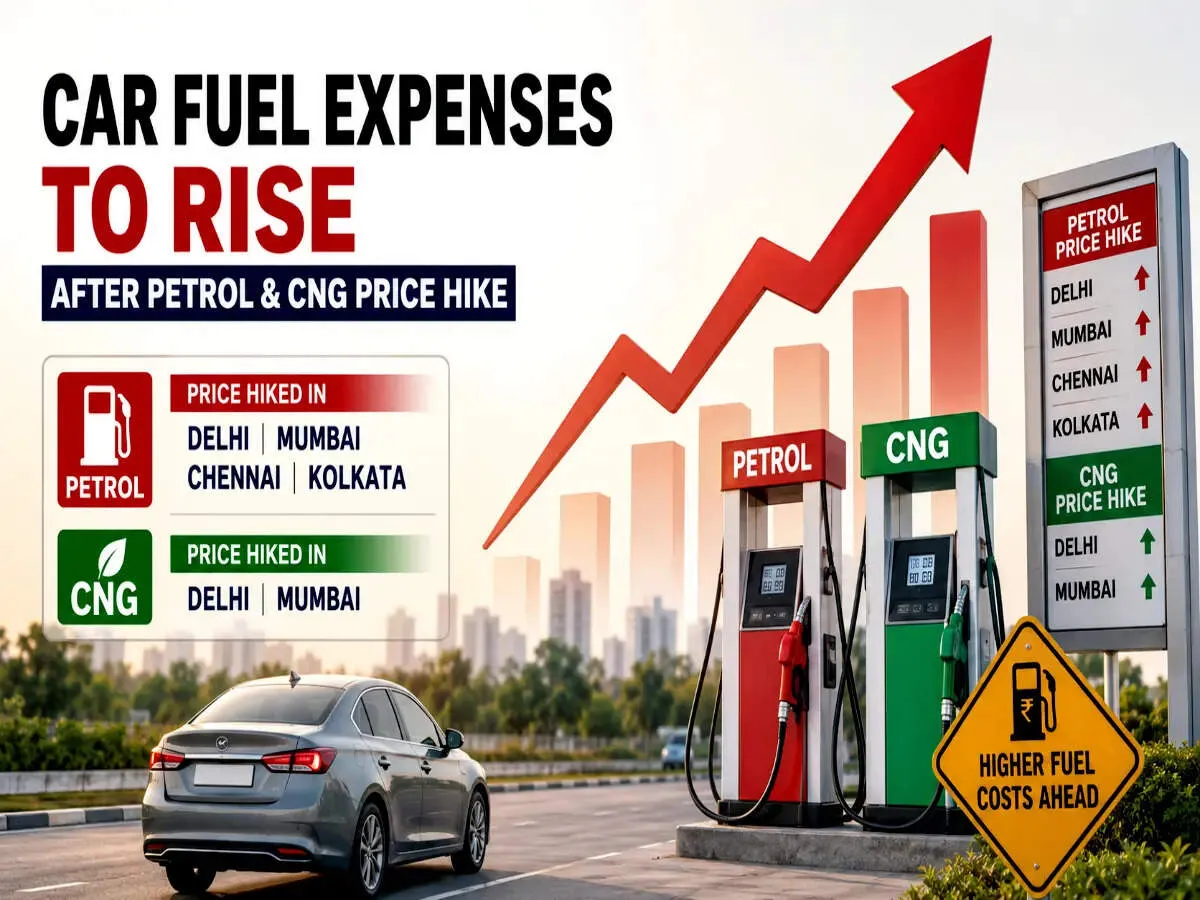
Petrol prices have climbed across India’s major metros, with the sharpest jump in Kolkata and smaller hikes in Chennai, while CNG costs rose by Rs 2 in only Delhi and Mumbai. For drivers covering 1,000 km monthly, the change can mean a few hundred to a few thousand rupees in extra fuel spending depending on mileage and fuel type. Still, calculations show CNG cars remain notably cheaper than petrol cars even after the increase.
Bank of Baroda economist Dipanwita Mazumdar says India’s current petrol and diesel pain is likely tied to how crude shocks historically play out. She notes crude prices have risen 39.7% during the current global crunch, and when crude surges sharply, the “high” typically lasts only 6–7 months. Looking back over 54 years, she found major crude jumps—over 20% in a year—occurred in 18 instances. The latest hikes, ending a four-year revision freeze, add urgency amid rising imports.
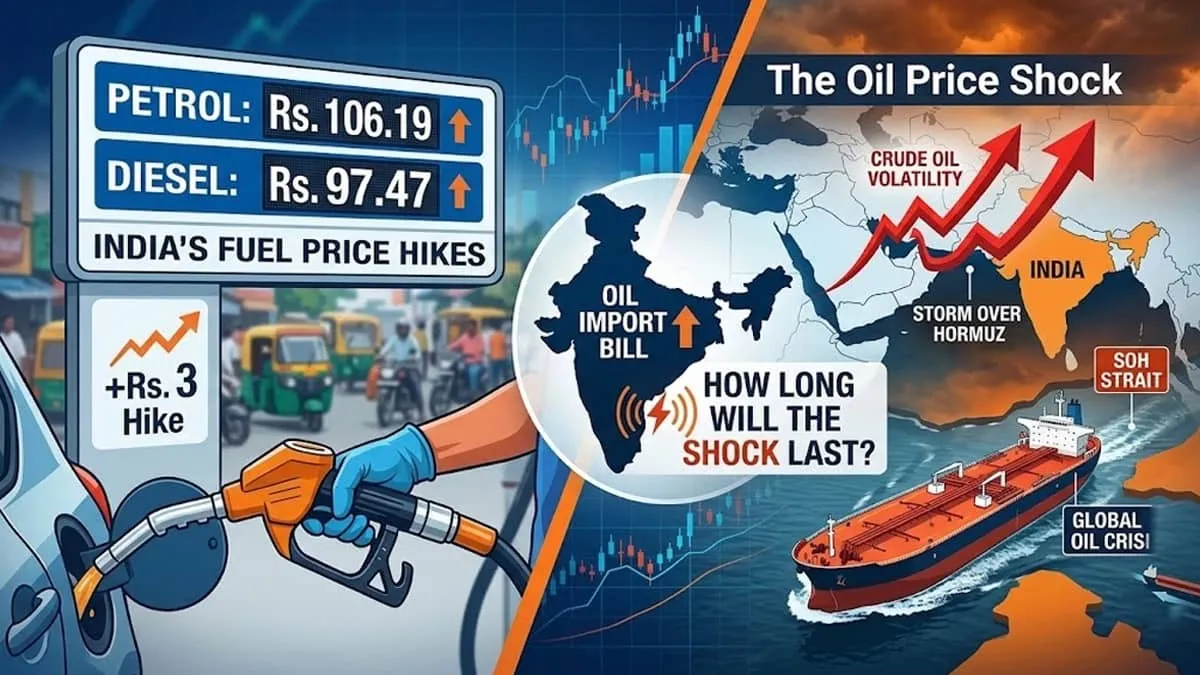
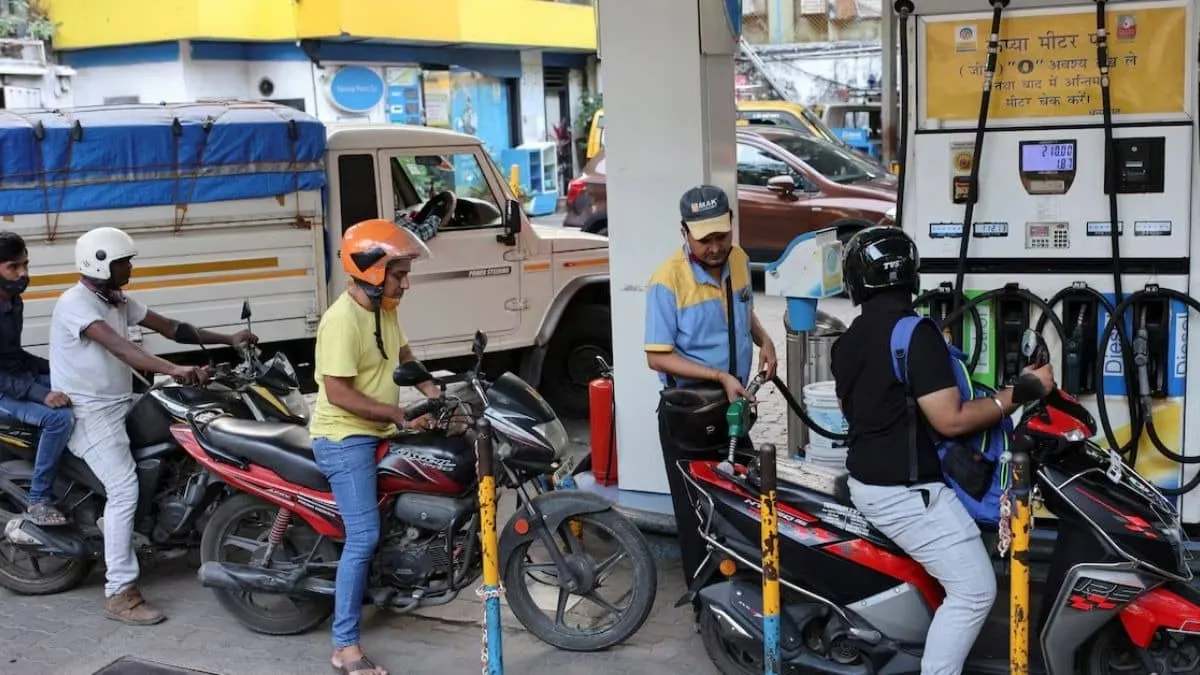
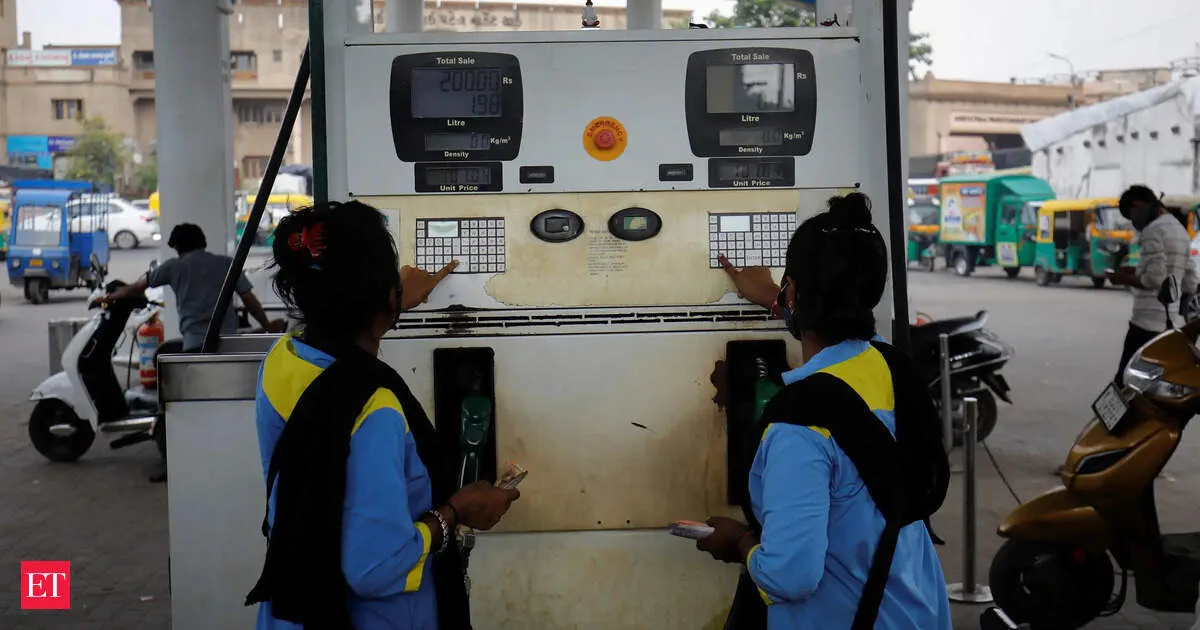
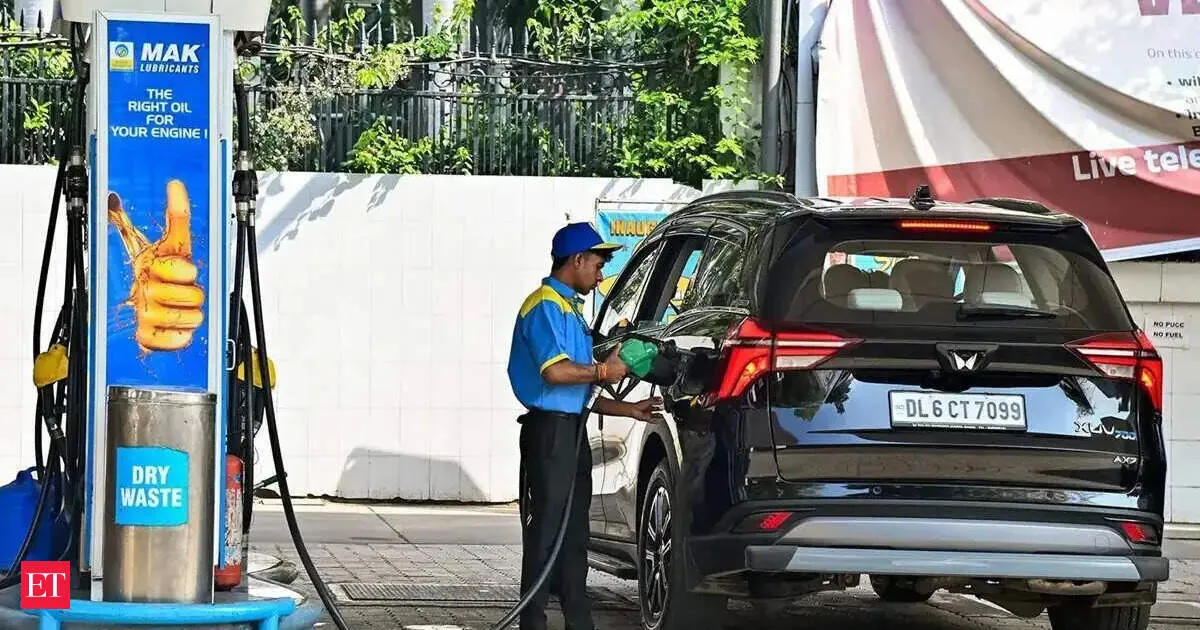
India’s state-run oil marketing companies raised petrol and diesel prices by roughly ₹3 per litre on Friday, the first increase in over four years. In Delhi, petrol climbed to ₹97.77 and diesel to ₹90.67 per litre. Economists say the move was expected as global crude prices surged amid the West Asia conflict and supply disruptions around the Strait of Hormuz. They caution that while the immediate inflation hit may be limited, higher transport and logistics costs could gradually raise prices of everyday goods.
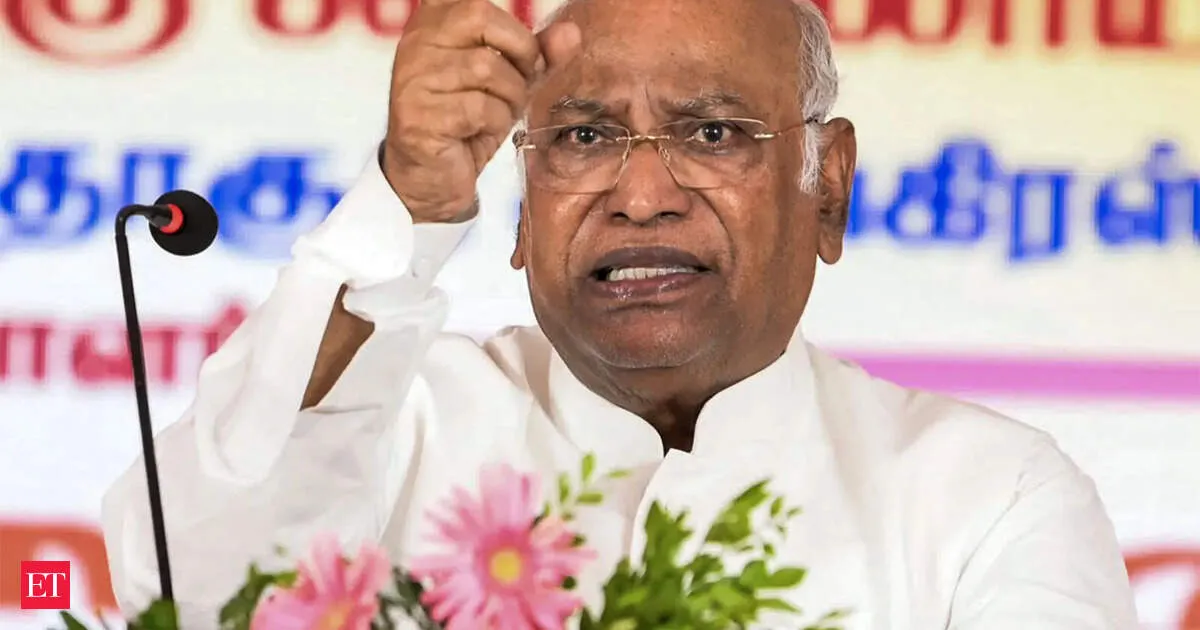
Congress president Mallikarjun Kharge attacked the Centre over Friday’s petrol and diesel price increase, calling it a “Modi-government-made crisis” driven by “leadership crisis” and lack of vision. He argued that diesel price rises create a cascading inflation effect reaching industries, household budgets and farmers, while also questioning India’s energy strategy and foreign-policy handling amid the West Asia conflict. Kharge cited reports about Russia oil waivers requiring US “allow/permission”, contrasting it with Rijiju’s defense.
Never miss a story
Set alerts for the topics and sources you care about. Download Beige for free.
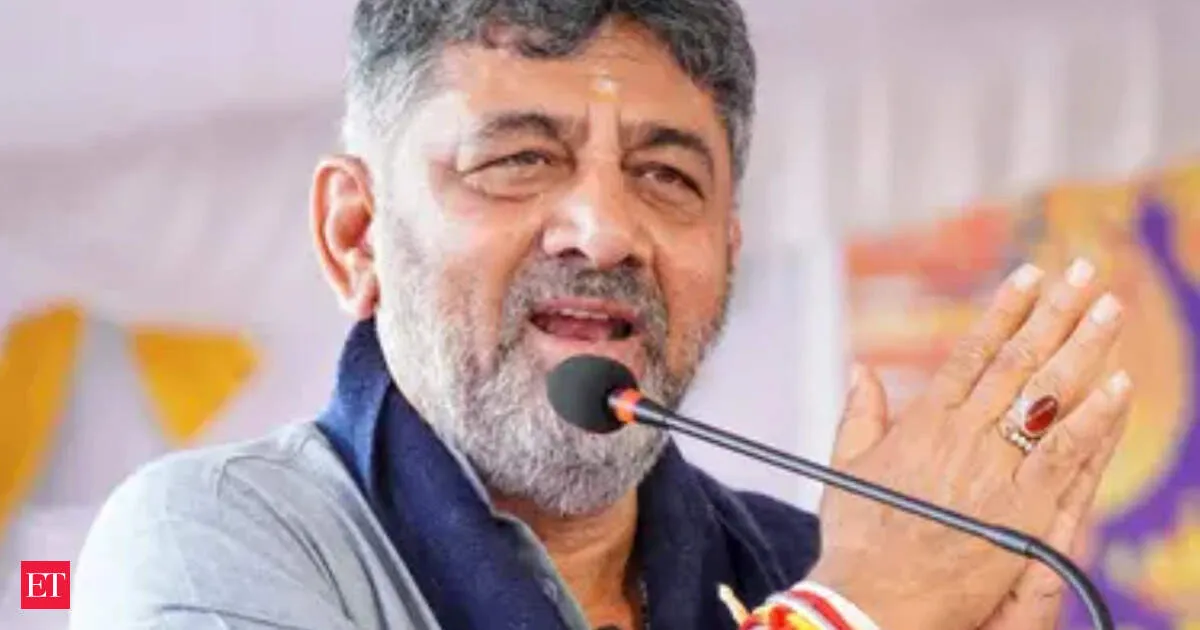
Karnataka Deputy Chief Minister DK Shivakumar attacked Prime Minister Narendra Modi over measures asking citizens to save fuel and delay gold purchases, calling the petrol and diesel price hike a “gift” in a “tragic situation.” He said such appeals are unrealistic because people earn and live their lives accordingly. Prices rose Rs 3 per litre for both fuels on Friday—the first increase in over four years—amid retailer losses tied to global crude costs after the West Asia conflict.
India’s oil marketing companies got a small cushion as petrol and diesel prices rose by Rs 3 per litre, but analysts say it barely covers the daily bleed caused by volatile, elevated crude costs. Energy analyst Yogesh Patil estimates the move cuts losses by about Rs 141 crore per day, yet under-recoveries will persist unless prices rise another Rs 11 per litre. The government appears to be using gradual hikes to control inflation while protecting retailer finances.
Oil marketing companies like HPCL, BPCL and IOC came under pressure even after the Centre raised petrol and diesel prices by up to Rs 3 per litre from immediate effect. The hike, aimed at easing OMCs that have been absorbing losses from elevated global crude rates, followed prolonged disruptions in the Strait of Hormuz and the wider West Asia energy crisis. Despite the adjustment, shares fell as much as 3% on Friday, while petrol crossed Rs 97 in Delhi and surged higher in Kolkata.
Petrol and diesel prices were increased by Rs 3 per litre in India after days of anticipation, driven by rising global crude oil costs linked to conflict in West Asia. In Delhi, petrol rose from Rs 94.77 to Rs 97.77, while diesel increased from Rs 87.67 to Rs 90.67. Metro prices also climbed, with Kolkata, Mumbai, and Chennai seeing petrol gains and diesel hikes. The update follows government claims of heavy under-recovery losses amid frozen domestic retail rates.
Reading on mobile?
Open Beige in the app for a smoother experience — free on iOS and Android.
TVS Motor, Bajaj Auto, Ather Energy and Hero MotoCorp are rapidly expanding electric scooter capacity as consumers brace for potentially higher petrol prices linked to the Iran war. Executives say combined monthly production could top 150,000 units by year-end, nearly double current levels. The push marks a move from early adoption to mass-market scale, even as commodity inflation, supply chain disruptions and demand uncertainty persist. March saw EV share peak at 9.8%, but April volumes eased to 7.8%.
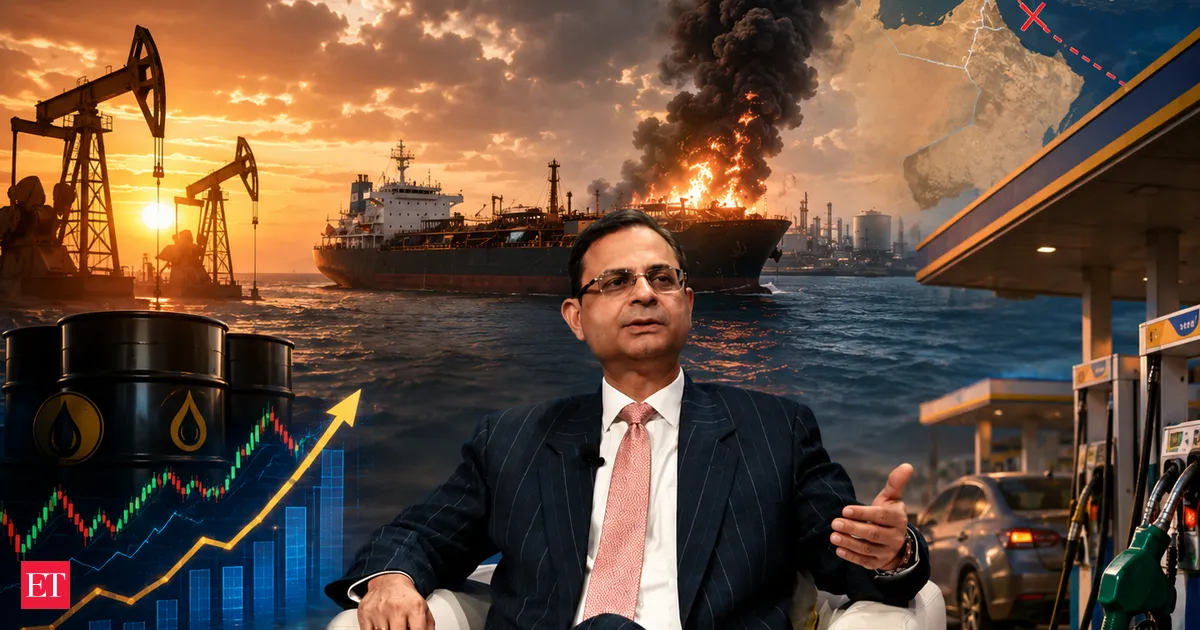
RBI Governor Sanjay Malhotra said India may face retail petrol and diesel price hikes if the Middle East conflict persists. Higher energy import costs and inflation risks could force adjustments even as the government cuts duties and state refiners absorb losses. Prime Minister Modi has urged fuel conservation, while oil companies struggle to keep current prices.
Petrol and diesel prices today remain unchanged despite the West Asia crisis, but Petroleum Minister Hardeep Singh Puri warned that oil companies are logging daily losses exceeding Rs 1,000 crore. Retailers, squeezed by these pressures, may force the government to take a call on price hikes soon, even as prices at the pump have held steady.
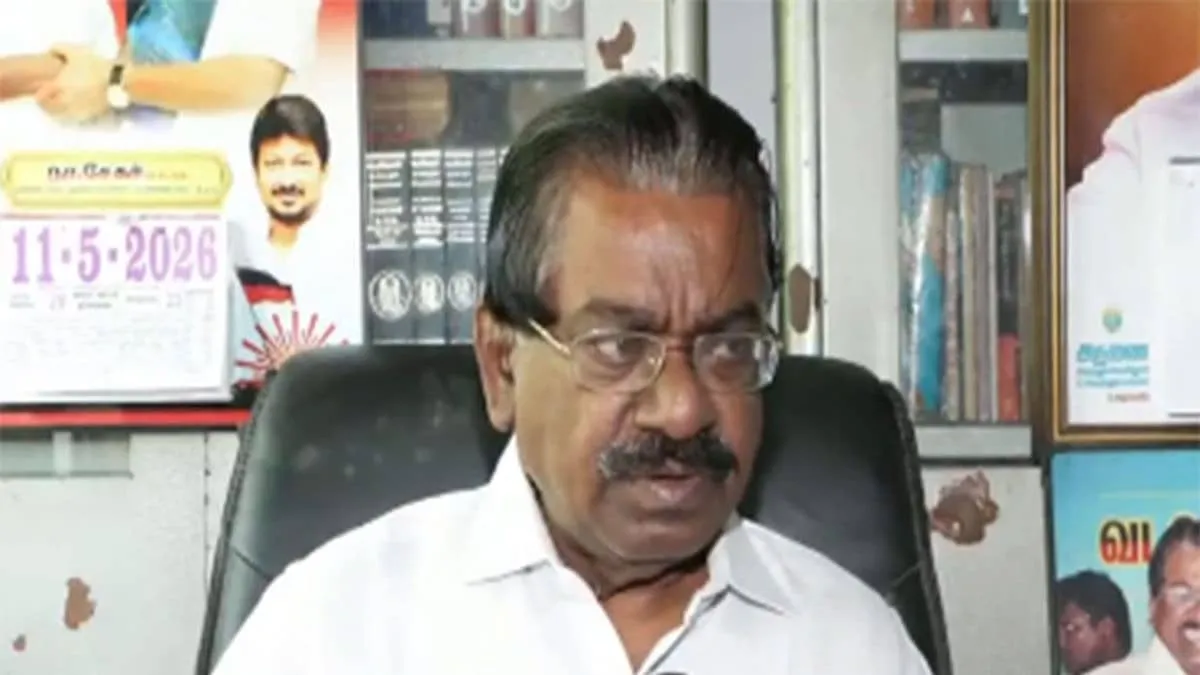
DMK spokesperson TKS Elangovan accused the Centre of driving India’s fuel crisis by allegedly stopping crude oil purchases from Russia under pressure attributed to Trump. Speaking in Chennai, he said Modi’s recent “seven appeals” to citizens amid the West Asia crisis sounded like a cover for potential petrol price hikes. The party also claimed the government plans to raise fuel costs.
Follow your favourite sources
Track sources, tags and categories — all in the Beige app.
Petrol and diesel prices stayed steady across most major Indian cities on Saturday even as global crude oil firmed up amid geopolitical tensions. Oil marketing companies and the government have been absorbing higher costs for over two months to avoid retail hikes, but the cushion is reportedly running thin. Watch Delhi, Mumbai and Gurugram for what comes next week.
Indian oil PSUs are reportedly losing about ₹30,000 crore every month on petrol, diesel and LPG as international fuel prices rise sharply. Some retail prices have been adjusted, but regular petrol and diesel rates remain unchanged, keeping under-recoveries high. Indian Oil, HPCL and BPCL face pressure on earnings, and their shares have fallen.
Petrol and diesel prices may rise by ₹5 to ₹7 per litre nationwide by May 15, sources say. The expected increase follows a global crude oil price uptick and mounting pressure on domestic oil marketing companies to bring retail rates in line with international benchmarks. An LPG price revision could also be considered, adding to household cost concerns.
Swipe through stories, personalise your feed, and save articles for later — all on the app.