Zydus Lifesciences shares surged nearly 6% after the company said its board will meet on May 19 to consider a share buyback. The rally also drew steam from its plan to acquire US-based Assertio in a deal valued at about $166 million. Investors cheered the mix of potential capital return and growth through strategic expansion.
Indian markets are staying volatile as inflation pressure and supply chain issues build toward an impending slowdown. Foreign investors are trimming exposure, adding to the turbulence. Pashupati Advani of Global Foray says investors should stay cautious, focus on strong fundamentals, and look selectively at themes like infrastructure, exporters, and pharma aligned with government spending priorities.
Your news, in seconds
Get the Beige app — every story in 60 words, updated hourly. Free on iOS & Android.
Cipla Ltd reported a steep 55% year-on-year fall in consolidated net profit for Q4, dropping to Rs 555 crore from Rs 1,222 crore a year earlier. Despite the decline, the board recommended a final dividend of Rs 13 per share for the fiscal year ending March 2026, signaling continued shareholder payout plans.
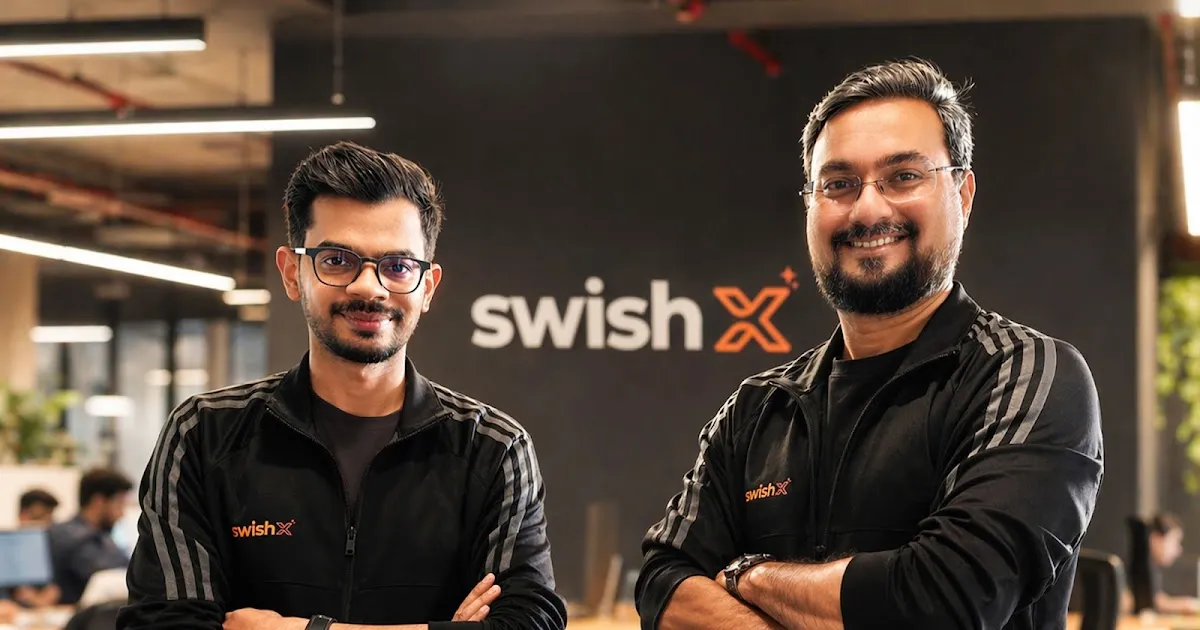
Bengaluru startup SwishX, backed by $2.2 million seed funding, has launched what it calls the world’s first agentic AI platform built for pharma and medtech companies. The system targets faster sales, marketing and distribution outcomes, including AI evaluation of thousands of tenders, analysis of 500+ page documents, and proposal drafting in minutes—aiming to cut decision and execution delays by up to 30%.
The US is rapidly accelerating research into psychedelics for mental illness, signaling a major shift from counterculture to mainstream R&D. That change should push India to revisit its drug policies and build the ecosystem needed for responsible progress. With deep cultural ties to altered states, India can lead by funding research centers, developing therapies, and modernizing legal frameworks.
Biocon says it is moving from an expansion phase to a focus on capacity utilization, margin expansion, and stronger returns. After major investments to build global capabilities, the company reported 13% revenue growth for FY26, but net profit fell significantly. Biocon is also aiming for sustainable profitable growth while exploring in-licensing for its biosimilars portfolio.
Never miss a story
Set alerts for the topics and sources you care about. Download Beige for free.
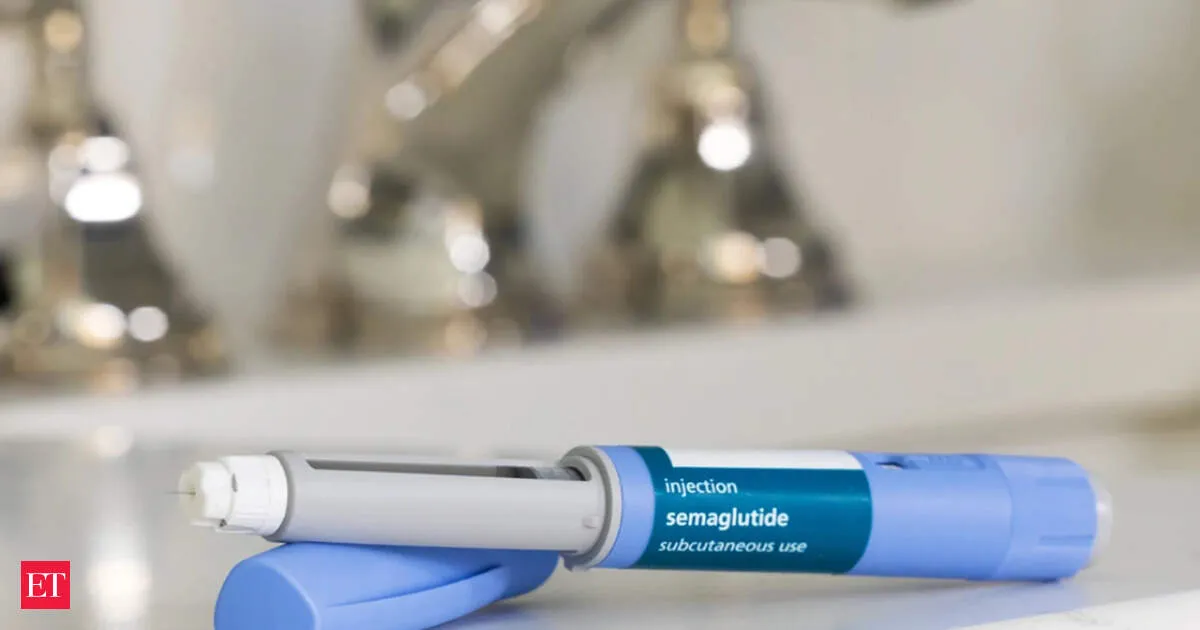
After Novo Nordisk’s innovator semaglutide patent expired in end-March, over a dozen Indian firms launched generics. In April, these generics sold about ₹44 crore in total, with Torrent emerging as the fastest mover, grabbing around 38% market share. The sprint signals intensifying competition in GLP-1 diabetes and weight-management drugs.
Zydus Lifesciences says its Zydus Biologics injectable plant in Ahmedabad was inspected by the USFDA from April 27 to May 5, 2026. The audit resulted in seven observations, though the company emphasized that there were no data integrity issues. Zydus is now in discussions with the USFDA to address the findings promptly and maintain compliance.
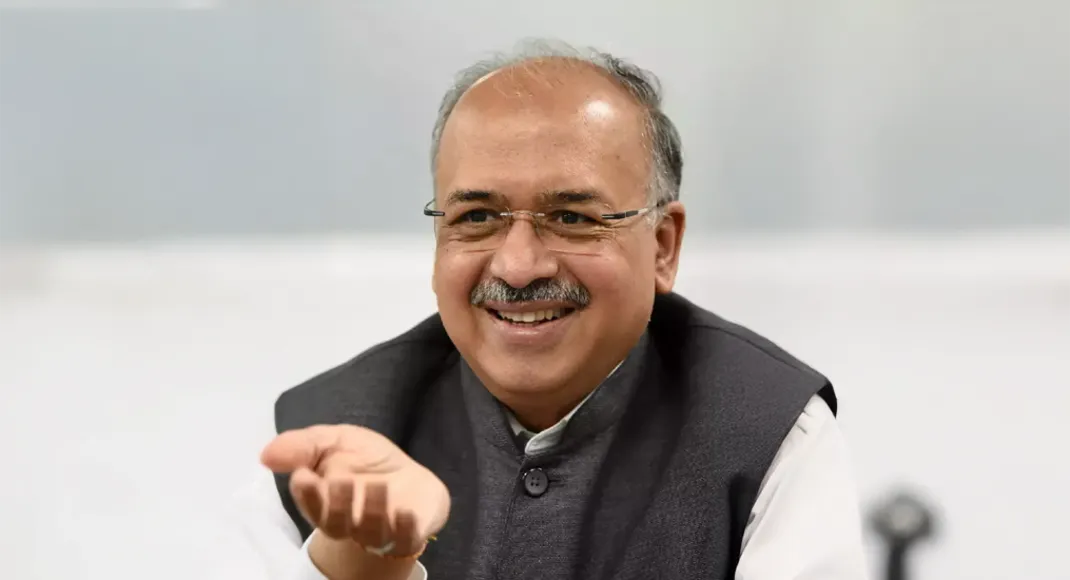
Sun Pharma’s acquisition of Organon in a record $11.75 billion deal propels the company into the world’s top 25 pharma players. While chairman Dilip Shanghvi is excited by the leap in scale and ambition, the moment also carries anxiety—highlighting how even “winning” mergers demand careful execution.
Indian companies have invested USD 16.4 billion in the United States, helping create about 70,800 jobs, according to officials. The firms also put USD 330 million toward research and development, backing innovation alongside community growth across multiple states. The inflow is being framed as a boost to the US economy, with companies like Sun Pharmaceutical recently announcing major deals.
Reading on mobile?
Open Beige in the app for a smoother experience — free on iOS and Android.
Wockhardt shares jumped around 9% after the pharma firm reported a strong March-quarter turnaround. Net profit returned to positive territory as revenue rose sharply, and full-year earnings improved too. Biotech operations drove much of the momentum, supported by expansion across emerging markets. The company also said its pipeline grew through new filings and approvals.
Indian pharmaceutical exports crossed $31 billion in FY26 despite global headwinds. But March deliveries fell 23%, largely linked to weaker demand from the United States and China. Growth held up in markets such as Africa and Oceania, and vaccines led the fastest expansion, signaling a shift in where India’s drug makers are finding momentum.
Indian pharma and healthcare companies are entering a mixed March quarter. Hospital networks expect steady growth, supported by demand across segments. But generic drugmakers are wrestling with lost Revlimid sales and pricing pressures that weigh on performance. Analysts see pockets of strength: Lupin and Divi’s look set to do well, while Sun Pharma and Torrent show resilience. Apollo Hospitals projects strong overall traction.
The Bombay High Court backed GSK’s Indian unit in its Paxil trademark dispute with Shreya Life Sciences. GSK argued that while Shreya secured the mark more than two decades ago, it never used it for pharmaceutical and medicinal preparations. That, GSK said, makes the registration liable for removal under Section 47 of the Trade Marks Act.
Follow your favourite sources
Track sources, tags and categories — all in the Beige app.
India maintains that its intellectual property rules for pharmaceuticals are WTO compliant, even as the United States continues to press for stronger protections. The dispute comes as India supplies about 20% of global generic medicines, putting generics access and the domestic industry at the center of the argument. Both sides remain locked in long-running policy differences.
India’s pharmacy delivery model is shifting as quick-commerce apps make it simpler to reorder medicines and health products. Overall sales haven’t surged, but demand is moving: wellness items are rising while acute care medicines are declining. With more shoppers turning online for health essentials, the market appears to be changing its mix rather than booming overall.
As global regulators tighten standards, India’s pharma industry is moving beyond its old cost advantage toward tighter compliance, quality systems, and regulatory trust. With scrutiny rising across target markets, exporters face higher expectations on documentation, testing, and manufacturing practices, pushing the $30 billion export engine to recalibrate its playbook for long term access.
Nandini Piramal says West Asia tensions are manageable today, but a prolonged US Israel war against Iran could raise costs for petrochemical derived products that feed parts of the pharma supply chain. Piramal Pharma is responding by diversifying sourcing and using global manufacturing. It expects stronger momentum in contract development and manufacturing, with growth from overseas sites and complex hospital generics.
Stay informed on the go
Bite-sized news from 100+ trusted sources, right in your pocket.
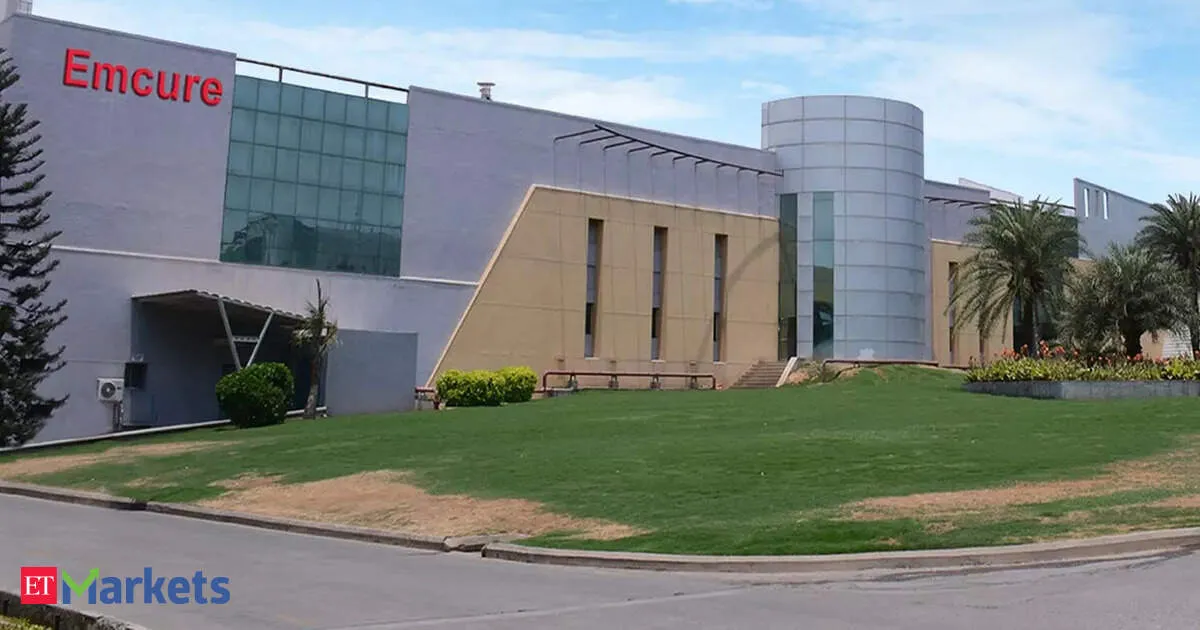
Emcure Pharmaceuticals reported a major block deal as BC Investments IV Limited sold about 18 lakh shares worth Rs 289 crore to Norges Bank. The buyer’s entry comes as the pharma company keeps outperforming, posting a 67% return over the past 12 months and a 50% year-on-year jump in net profit, bolstering investor interest.
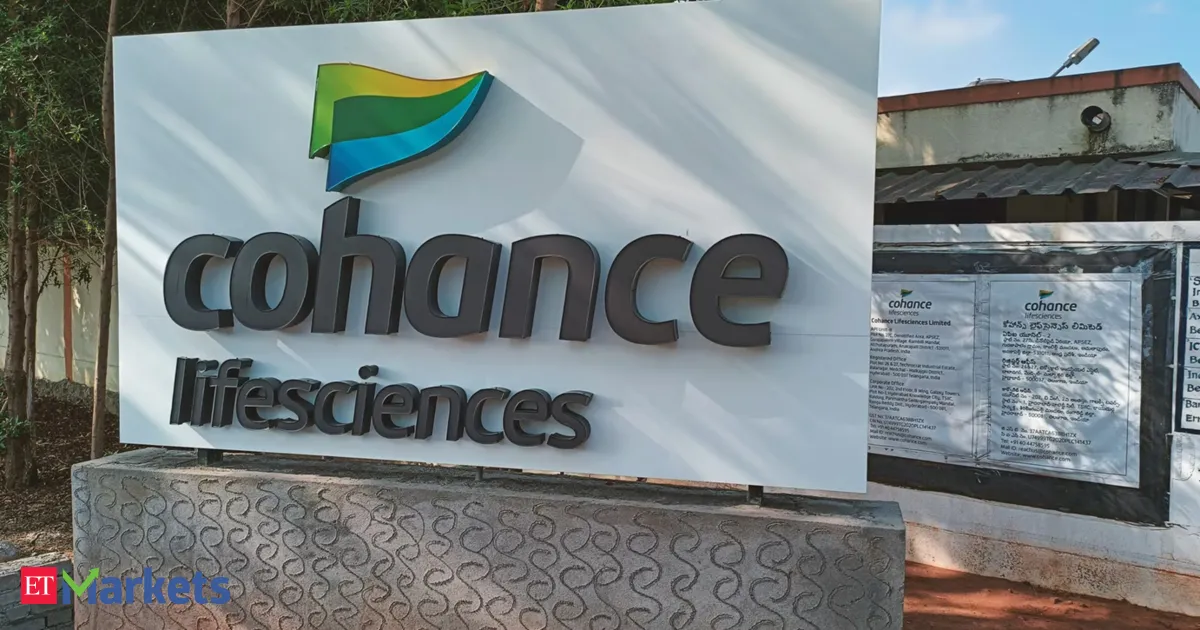
Cohance Lifesciences shares surged 20% on Monday after appointing former Cipla CEO Umang Vohra as Executive Chairman and Group CEO. The company expects his leadership to push transformation, expand operations, and deepen global partnerships as it moves into a new growth phase. Investors reacted sharply to the change at the top.
Swipe through stories, personalise your feed, and save articles for later — all on the app.