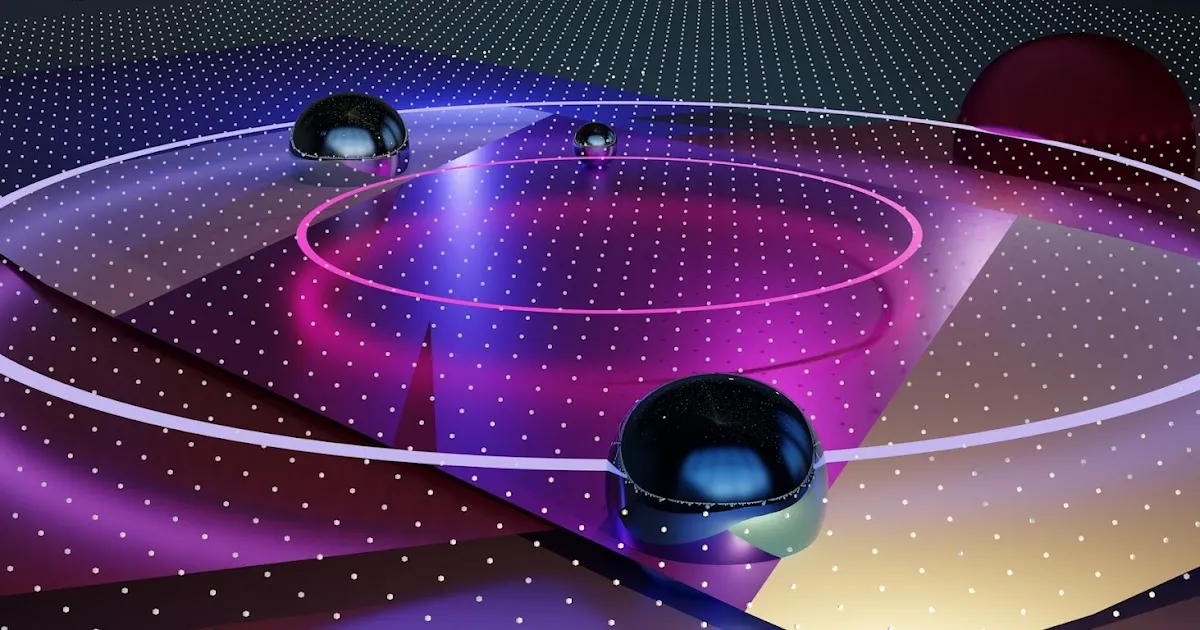
Indian researchers report that preparing a pair of qubits in opposite (antiparallel) spins enables information extraction that two identical copies cannot. Specifically, the team shows they can predict three mutually incompatible spin components simultaneously—contrary to what complementarity and Heisenberg-type restrictions typically suggest. The finding, highlighted through work reported in Physical Review Letters, points to new strategies for characterizing quantum devices with fewer resources and for rethinking quantum cryptography protocols.
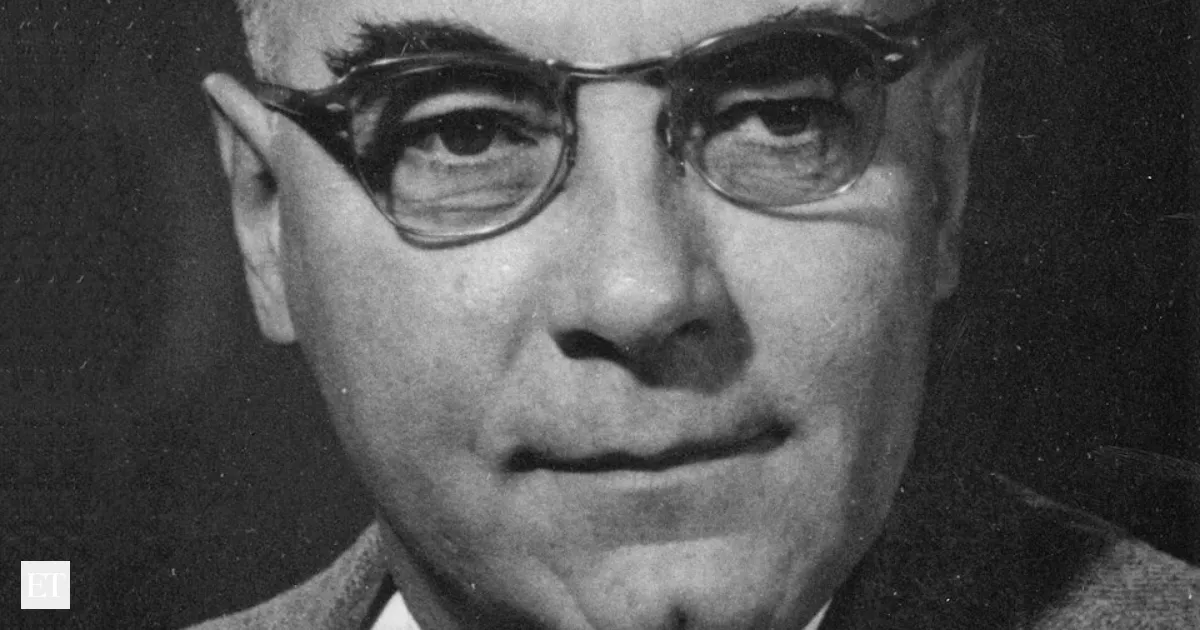
In 1932, Arthur Compton’s cosmic-ray experiments using a cloud chamber uncovered a particle that matched an electron’s mass but flipped its electric charge. The striking image offered early experimental proof of antimatter, challenging existing assumptions about matter. The discovery didn’t just change physics—it also laid groundwork for modern medical imaging such as PET scans.
Your news, in seconds
Get the Beige app — every story in 60 words, updated hourly. Free on iOS & Android.
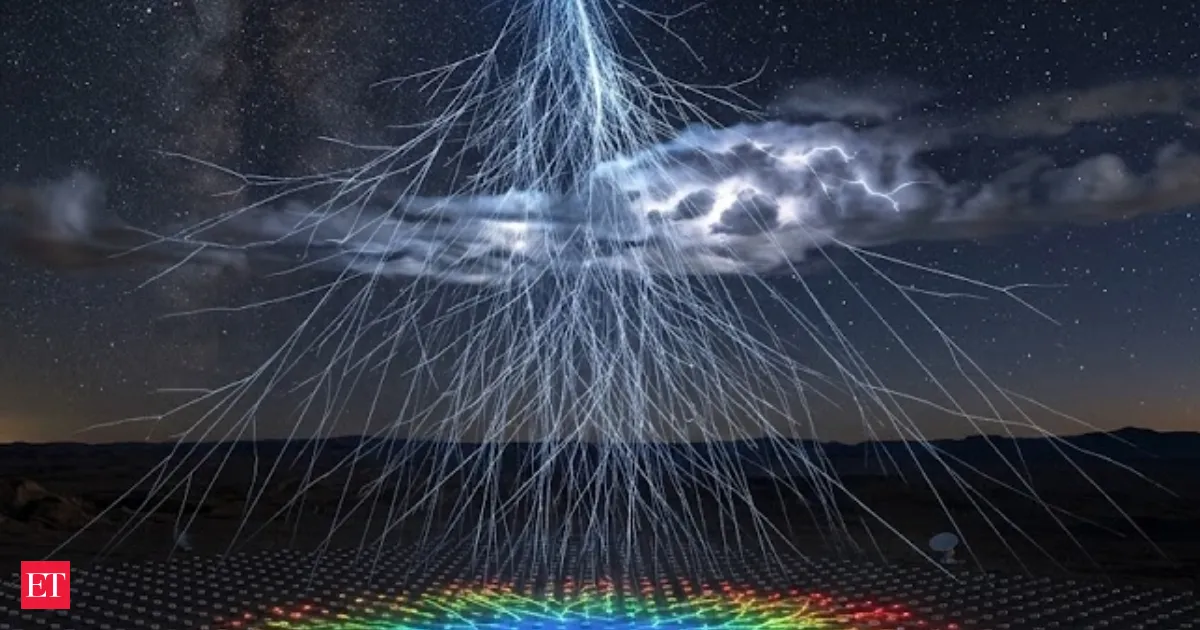
Scientists are probing the origins of the mysterious “sun goddess” particle, Amaterasu, among the strongest ever detected. Early reports suggested it emerged from a seemingly empty patch of space, but new analysis points to a more active source. Researchers now flag Messier 82, a galaxy famous for intense star formation, as a leading candidate.
Swipe through stories, personalise your feed, and save articles for later — all on the app.