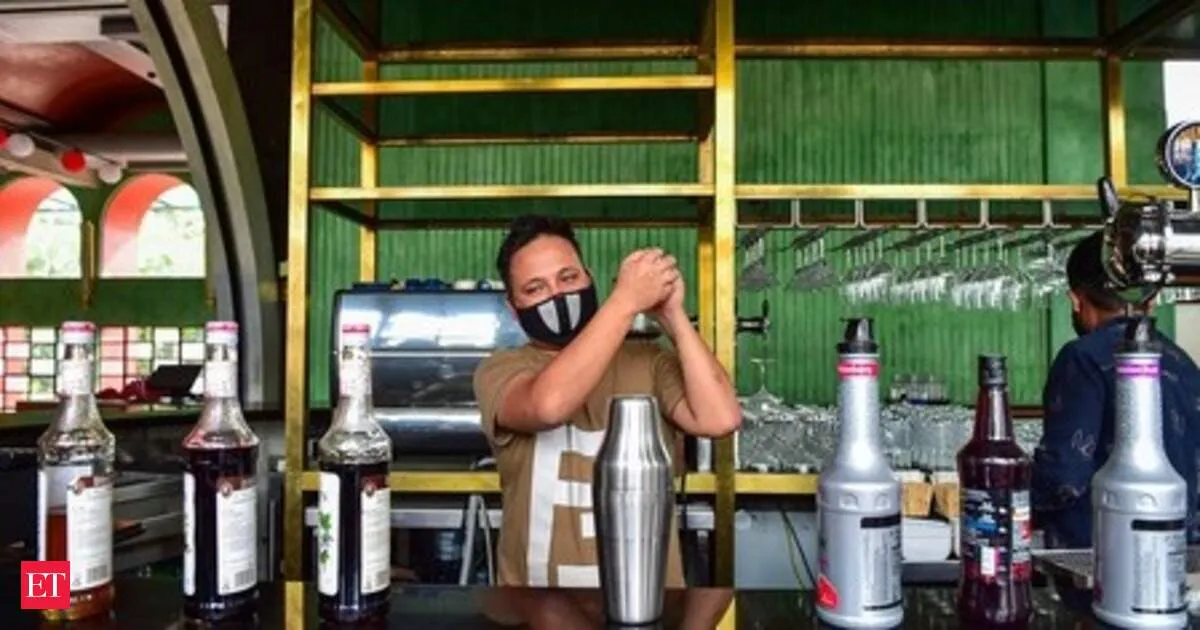
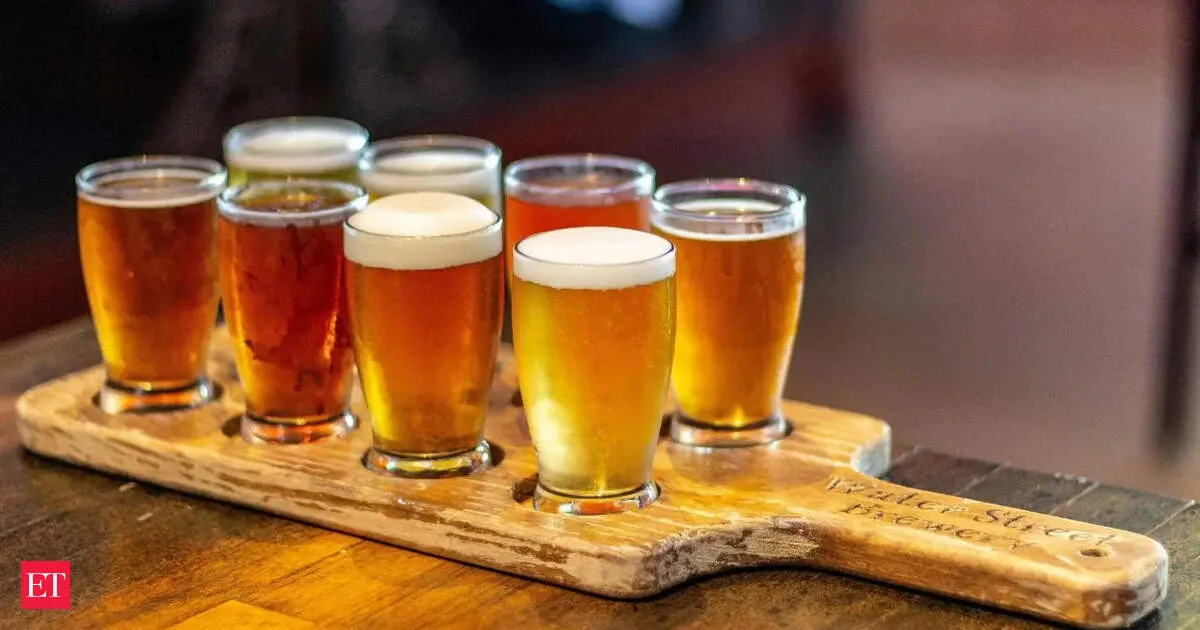
As costs rise and customers change how they spend, bars are rethinking cocktail pricing. Venues such as Gus' Sip & Dip and Radicle have launched cocktails around $12 and $10 by tightening ingredient sourcing and reducing waste. The goal is to make cocktails more accessible, keep regulars coming back, and preserve the momentum of cocktail culture despite higher expenses.
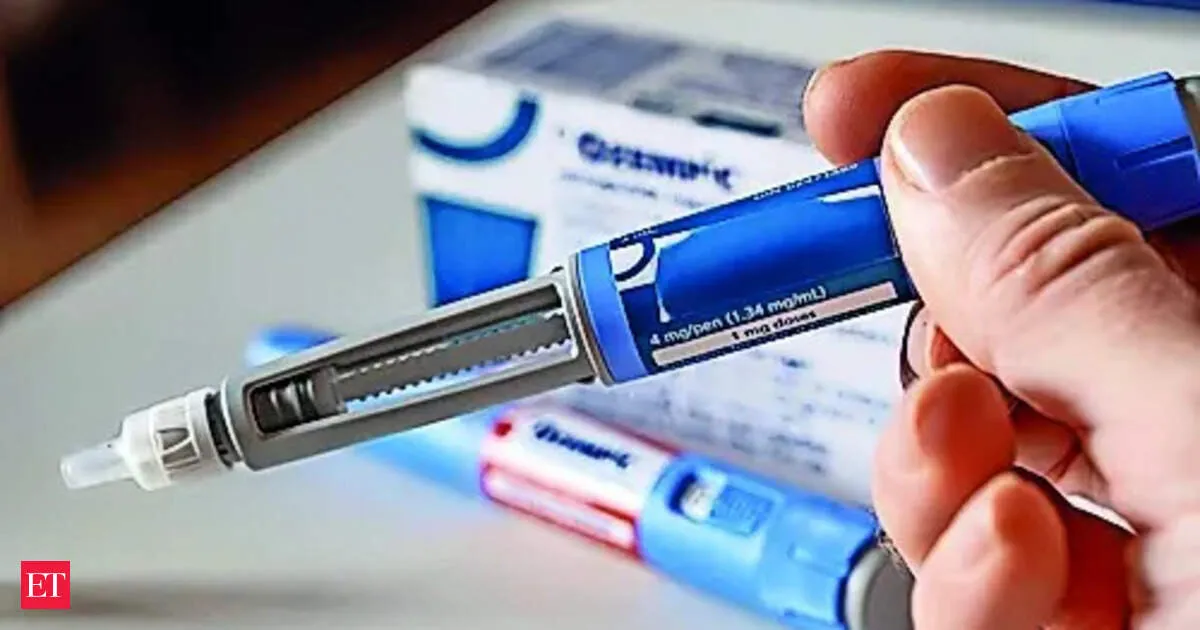
Generic semaglutide in India is expected to get dramatically cheaper, with prices likely to fall by more than half in the coming months. The drop is linked to the entry of smaller brands and a steep decline in raw material costs. A one month dose could fall to as low as ₹500, potentially widening access to the popular weight-loss drug.
Your news, in seconds
Get the Beige app — every story in 60 words, updated hourly. Free on iOS & Android.
Perceptron Inc. has launched Mk1, a proprietary video analysis reasoning model designed for temporal continuity and physical understanding, including object dynamics and analog reading. The company claims performance leadership on spatial and video benchmarks while pricing the API at $0.15 per million input tokens and $1.50 per million output tokens—80 to 90% cheaper than major frontier models.
Instant house help platforms notched over 3 million bookings in April as demand grows even while companies raise prices. But worker shortages and uncertainty around the “10-minute” category’s long-term profitability are raising questions. To deepen engagement and offset margin pressure, firms are branching into adjacent services like cooking and car washing, testing whether the market can scale beyond quick tasks.
RFBL Flexi Pack Ltd has announced a price band of Rs 47 to Rs 50 per equity share for its initial public offering. The IPO will open for subscription on May 12, giving investors a defined entry range as the flexible packaging materials company prepares to list. The move sets expectations for demand and pricing ahead of market debut.
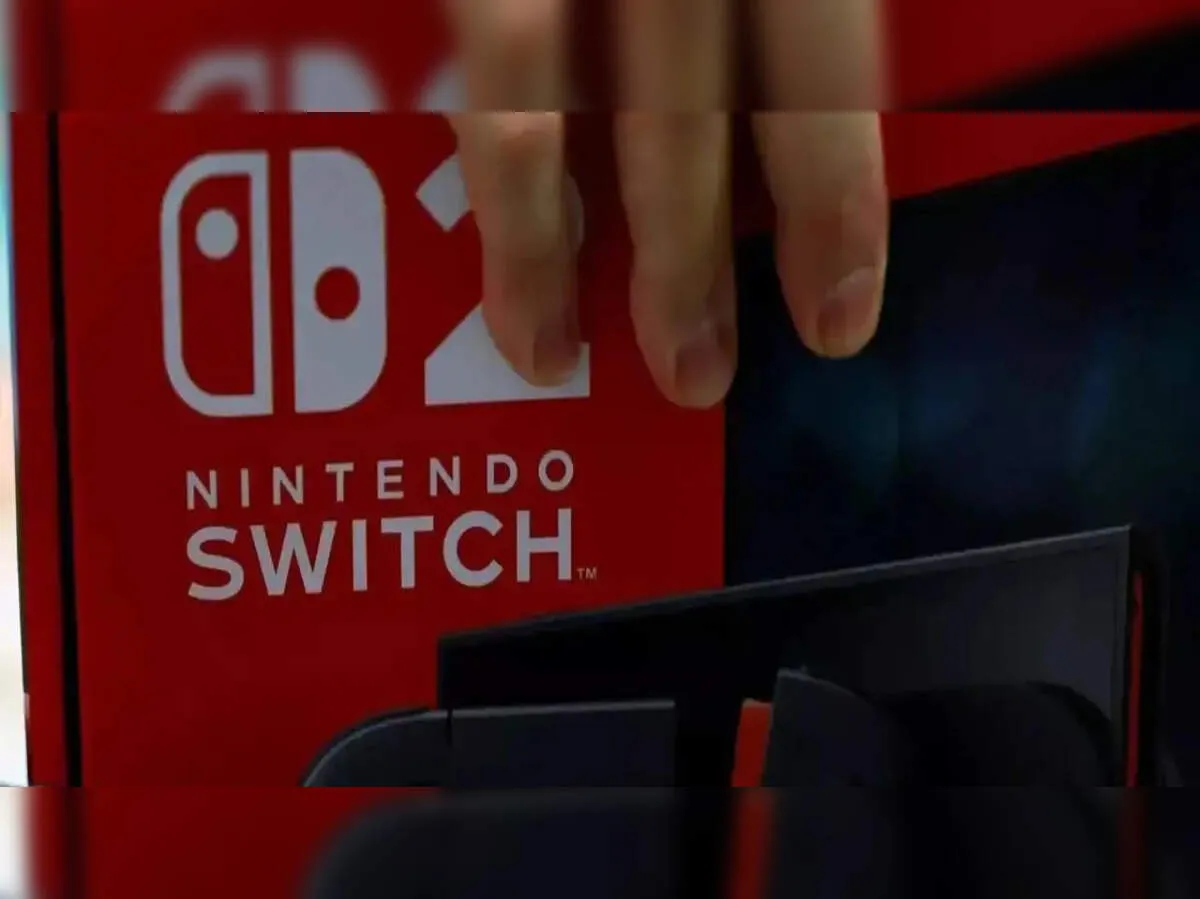
Nintendo says it will raise the price of its Switch 2 across Japan, the US, and Europe, citing continued increases in component costs. The move comes with a sharp warning that net profit for the current year could drop significantly, despite a strong prior fiscal performance. Consumers may feel the shift immediately at launch and in upcoming retail pricing.
Never miss a story
Set alerts for the topics and sources you care about. Download Beige for free.
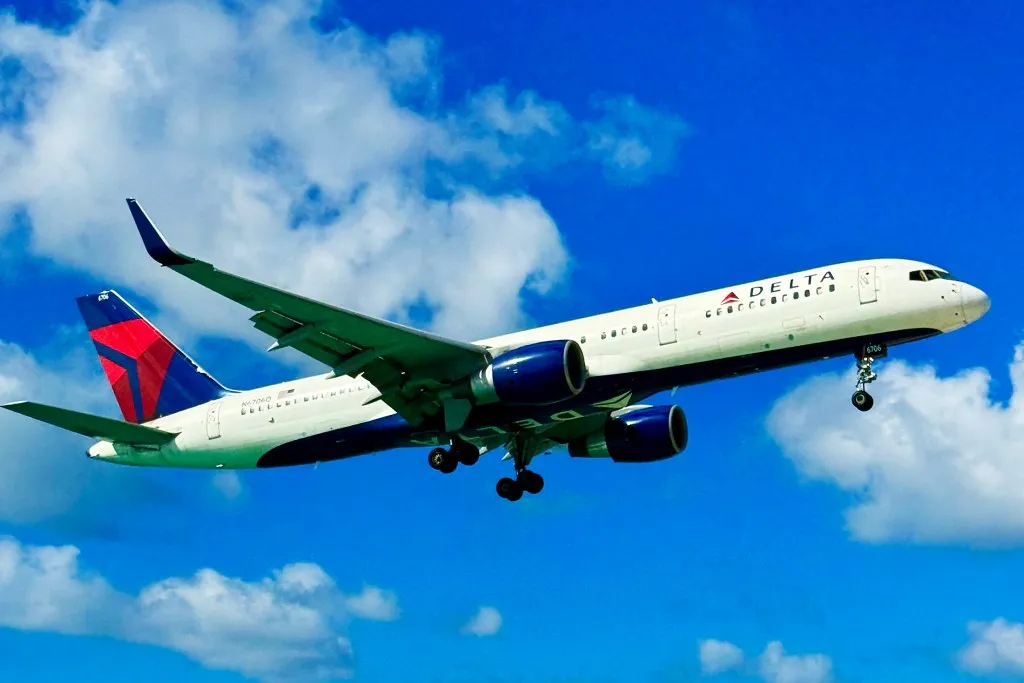
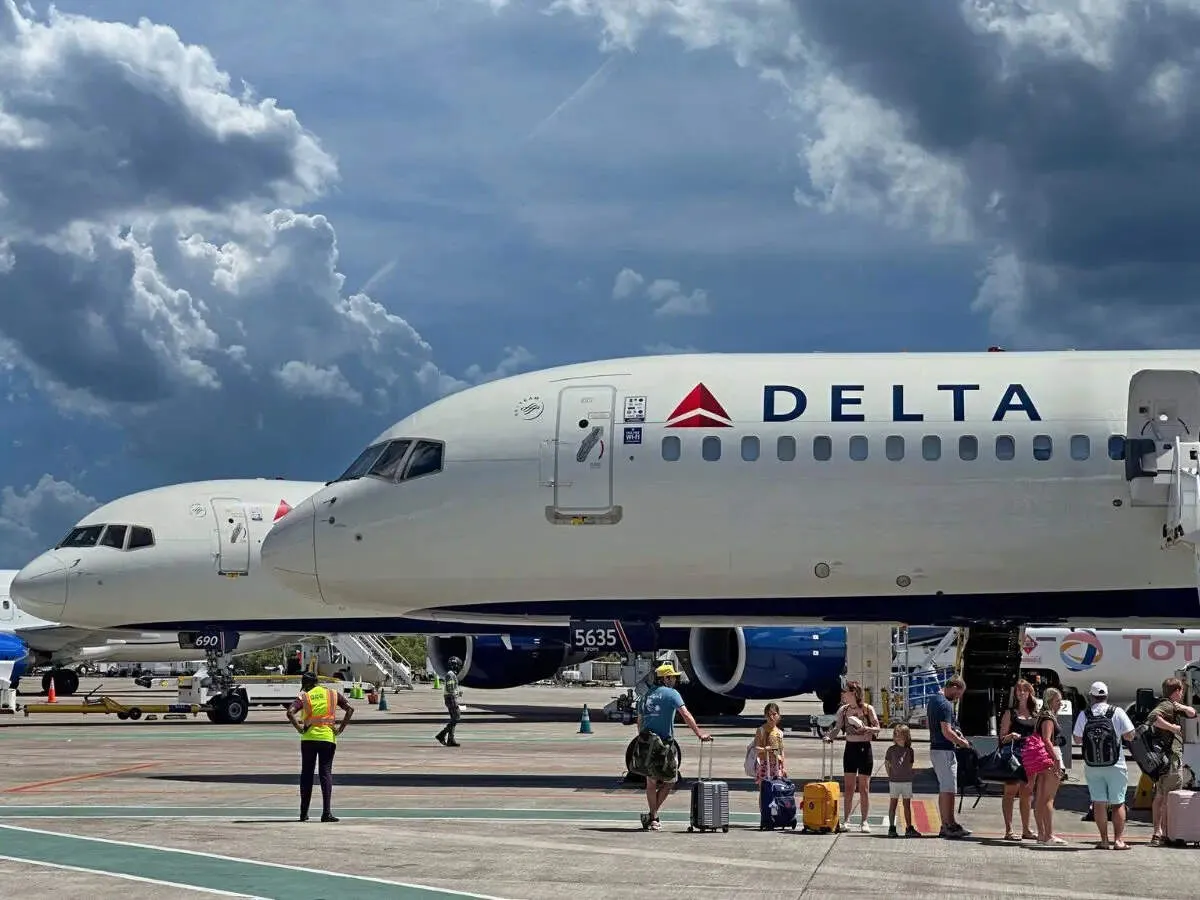
Delta is ending free beverages and snacks on select short-haul routes. The change will apply to about 9% of its daily flights that are under 350 miles, beginning May 19. While the airline says it’s targeted, the move stands out as fewer perks compared with the broader industry approach.
Beer makers say a demand boom is colliding with rising production costs and a tightening glass-bottle supply. Brewers are urging state governments to allow a 15 to 20% beer price increase and to speed up settlement of pending financial dues. Industry players argue the bottleneck in packaging is constraining output and squeezing margins.
Delta Airlines is ending complimentary snacks and drinks in economy cabin on flights under 350 miles, starting May 19. The airline says the move supports network consistency, even as some competitors keep offering freebies. Delta plans to add more full-service flights on longer routes, aiming to offset the change by increasing access to amenities where travel time is longer.
Hindustan Unilever posted stronger-than-expected volume growth led by home care and beauty, but rising input costs squeezed margins. To protect sales momentum, the company plans calibrated price increases of about 2–5% across products. For FY27, HUL retained its EBITDA margin guidance, banking on premiumization and quicker commerce-led execution to keep performance buoyant.
Reading on mobile?
Open Beige in the app for a smoother experience — free on iOS and Android.
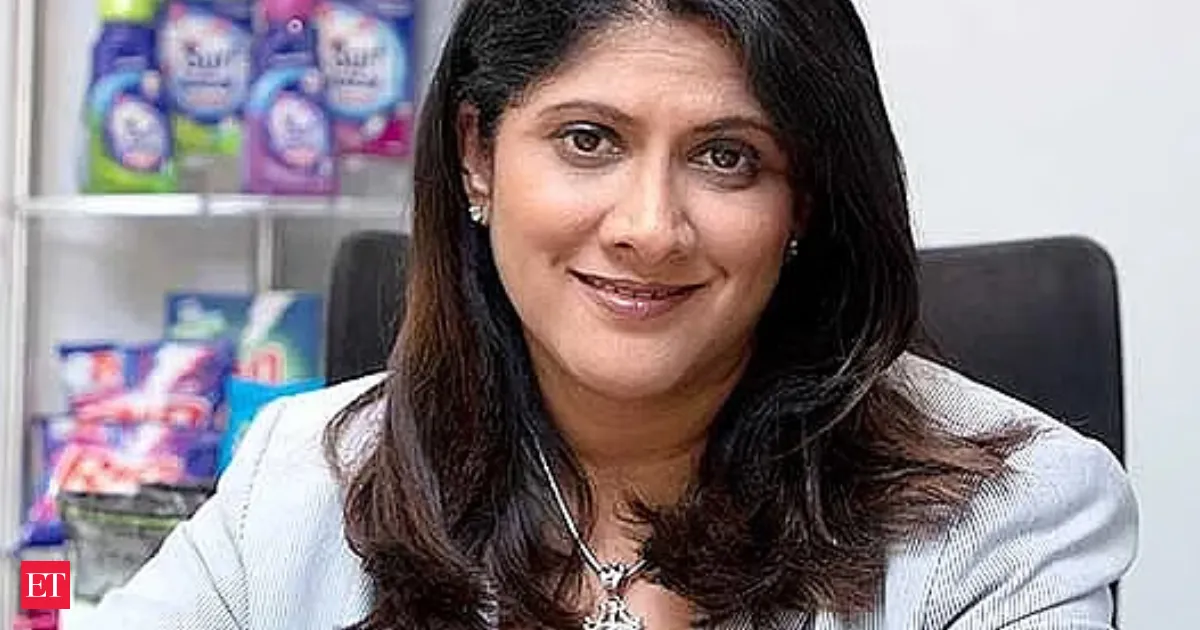
Hindustan Unilever says it will take calibrated price increases to offset rising input costs, while prioritising volume-led growth. The company believes volumes in daily essential categories will hold steady thanks to low price elasticity. HUL is also pushing savings across operations to manage short-term pressure without derailing its long-term growth plans.
India’s consumer durables sector is rebounding as rising temperatures spur demand, particularly in southern markets. April sales were reportedly flat, but the outlook for the following months looks brighter. Companies are raising prices to protect margins. Premium appliances are outperforming while entry-level products face pressure, with modest overall growth expected on steady high-end demand and favorable weather.
Hindustan Unilever posted an 18% jump in profit, crediting a dual strategy of price hikes and cost cuts to offset volatility tied to Middle East tensions. With raw material costs rising across consumer goods, the company held its mid-term earnings outlook and flagged stronger fiscal 2027 prospects by leaning into premium products and focus brands.
Since January 2023, India stopped using standard edible oil pack quantities, leaving consumers to navigate an uneven range of sizes. The result, according to SOPA, is confusion at the shelf and potential deception, as shoppers struggle to compare prices across brands with inconsistent labeling.
Follow your favourite sources
Track sources, tags and categories — all in the Beige app.
AWL Agri Business says its input costs have jumped 20% as the Middle East conflict disrupts fuel, chemicals, and packaging supplies. The company is updating prices to offset the spike, following similar moves by other FMCG players. It is also pushing wider distribution and boosting online sales to protect volume growth despite higher costs.
United and American Airlines executives are telling investors they expect fares to remain elevated, even if fuel prices ease. Their pitch: passenger demand is still resilient enough to absorb recent price increases. With airlines planning around strong booking trends rather than cost swings alone, higher airfares may persist longer than many travelers expect.
TRAI has pushed the deadline for public comments on a proposed regulation for mobile plans that include only calling and SMS, without data. The regulator says current voice and SMS-only packs are often priced too high, and the new framework would require telecom operators to offer lower priced alternatives. Comments are now due by May 5.
Xiaomi has launched MiMo-V2.5 and MiMo-V2.5-Pro under the permissive MIT License, making them production-friendly and easy to run locally or on private clouds. Xiaomi’s benchmarks show the Pro model performing extremely well on “claw” agent tasks while consuming roughly 40–60% fewer tokens than top closed models—aimed squarely at cost-heavy, long-context automation.
Stay informed on the go
Bite-sized news from 100+ trusted sources, right in your pocket.
DeepSeek has rolled out its V4 preview series, including the powerful V4-Pro and a lighter Flash variant, and is trying to drive adoption with aggressive pricing. The company is offering developers a 75% discount on DeepSeek-V4-Pro until May 5, alongside broader API cost cuts, signaling a direct push to challenge the current AI pricing power.
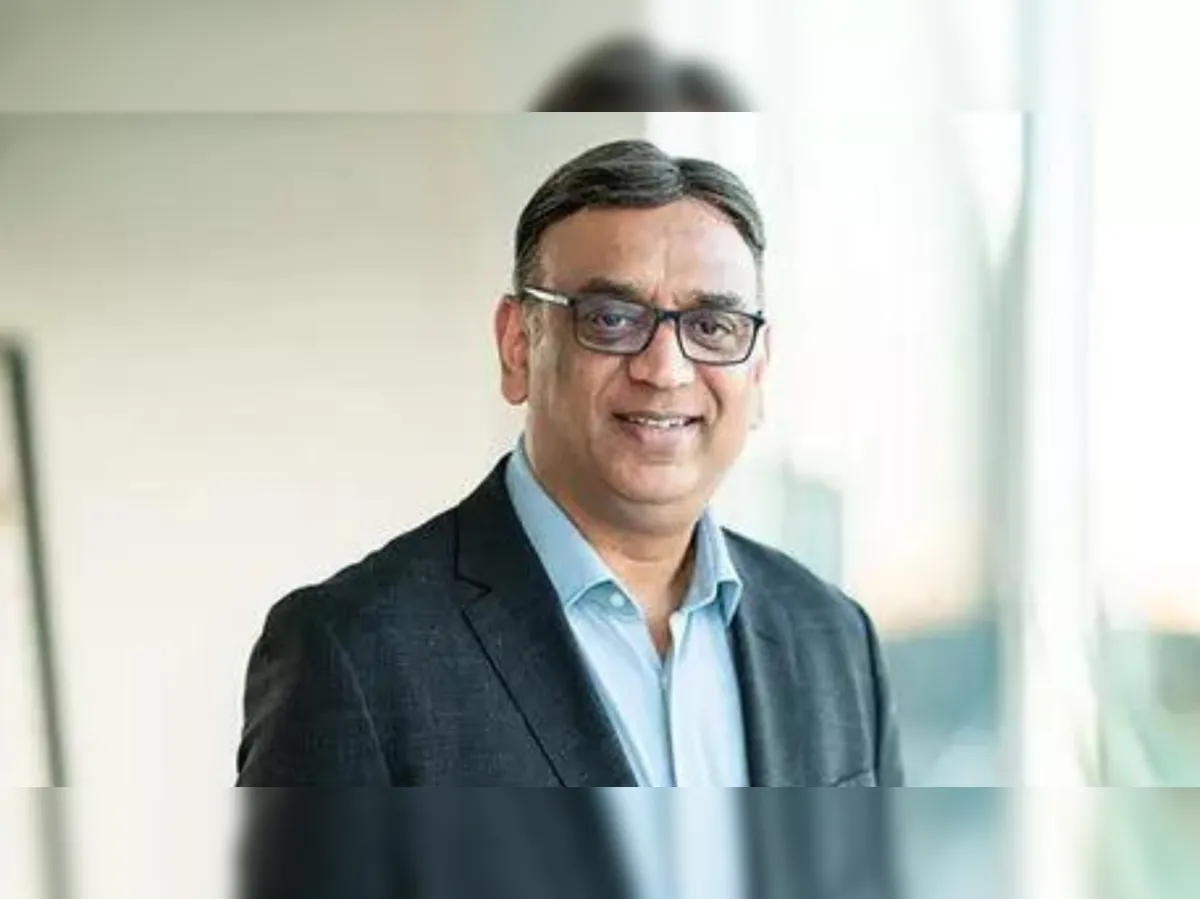
LTM CEO Venu Lambu downplayed fears of AI-driven deflation, saying cost pressures are part of normal market evolution. Instead of focusing on falling pricing, he argues the real test is execution during a generational technology shift. To fuel growth, LTM is restructuring into three service lines and launching a new business AI unit aimed at doubling revenue.
Swipe through stories, personalise your feed, and save articles for later — all on the app.